Are Padua And Padova The Same Place?
Yes, Padua and Padova are the same city in the Veneto, northern Italy: Padua is the English name, Padova the Italian one. Here is where each name comes from and which one to use on tickets and signs.
Yes, Padua earns its stop: Giotto's frescoes in the Scrovegni Chapel, Prato della Valle's wide oval, and the Orto Botanico carry real weight. The historic centre is compact and walkable, and Venice sits close enough to pair with a visit.
Yes, Padua and Padova are the same city in the Veneto, northern Italy: Padua is the English name, Padova the Italian one. Here is where each name comes from and which one to use on tickets and signs.
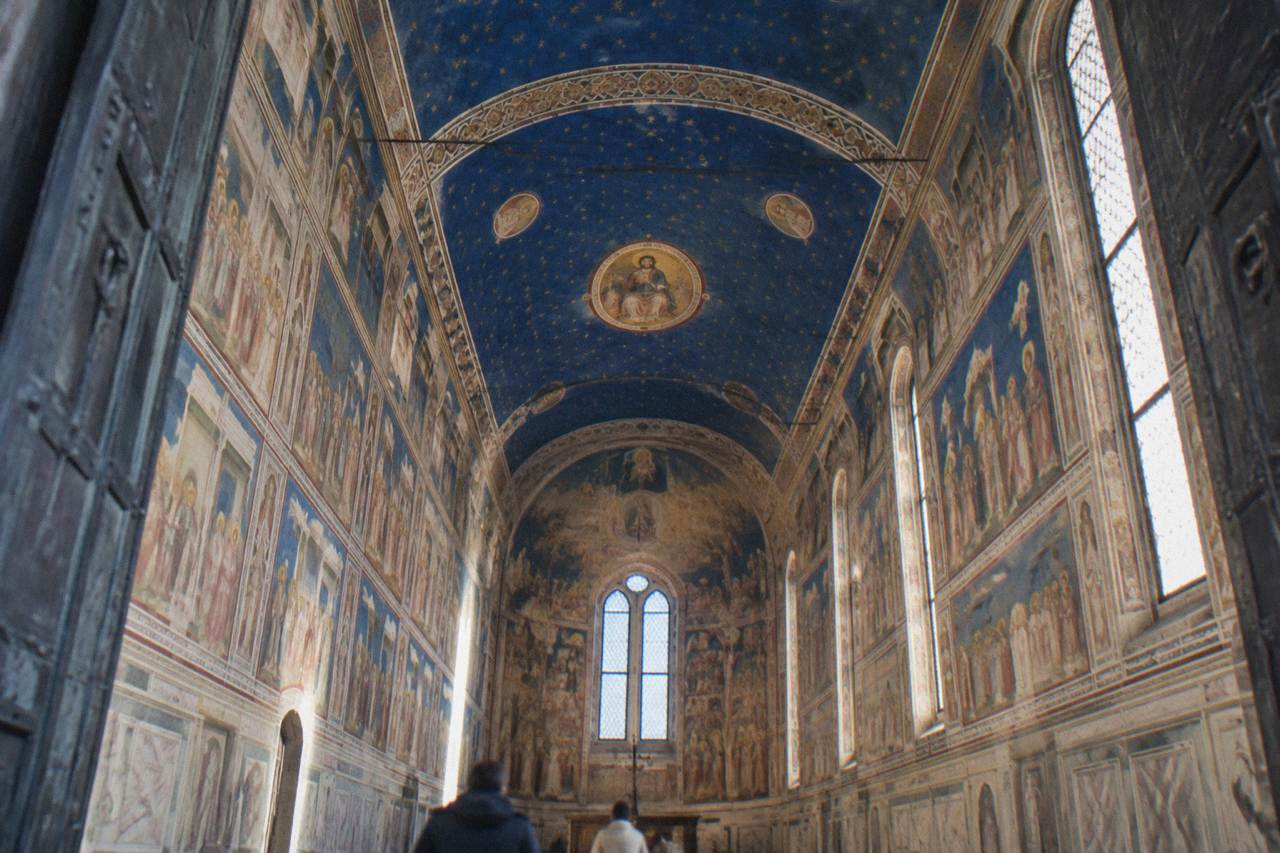
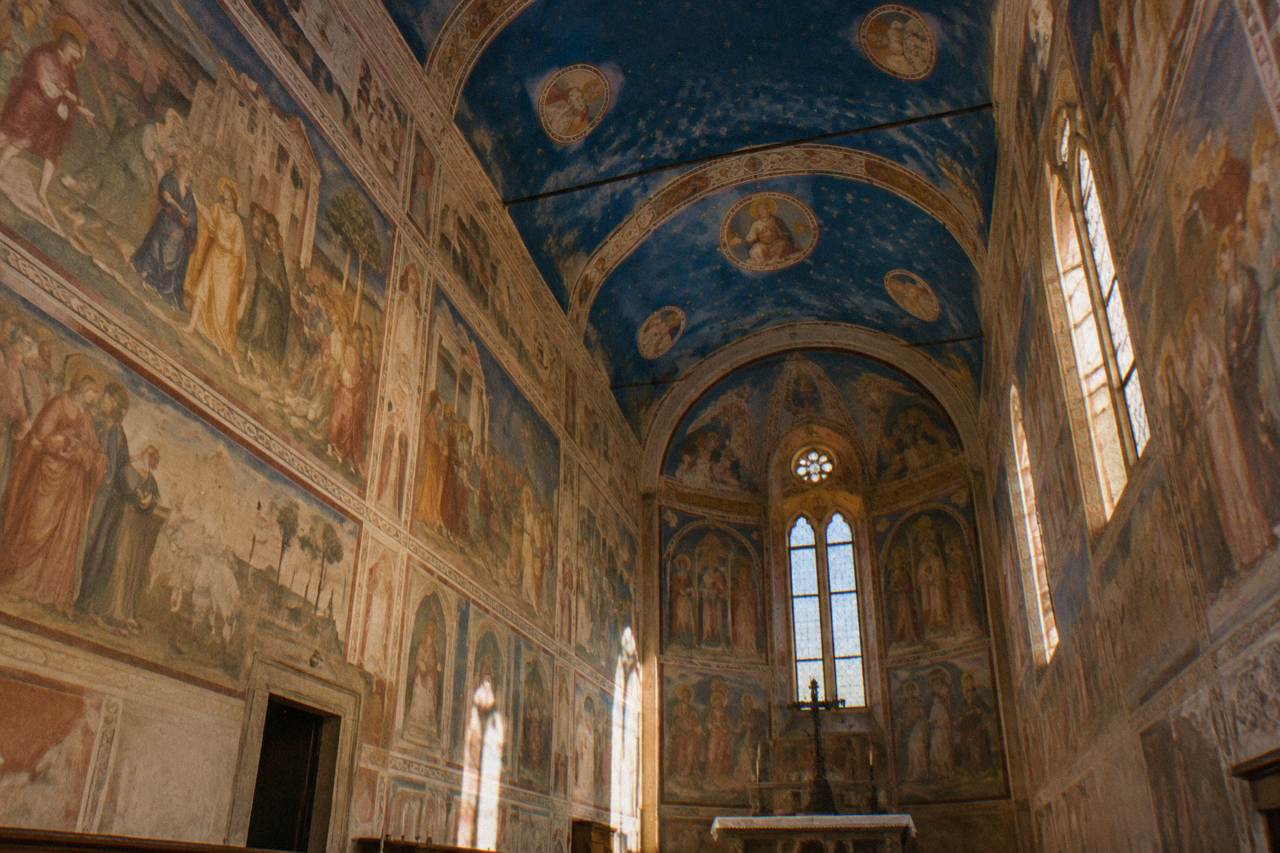
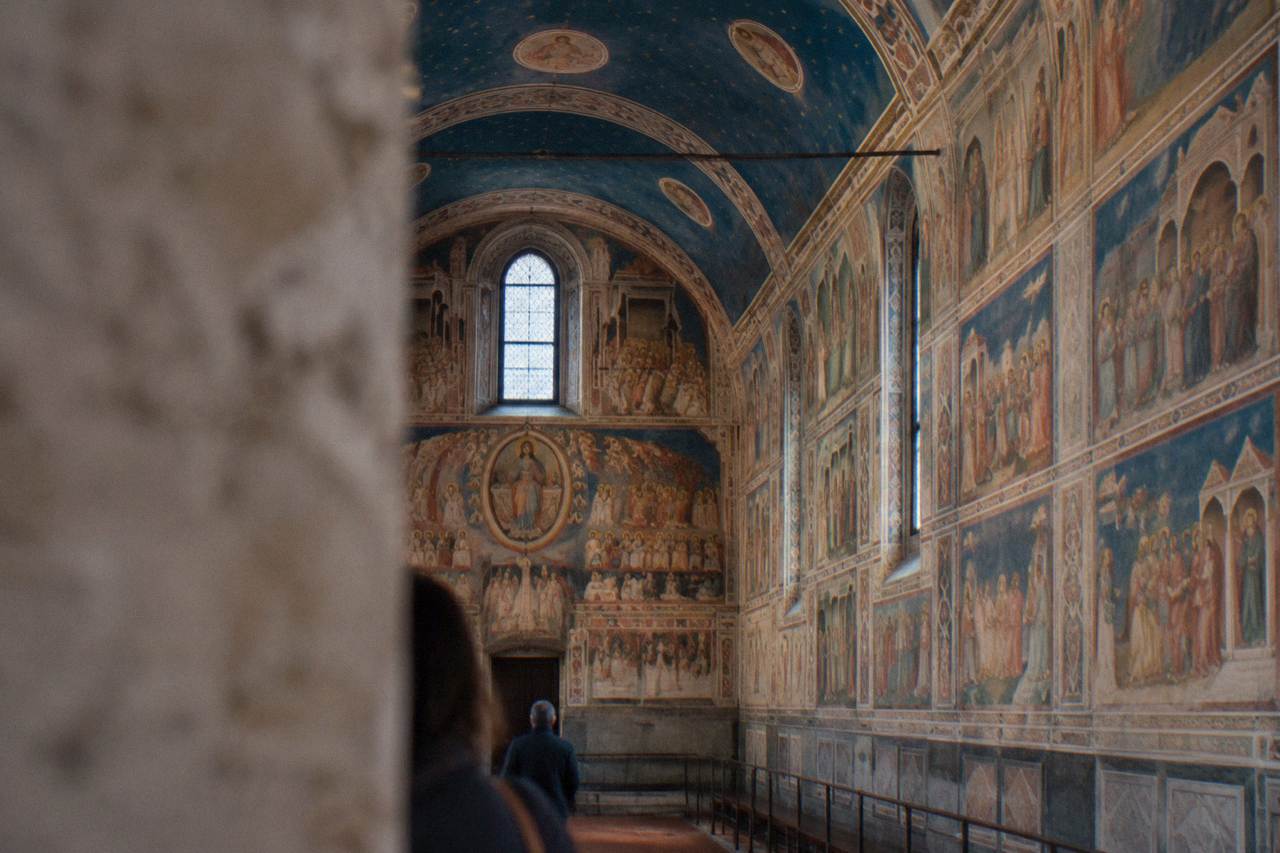
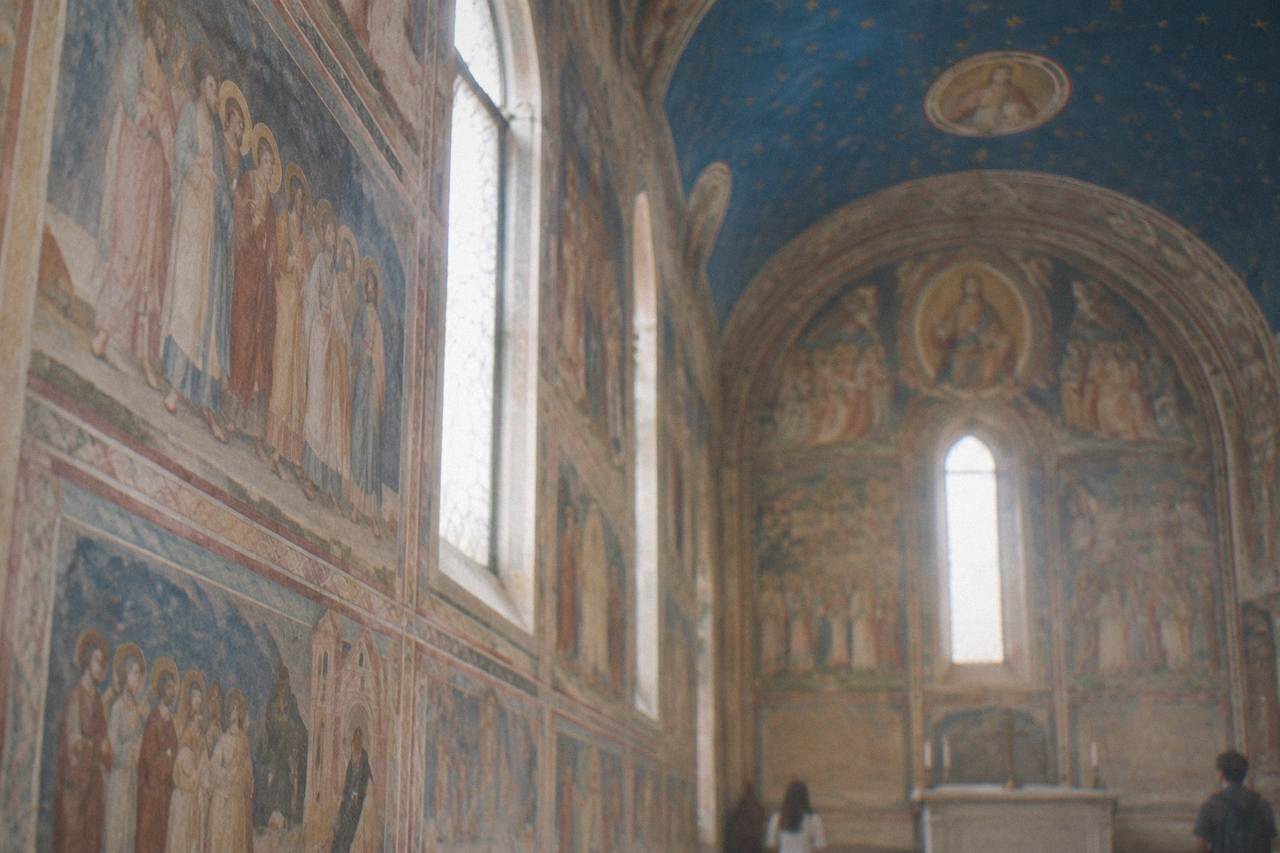
Giotto frescoed the Scrovegni Chapel in Padua between 1303 and 1305. Here is what the chapel's own site, UNESCO and the city's records say about the cycle and how to see it.
Yes, Padua (Padova) gets snow, but not much: about 4.4 snowy days a year on recent averages. What the climate data says and what it means for a winter trip.
Italians say Padova, the Italian name of Padua, a city in the Veneto in northern Italy. How to pronounce it, where each name is used, and which one to say when you visit.
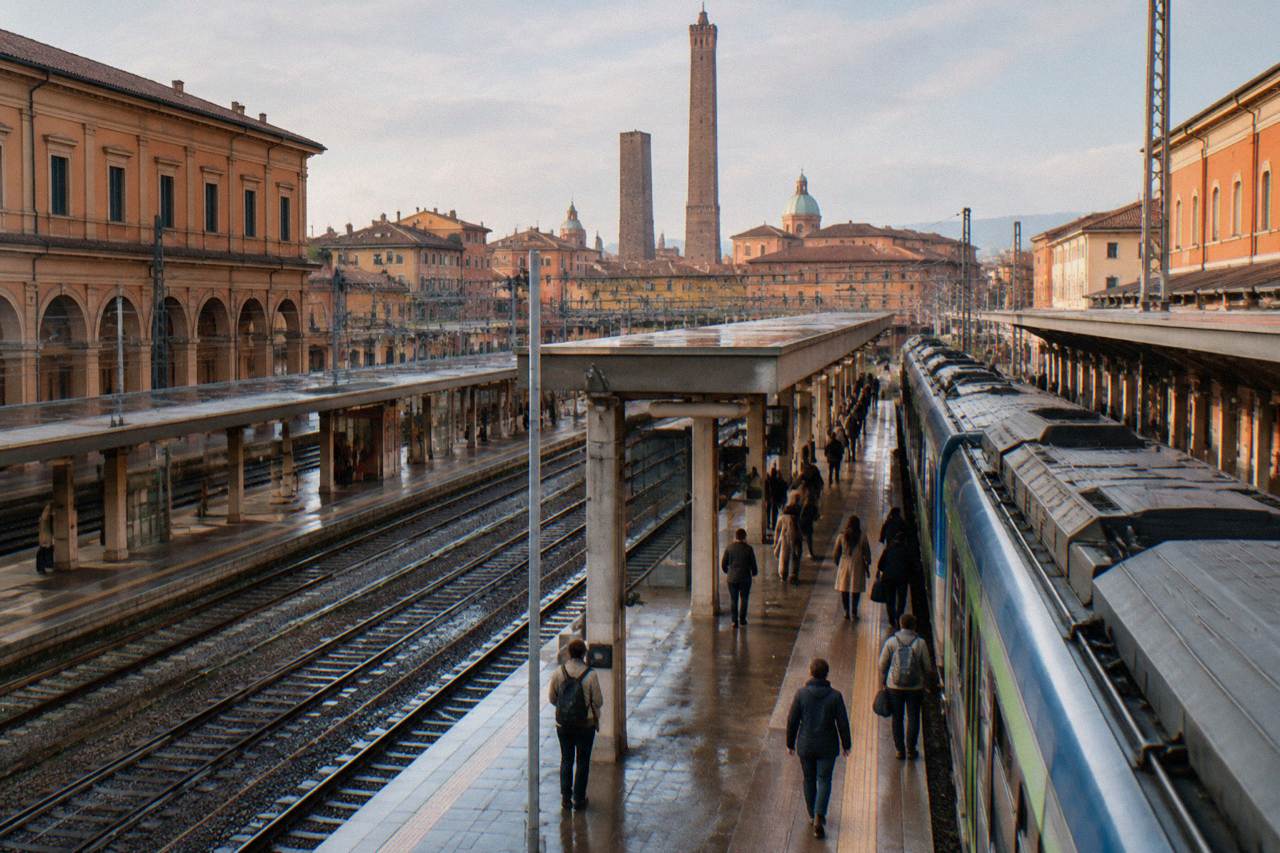
Bologna is about 110 km in a straight line from Padua. What that means for trains, day trips and planning, with distances across the Veneto and beyond.
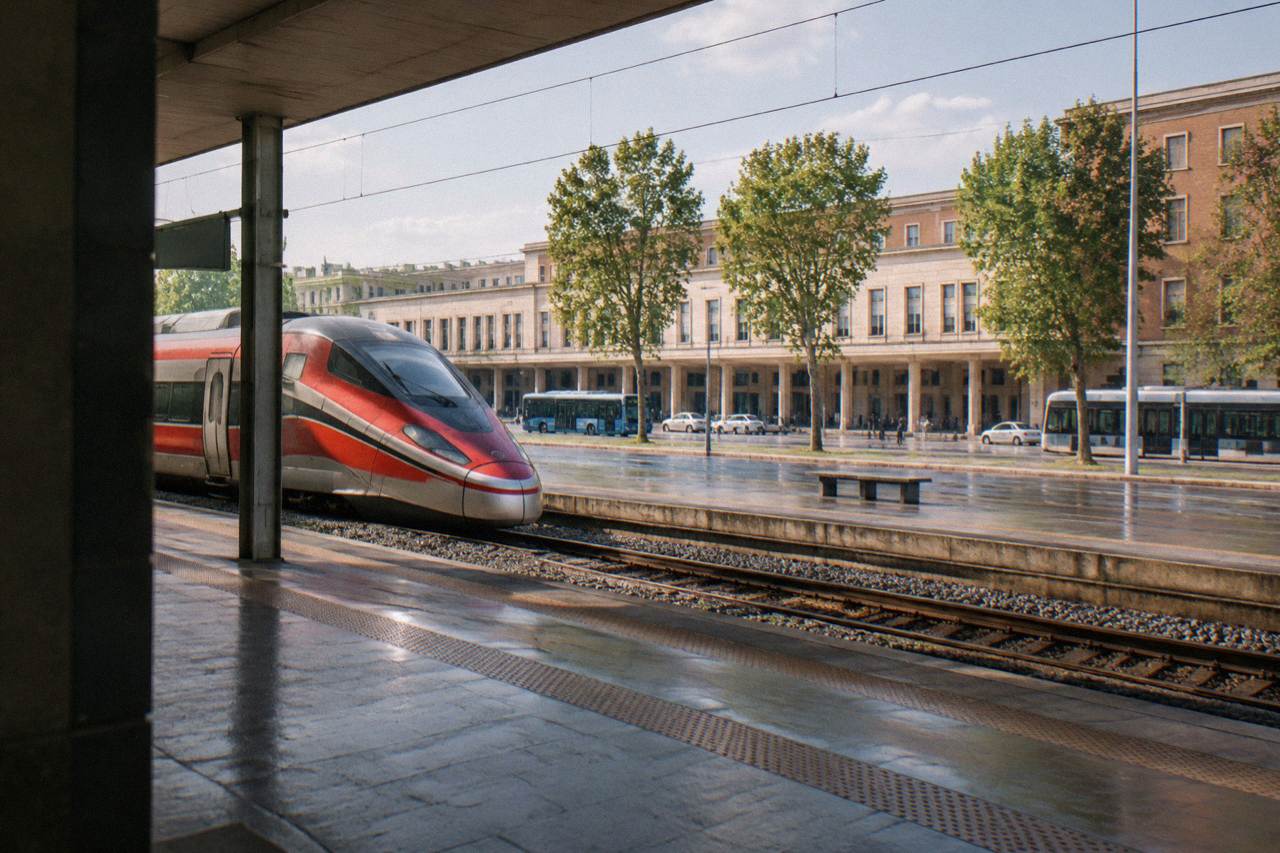
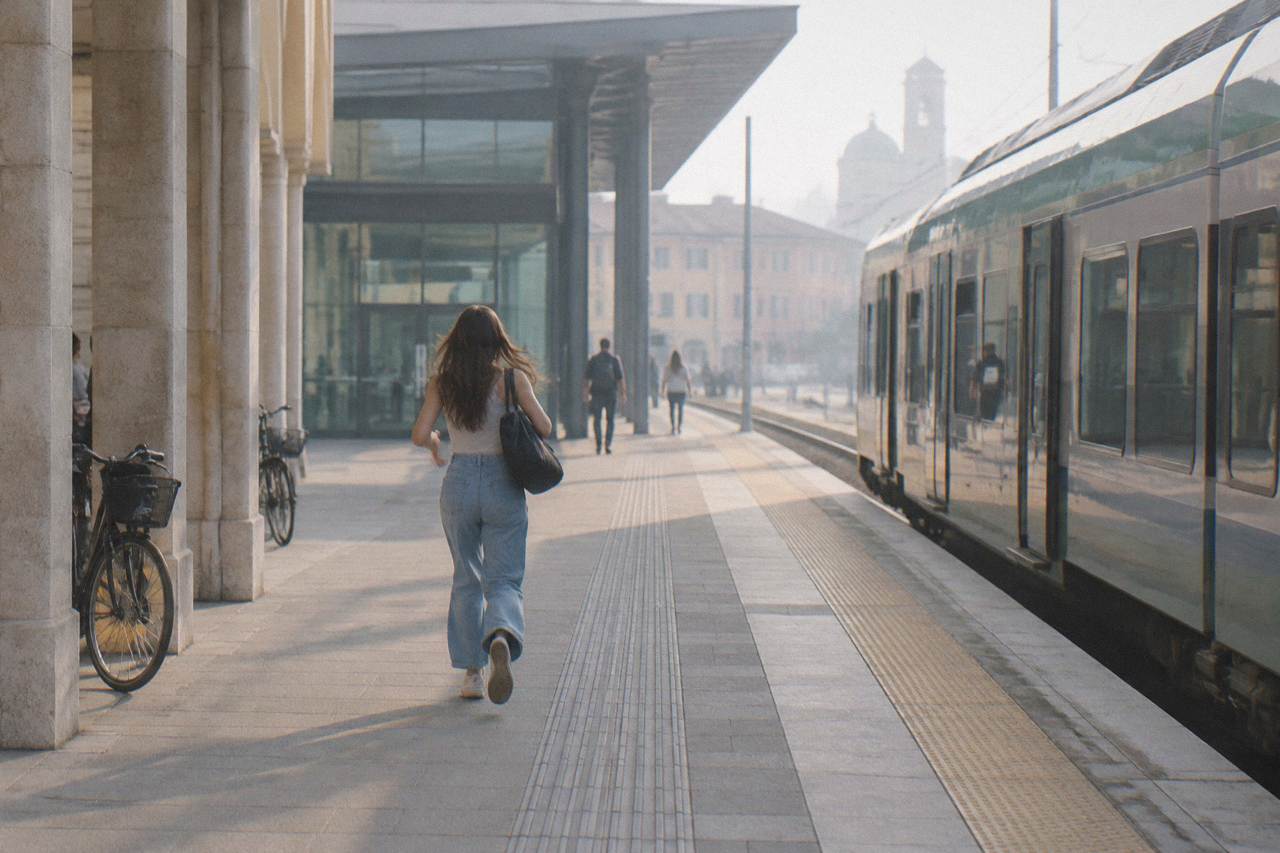
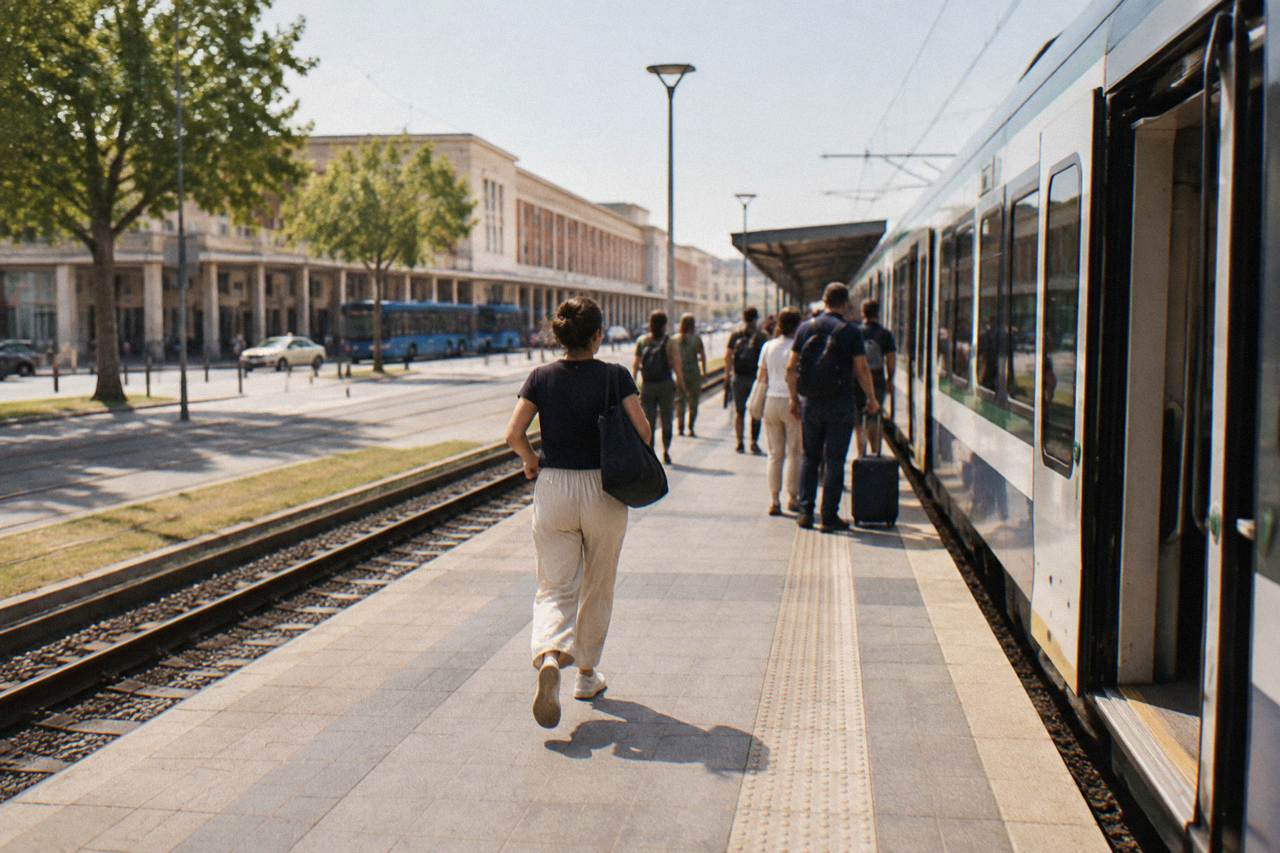
Padua sits about 36 km inland from Venice, with trains covering the gap in roughly half an hour. Here is the full distance, cost and planning picture.
A visit to the Scrovegni Chapel in Padua takes about 15 minutes inside on a timed slot. Here is how long to budget for the waiting room, the museums and the whole complex.
How many days do you need in Padua? A day-by-day breakdown of the Scrovegni Chapel, the Basilica, the Orto Botanico and the day trips beyond the city.
Is Abano Terme worth visiting on a Padua trip? A sourced look at the spa town 8 km from Padua, its Euganean Hills setting, and what a day there can hold.
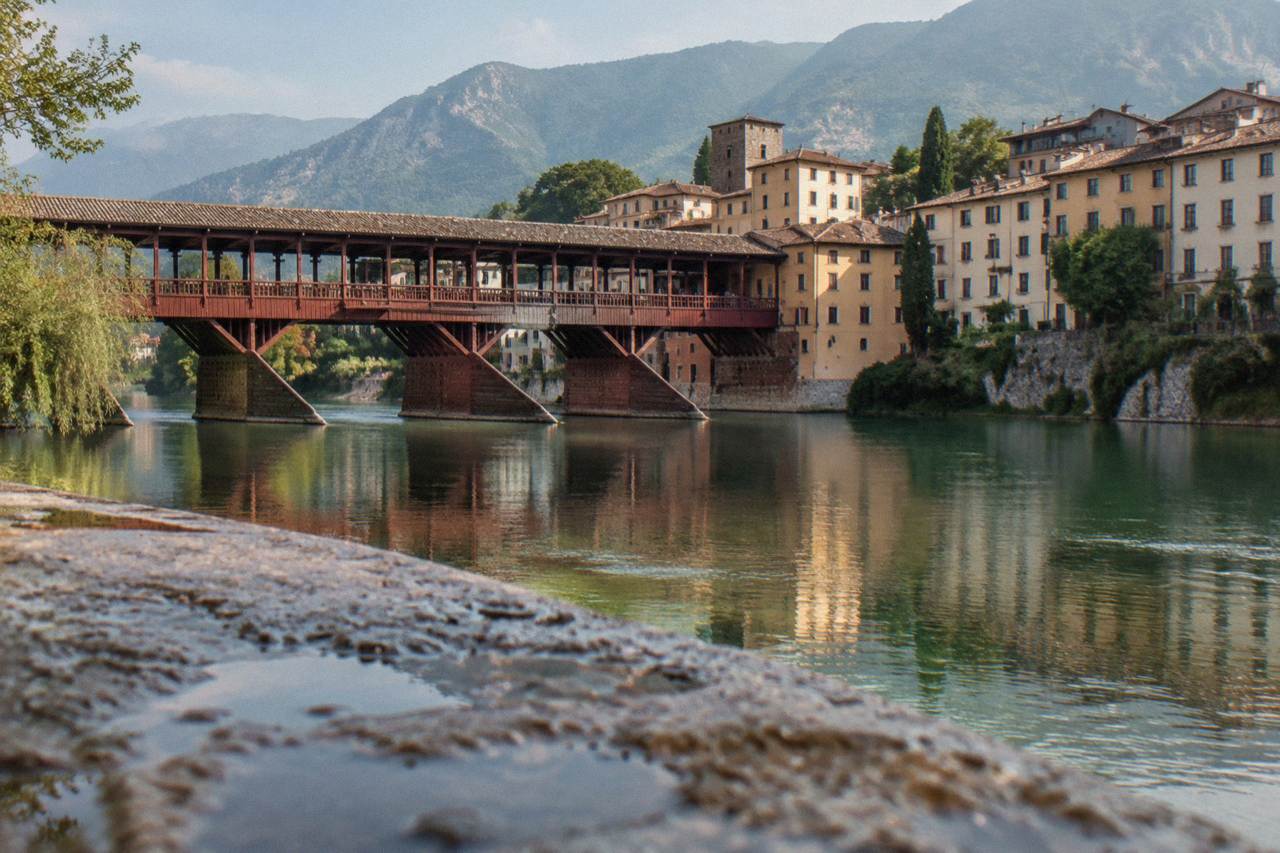
Is Bassano del Grappa worth a day trip from Padua? What the sources say about the Ponte degli Alpini, the Poli Grappa Museum and the train from Padova.
An honest, sourced look at whether Padua rewards an overnight stay: what the city itself offers, what it costs beyond the room, and how it works as an inland base for Venice and the Veneto.
Is Padova a safe city to visit? A plain-language safety briefing for Padua in the Veneto, covering reported petty-theft risks, the station area after dark, transport, tap water and the 112 emergency number.
No: Padua sits in the north of Italy while Rome is far to the south, and no figure on this page's fact pack makes the two neighbours. What that means for trains, day trips and planning.
Padua's age claim rests on the Antenor founding legend of 1183 BC, but no official source ranks it as Italy's oldest city. Here is what the documented record actually says.
No, Padua is not the oldest university: it was founded in 1222 and is reported as the second-oldest in Italy after Bologna. Here is what that means and what to see.
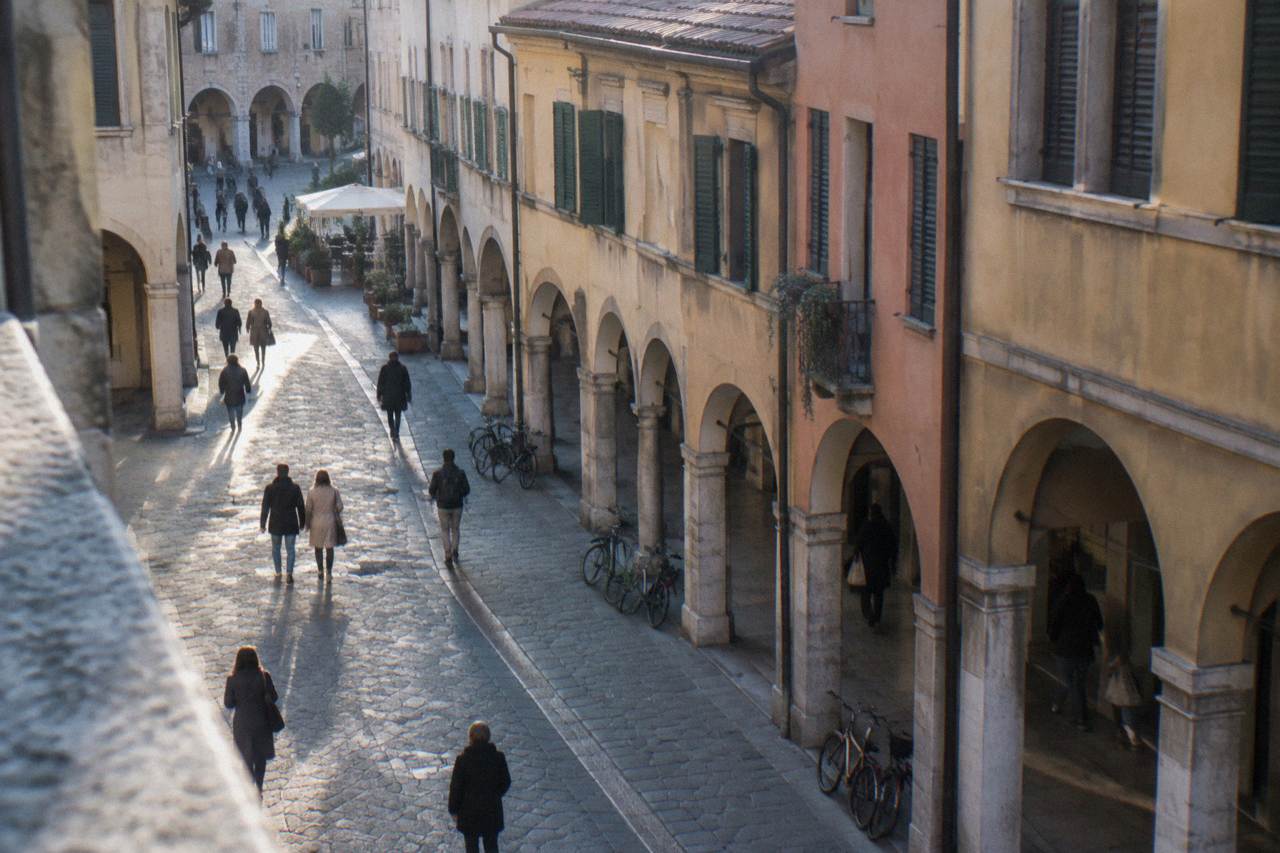
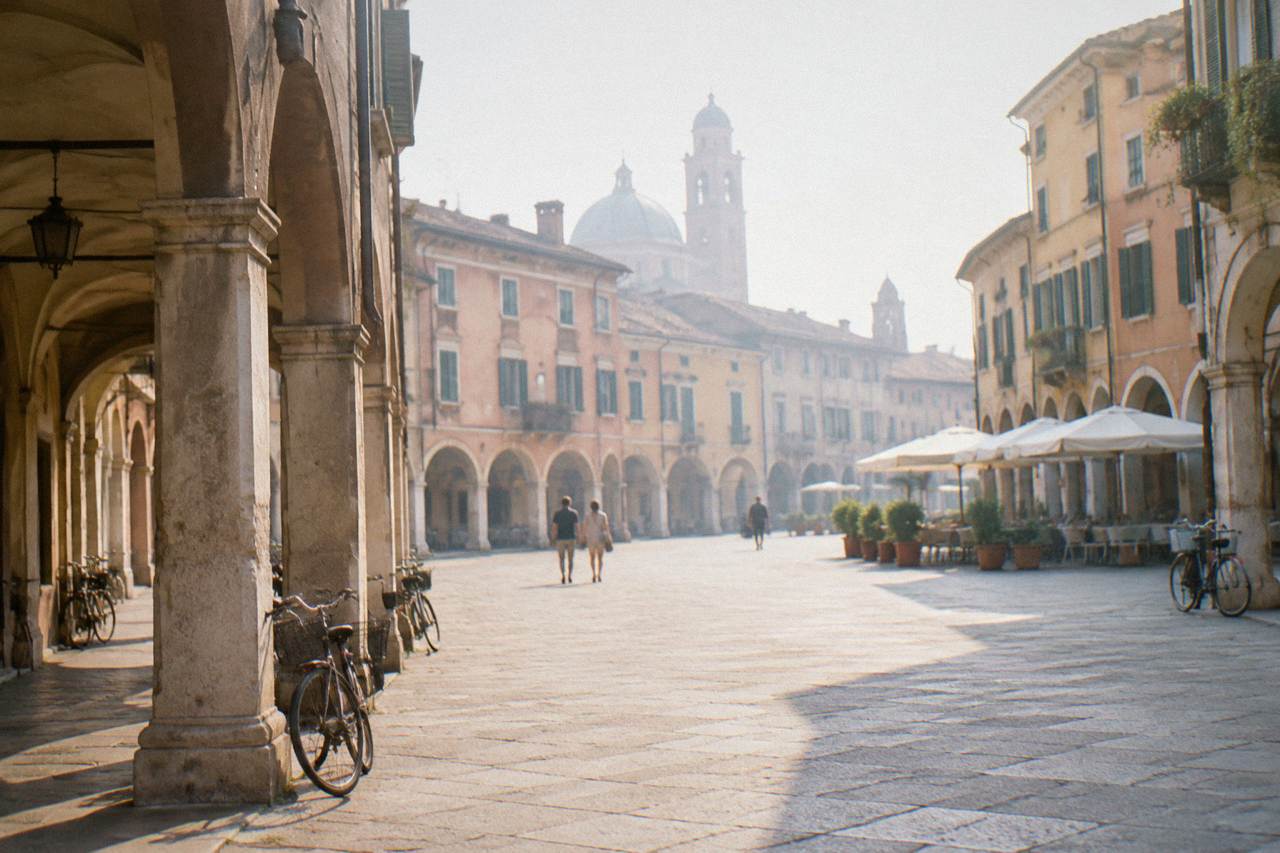
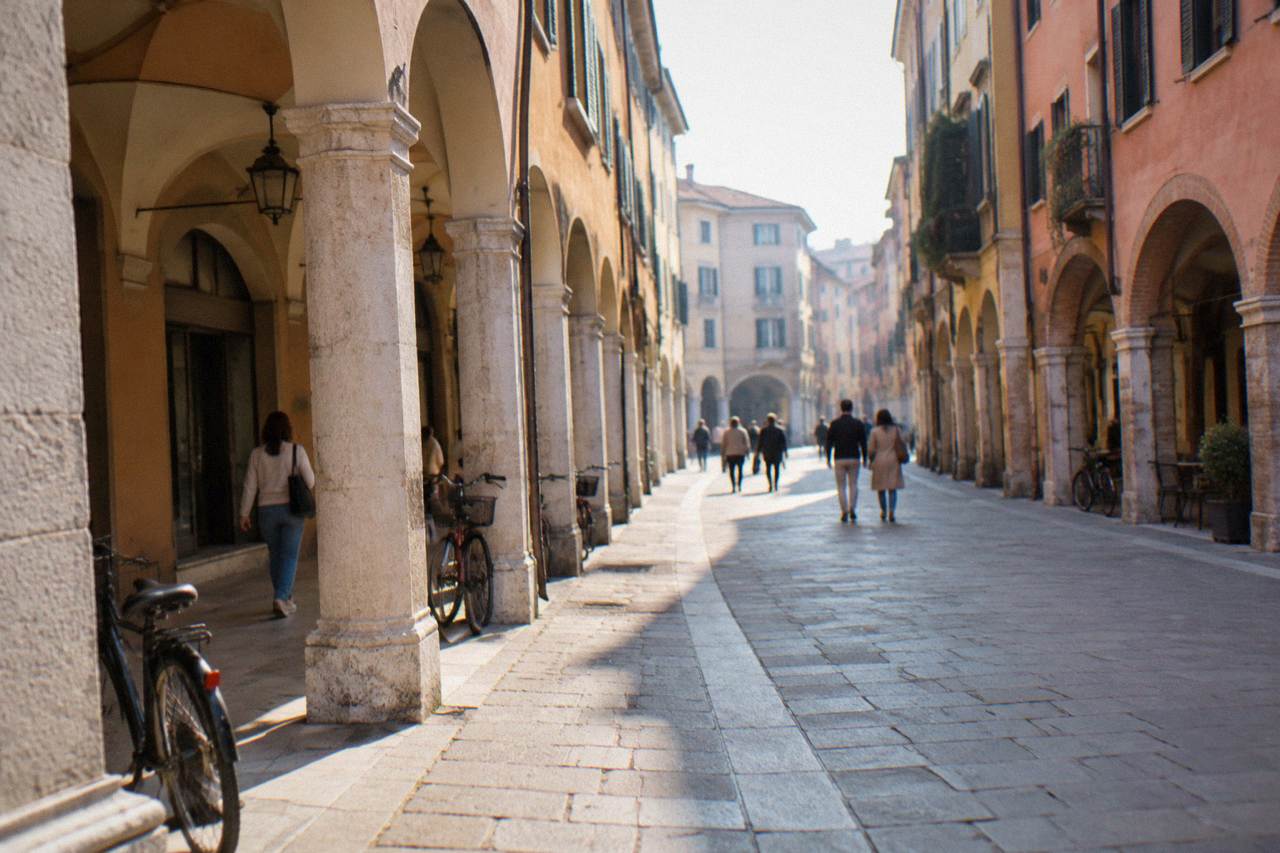
Is Padua walkable? A plain answer from the map and the transport data: how compact the historic centre is, when to hop on a tram, and which sights sit within an easy stroll.
Whether Padua justifies a day away from Venice: train times, the Scrovegni Chapel booking rules, what the city holds, and how to plan the trip.
A clear answer to whether Padua is worth visiting, with what the city offers, its two UNESCO listings, costs, and how it compares with Venice as a base in the Veneto.
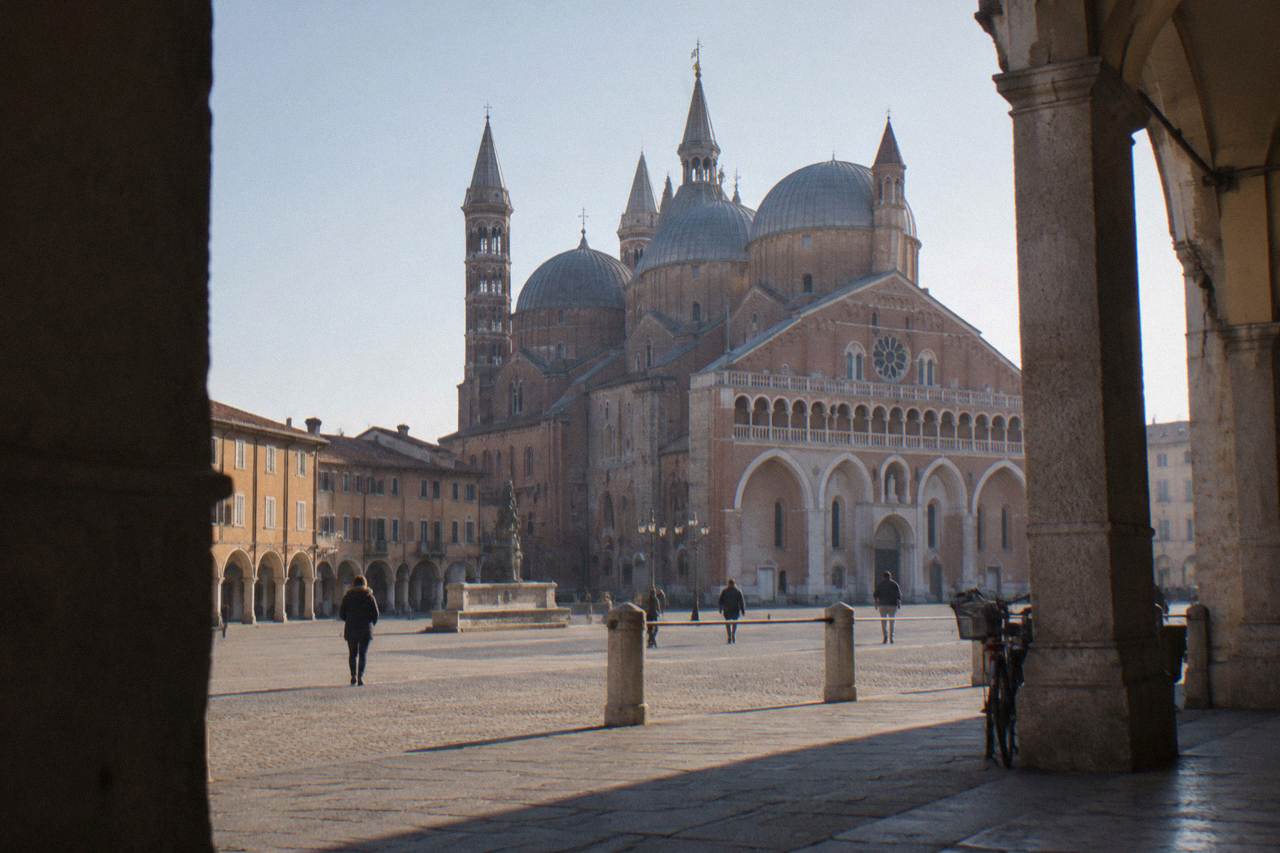
Yes, Saint Anthony is buried in Padua, in the Basilica of Saint Anthony. Where the tomb sits, what the relics are, and how to visit the Santo.
No train serves Venice Marco Polo airport directly, but Padua is an easy EUR 13 airport bus ride away. Here is exactly how the connection works, plus the Mestre station and Treviso airport options.
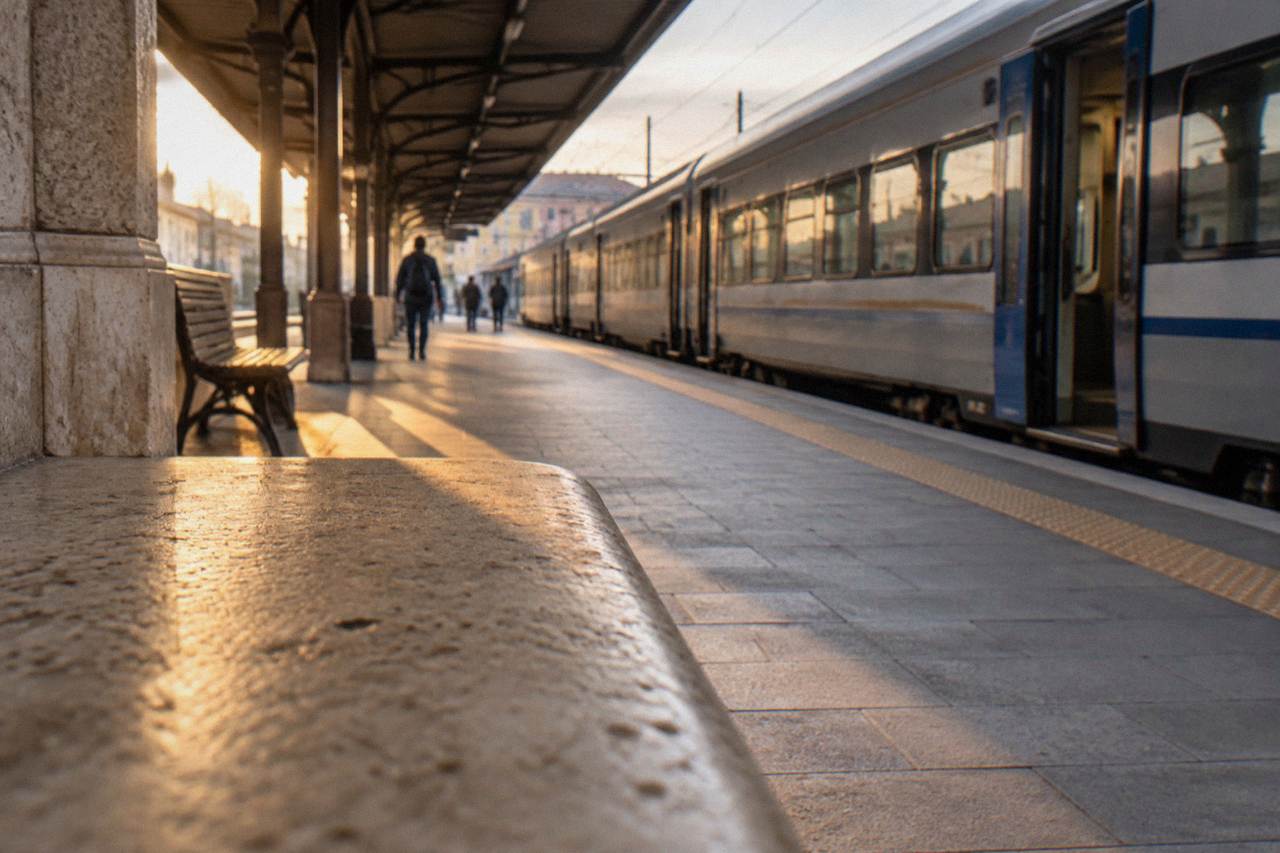
Yes, direct trains link Verona and Padua in about 43 to 60 minutes. Here is what the timetables, stations and connections look like, and how to plan the trip.
Is Vicenza worth a day trip from Padua? A straight answer with current train times, Teatro Olimpico ticket prices, the Vicenza Gold Card options and what a one-day visit covers.
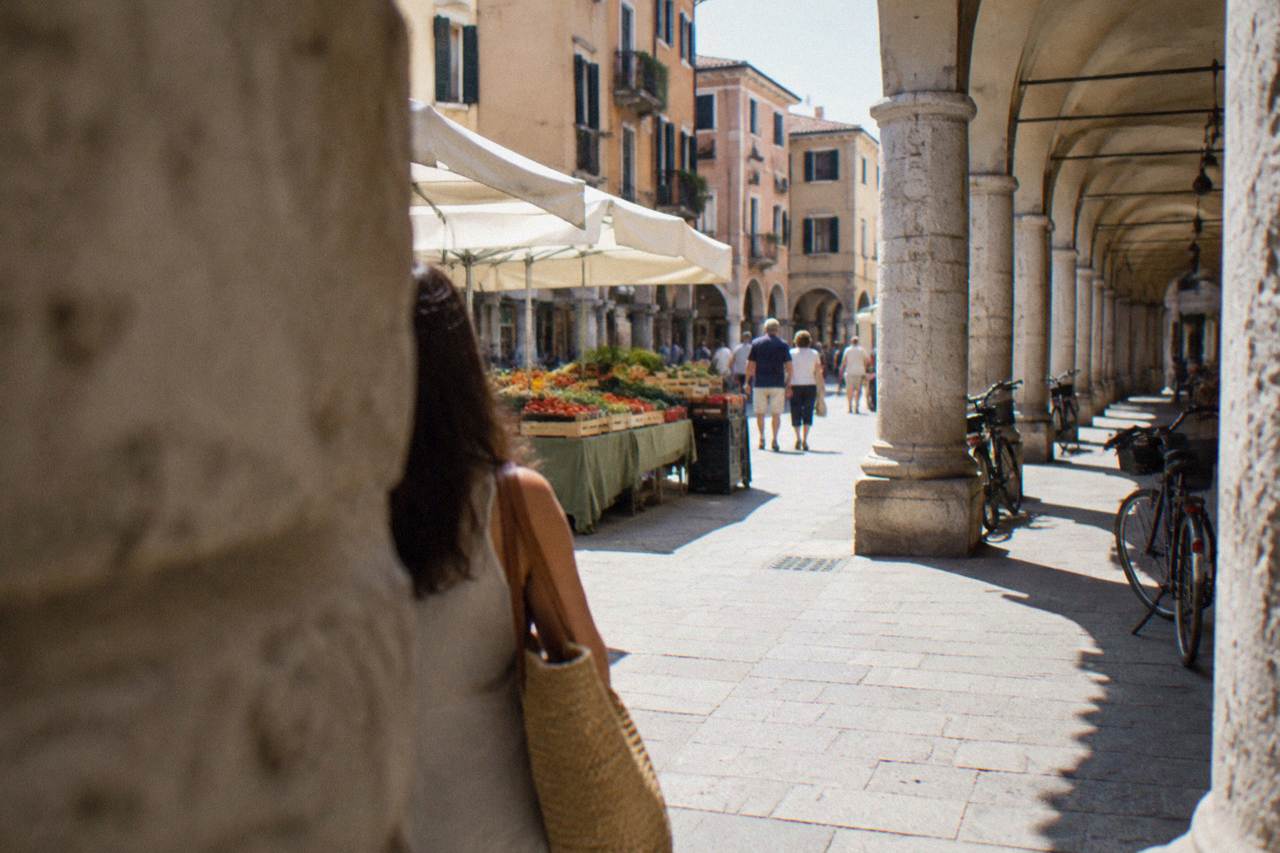
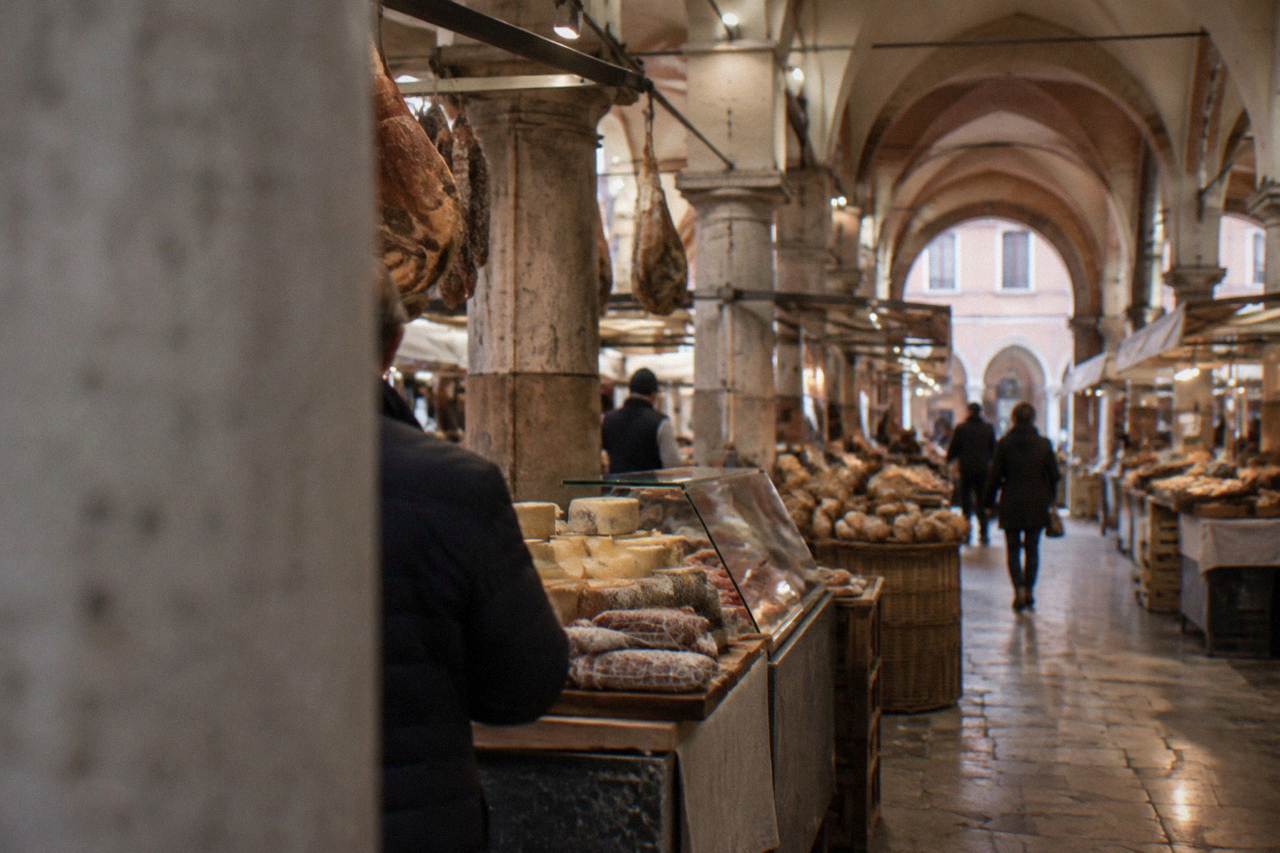
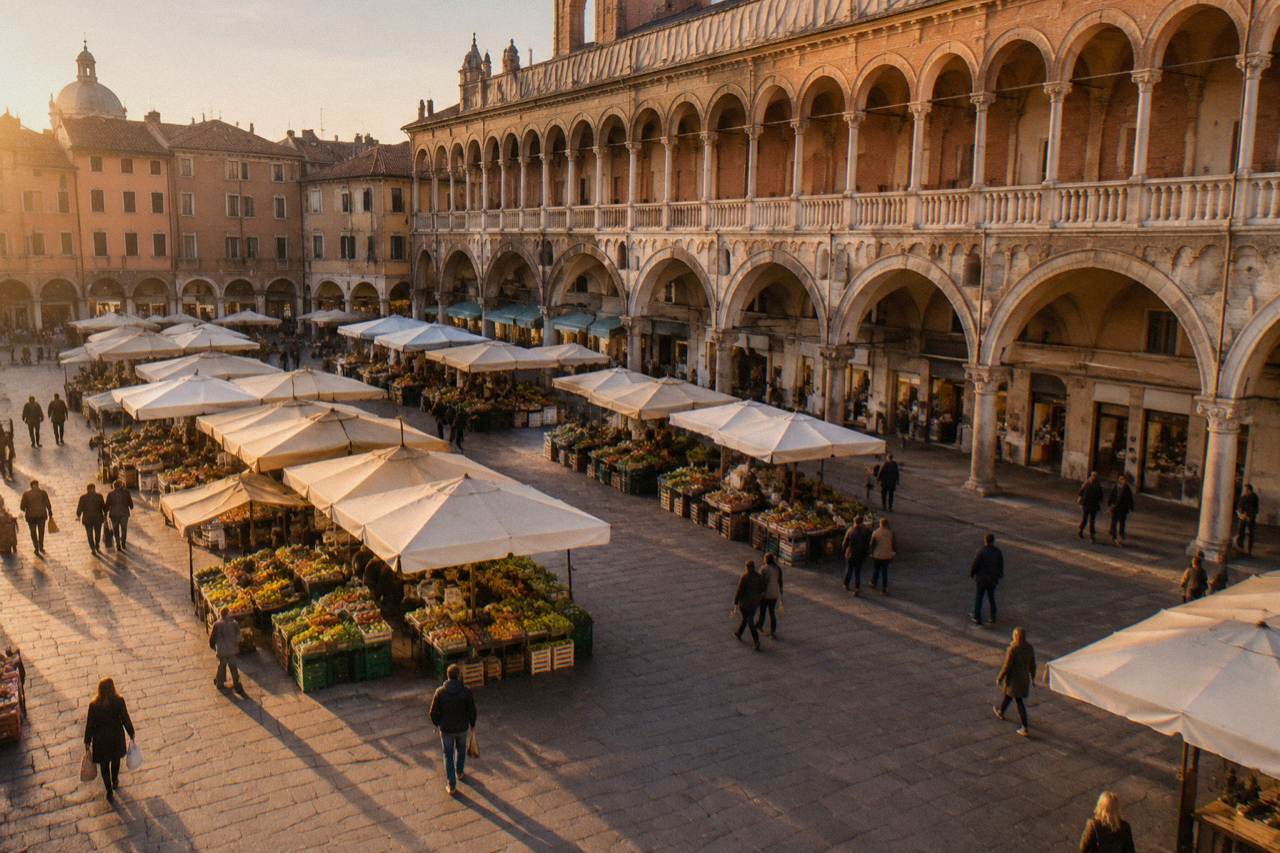
The dishes Padua is known for, from risotto ricco alla padovana and gallina padovana to the mint coffee at Caffè Pedrocchi and the Aperol spritz, with the markets where locals shop.
Padua is famous for Giotto's Scrovegni Chapel, the Basilica of Saint Anthony, one of Italy's oldest universities and two UNESCO listings. Here is what the city is known for.
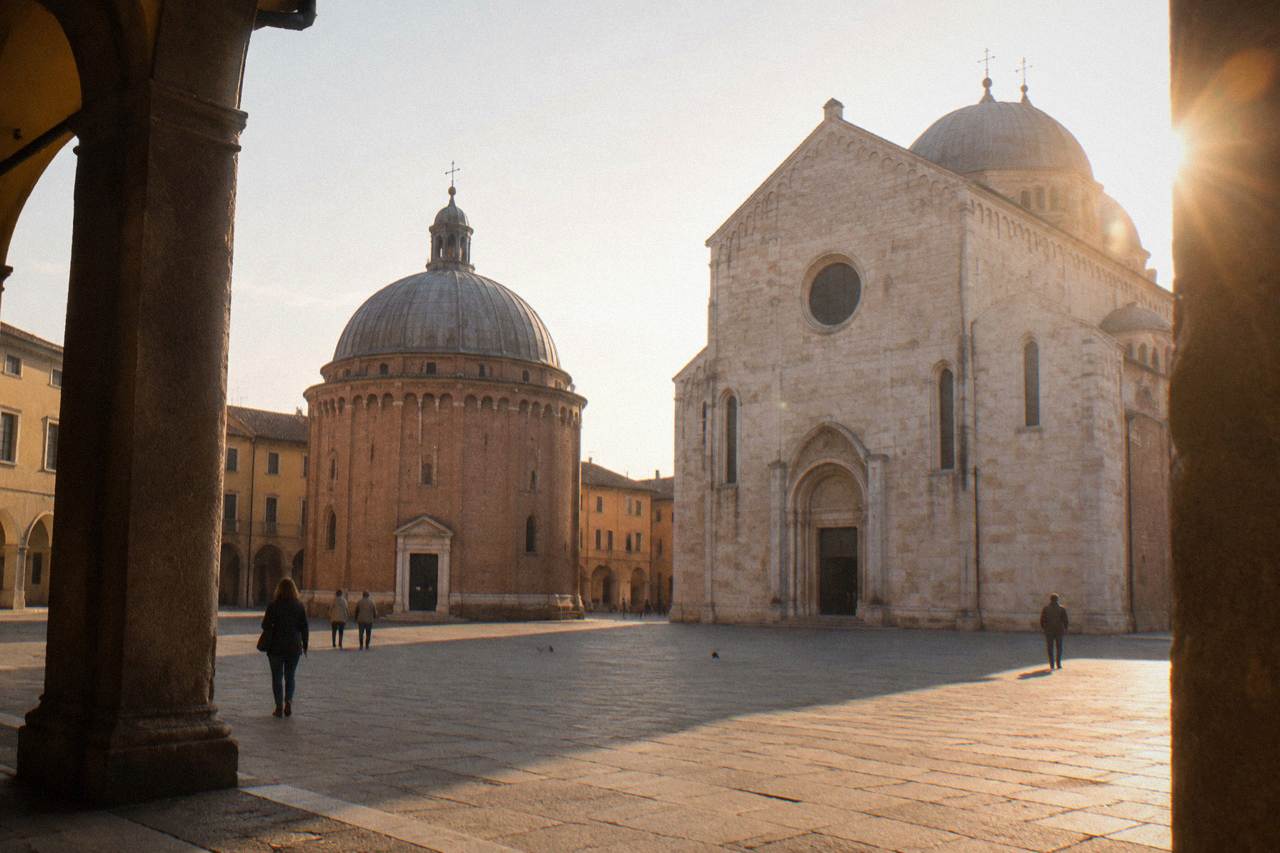
The Baptistery of Padua's Cathedral, frescoed by Giusto de' Menabuoi in the fourteenth century and part of the UNESCO Padova Urbs Picta listing, explained in plain terms.
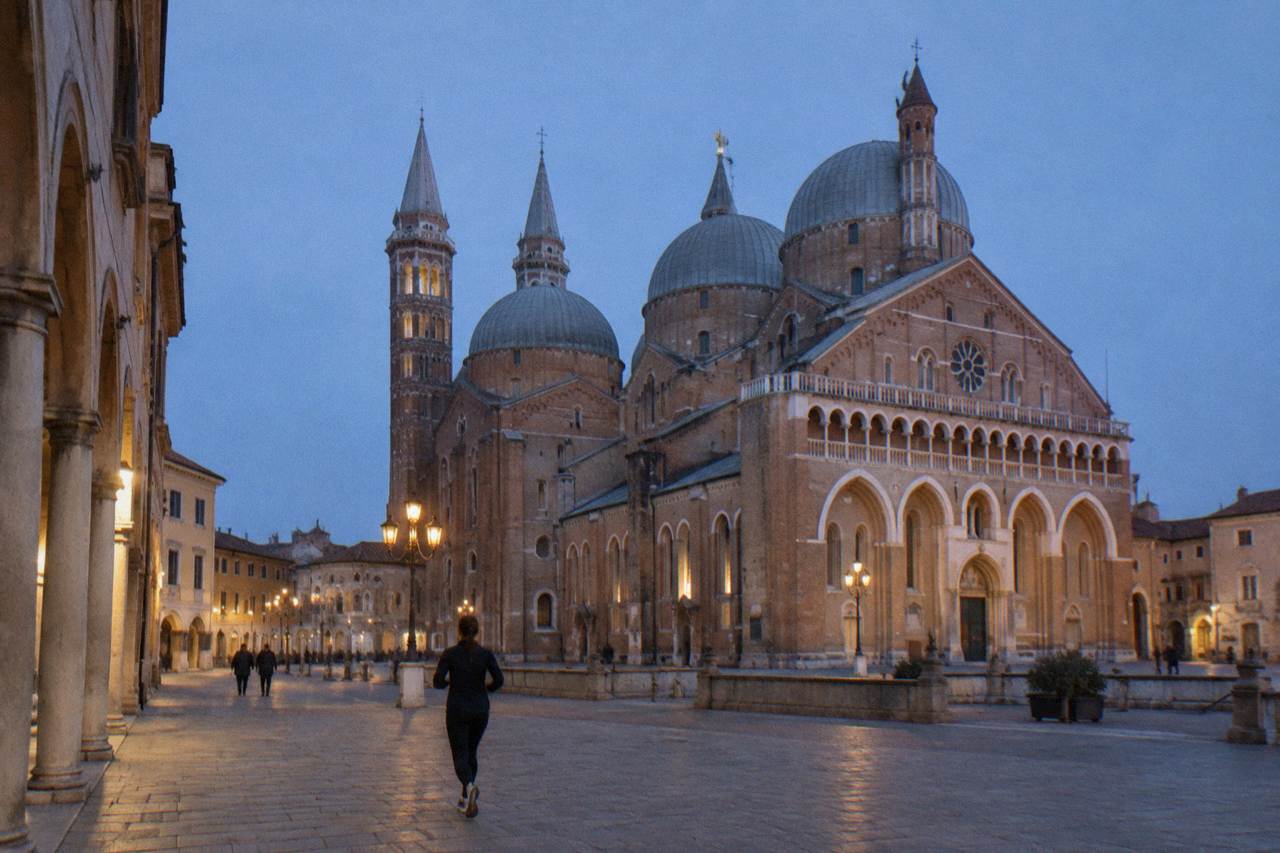
The most famous church in Padua is the Basilica of Saint Anthony, known as the Santo, begun in 1232 and still a pilgrimage destination. Here is what it holds and how it compares with the Scrovegni Chapel.
Italian is the language of Padua (Padova), in the Veneto, with a local Veneto dialect alongside it. A clear answer for visitors, plus names, phrases and practical context.
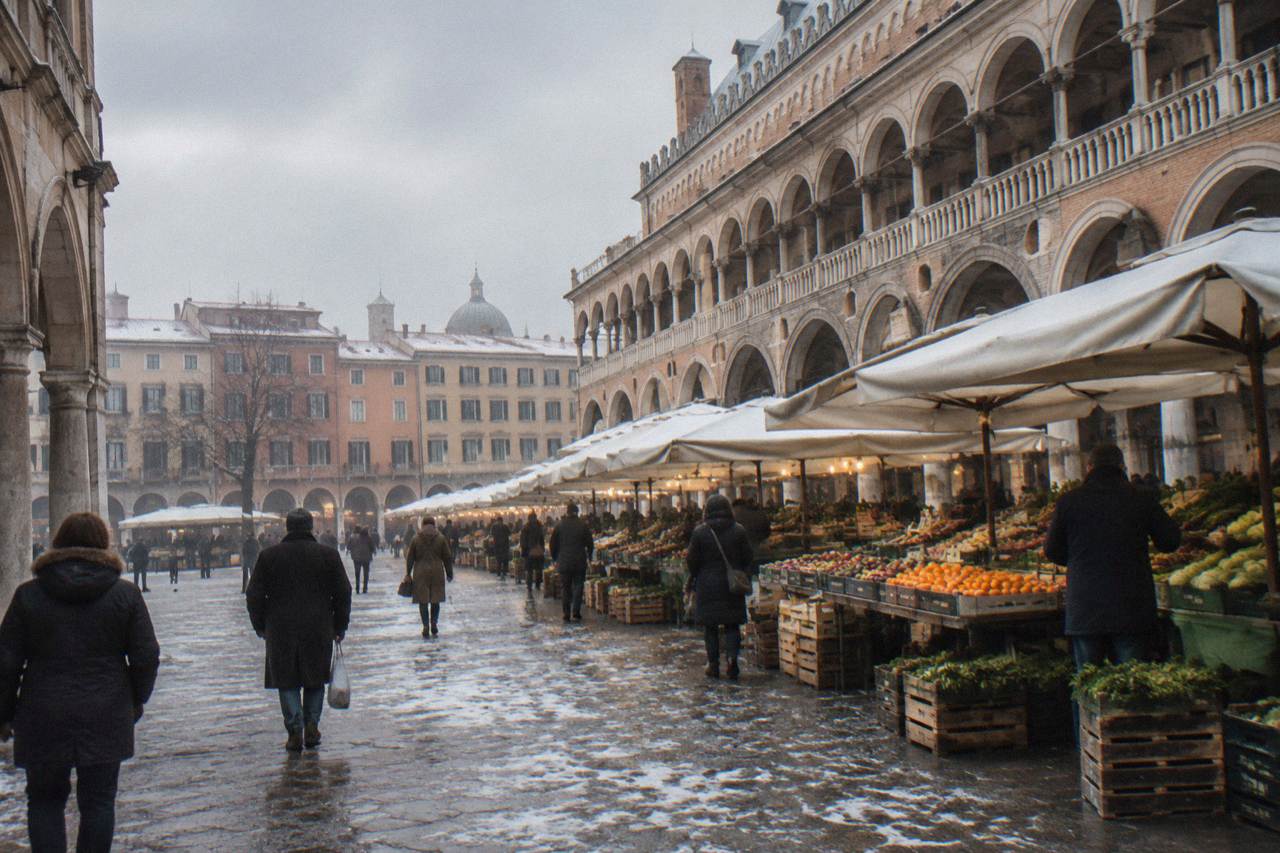
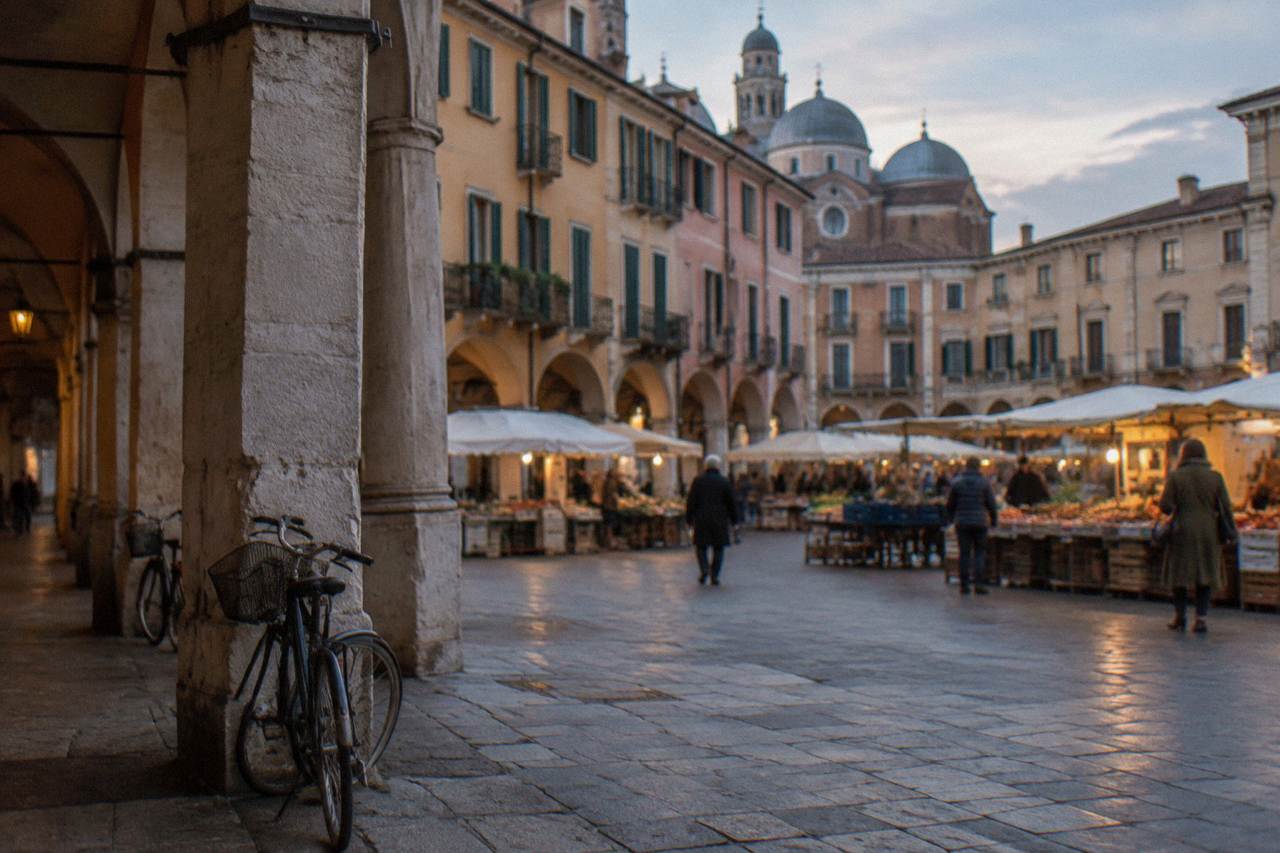
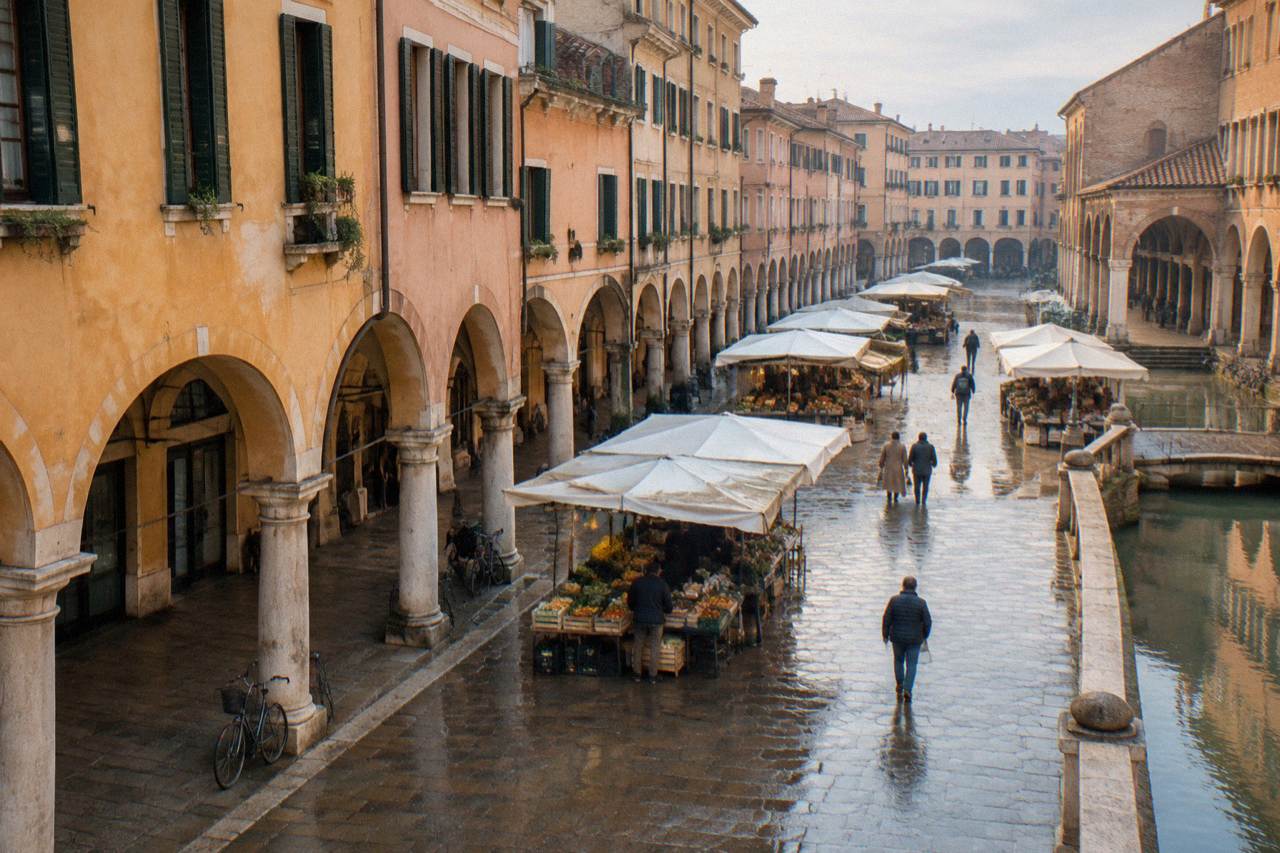
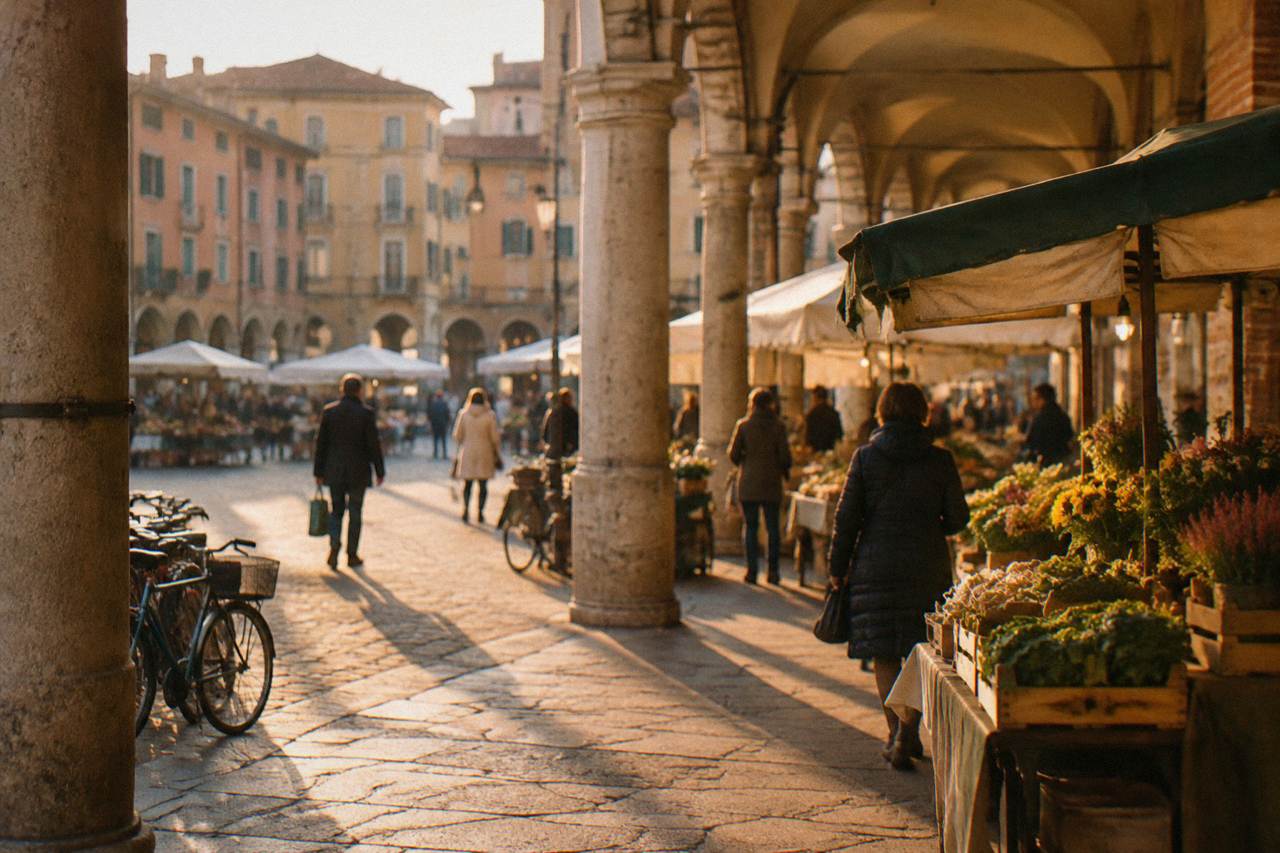
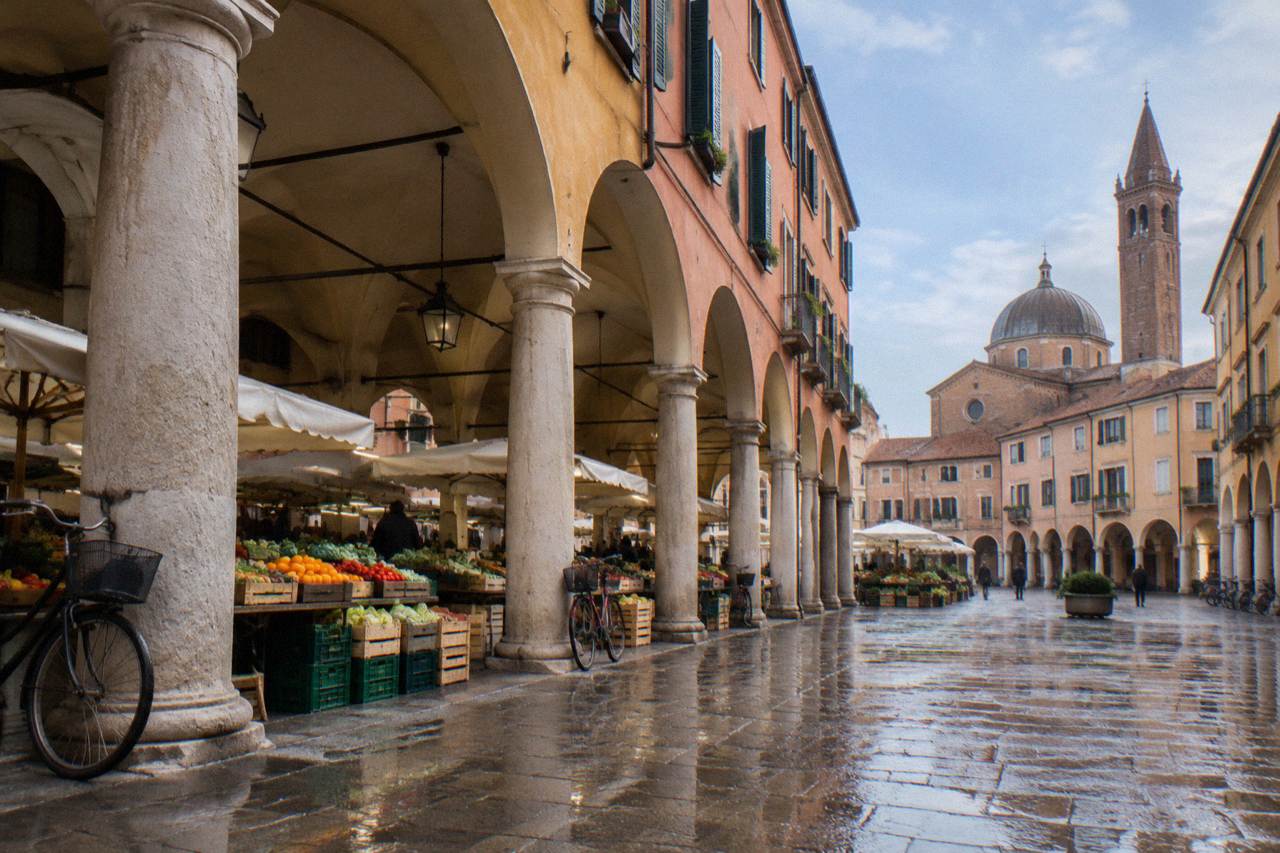
What to buy in Padua: the market stalls of Piazza delle Erbe and Piazza della Frutta, Sotto il Salone, local food products, Euganean Hills wine and olive oil, and spritz gifts.
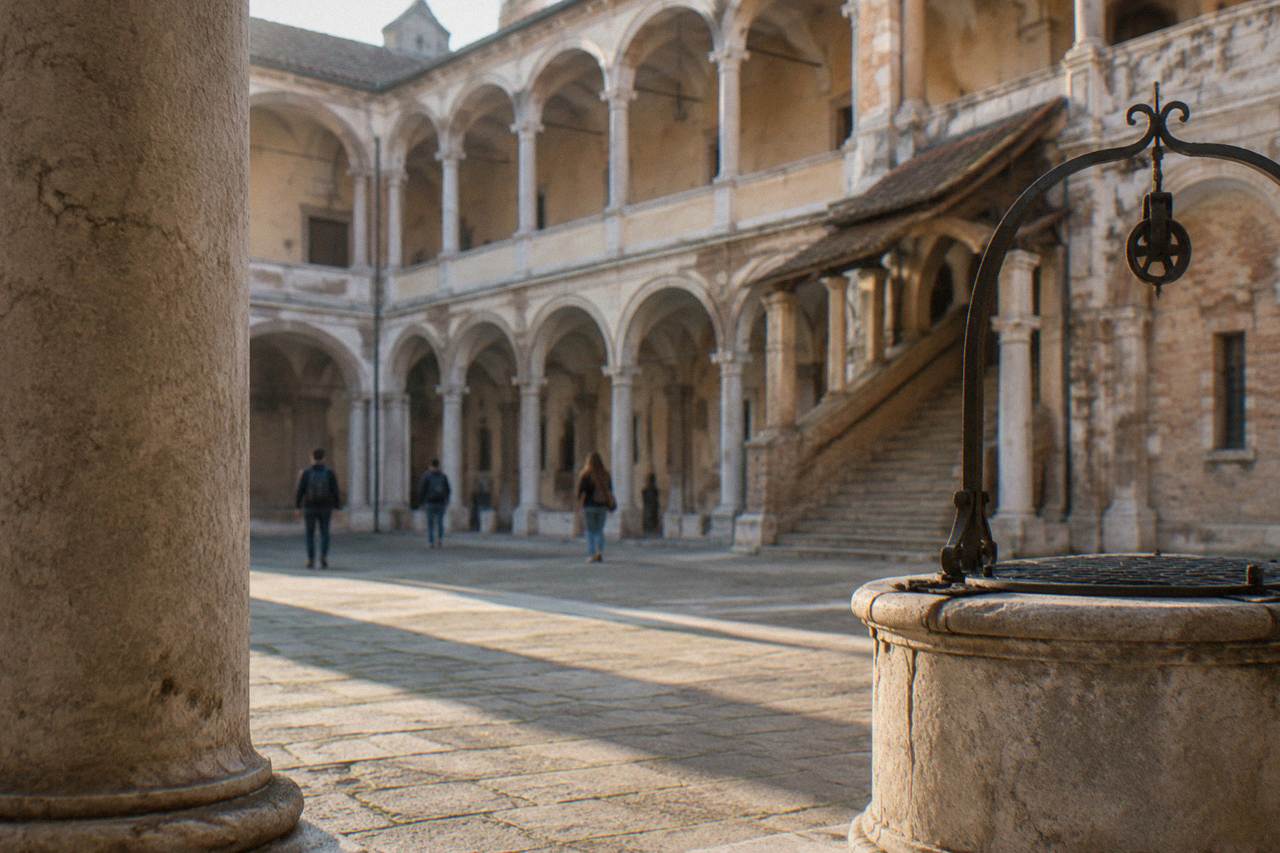
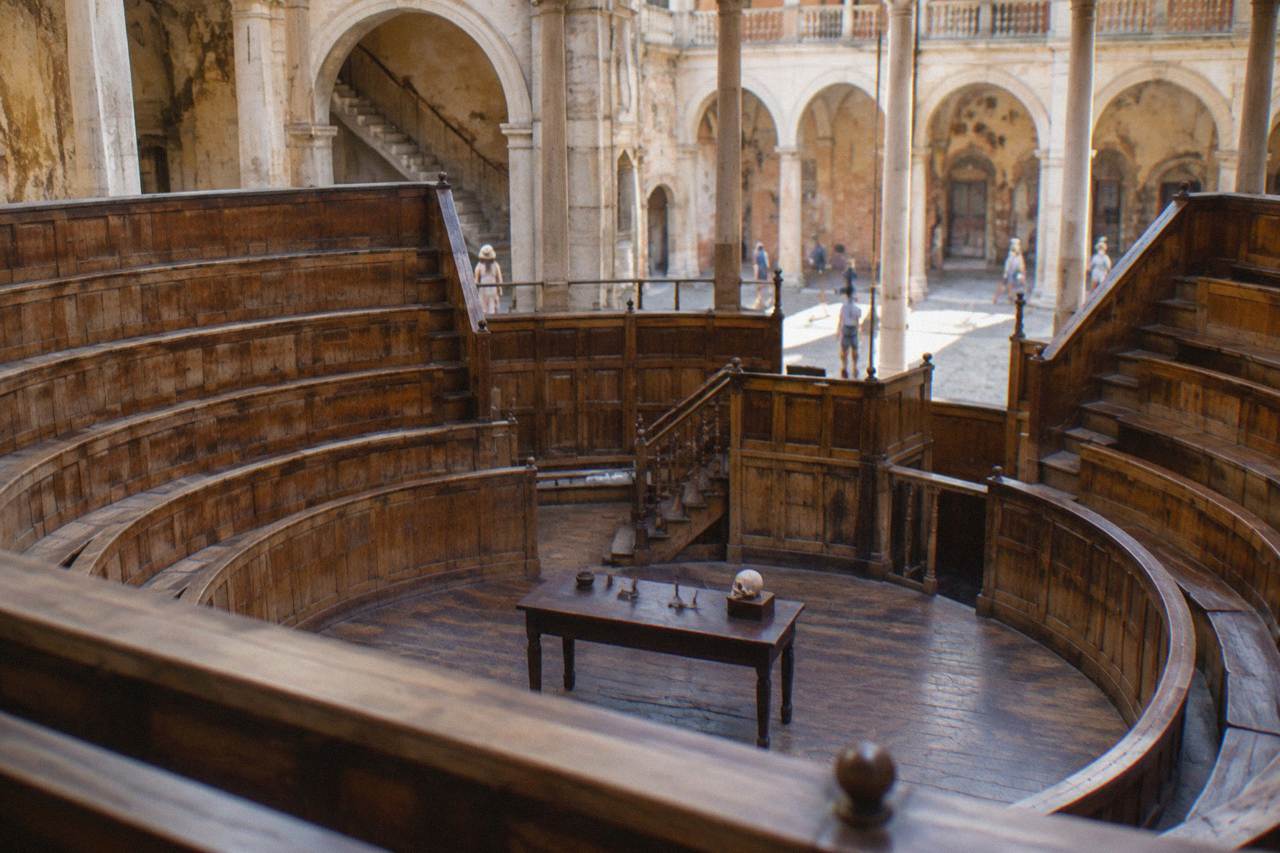
Anatomical theatres were purpose-built rooms for public dissection in early modern universities. Padua, in the Veneto, built the first permanent one in 1594, and you can still see it inside Palazzo del Bo.
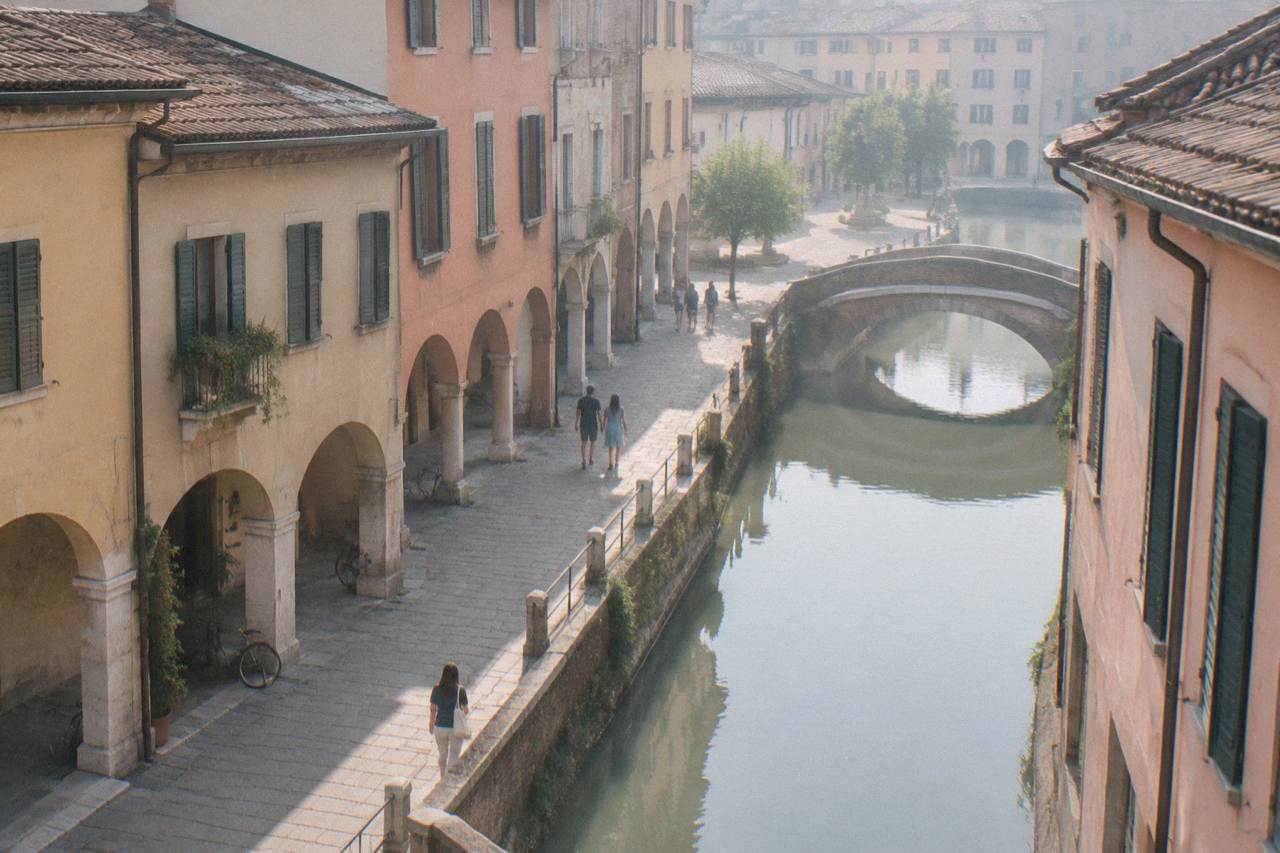
Padua (Padova) is an inland city in the Veneto, northern Italy, about 36 km from Venice. Where it sits, how to get there, and what surrounds it.
An honest comparison of Verona and Padua from a Padua-based guide: frescoes, trains, ticket prices and which traveller each Veneto city suits.
Enrico Scrovegni paid for the Arena Chapel in Padua, buying the land in 1300 and hiring Giotto for the frescoes of 1303 to 1305. Here is what the sources say about the man and his money.
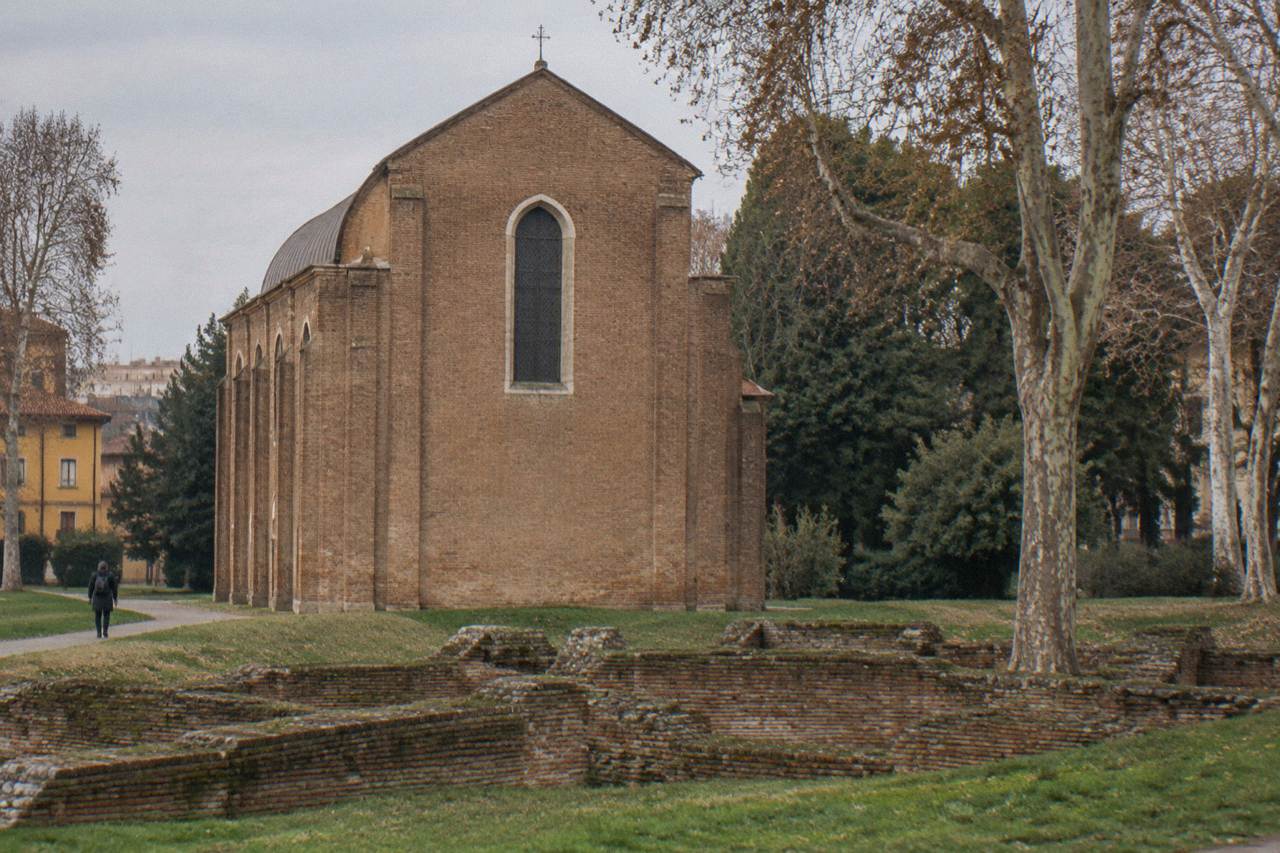
The Scrovegni Chapel in Padua stands on the site of the city's Roman amphitheatre, and that buried arena gave the chapel its second name. Here is what the sources say about the arena, the Scrovegni family and the visit itself.
The Scrovegni Chapel in Padua holds Giotto's fresco cycle of 1303 to 1305, the core of the UNESCO Padova Urbs Picta listing. Here is why it matters and how to visit.