How Do Italians Say "Padua"?
Italians say Padova, the Italian name of Padua, a city in the Veneto in northern Italy. How to pronounce it, where each name is used, and which one to say when you visit.
Italians say "Padova", with the stress on the first syllable: PA-do-va. That is the Italian name of the city English speakers call Padua, an inland city in the Veneto region of northern Italy, about 36 km in a straight line from Venice and famous for Giotto's frescoes in the Scrovegni Chapel, the Basilica of Saint Anthony and a university founded in 1222. "Padua" is not a different place, a district or a translation error: it is simply the English form of the same name, the way "Rome" is the English form of Roma. The two names sit on the same maps, the same train tickets and the same road signs, and this page explains which one you will encounter where.
The question comes up more often than you might expect, and for a practical reason. Travellers arriving from Venice or the airports at Venice Marco Polo and Treviso see only the Italian spelling from the moment they land, while everything they read beforehand, in English, said "Padua". The gap between the two can produce a flicker of doubt at the ticket machine: is Padova the same city I planned to visit? It is, and the rest of this page lays out exactly how the two names divide the work between them.
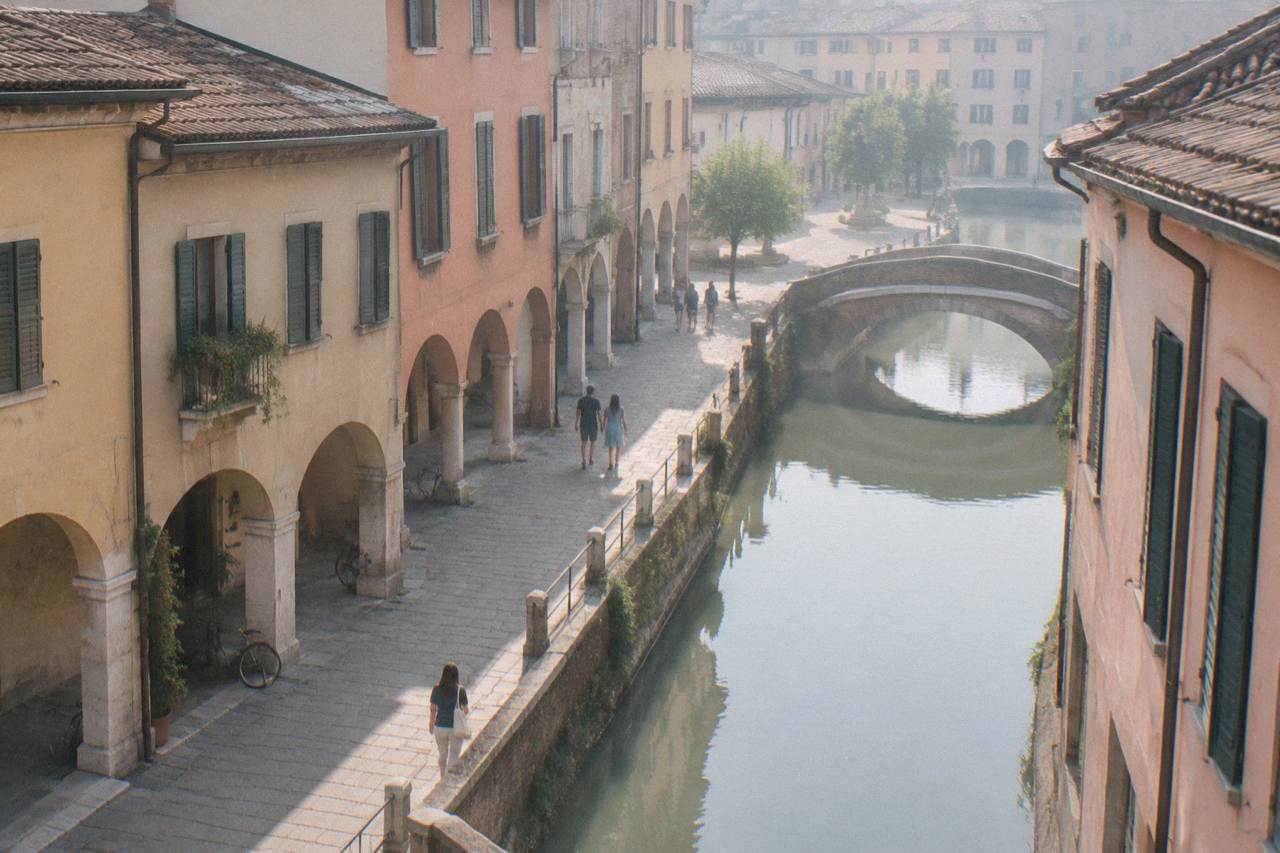
How Do Italians Say "Padua"?
Italians say "Padova", pronounced PA-do-va with the stress on the first of three syllables. "Padova" is the city's official Italian name, used on road signs, train timetables and every address in the city, while "Padua" is the English name for the same place, an inland city in the Veneto in northern Italy. Nobody in Italy calls the city "Padua" in Italian conversation, because that form belongs to the English language.
The distinction is purely linguistic, not geographic or administrative. The municipality's own web pages, the university's official site and the tourism board's domain all use the Italian form. The city's institutions write "Padova" when they write in Italian and "Padua" when they publish in English, so both spellings come from the same official sources, each aimed at a different language. There is no border between a "Padua" part of town and a "Padova" part, and no moment on the ground where you have to choose one name to be understood.
Pronunciation rarely causes trouble. Italian is written largely as it sounds: the letters PA-DO-VA each keep their plain Italian value, with a clean "d" in the middle and no glide in the final vowel. English speakers who say "pa-DO-va", stressing the middle syllable, will still be understood everywhere in the city; the stress simply belongs on the first syllable. The final "a" stays open, closer to the "a" in "father" than the "uh" English speakers often let endings fall into.
Where You Will See Each Name In Padua
In the city itself you will almost only ever see "Padova": the railway station is signed Padova, the university is the Università degli Studi di Padova, and local web addresses such as the tourism board's domain use the Italian spelling. "Padua" appears mainly on English-language material published for foreign readers, including English pages of official sites and international guidebooks.
The pattern is consistent across every official source. The chapel's own booking site is cappelladegliscrovegni.it, the city council is comune.padova.it, and trains on the Venice to Milan line stop at Padova, never at "Padua". When you book a train, search for "Padova" or "Padua" depending on the language of the site you are using: Trenitalia's Italian interface expects the Italian form, while English interfaces accept either and return the same station. The regional train to Venice Santa Lucia takes about 26 to 40 minutes, and the destination board in Padua lists it as Venezia, the same double-name logic working in the opposite direction.
Museum tickets follow the rule too. The Scrovegni Chapel's daytime ticket, EUR 15 full price plus a EUR 1 booking fee per the museums' own price list, is sold on Italian-language pages that speak of Padova, and on English pages that speak of Padua, for the same 15 minutes inside the chapel either way. The name on the receipt and the name in the guidebook differ, and nothing else does.
| Where you are looking | Name you will see | Notes |
|---|---|---|
| Road signs and city limits | Padova | Standard Italian spelling on all official signage |
| Railway station and timetables | Padova | The station on the Venice to Milan line |
| University publications | Padova | Università degli Studi di Padova, founded 1222 |
| English pages of official sites | Padua | Same institutions, English language |
| English guidebooks and maps | Padua, or both | Many print both forms side by side |
Neither name is wrong, and correcting someone would be misplaced: a reader asking are Padua and Padova the same place gets a single answer, yes. The same applies in reverse for Italians abroad, who say "Padova" even when the English text around them says otherwise. Italian newspapers, weather forecasts and school lessons all use the Italian form without a second thought, in the same way English-language news says "Padua" without pausing to explain it.
A local guide can show where the city's names live on the ground, from the station signs to the university's own walls. The Check availability link beside this article covers a private walking tour of the centre with a local, and it is one of the walks featured in the band below.
How To Pronounce "Padova" Correctly
"Padova" has three syllables, PA-do-va, with the stress on the first syllable and plain Italian vowel sounds throughout: "PA" as in "father", "do" as in "dough", "va" as in "vast". Spoken at normal speed the word takes about one second to say, with no swallowed syllables and no silent letters. English speakers most often shift the stress to the middle syllable, which Italians still understand without difficulty.
| Syllable | Sounds like | Common mistake |
|---|---|---|
| PA | "pa" in "father" | Stressing a different syllable |
| do | "do" in "dough" | Adding an English "oo" glide |
| va | "va" in "vast" | Softening the final vowel to "vah" |
The city also has a local level of language. A Veneto dialect exists in the region, and the tourism board's own pages acknowledge it, though the dialect's details sit outside what official English-language sources describe. Standard Italian is what you will hear and read everywhere in shops, stations and museums, and "Padova" in standard Italian is all a visitor needs. The dialect question interests linguists more than travellers: no sign, ticket or menu in the city requires it, and the language spoken at every counter a visitor approaches is Italian. The wider set of guides lives on Padua Travel Guide.
Why English Says "Padua" And Italian Says "Padova"
"Padua" is the English form of "Padova", built through centuries of Latin and English usage rather than a single act of translation: the Latin name of the Roman city was Patavium, which fed the Italian Padova and, through old English borrowing, the modern English Padua. Both descend from the same root, so the two names are siblings, not rivals, and both are correct in their own language.
Livy, the Roman historian born at Patavium in 59 BC, wrote under the Latin name, and the university's history pages still use "Studium Patavinum" for the institution founded in 1222. The trail from Patavium to Padova runs through everyday Italian; the trail to Padua runs through the writers of medieval and early modern Europe who Latinised and anglicised the name in their own books. English kept the shorter form, and it is now fixed in every major English dictionary and atlas. Shakespeare set The Taming of the Shrew in the city, and English editions of the play name it Padua, one small piece of how the English form took hold.
Other Italian cities carry the same double life, which is why the pattern feels familiar: Rome and Roma, Venice and Venezia, Florence and Firenze, Naples and Napoli, Milan and Milano. Verona and Vicenza, both day-trip destinations from Padua by train, are spelled identically in both languages, which spares travellers one decision. A reader weighing Verona or Padua is comparing two cities whose names behave differently in English.
Which Name Should You Use When You Visit Padua?
Say "Padova" when you speak Italian or address someone in Italian, and "Padua" when you speak English: locals who work with visitors, from station staff to museum ticket desks, deal in both names daily, and switching languages mid-sentence is normal. For searches and bookings, use whichever spelling matches the language of the site, because the Italian form works best on Italian interfaces and the English form on English ones.
Practical situations make the choice for you. A taxi from the airport, a train ticket on an Italian machine and a street question about the Scrovegni Chapel all sit inside an Italian-language frame, so "Padova" fits. An email to an English-speaking hotel, an English guidebook index and this site's own pages sit in an English frame, so "Padua" fits. Nobody expects a visitor to abandon their own language's name for the city; the goal is recognition, and both names deliver it. The tourist information offices, at the station and at Piazza delle Erbe 52, answer questions in both languages, and their staff switch between the two names as easily as they switch between the languages themselves.
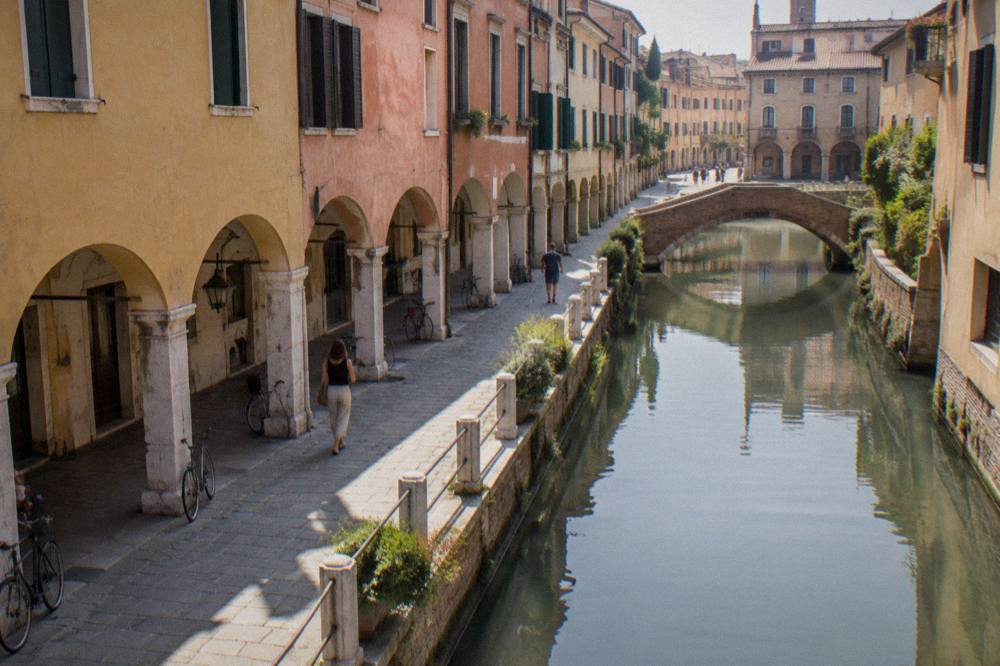
The surrounding region follows the same rule. Abano Terme and Montegrotto Terme, the spa towns about 8 and 11 km away respectively, keep their Italian names in every language, and Arqua Petrarca, about 20 km away in the Euganean Hills, is sometimes written Arquà with an accent in English text. Venice, about 36 km away in a straight line, is the region's clearest parallel: Venezia to Italians, Venice to English speakers, and the same city either way. For the wider picture, where Padua sits in Italy settles the geography, and how many days you need in Padua settles the calendar.
Planning tools reward the double spelling. Search engines and booking sites return results for both "Padua" and "Padova", sometimes with slight differences, so a search for what Padua is famous for in English and a station search for "Padova" in Italian together cover more ground than either alone. The city's two UNESCO listings, the Orto Botanico inscribed in 1997 and the fourteenth-century fresco cycles of Padova Urbs Picta inscribed in 2021, appear under both spellings across official and unofficial pages, another reason to keep both in your search vocabulary.
Common Questions About Saying "Padua"
How Do Italians Say "Padua"?
Italians say "Padova", stressed on the first syllable: PA-do-va. It is the Italian name of the city English calls Padua, in the Veneto in northern Italy, and both names refer to exactly the same place.
Is "Padua" or "Padova" the correct name?
Both are correct. "Padova" is the official Italian name, used on all Italian signage and documents, and "Padua" is the standard English name for the same city, used in English dictionaries, atlases and official English-language pages.
What did the Romans call Padua?
The Latin name was Patavium. The Roman historian Livy was born there in 59 BC, and the university founded in 1222 uses the Latin form Studium Patavinum in its own historical pages.
Will people understand me if I say "Padua" in Italy?
Yes. Station staff, museum desks and anyone working with visitors deals with both names daily. Saying "Padova" in an Italian sentence simply matches the language around you.
Does a local dialect have its own name for the city?
A Veneto dialect exists in the region and the tourism board's pages acknowledge it, but official English-language sources do not detail its forms. Standard Italian "Padova" is what a visitor hears and needs.
Which spelling should I use to book trains?
Use "Padova" on Italian-language interfaces and either spelling on English ones: both return the same station on the Venice to Milan line. The name on the platform and the departure boards is Padova.
The short version: "Padova" is the name on the signs, "Padua" is the name in English, and the city behind them is one place, arcades, frescoes and all.
