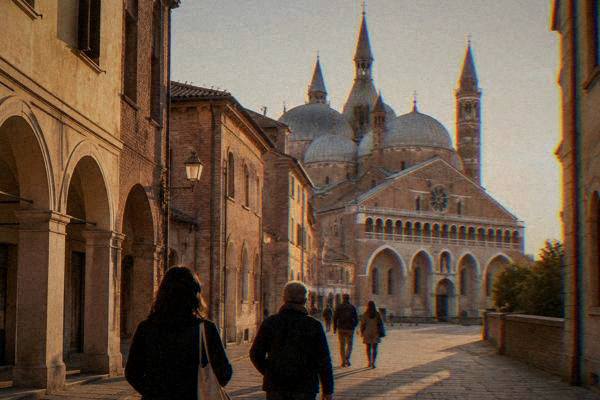
Basilica Of Saint Anthony: The Santo, The Tomb And The Cloisters
The Basilica of Saint Anthony in Padua, known locally as the Santo, holds the tomb of one of the Catholic Church's most widely venerated saints, is free to enter, and anchors a whole quarter of cloisters, squares and museums at the edge of Padua's historic centre.
Short answer
The Basilica of Saint Anthony (the Santo) in Padua has free entry, holds the tomb of Saint Anthony and the Chapel of the Relics, is part of the city's UNESCO fresco listing, and sits on Piazza del Santo beside Donatello's Gattamelata statue and the vast Prato della Valle.
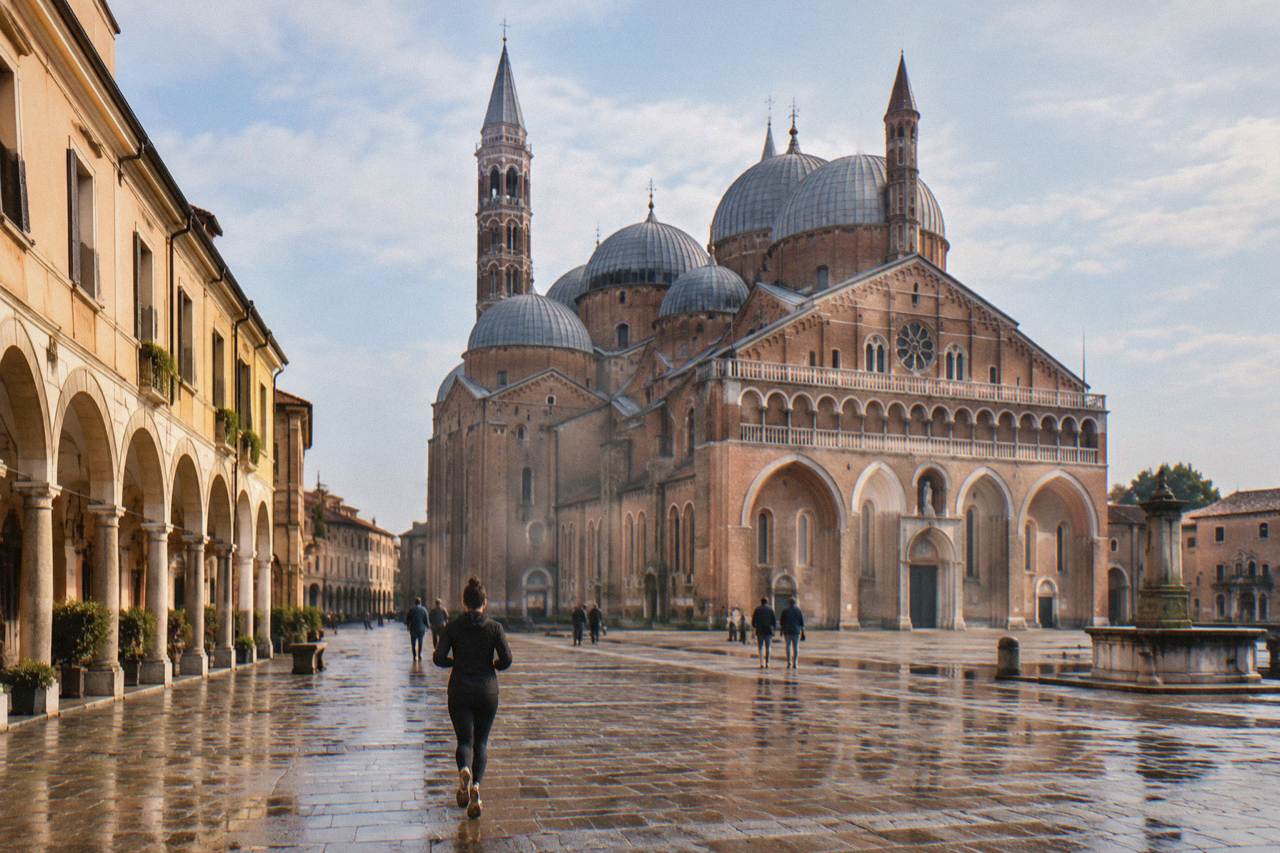
The Basilica of Saint Anthony in Padua, in the Veneto region of northern Italy, is the city's great pilgrimage church, a building with an eastern profile of domes and bell towers that rises at the southern edge of the historic centre, about 36 km in a straight line from Venice and roughly a twenty-minute walk from the Scrovegni Chapel through Padua's arcaded streets. Locals and pilgrims call it simply the Santo, and around it sits a whole quarter: the square of Piazza del Santo with Donatello's equestrian Gattamelata statue, the Oratory of San Giorgio with its fourteenth-century frescoes, the cloisters of the Franciscan convent, and beyond them the enormous oval of Prato della Valle. This page from the Padua Travel Guide editorial desk gathers what the basilica's own channels, the UNESCO listing documents and the city's museum pages report about the church, what you can see inside, the annual feast that fills the city each June, and how the Santo fits into a day in Padua alongside the Scrovegni Chapel and the other sights of the centre.
What Is The Basilica Of Saint Anthony In Padua?
The Basilica of Saint Anthony, called the Santo, is Padua's principal pilgrimage church, begun in 1232, one year after the death of Saint Anthony on 13 June 1231, and it is one of the eight building complexes that make up Padua's UNESCO World Heritage fresco listing, Padova Urbs Picta, inscribed in 2021. Entry is free, the church holds the saint's tomb and the Chapel of the Relics, and it stands in a quarter of cloisters and squares at the southern edge of the old centre.
The basilica is a votive church: construction began in 1232, after the death of the saint in nearby Arcella on 13 June 1231, and the building grew over the following decades into the form seen today, a mix of Romanesque mass at the facade and Byzantine-inspired domes toward the apse. The UNESCO listing "Padova Urbs Picta", inscribed 24 July 2021, covers eight complexes of fourteenth-century frescoes in Padua's old centre, and the Basilica and Convent of Sant'Antonio is one of them, alongside the Scrovegni Chapel, the Church of the Eremitani, Palazzo della Ragione, the Chapel of the Reggia Carrarese, the Baptistery of the Cathedral, the Oratory of San Giorgio and the Oratory of San Michele.
What that means in practice is that the Santo belongs to two itineraries at once. Pilgrims come for the tomb and the relics in the two chapels near the apse; art travellers come because the church is a stop on a fresco route that spans the whole historic centre and includes Giotto's cycle in the Scrovegni Chapel, painted between 1303 and 1305. The basilica sits at one end of a walk that can continue past the Oratory of San Giorgio, essentially next door, across Prato della Valle, and north through the medieval streets to Piazza delle Erbe and Palazzo della Ragione, Padua's great market halls.
Who Was Saint Anthony Of Padua?
Saint Anthony of Padua died in Padua on 13 June 1231 at Arcella, on the city's northern edge, and was canonised within a year of his death; construction of the basilica that holds his tomb began in 1232. He is one of the most venerated saints in the Catholic Church, and the annual feast on 13 June, with the Tredicina running the thirteen days before it, is the largest religious event in Padua's calendar.
The name is a small geographical irony worth knowing before you arrive: Anthony was Portuguese, born in Lisbon, and his connection to Padua comes from the final period of his life, when he taught and preached in the city and died at Arcella on 13 June 1231. The city claimed him, and the church begun in 1232 became his tomb church. The Tredicina, the thirteen days of preparation before the feast, ran from 31 May to 12 June in 2026, with the feast day itself on 13 June, per the basilica's own site, santantonio.org, which publishes the programme each year. The feast is an annual event, and no 2027 dates had been announced; check the basilica's own site for the coming edition.
Pilgrimage to the Santo runs through the whole year, not only in June. The two focal points inside the church are the Chapel of Saint Anthony, which holds the tomb itself, and the Chapel of the Relics, both near the apse. The basilica's regulation asks for a dress code suitable for a church environment, and visitors are asked to respect services in progress: hours change around functions, so check the basilica's own site before setting out.
| Key dates for the Santo | Year or date | Source basis |
|---|---|---|
| Death of Saint Anthony, Arcella, Padua | 13 June 1231 | The basilica's own site |
| Construction of the basilica begins | 1232 | Reported, historical sources |
| Tredicina 2026 (latest edition) | 31 May to 12 June 2026 | santantonio.org |
| Feast of Saint Anthony 2026 | 13 June 2026 | santantonio.org |
| UNESCO listing including the basilica | 24 July 2021 | UNESCO decision record |
For travellers who want the June experience with the frescoes too, June also carries the Sherwood Festival, which ran 10 June to 12 July in 2026, and the city fills with processions, markets and pilgrim groups; the feast of Saint Anthony guide covers the Tredicina in detail.
What Can You See Inside The Santo In Padua?
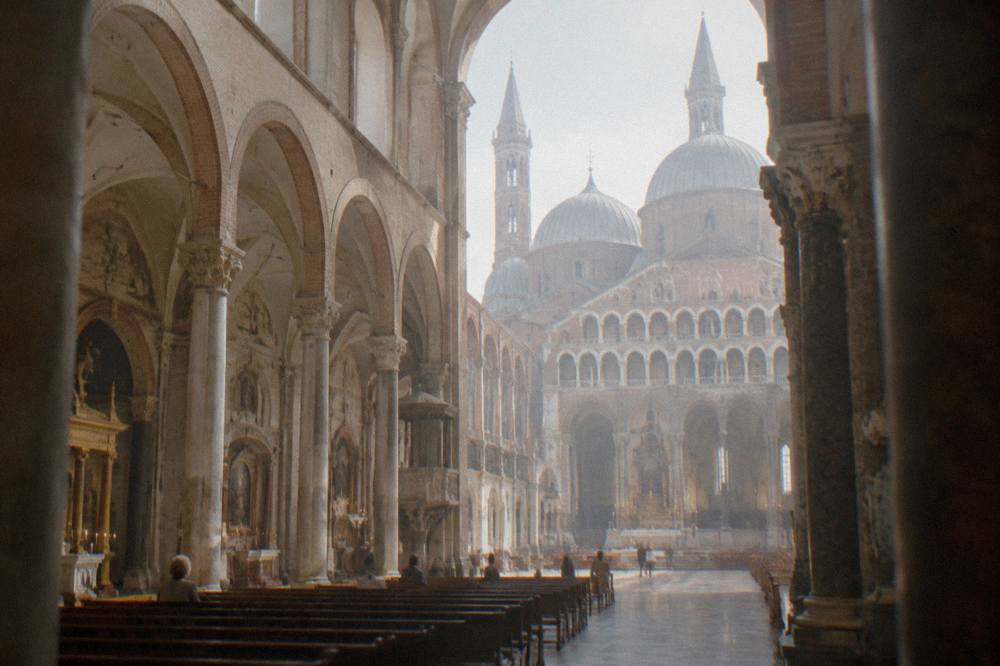
Inside the Basilica of Saint Anthony in Padua the two focal points are the Chapel of Saint Anthony, which holds the saint's tomb, and the Chapel of the Relics near the apse; entry is free, a dress code suitable for a church applies per the basilica's own regulation, and Donatello's high altar stands at the centre of the church as one of the major Renaissance ensembles in northern Italy, with his Gattamelata equestrian statue in the square outside.
The interior is a broad, dark-stone space with a nave and aisles, side chapels and a crossing beneath domes. The tomb chapel is the devotional heart: pilgrims file past the marble tomb, leave notes and light candles, and the queue for the tomb moves through the ambulatory at the apse end. The Chapel of the Relics sits nearby. Beyond the two chapels, the reported highlights of the nave are Donatello's high altar ensemble at the crossing, and, in the square outside, the Gattamelata, Donatello's equestrian monument to the condottiero Erasmo da Narni, which stands on a pedestal in Piazza del Santo a short walk from the facade.
Reported details should be confirmed on the basilica's own site, santantonio.org, which publishes current visiting information and service times. The basilica's opening hours vary around religious functions, and no walk-up ticket is needed: entry is free. If you want the church explained rather than simply visited, a guided option such as the Exclusive Padua Tour: Scrovegni Chapel, Basilica & Highlights covers the basilica together with the Scrovegni Chapel and the centre in one booked walk; Check availability on the operator's live listing.
Is The Basilica Of Saint Anthony In Padua Free To Visit?
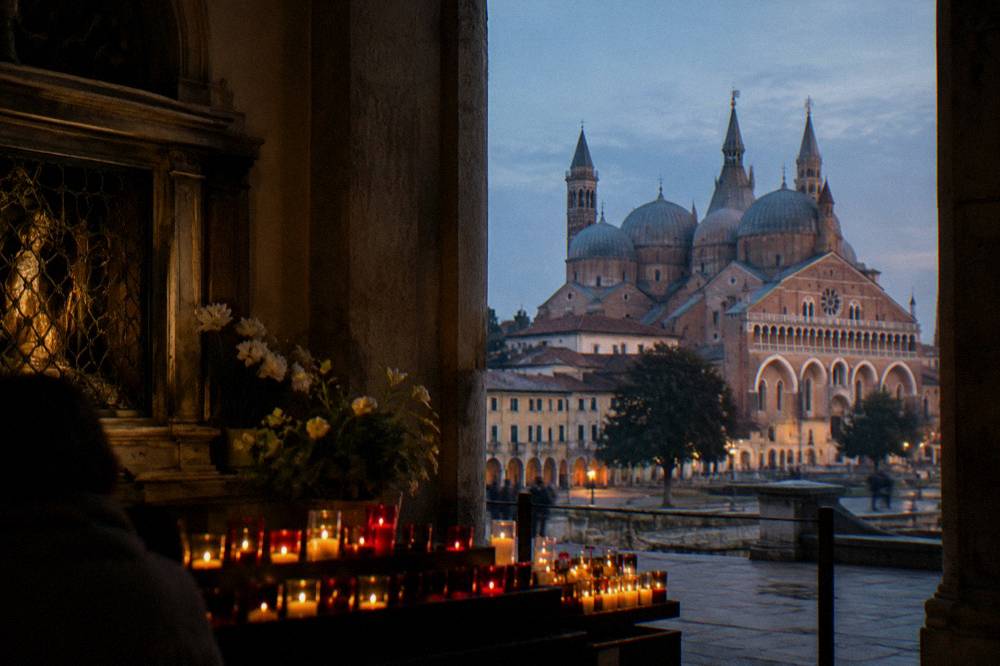
Yes, entry to the Basilica of Saint Anthony in Padua is free, per the UNESCO fresco route's own visitor page for the basilica. There is no ticket desk for the church itself; donations are customary at pilgrimage churches. The only costs that can attach to a visit are for guided tours that include the Santo, and for the other ticketed museums nearby, such as the Scrovegni Chapel and the Orto Botanico, which have their own prices.
The free entry is worth planning around, because the Santo sits in a corner of Padua where the paid sights are concentrated. The Scrovegni Chapel, about a twenty-minute walk north, is timed entry only, with a full daytime ticket at EUR 15 plus a EUR 1 booking fee that also covers the Musei Civici Eremitani and Palazzo Zuckermann, booked in advance with a fixed fifteen-minute slot. The Orto Botanico charges EUR 15 full price from 1 September 2026. Palazzo del Bo, the historic university building, runs a guided "Giro storico" at EUR 10 full. A realistic Padua day can therefore pair a free morning at the Santo with one or two paid slots in the afternoon.
| Sights around the Santo | Entry | Notes from the official pages |
|---|---|---|
| Basilica of Saint Anthony | Free | Tomb and Chapel of the Relics; dress code suitable for a church |
| Oratory of San Giorgio | Part of the Urbs Picta circuit | Fourteenth-century frescoes, beside the basilica |
| Prato della Valle | Free open space | Canal, double ring of statues, Saturday market |
| Scrovegni Chapel | EUR 15 full plus EUR 1 booking | Timed entry, 25 people every 15 minutes, booked ahead |
| Musei Civici Eremitani | Included in the Scrovegni daytime ticket | Open 9:00 to 19:00 per padovamusei.it |
| Orto Botanico | EUR 15 full from 1 Sept 2026 | Winter full EUR 12, November to February |
What Is The Tredicina And The Feast Of Saint Anthony In Padua?
The Tredicina is the thirteen days of prayer that precede the Feast of Saint Anthony on 13 June, the city's principal religious celebration; in 2026 it ran from 31 May to 12 June, with the feast day procession on 13 June carrying the statue and relics through Padua's streets, per the basilica's own programme. It is an annual event, and the dates for the coming edition are published by the basilica closer to the time.
During the Tredicina the basilica fills with pilgrim groups from across the Veneto and beyond, and the feast day itself brings a procession through the centre. The 2026 programme, published on santantonio.org, gave the run of dates and the principal services; the feast falls every year on 13 June, the anniversary of the saint's death at Arcella in 1231. If your visit happens to land around the feast day, the basilica is at its most active, and the surrounding quarter, from Piazza del Santo across to Prato della Valle, is given over to the celebrations.
June is also, climatologically, the start of the hot season: the ERA5 reanalysis for Padua, 1991-2020, puts the June mean daily high at 26.2 C, rising to 28.8 C in July and August. November carries the highest monthly rain total of the year at 114.0 mm, against 53.6 mm in January. The feast, in short, sits in early summer heat rather than rain, but the basilica's hours around services, not the weather, are what shape a June visit.
| The June period, fact by fact | Figure | Source basis |
|---|---|---|
| Tredicina 2026 | 31 May to 12 June | santantonio.org |
| Feast day | 13 June, annually | santantonio.org |
| Saint's death, Arcella | 13 June 1231 | The basilica's own site |
| June mean daily high | 26.2 C | ERA5 reanalysis, 1991-2020 |
| July and August mean daily high | 28.8 C | ERA5 reanalysis, 1991-2020 |
What Are The Cloisters And The Quarter Around The Santo In Padua?
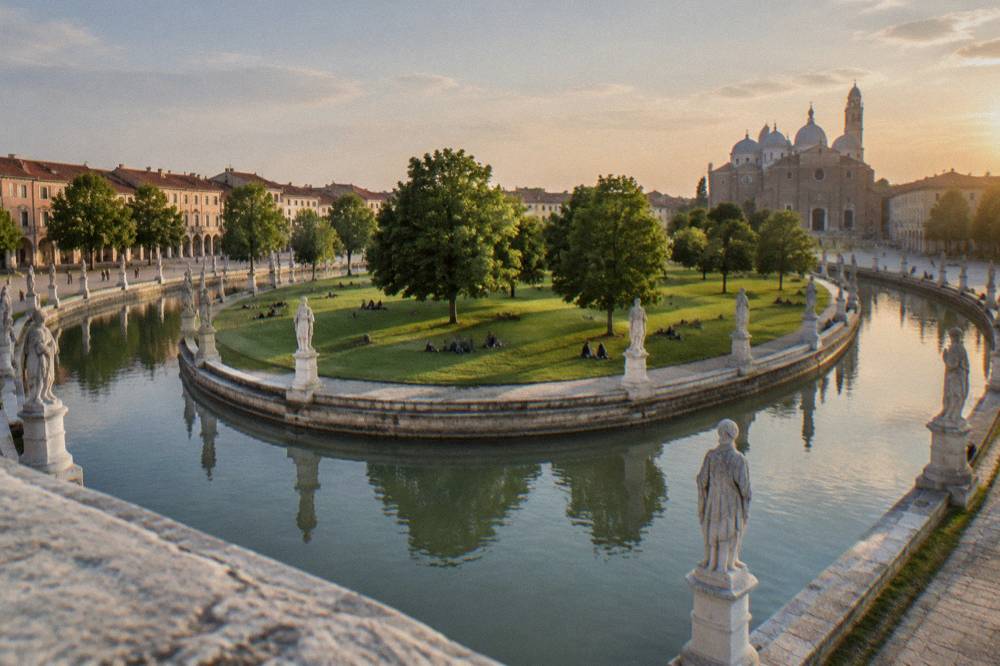
Around the Basilica of Saint Anthony in Padua sit the cloisters of the Franciscan convent, the Oratory of San Giorgio with its fourteenth-century frescoes, the Scuola del Santo, Piazza del Santo with Donatello's Gattamelata, and, a few minutes further, Prato della Valle with its canal and double ring of statues, declared communal space by the Venetian Senate in 1767 and reclaimed under Andrea Memmo.
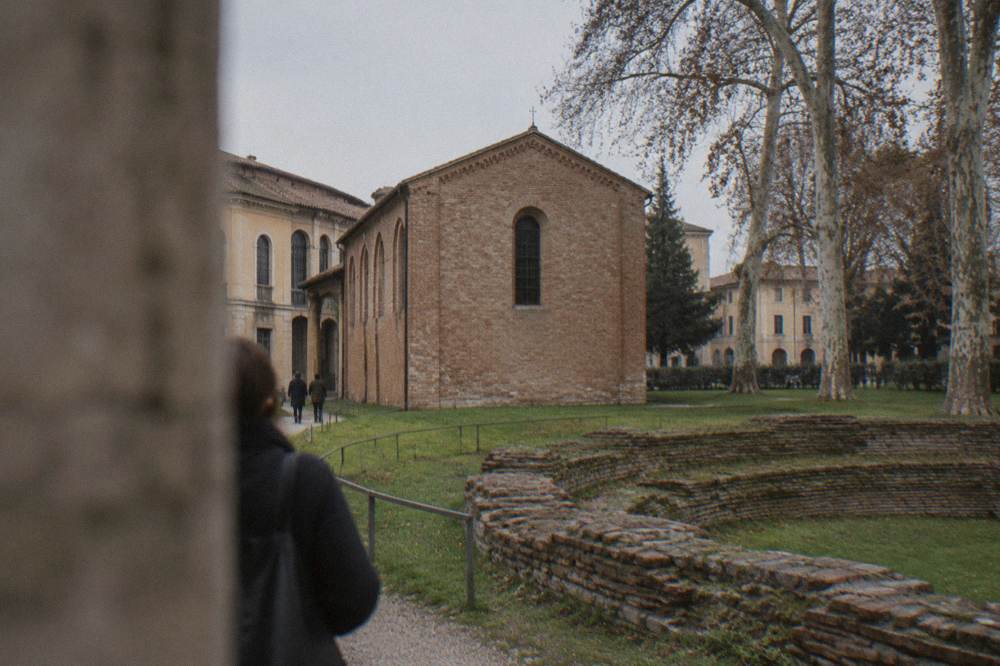
The quarter reads as a sequence. From the basilica's facade, Piazza del Santo opens with the Gattamelata statue on its pedestal; the Oratory of San Giorgio stands at the edge of the square, part of the same UNESCO fresco listing as the basilica. Behind and beside the church run the convent cloisters, and the whole complex faces south toward Prato della Valle, the vast oval space ringed by water and by a double ring of numbered statues of famous figures. The Venetian Senate declared the ground communal space in 1767, and the reclamation under Andrea Memmo produced the present form; no area figure or ranking is confirmed on the official pages, and none is needed, because the scale is obvious on the ground.
The Santo and Prato area guide covers the quarter in detail, including the Saturday market that fills Prato della Valle from 8:00 in winter and from 8:00 in summer to its respective closing times, and the antiques market held on the third Sunday of each month on Prato della Valle and via Umberto I, per the Comune di Padova's market pages.
How Does The Santo Fit Into Padua's UNESCO Fresco Listing?
The Basilica and Convent of Sant'Antonio is one of the eight complexes of the UNESCO World Heritage listing "Padova Urbs Picta", inscribed on 24 July 2021 under criterion (ii), which covers Padua's fourteenth-century fresco cycles across the old centre; the others are the Scrovegni Chapel, the Church of the Eremitani, Palazzo della Ragione, the Chapel of the Reggia Carrarese, the Baptistery of the Cathedral, the Oratory of San Giorgio and the Oratory of San Michele.
The listing's logic is that between the Scrovegni cycle painted by Giotto in 1303 to 1305 and the other fresco programmes of the same century, Padua preserves a coherent body of fourteenth-century wall painting that shaped art across Europe. For a visitor, the eight sites form a walkable circuit: the Scrovegni Chapel and the Eremitani church sit together at the north of the centre, Palazzo della Ragione and the Baptistery lie in the middle around Piazza delle Erbe, and the Santo with the Oratory of San Giorgio anchors the south end, with the Oratory of San Michele between them.
| The eight sites of Padova Urbs Picta, inscribed 2021 | Location within the centre |
|---|---|
| Cappella degli Scrovegni | North, beside the Eremitani |
| Chiesa dei Santi Filippo e Giacomo agli Eremitani | North, with the Ovetri frescoes |
| Palazzo della Ragione | Centre, between the two market squares |
| Cappella della Reggia Carrarese | Centre, near Palazzo della Ragione |
| Battistero della Cattedrale | Centre, beside the Duomo |
| Basilica e Convento di Sant'Antonio | South, at Piazza del Santo |
| Oratorio di San Giorgio | South, beside the basilica |
| Oratorio di San Michele | South, between centre and Santo |
The Urbs Picta UNESCO guide and the Padua churches guide cover the full circuit and the ticketing questions around the Scrovegni, the only one of the eight that requires a fixed timed booking.
Donatello, The Gattamelata And The Square Outside The Santo In Padua
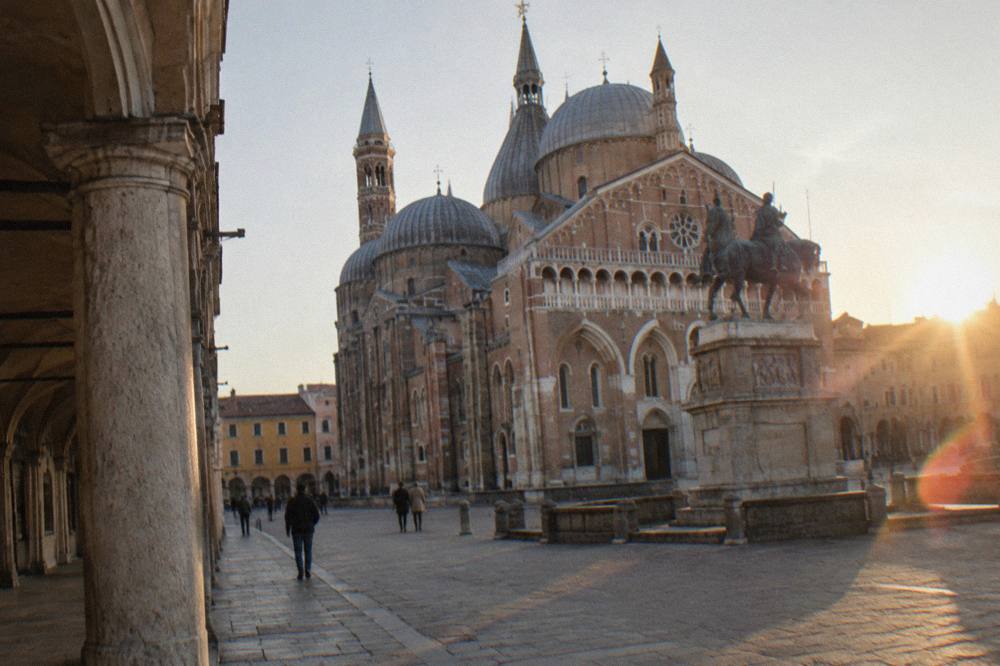
Outside the Basilica of Saint Anthony in Padua stands the Gattamelata, Donatello's equestrian statue of the condottiero Erasmo da Narni, raised on a pedestal in Piazza del Santo, and inside the church Donatello's high altar ensemble at the crossing is reported as one of the principal works of the building; both are commonly cited highlights of Renaissance Padua, and the square around them links the basilica to the Oratory of San Giorgio and Prato della Valle.
The Gattamelata is the square's fixed point: rider and horse in bronze, the first large equestrian monument of the Italian Renaissance to survive, per standard art-historical accounts, though the monument's own dates should be confirmed on site materials. The statue faces the sequence of spaces, Piazza del Santo, the small gardens, then the broad oval of Prato della Valle, that makes this corner of Padua feel more open than the arcaded streets of the centre.
Inside, the high altar by Donatello stands free at the crossing, a ring of bronze figures around the altar table, and the sanctuary and choir carry further sculpture and fresco work. The basilica's own materials and the UNESCO listing documents describe the ensemble; the reported works are best confirmed through the basilica's information points or a guided visit, because services and restorations can change what is visible.
How Much Time Do You Need At The Basilica Of Saint Anthony In Padua?
A first visit to the Basilica of Saint Anthony in Padua, covering the nave, the tomb chapel and the Chapel of the Relics, works comfortably within an hour, and the surrounding quarter, the Oratory of San Giorgio, the cloisters, Piazza del Santo with the Gattamelata and Prato della Valle, fills half a day at an unhurried pace; pilgrims attending services or the Tredicina should allow more, and anyone combining the Santo with the Scrovegni Chapel's fixed fifteen-minute timed slot should build the day around the booking, not the walk.
The distances here are short and flat. The basilica to Prato della Valle is a few minutes on foot; the walk north from the Santo through the centre to Piazza delle Erbe and Palazzo della Ragione passes the Oratory of San Michele and takes in the heart of the old city; the Scrovegni Chapel and the station sit at the northern edge. Padua's centre is compact and arcaded, and the whole UNESCO circuit is walkable. Public transport, where wanted, uses the EUR 1.70 urban 90-minute ticket, valid on tram and bus, with contactless card tap on board.
For a single-day plan that sequences the Santo, the Scrovegni and the markets, the one day in Padua itinerary and the things to do in Padua round-up carry full walking orders.
| A Santo quarter walk, stop by stop | What each stop gives |
|---|---|
| Piazza del Santo | Donatello's Gattamelata, facade view |
| Basilica of Saint Anthony | Free entry, tomb chapel, Chapel of the Relics |
| Oratory of San Giorgio | UNESCO-listed fourteenth-century frescoes |
| Convent cloisters | Quiet arcaded spaces beside the basilica |
| Prato della Valle | Canal, statue ring, Saturday market |
| Basilica di Santa Giustina | Grand neighbouring church on Prato della Valle |
The neighbouring Basilica of Santa Giustina closes the southern walk at the edge of Prato della Valle; its own page carries what is confirmed about it.
Where Does The Basilica Fit In A Padua Trip That Includes The Scrovegni Chapel?
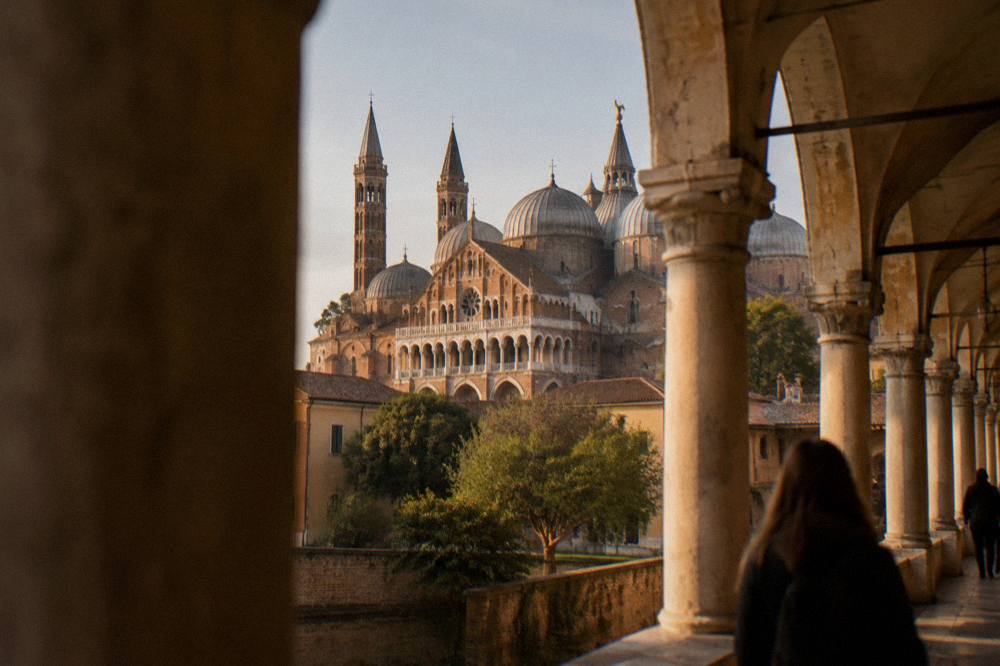
The Basilica of Saint Anthony sits at the south of Padua's centre and the Scrovegni Chapel at the north, roughly twenty minutes apart on foot, so a natural plan books the Scrovegni's fixed timed slot first, then walks the centre south through Piazza delle Erbe and Palazzo della Ragione to the Santo and Prato della Valle; because the basilica is free and needs no booking, it absorbs any slack in the day, while the chapel, with 25 people admitted every 15 minutes and no same-day online booking.
The Scrovegni's rules deserve their own sentence: timed entry only, about 15 minutes inside the chapel after a wait in the climate-controlled waiting room, arrival 5 minutes before the slot, latecomers rebooking and paying again, and closure from 16 to 27 November 2026 for the annual fresco inspection. The daytime ticket at EUR 15 full also covers the Musei Civici Eremitani and Palazzo Zuckermann. Around those fixed points, the Santo, the markets, Prato della Valle and the free churches of the centre can shift freely. Guides such as is Saint Anthony buried in Padua and the Saint Anthony of Padua guide carry the devotional detail; the Scrovegni Chapel guide carries the booking mechanics.
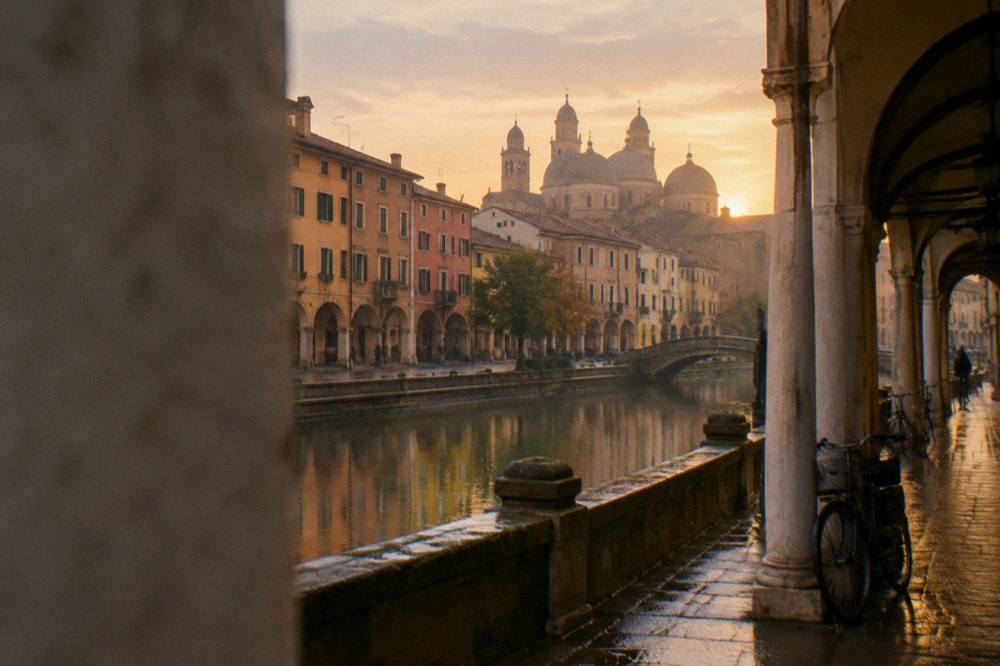
A practical note on the wider geography: Padua is inland, about 36 km in a straight line from Venice, with trains to Venezia Santa Lucia taking about 26 to 40 minutes at a regional fare of about EUR 5, so the Santo's quarter can also be the first or last stop of a Venice-and-Padua combination, as the Padua as a base for Venice plan describes.
Common Questions About The Basilica Of Saint Anthony In Padua
Is the Basilica of Saint Anthony in Padua free to enter?
Yes, entry to the basilica is free, per the UNESCO fresco route's own visitor page. Donations are customary, and no ticket is needed for the church itself.
Where is Saint Anthony buried?
Saint Anthony died at Arcella in Padua on 13 June 1231, and his tomb is in the Chapel of Saint Anthony inside the basilica, with the Chapel of the Relics nearby. Construction of the church began in 1232.
What are the Basilica of Saint Anthony's opening hours?
Hours vary around religious services, and this desk cannot quote a fixed schedule from the basilica's own pages; check the basilica's own site, santantonio.org, before visiting.
Is there a dress code at the Basilica of Saint Anthony?
Yes, the basilica's regulation asks for dress suitable to a church environment, and visitors are asked to respect services in progress.
What is the Tredicina in Padua?
The Tredicina is the thirteen days of prayer before the Feast of Saint Anthony on 13 June. In 2026 it ran from 31 May to 12 June, per the basilica's own programme, with the feast day procession on 13 June.
Is the Basilica of Saint Anthony part of the UNESCO listing?
Yes, the Basilica and Convent of Sant'Antonio is one of the eight complexes of Padova Urbs Picta, Padua's fourteenth-century fresco cycles, inscribed on the UNESCO World Heritage list on 24 July 2021.