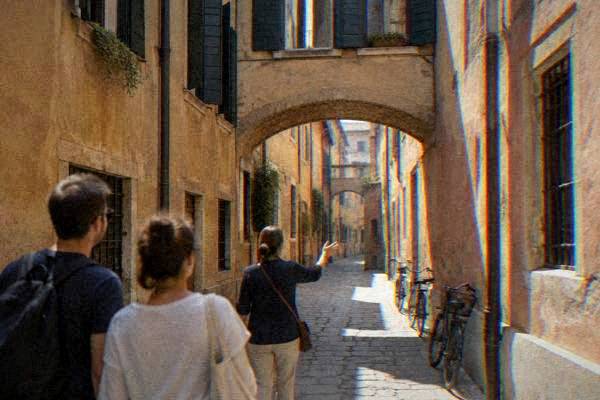
Padua In One Day: Scrovegni To The Santo
One day in Padua, an inland Veneto city about 36 km from Venice, is enough for Giotto's chapel, two market squares, the Santo and the world's first university botanical garden, if the Scrovegni slot is booked before anything else.
Short answer
Yes, one day covers Padua's core: a timed Scrovegni Chapel slot in the morning, Piazza delle Erbe and Palazzo della Ragione at midday, the Basilica of Saint Anthony and Prato della Valle in the afternoon, and the Orto Botanico before closing. The one non-negotiable is booking the Scrovegni entry in advance, because same-day online booking does not exist.
Padua, Italian Padova, sits inland in the Veneto about 36 km in a straight line from Venice, and it compresses remarkably well: Giotto's frescoes in the Scrovegni Chapel, two arcaded market squares, the Basilica of Saint Anthony and the Orto Botanico, the university's botanical garden founded in 1545, all stand within roughly a kilometre of each other. The single decision that makes or breaks one day in Padua is the Scrovegni booking. The chapel admits at most 25 people every 15 minutes, online same-day booking does not exist, and the unbooked are told to check availability at the Museum ticket office, so the timed slot comes first and the rest of the day is built around it.
Can You Really See Padua In One Day?
Yes, one day in Padua covers the core of the city: a timed Scrovegni Chapel slot in the morning, Piazza delle Erbe and Palazzo della Ragione at midday, the Basilica of Saint Anthony and Prato della Valle in the afternoon, and the Orto Botanico before it closes, all inside a walkable historic centre. The city holds two UNESCO World Heritage listings, the Orto Botanico from 1997 and the fourteenth-century fresco cycles of Padova Urbs Picta from 2021, and the main sites of both sit close enough together to visit on foot between morning and early evening.
The geography does the work. The Scrovegni Chapel and the Musei Civici Eremitani sit at the north-west edge of the centre, Piazza delle Erbe and Palazzo della Ragione in the middle, the Basilica of Saint Anthony and Prato della Valle to the south, and the Orto Botanico a short walk beyond the Santo. There is no need for a bus or tram between them; the urban ticket, EUR 1.70 for 90 minutes on Busitalia's Padua network, is for the station, the hotel or a tired evening return, not for the itinerary itself.
What one day does not cover is depth. Padua's university story alone, Galileo's eighteen years here from 1592 to 1610, the anatomical theatre of 1594 and Elena Lucrezia Cornaro Piscopia's philosophy doctorate of 25 June 1678, the first recorded for a woman, fills a guided visit to Palazzo del Bo on its own. For a second day, the itineraries for Padua in two days and Padua in three days add the museums and the Euganean Hills.
Why The Scrovegni Chapel Must Be The First Booking Of The Day?
The Scrovegni Chapel is timed-entry only, with groups of at most 25 people admitted every 15 minutes from 9:00 to 19:00, last entry 18:45, and the visit lasts about 15 minutes inside after a wait in a climate-controlled room, so the slot you book dictates the shape of the whole day in Padua. A full daytime ticket costs EUR 15, EUR 11 reduced, plus a EUR 1 booking fee, and it also covers the Musei Civici Eremitani and Palazzo Zuckermann, which makes an early slot doubly efficient.
Booking runs through the chapel's own site or its call centre at +39 049 2010020, with slots bookable up to 10 February 2027. There is no online same-day booking: the chapel's own how-to-visit page directs unbooked visitors to the Museum ticket office to ask what is left. Be at the entrance 5 minutes before the printed time; the ticket office stands about 100 m from the chapel, and late arrivals must rebook and pay again.
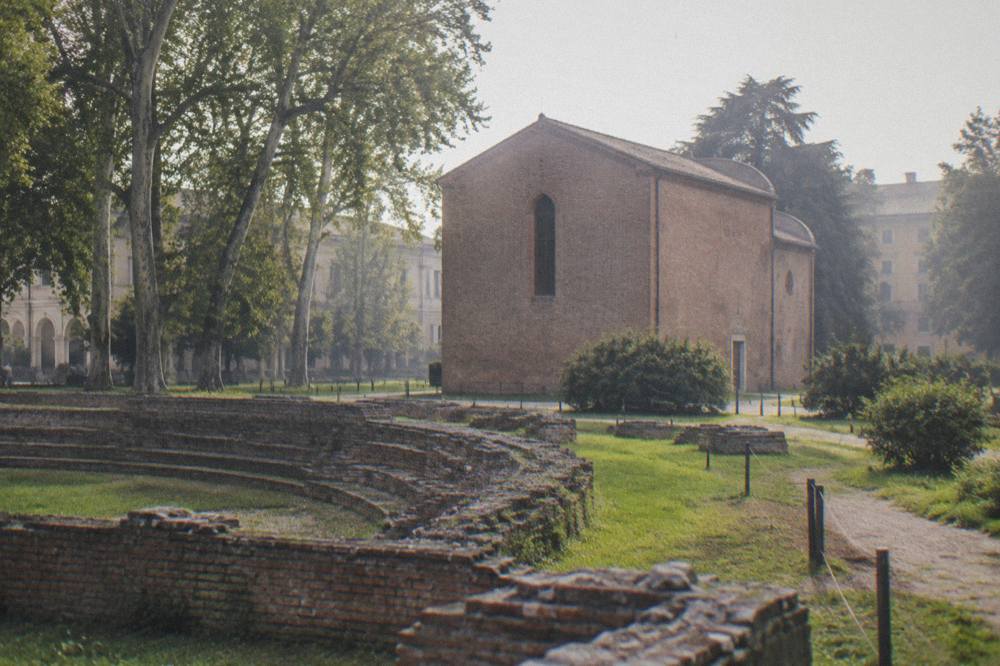
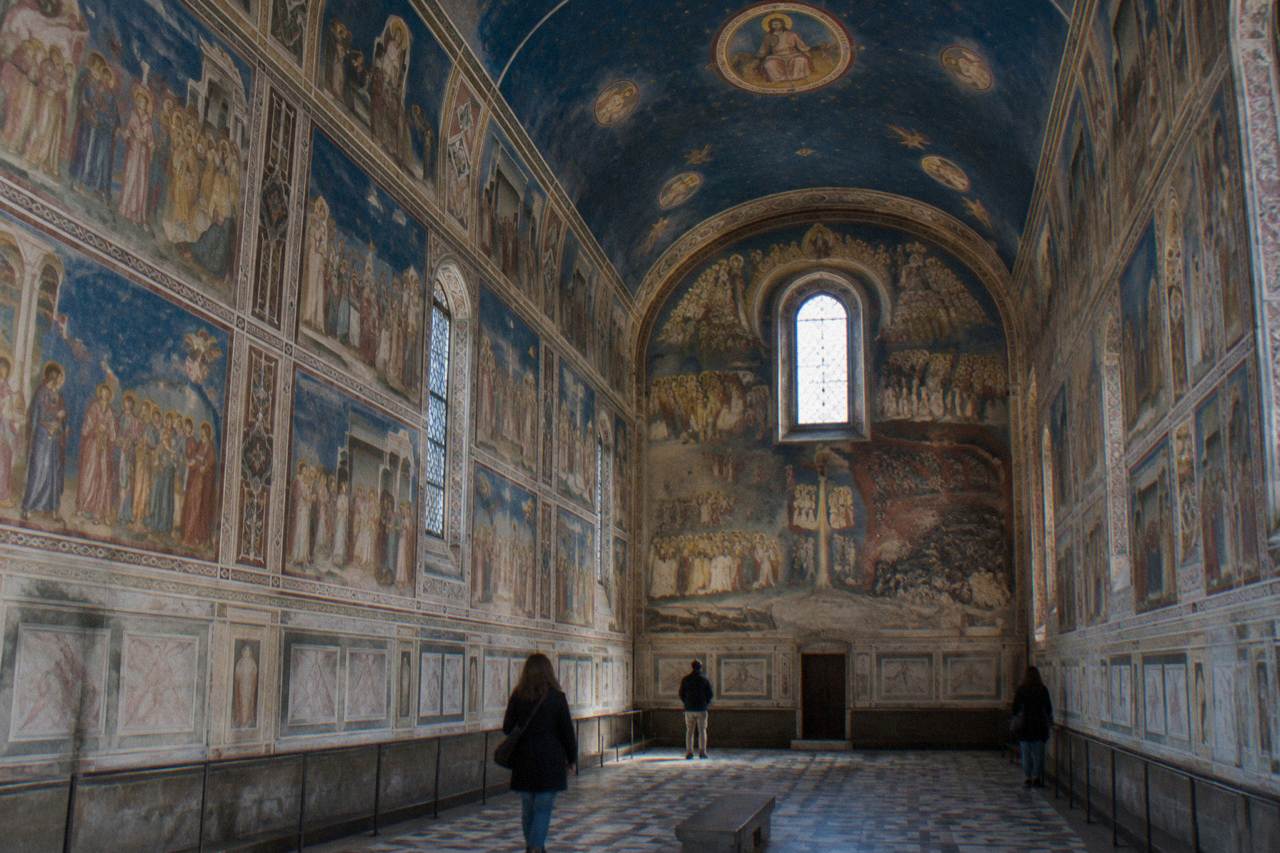
Inside, the reason for all the machinery: the chapel's own site says Giotto painted the cycle "in just two years, between 1303 and 1305". The cycle carries the Stories of Joachim and Anne, the Life of the Virgin and Christ, the Vices and Virtues and a Last Judgment on the entrance wall. Enrico Scrovegni commissioned the building on land bought in 1300 that included the remains of Padua's Roman amphitheatre, which is why the chapel is also called the Arena Chapel; the arena in question is Padua's own, never the Arena di Verona. The chapel is one of the eight complexes of Padova Urbs Picta, inscribed by UNESCO in 2021 under criterion (ii), proclaimed on Saturday 24 July 2021.
If booking directly is not appealing, a Scrovegni Chapel ticket with audio guide can be arranged through an operator's live listing, or Check availability for the date in question. The chapel's own booking site and an operator listing are different things, and the timed slot applies either way. More background sits in the guides to Scrovegni Chapel tickets and the Scrovegni Chapel itself.
| Scrovegni Chapel rule | Figure | Note |
|---|---|---|
| Entry rhythm | Max 25 people every 15 min | Daytime slots |
| Hours | 9:00 to 19:00 | Last entry 18:45 |
| Time inside | About 15 minutes | After the waiting room |
| Arrival | 5 minutes before the slot | Late arrivals rebook and pay again |
| Full ticket | EUR 15 + EUR 1 fee | Also covers Musei Civici Eremitani and Palazzo Zuckermann |
| Reduced ticket | EUR 11 + EUR 1 fee | Residents EUR 5 |
| Evening visits | 19:00 to 22:00, every 20 min | 25 March to 1 November, chapel only |
| 2026 closure | 16 to 27 November | Annual fresco inspection |
What To See Between The Chapel And Lunch In Padua?
The walk from the Scrovegni Chapel into the centre passes the Eremitani church, one of the eight Padova Urbs Picta complexes, then Piazza delle Erbe and Piazza dei Frutti, Padua's twin market squares, which hold 52 stalls of fruit, vegetables and flowers and are the natural late-morning stretch of a one-day route. The daytime Scrovegni ticket already includes the Musei Civici Eremitani, open 9:00 to 19:00, so the museum is effectively free at this point of the day, and Palazzo Zuckermann, Tuesday to Sunday 10:00 to 19:00, is on the same ticket too.
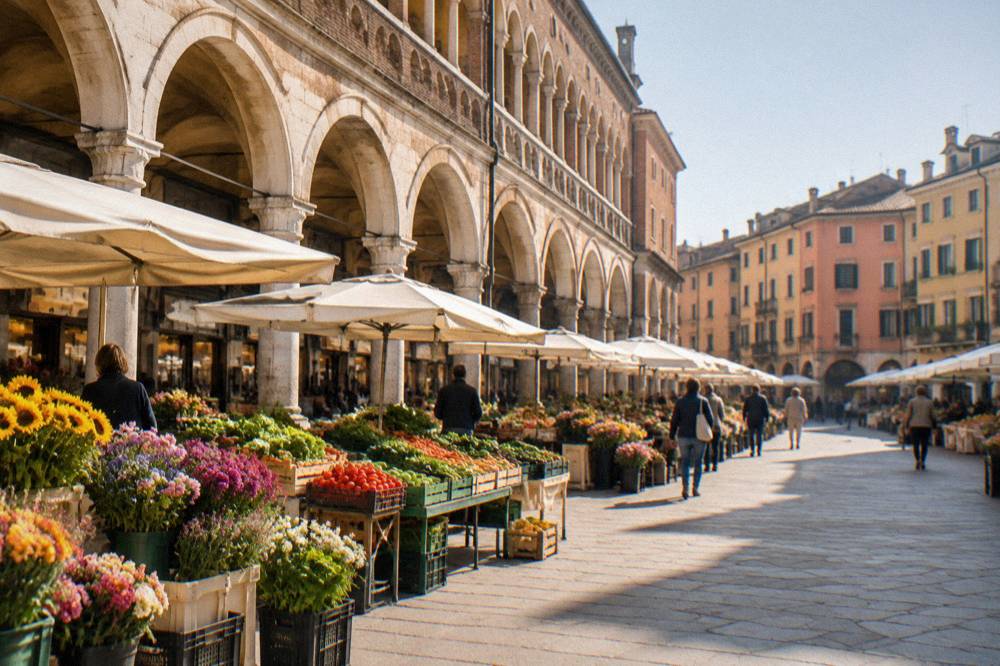
The market hours come from the Comune di Padova's own market page. Piazza delle Erbe runs Monday to Friday 7:30 to 13:30 and Saturday 7:30 to 20:00. Piazza della Frutta sells food Monday to Wednesday 8:00 to 14:00 and Thursday to Saturday 8:00 to 19:00. Under Palazzo della Ragione sits Sotto il Salone, the permanent covered market, which the city's tourism board describes as a historic food market of some eight centuries. Neither square needs a ticket; both feed straight into lunch.
Between the two squares stands Palazzo della Ragione itself, the great medieval hall that is also part of the UNESCO fresco listing. Per the civic museums' price page it costs EUR 8 full, EUR 6 reduced, Tuesday to Sunday 9:00 to 19:00, with tickets sold at the IAT office at Piazza delle Erbe 52, which is the same address as the main tourist information desk. That office, IAT Centro, is open daily 9:00 to 19:00 and closes only 25 and 26 December and 1 January.
Where Should Lunch Fit Into One Day In Padua?
Lunch belongs early, close to the markets, because the afternoon block, the Basilica of Saint Anthony, Prato della Valle and the Orto Botanico, sits south of the centre and the Orto Botanico keeps fixed hours, closing at 17:00 in its winter schedule from late October and at 18:00 in March, so eating by 13:00 protects the second half of a one-day Padua plan. The area around Piazza delle Erbe and Piazza dei Signori is where the city's tourism board places the evening spritz culture, and the same streets serve lunch.
No restaurant is named on this site, and none needs to be: the pattern that matters is structural. The covered Sotto il Salone market under Palazzo della Ragione sells local products, the tourism board names risotto ricco alla Padovana, cappone alla canevera and torta pazientina as the city's three patented recipes, and bigoli, baccalà and gallina padovana round out the standard local mentions. A food-focused walk through the same streets is covered in the Padua food tour overview, and the Padua in the rain itinerary reuses the same arcades when the weather turns.
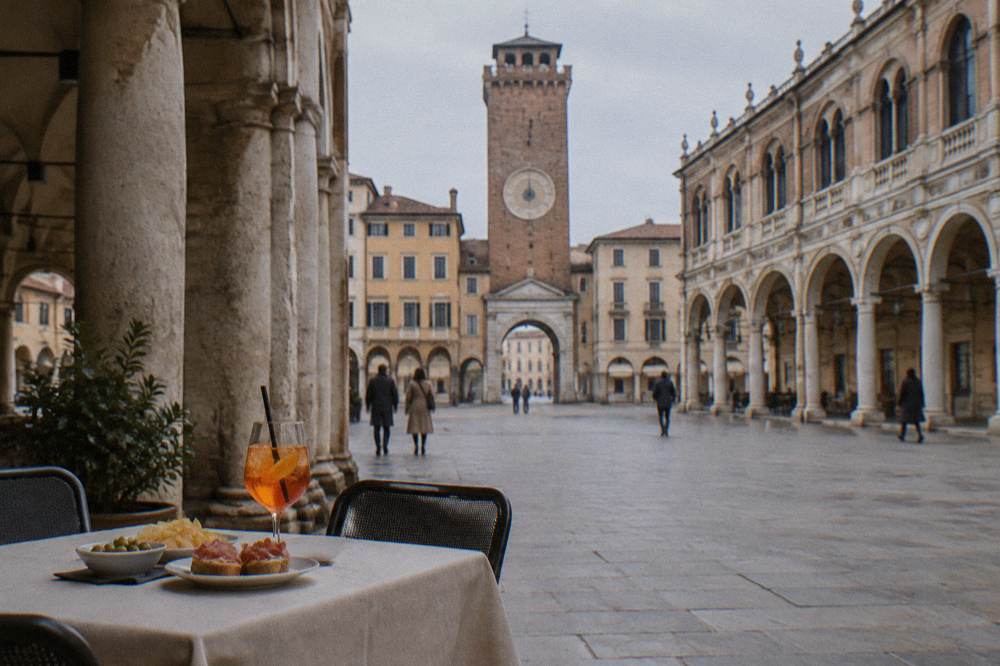
One dated detail adds flavour to the afternoon coffee stop. Caffè Pedrocchi opened in 1831, and the tourism board records its reputation as the "caffè senza porte", the café without doors, until 1916, with the minted caffè Pedrocchi as its signature drink. Its opening hours are not stated here; check them locally before planning a precise stop.
How Do You Reach The Basilica Of Saint Anthony From The Centre?
The Basilica of Saint Anthony, the Santo, lies about a ten-minute walk south of Piazza delle Erbe through the porticoed streets of the old centre, and entry is free, with the saint's tomb and the Chapel of the Relics inside, according to the Padova Urbs Picta visitor page.
Construction began in 1232, a year after Saint Anthony died in Padua on 13 June 1231. Donatello's high altar and the Gattamelata equestrian statue in the piazza outside are reported by the basilica's own pages. A dress code suitable for a church applies. The basilica is another of the eight Padova Urbs Picta complexes, so by mid-afternoon a one-day walker has stood inside four of the eight UNESCO fresco sites without any detour.
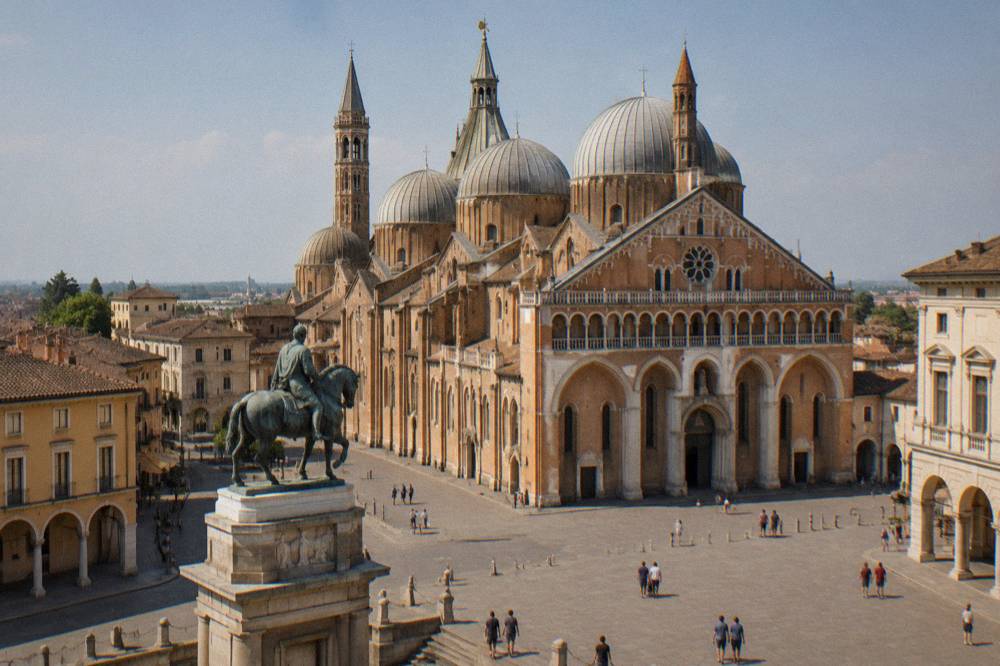
From the Santo, Prato della Valle is a couple of minutes further on. The square is ringed by a canal with a double ring of numbered statues of famous people; the Venetian Senate declared it communal space in 1767 and the reclamation was carried out under Andrea Memmo, per the city's tourism page. On Saturdays the Prato hosts a market that runs 8:00 to 19:00 in winter and 8:00 to 20:00 in summer, and every third Sunday of the month the same square and via Umberto I hold the antiques market. The Santo and Prato area guide covers the detail, and the feast itself, the Tredicina, ran 31 May to 12 June 2026 with the feast day on 13 June.
| Afternoon stop, in order | Admission | Hours stated by the source |
|---|---|---|
| Basilica of Saint Anthony | Free entry | Check the basilica's own site; services change the schedule |
| Prato della Valle | Open space | Saturday market 8:00 to 19:00 winter, 8:00 to 20:00 summer |
| Orto Botanico (Mar) | EUR 15 full, EUR 10 reduced | 10:00 to 18:00, last entry 17:15 |
| Orto Botanico (from 24 Oct) | EUR 15 full, EUR 10 reduced | 10:00 to 17:00, last entry 16:15 |
| Orto Botanico (Nov to Feb) | EUR 12 full, EUR 8 reduced | 10:00 to 17:00, closed non-holiday Mondays |
Is The Orto Botanico Worth The Last Slot Of A One-Day Visit?
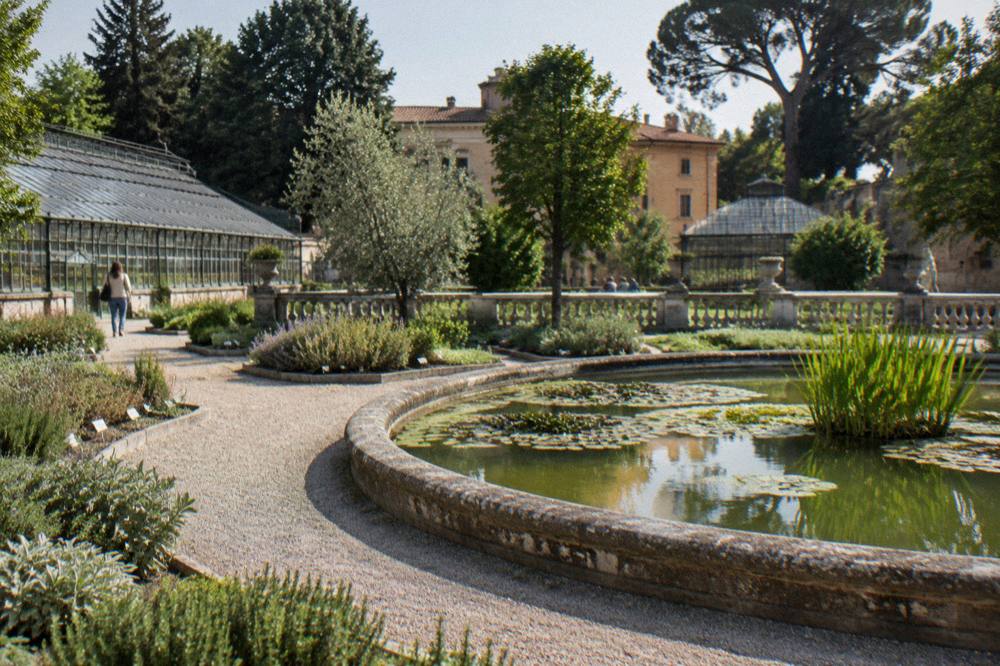
The Orto Botanico is the world's first university botanical garden, founded in 1545 and inscribed by UNESCO in 1997, and it is a compact walled garden that fits the final hour of a one-day Padua itinerary, with tickets at EUR 15 full from 1 September 2026, EUR 12 in winter, and an audioguide included in the price. It is closed on non-holiday Mondays, which is the one planning trap: a Monday visit in term time loses it.
The hours shift by season. January and February run 10:00 to 17:00, March 10:00 to 18:00 with last entry at 17:15, and from Saturday 24 October back to 10:00 to 17:00 with last entry at 16:15. It closes 25 December 2026 and opens 8 December 2026. Fixed-time guided tours run on weekends and holidays. The garden's own ticket page carries the reduced tiers: EUR 10 for visitors 65 and over, teachers and Padua province residents, EUR 8 for the same groups in winter.
If the day is a Monday, or the garden is already shut, the alternative university stop is Palazzo del Bo, whose guided "Giro storico" costs EUR 10 full, EUR 8 reduced, EUR 6 for visitors aged 6 to 25, and lasts about 45 minutes, with alternating Italian and English slots such as 12:30 Italian, 13:30 English, 15:30 Italian, 16:30 English and 17:30 Italian, per the university's own page. The route includes the Aula Magna, Galileo's chair in the Sala dei Quaranta, the anatomical theatre of 1594 and the statue of Elena Cornaro. Booking runs through the university centre at 049 827 3939, and no room is guaranteed on every tour.
What Does One Day In Padua Actually Cost?
A full one-day sightseeing budget in Padua runs to EUR 40 to 45 per adult at 2026 prices: the Scrovegni Chapel at EUR 15 plus the EUR 1 booking fee, Palazzo della Ragione at EUR 8, the Orto Botanico at EUR 15, and free entry to the Basilica of Saint Anthony, Prato della Valle and the market squares, with meals and the EUR 1.70 urban transport ticket on top. The Basilica's free entry is per the Padova Urbs Picta page; the museum and garden prices come from their own ticket pages.
| Item | Full price | Source of the figure |
|---|---|---|
| Scrovegni Chapel daytime ticket | EUR 15 + EUR 1 fee | Civic museums' ticket page |
| Musei Civici Eremitani only | EUR 11 | Civic museums' ticket page |
| Palazzo della Ragione | EUR 8 | Civic museums' ticket page |
| Palazzo del Bo guided tour | EUR 10 | University's own page |
| Orto Botanico (from 1 Sept 2026) | EUR 15 | Garden's ticket page |
| Basilica of Saint Anthony | Free | Padova Urbs Picta page |
| Urban ticket, 90 minutes | EUR 1.70 | Busitalia fare page |
Two small taxes and fares finish the arithmetic. The tourist tax, imposta di soggiorno, is collected by the accommodation, applies per person per night up to a maximum of five consecutive nights, and its rate depends on the category of the structure, so no figure is quoted here. The airport bus between Venice Marco Polo and Padua costs EUR 13 one-way for an adult, EUR 6.50 for a child, with 54 runs a day every 40 minutes from 05:30 to 22:50 out of Padua, taking about 45 minutes. Budget-conscious routes through the same day are laid out in Padua on a budget.
How Do You Get To Padua For The Day?
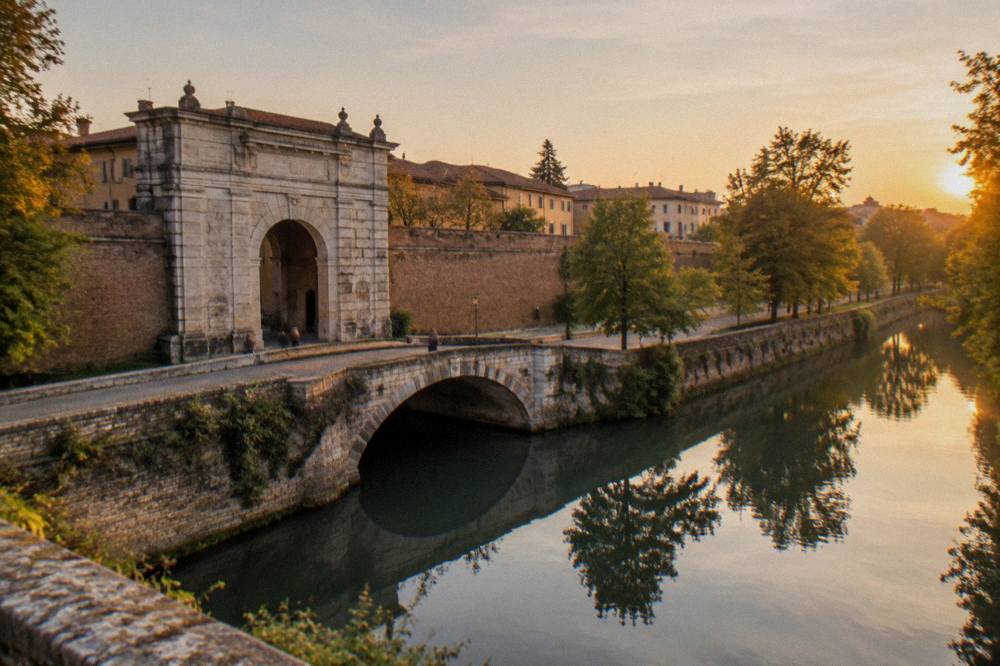
Padua sits on the Venice to Milan rail line, with regional trains from Venezia Santa Lucia taking about 26 to 40 minutes at about EUR 5, and the Busitalia airport bus linking Venice Marco Polo in about 45 minutes for EUR 13, so a one-day visit works whether the base is Venice, Vicenza or the airport itself. Reported regional times from Padova station: Vicenza 16 to 25 minutes at about EUR 6, Verona 43 to 60 minutes, Treviso 28 to 60 minutes; confirm exact times and fares on the operator's own planner before travelling.
For arrivals with luggage, the station's left-luggage office at platform 1 runs daily 6:00 to 20:00 at EUR 5 per 6 hours, which matters for anyone doing Padua as a between-hotels day. The IAT tourist office at the exit of platform 1 keeps longer hours than most, Monday to Saturday 9:00 to 19:00 and Sundays 10:00 to 16:00. Coming the other way, the Venice day trip and Vicenza guides cover the two most common bases, and the itinerary one day in Padua from Venice sequences this same plan around a morning train.
One 2026 point removes an old budget line: the Venice day-tripper access fee trial ended on 27 July 2026, and no decision for 2027 had been announced, so a Padua-based visitor hopping to Venice does not face that charge on current information.
What If The Weather Or The Season Turns Against The Plan?
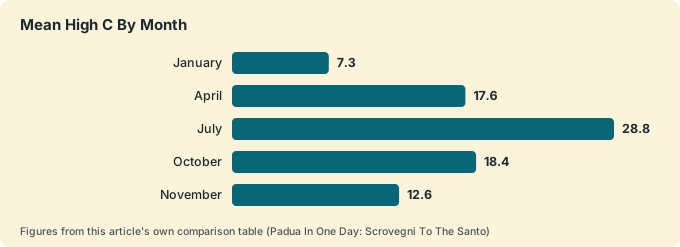
Padua's climate is continental: ERA5 reanalysis for 1991 to 2020 puts the January mean high at 7.3 C and the July and August mean high at 28.8 C, with November the month carrying the highest rain total at 114.0 mm, so a one-day plan should keep indoor fallbacks, the Musei Civici Eremitani, Palazzo Zuckermann and Palazzo della Ragione, attached to the Scrovegni ticket rather than treated as extras. September and October each carry about 105 mm in the same reanalysis, and January the lowest monthly total at 53.6 mm.
| Month | Mean high C | Mean low C | Rain mm |
|---|---|---|---|
| January | 7.3 | -0.2 | 53.6 |
| April | 17.6 | 7.8 | 84.4 |
| July | 28.8 | 18.9 | 62.1 |
| October | 18.4 | 10.6 | 105.4 |
| November | 12.6 | 5.5 | 114.0 |
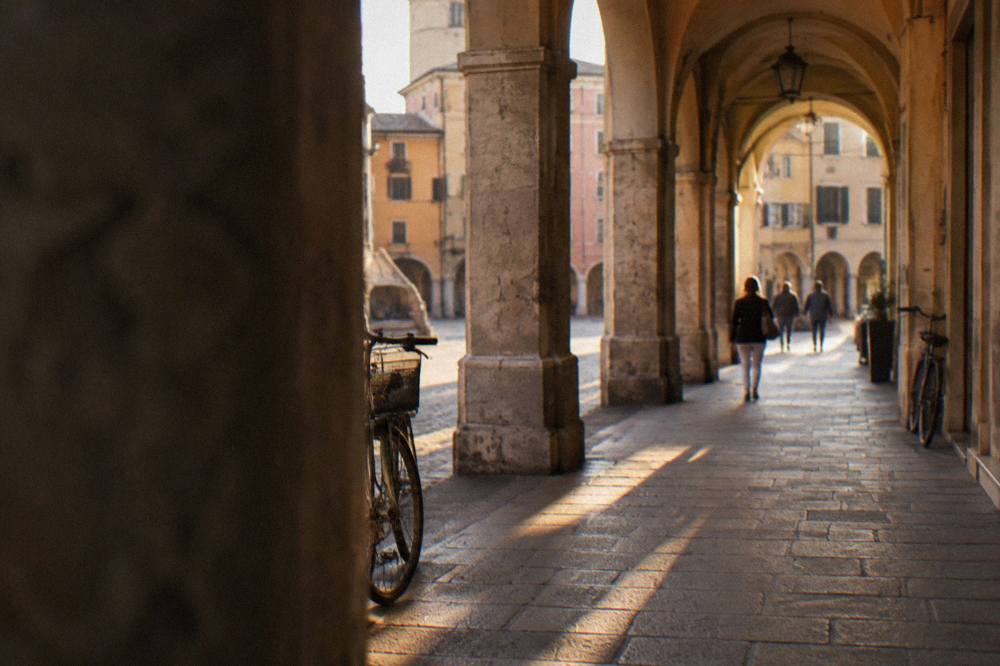
The city handles rain unusually well because its centre is arcaded: the walk from the Scrovegni Chapel through Piazza delle Erbe to the Santo can be done largely under porticoes, and the Padua with kids and rain itineraries lean on the same cover. Two fixed seasonal notes matter more than the weather. First, the chapel's closure from 16 to 27 November 2026 removes the anchor sight for those twelve days. Second, the evening visits, Giotto sotto le stelle, run only from 25 March to 1 November, 19:00 to 22:00 every 20 minutes, chapel only, so a summer day can end inside the chapel a second time under different light.
Is One Day Enough, Or Should You Stay Longer?
One day is enough for the Scrovegni Chapel, the two market squares, Palazzo della Ragione, the Santo, Prato della Valle and either the Orto Botanico or Palazzo del Bo, but it leaves the university museums, the smaller Urbs Picta complexes such as the Oratorio di San Giorgio and the day trips to the Euganean Hills, the Brenta Riviera, Vicenza and Verona untouched, which is the case for a second night. The city's population is about 208,000 with roughly 76,000 university students reported for the 2026-27 academic year, and the student weight is what keeps the centre active in the evening.
The common extensions are mapped elsewhere on this site: Verona and Treviso by train, Bologna and Ferrara for longer hops, and the churches of Padua for the sacred-art depth the first day skips. If the answer to the chapel felt rushed, the questions why the Scrovegni Chapel is famous and how long it takes to visit restate the timings.
A Sample One-Day Padua Timetable
A workable one-day Padua timetable anchors on a 9:00 Scrovegni slot, reaches Piazza delle Erbe by 11:00, eats by 13:00, stands at the Santo's tomb by 15:00, crosses Prato della Valle by 16:00 and enters the Orto Botanico before its last entry time, with every figure below taken from the official hours already cited on this page. Shift the whole chain later by the number of minutes your chapel slot slips.
| Time | Stop | Ground rule |
|---|---|---|
| 8:45 | Ticket office, about 100 m from the chapel | Collect, then wait in the climate-controlled room |
| 9:00 | Scrovegni Chapel | About 15 minutes inside |
| 9:30 | Musei Civici Eremitani and Eremitani church | On the same EUR 15 ticket |
| 11:00 | Piazza delle Erbe and Piazza dei Frutti | Markets until 13:30 on weekdays |
| 12:00 | Palazzo della Ragione and Sotto il Salone | EUR 8 full, tickets at IAT Piazza delle Erbe 52 |
| 13:00 | Lunch in the centre | Early, to protect the afternoon |
| 15:00 | Basilica of Saint Anthony | Free entry; check the basilica's own hours |
| 16:00 | Prato della Valle | Open space, statue ring, canal |
| 17:00 | Orto Botanico | Last entry 16:15 from 24 Oct, 17:15 in March |
The one number to check the night before is the Orto Botanico's closing time for the date in question, because the two schedules, 17:00 and 18:00, move the last stop by a full hour. Everything else in the chain is fixed by published hours rather than by estimates, which is what makes a single day in this city unusually reliable as a plan. The emergency number throughout Italy is 112.
Common Questions About One Day In Padua
Can you see Padua in one day?
Yes. The Scrovegni Chapel, Piazza delle Erbe, Palazzo della Ragione, the Basilica of Saint Anthony, Prato della Valle and the Orto Botanico all sit within a walkable area and fit between a 9:00 chapel slot and the garden's last entry.
What is the one thing to book ahead in Padua?
The Scrovegni Chapel. Entry is timed, at most 25 people every 15 minutes, same-day online booking does not exist, and late arrivals must rebook and pay again.
Is the Scrovegni Chapel open every day?
No. It is open 9:00 to 19:00 with last entry 18:45, but it closes 16 to 27 November 2026 for the annual fresco inspection, plus 1 May, 25 and 26 December and 1 January.
How much does one day of sightseeing in Padua cost?
About EUR 40 to 45 per adult at 2026 prices: EUR 16 for the chapel with its booking fee, EUR 8 for Palazzo della Ragione and EUR 15 for the Orto Botanico, with the Basilica of Saint Anthony free.
Is Padua walkable in a day?
Yes, the whole route from the Scrovegni Chapel to Prato della Valle is on foot through the arcaded centre, and the EUR 1.70 90-minute urban ticket only matters for the station or the hotel.
Can you do Padua and Venice in one day?
A morning in Padua and an afternoon in Venice is possible by train, about 26 to 40 minutes each way at about EUR 5 regional, but it halves both cities; the evening chapel visits, 25 March to 1 November, give a reason to stay in Padua instead.
The Padua Travel Guide site carries the full set of longer itineraries, sight-by-sight guides and day-trip routes built on the same sourced figures as this page.