Padua In The Rain: A Day Under The Porticoes
Rain changes the plan in Padua, but it rarely cancels it: this is an arcaded city where the Scrovegni Chapel, the covered markets and the civic museums sit within reach of sheltered streets.
Short answer
Padua handles rain well because its centre is arcaded and its headline sights are indoors: the Scrovegni Chapel (timed entry, EUR 15 plus a EUR 1 booking fee), the Eremitani museums, Palazzo della Ragione and the Basilica of Saint Anthony. November carries the year's highest rain total at 114 mm in the ERA5 reanalysis, 1991-2020, so pack for damp weather from autumn onward.
Padua (Padova), in the Veneto in northern Italy, is an inland city about 36 km in a straight line from Venice, and its historic centre happens to be one of the better places in the region to be caught in the rain. The streets around Piazza delle Erbe and Piazza della Frutta are lined with porticoes, the food market continues under the vaults of Sotto il Salone beneath Palazzo della Ragione, and the single most famous sight in the city, Giotto's Scrovegni Chapel, is visited entirely indoors on a timed slot. A rainy day in Padua is not a lost day; it is a different itinerary, built around arcades, museums and hot drinks, with the full sunshine plan waiting at things to do in Padua for the day the sky clears.
The numbers behind the plan come from the ERA5 reanalysis, 1991-2020, a modelled grid cell over the city centre rather than a weather-station record: November carries the highest monthly rain total at 114 mm, with September and October following at about 105 mm each. The same dataset puts the January mean high at 7.3 C and the July and August mean highs at 28.8 C. In practical terms, the damp season in Padua runs long, from September through the winter, and a wet-day plan is worth having on almost any visit outside midsummer. The full month-by-month picture is in the Padua weather guide.
What Can You Do In Padua When It Rains?
On a rainy day in Padua the workable plan is a portico walk through Piazza delle Erbe and the historic centre, a timed visit to the Scrovegni Chapel, the included Musei Civici Eremitani next door, Palazzo della Ragione with its covered market hall beneath, the free Basilica of Saint Anthony, and a long coffee under an arcade, with an indoor escape game or a food-led walk as backup if the sky does not clear. Everything on that list is under cover or within a few minutes of it, and the tram line SIR1 plus the EUR 1.70 ninety-minute urban ticket keep the walking between shelters short.
The order matters less than the anchors. The Scrovegni Chapel sits at the northwest edge of the centre, the Basilica of Saint Anthony to the southwest, and the two market squares in the middle, so a wet day naturally splits into a museum morning near the chapel and a church-and-coffee afternoon around Piazza delle Erbe. The distances are short: this is a compact city where the historic core is walked, not driven, and the Padua in one day itinerary shows the dry-weather version of the same loop.
One practical note shapes everything else: the chapel cannot simply be walked into. The chapel's own booking page states that entry is by timed slot only, with groups of at most 25 people every 15 minutes, and that there is no same-day online booking. If rain is in the forecast, book the slot before you leave home and build the rest of the day around it.
Why Are Padua's Porticoes So Useful In The Rain?
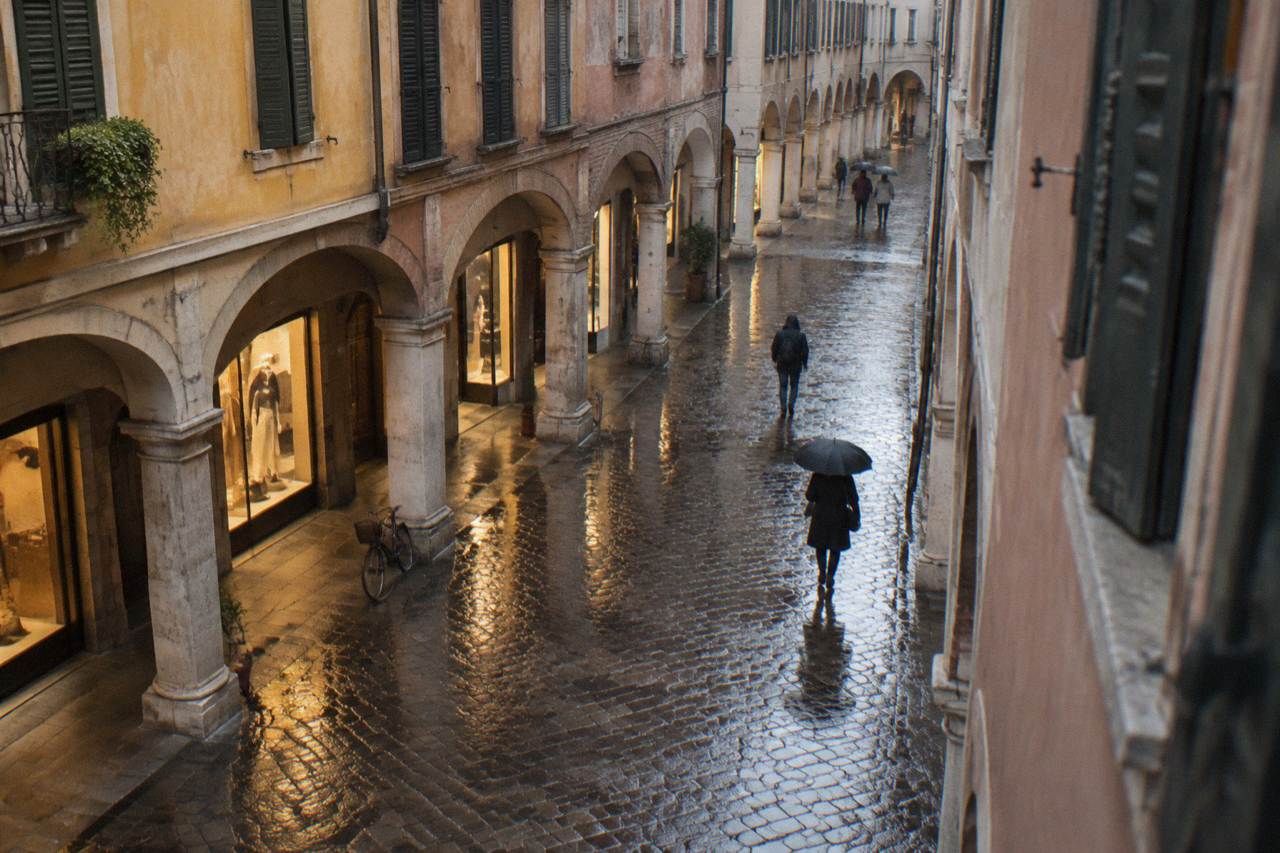
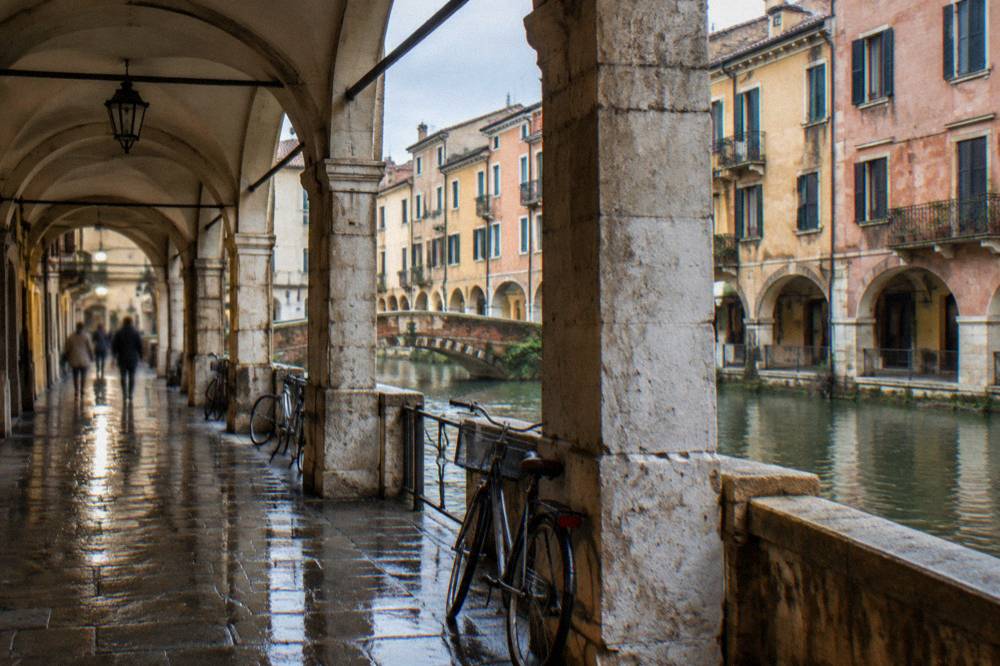
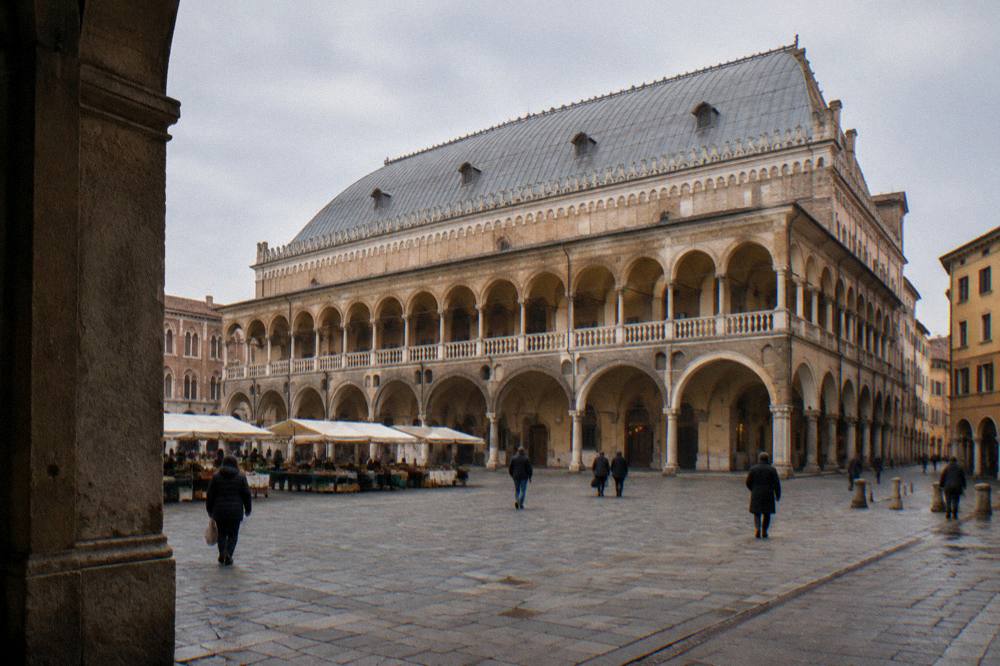
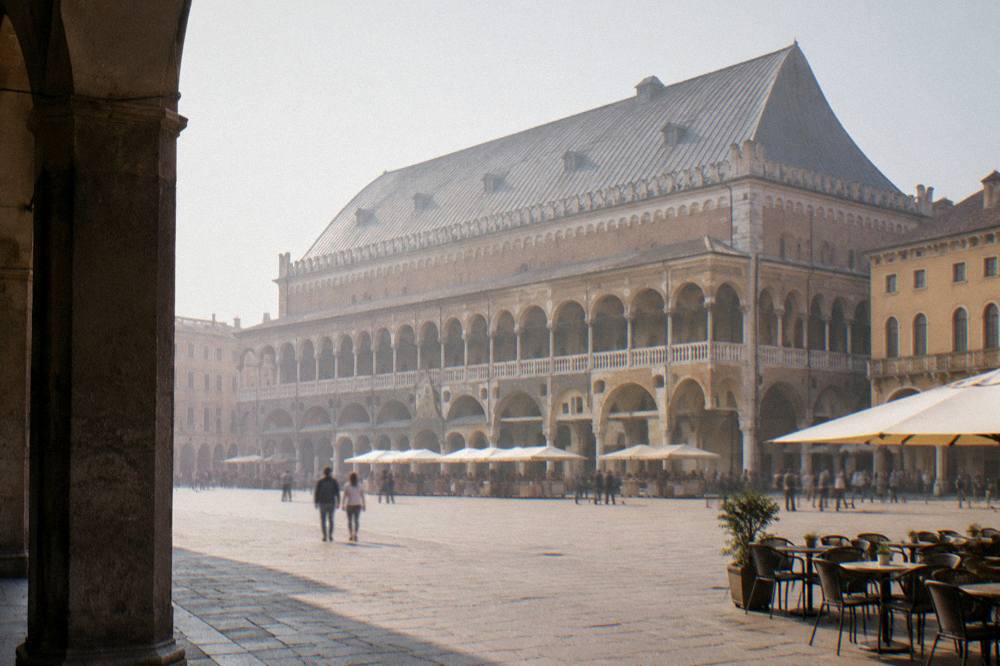
Padua's historic centre is wrapped in continuous porticoes, arcaded sidewalks that keep long stretches of street effectively under cover, which means a rainy day walk between Piazza delle Erbe, the Caffè Pedrocchi and the university quarter can stay largely dry without a taxi or an umbrella the whole way. The covered market of Sotto il Salone, beneath Palazzo della Ragione, extends the same idea: the tourism board describes it as a permanent historic food market running under the palace itself, so shopping, shelter and sightseeing collapse into one address.
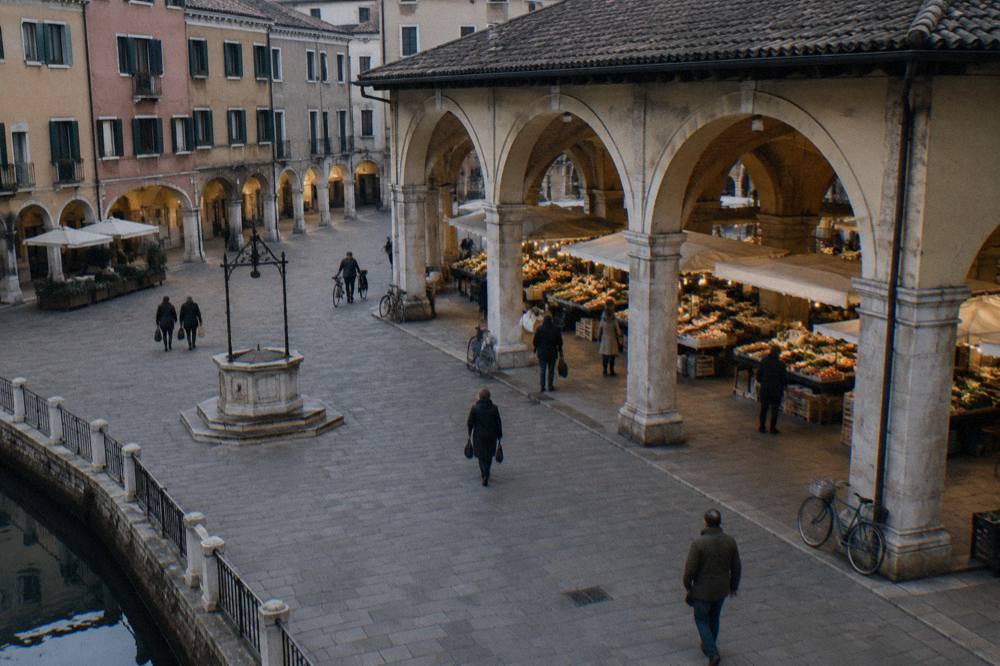
Two covered squares anchor the middle of the day. Piazza delle Erbe hosts its fruit, vegetable and flower stalls from 7:30 to 13:30 Monday to Friday and to 20:00 on Saturday, per the Comune di Padova's market page, and Piazza della Frutta runs its food market on the same square complex. Rain does not stop these markets; it moves the shoppers under the roofs. A slow lap of the stalls, then a stop under an arcade with something warm, is the local version of a wet-weather afternoon.
A route sketch for the dampest hours:
| Leg | Route | Cover |
|---|---|---|
| 1 | Piazza delle Erbe market hall to Sotto il Salone | Under roof the whole way |
| 2 | Sotto il Salone to Caffè Pedrocchi | Short open stretch, then porticoes |
| 3 | Caffè Pedrocchi to the university quarter (Palazzo del Bo) | Porticoed streets most of the way |
| 4 | Portico loop back toward Piazza della Frutta | Arcade sidewalk |
If even the portico walk feels like too much, a guided walking option keeps a local with you while the sky decides what it is doing. The trio below is where a wet day in Padua can start once the itinerary is set: a full-day guided trip out to Verona and Lake Garda for a forecast that is rotten from breakfast onward, a wine and olive oil half-day into the Euganean Hills where the wineries are indoors, and a self-paced audio walk of the centre that lets you duck under arcades on your own schedule.
How Do You Visit The Scrovegni Chapel On A Wet Day?
A daytime Scrovegni Chapel ticket costs EUR 15 full price or EUR 11 reduced, plus a EUR 1 booking fee, and it also covers the Musei Civici Eremitani and Palazzo Zuckermann, which makes a rainy morning around the chapel a three-stop indoor circuit; entry is by timed slot only, about 15 minutes inside the chapel itself, and you should be at the entrance 5 minutes before your slot. The chapel's own how-to-visit page sets these rules, and latecomers are not re-admitted without a new paid booking.
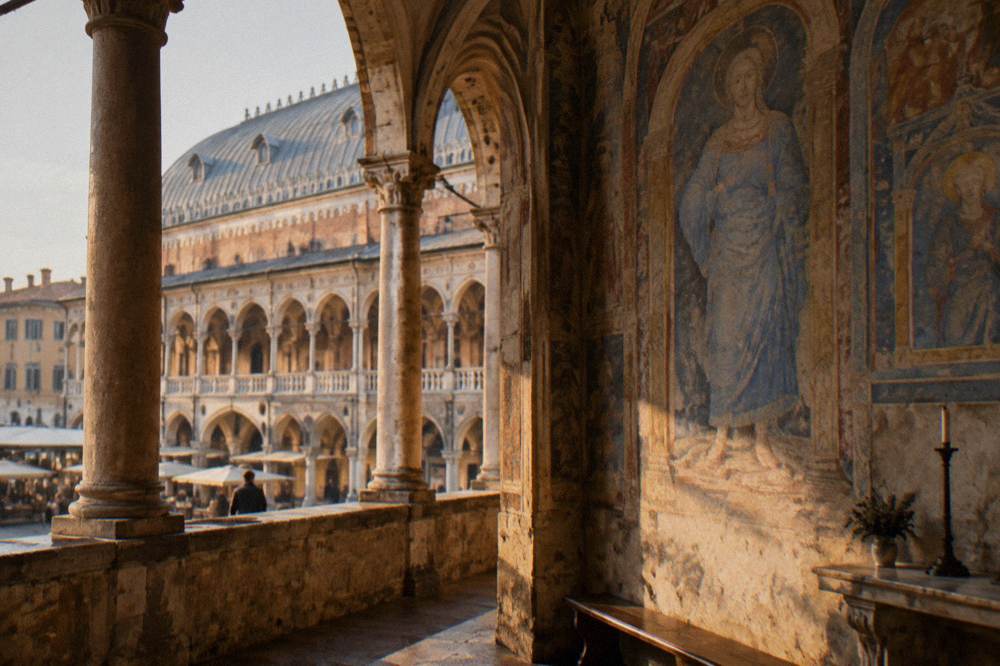
The mechanics matter more in the rain because the waiting room is part of the experience. Visitors pass through a climate-controlled waiting area before entering, which on a wet day is exactly where you want to be: dry, seated and on schedule while the weather sorts itself out outside. Giotto painted the cycle between 1303 and 1305, per the chapel's own site, and the visit is short by design, so plan the museums for the rest of the morning. The Scrovegni Chapel guide covers the cycle itself in depth.
One date to build around: the chapel is closed 16 to 27 November 2026 for the annual fresco inspection. Since November is also the month with the highest rain total in the ERA5 reanalysis, 1991-2020, anyone combining a wet late-November visit with the chapel needs to know the two overlap. There is an evening ticket too, "Giotto sotto le stelle", running 25 March to 1 November, 19:00 to 22:00, chapel only.
The indoor prices around the chapel, as listed by the civic museums:
| Sight | Full price | Notes |
|---|---|---|
| Scrovegni Chapel + museums | EUR 15 (+ EUR 1 booking) | Includes Eremitani and Zuckermann |
| Museums only (no chapel) | EUR 11 | Eremitani and Zuckermann |
| Palazzo della Ragione | EUR 8 | Reduced EUR 6, per padovamusei listings |
| Museo del Risorgimento (Pedrocchi) | EUR 5 | Tue to Sun, split hours |
| Basilica of Saint Anthony | Free entry | Dress suitable for a church |
If the forecast turns the whole city grey, the same railway station that serves the chapel district also serves Verona, about 43 to 60 minutes away by train, and a guided coach day keeps you out of the navigation business entirely. The From Padua, Full Day Tour of Verona and Garda Lake pairs Verona with Lake Garda, and you can Check availability for your date while you watch the rain from under an arcade.
Where Do You Eat In Padua When It Rains?
When it rains in Padua you eat under cover at Sotto il Salone, the permanent market hall beneath Palazzo della Ragione, or inside one of the osterie around Piazza delle Erbe, where the food-and-walk options on this site range from a market-to-osteria tour with tastings to a cooking class with a meal in a local home, all of them indoors by design. The market hall is the anchor: the tourism board presents it as a centuries-old covered market of local products, and on a wet day it doubles as a dry place to graze.
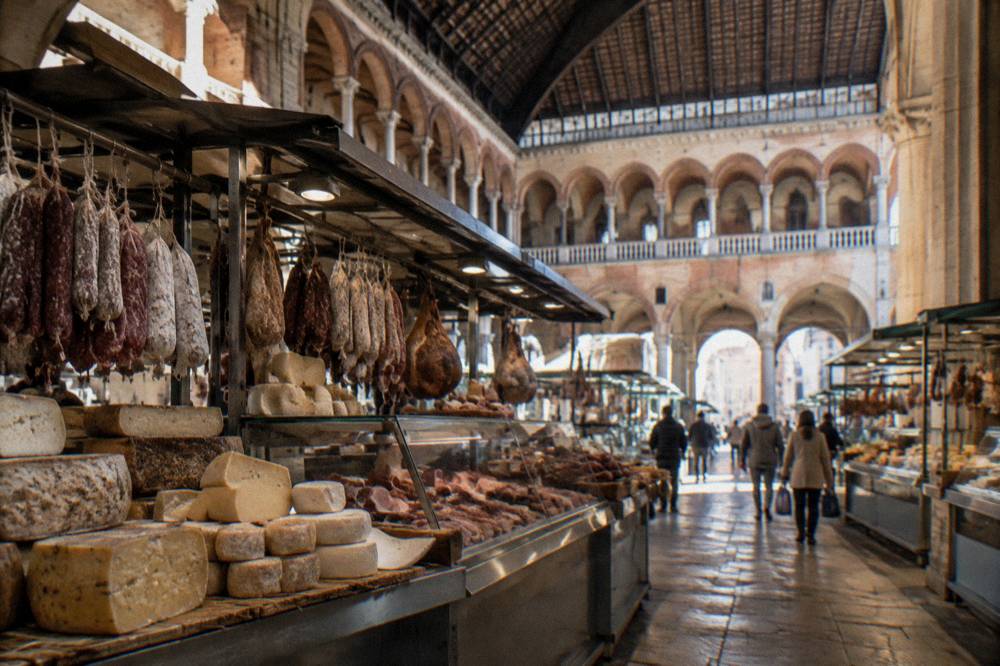
The local dishes worth knowing by name, per the tourism board's own pages, are risotto ricco alla Padovana, capponi alla canevera using the gallina padovana bird, and torta pazientina. The same pages credit Padua with Aperol: created in the city in 1919 by the Barbieri brothers. A spritz under an arcade while the rain comes down is not a consolation prize; it is a locally documented one. The spritz story and the piazza scene are covered in the Padua food guide section of the site's main plan.
For a wet day with a food focus, a guided tastings walk solves both the shelter and the ordering problem at once: someone local picks the stops, and the stops have roofs. The solo pick below is the market-to-osteria walk with its tasters and wine included, a format that keeps you inside for most of its run.
Which Padua Sights Are Indoors And Free?
The free indoor sights in Padua are the Basilica of Saint Anthony, which charges no admission and holds the Saint's tomb and the Chapel of the Relics, the state rooms reachable on the Palazzo del Bo guided visit for a fee, and the covered market halls of Piazza delle Erbe and Piazza della Frutta, while the Torre dell'Orologio is listed as free with a mandatory booking on set days. The Basilica, begun in 1232, a year after Saint Anthony's death on 13 June 1231, is the emotional centre of the city for pilgrims and a genuinely vast dry interior for everyone else.
The dress rule on the Basilica's own regulation page is simply that dress must be suitable for a church environment. Hours are not listed in this article; check the Basilica's own site before you set out, since visits pause during services. The Basilica guide and the Prato della Valle guide cover the full complex, and the square outside, with its canal and its double ring of numbered statues, is worth a rain-hooded lap even on a grey day.
For the university quarter, the Palazzo del Bo guided visit runs about 45 minutes and covers the Aula Magna, Galileo's chair in the Sala dei Quaranta, the anatomical theatre of 1594 and the statue of Elena Lucrezia Cornaro, who graduated in philosophy on 25 June 1678. Slots alternate between Italian and English, and the visit fee is listed on the university's own page. It is an entirely indoor hour, which on a rainy afternoon is the point. The wider set of guides lives on Padua Travel Guide.
Is A Rainy Day Good For A Padua Museum Marathon?
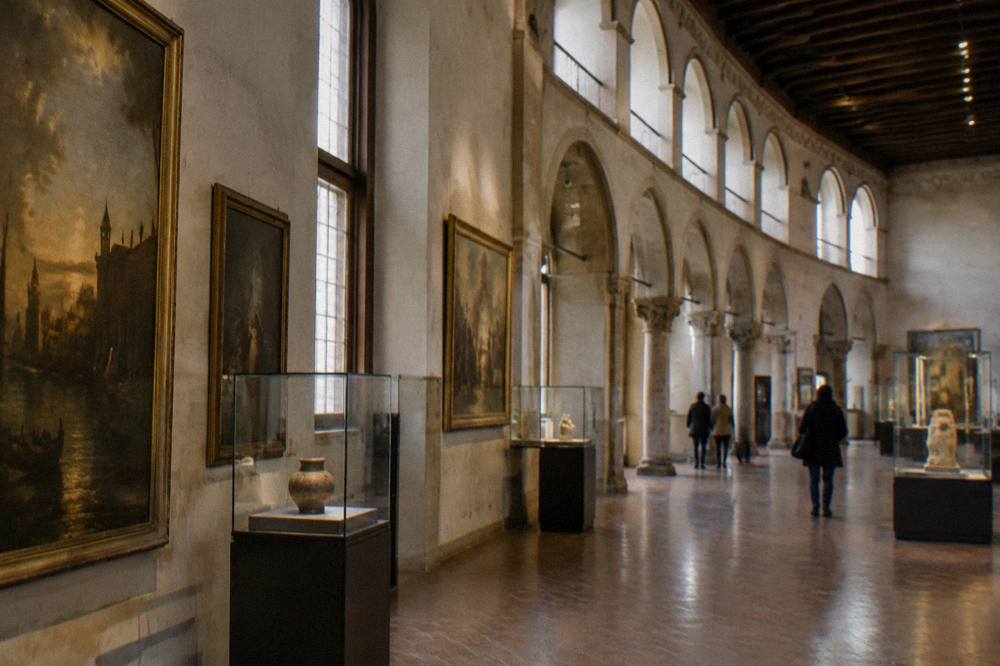
Yes: a rainy day in Padua supports a museum marathon of the Scrovegni Chapel and its two included museums, Palazzo della Ragione, the Museo del Risorgimento at the Pedrocchi complex, and the Palazzo del Bo visit, all indoors, all within the historic centre, with combined ticket costs of roughly EUR 15 plus EUR 8 plus EUR 5 across the civic set and the university fee separate. The Orto Botanico complicates the marathon only because it is mostly outdoors; from 1 September 2026 its ticket is EUR 15 full (EUR 12 in winter, November to February), and greenhouses give partial cover, but a downpour day is better spent on the frescoed interiors.
A sample wet-day museum order, with times from the official pages:
| Time | Stop | Time needed | Indoor? |
|---|---|---|---|
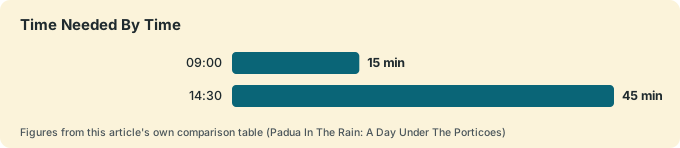
| 09:00 | Scrovegni Chapel slot | 15 min inside, plus waiting room | Yes |
| 09:30 | Musei Civici Eremitani | 45-60 min | Yes |
| 10:45 | Palazzo Zuckermann | 30-45 min | Yes |
| 12:00 | Sotto il Salone and lunch | Open-ended | Yes |
| 14:30 | Palazzo della Ragione | 45 min | Yes |
| 16:00 | Museo del Risorgimento | 30-45 min | Yes |
For travellers who want a narrative with the rooms rather than a self-guided dash, the audio-and-written-guide walk below is a low-cost way to keep moving between interiors with a route in your ear, pausing under porticoes as the rain dictates.
Can You Turn A Rainy Padua Day Into A Train Day Trip?
A rainy day in Padua converts easily into a train day trip: Venice is about 26 to 40 minutes away by regional train for about EUR 5, Vicenza about 16 to 25 minutes for about EUR 6, and Verona about 43 to 60 minutes, all figures reported by rail aggregators and worth confirming on Trenitalia for your date, and the stations at both ends put you indoors within minutes of arrival. The Venice day-tripper access fee is off the table as a worry: the 2026 trial ended on 27 July 2026, and no 2027 decision had been announced.
The logic of the swap is simple. Venice in the rain is still Venice, and its vaporetti and museums are covered in the sense that matters. Vicenza puts the Teatro Olimpico, EUR 12 full per its own site, within a short wet walk of the station. Verona's arena and museum circuit rewards a longer ride. The site's Venice, Vicenza and Verona pages carry the full comparisons. For the Euganean Hills instead of a city, the olive oil and wine half-day in the trio above keeps the day under winery roofs, rain or no rain.
Day-trip rail snapshot:
| Destination | Train time | Regional fare | Cover at arrival |
|---|---|---|---|
| Venice (S. Lucia) | about 26-40 min | about EUR 5 | Station to vaporetto, indoors |
| Vicenza | about 16-25 min | about EUR 6 | Station to centre, short walk |
| Verona | about 43-60 min | check Trenitalia | Station to centre, porticoed stretches |
| Treviso | about 28-60 min | check Trenitalia | Station to walls, short walk |
How Do You Get Around Padua In The Rain Without Getting Soaked?
To get around Padua in the rain with minimal exposure, use the tram line SIR1, which runs north-south through the city, or the urban buses, with a TU1 90-minute ticket at EUR 1.70, a contactless card tap on board at the same fare, or a day ticket at EUR 4.70 per the operator's fare page, and keep the walking legs to the porticoed streets between Piazza delle Erbe and the university quarter. A second tram line, SIR3, is in pre-service testing, but no opening date should be assumed.
The station is well set up for wet arrivals. The tourist office sits at the exit of platform 1, and the left-luggage office on platform 1 is open daily 6:00 to 20:00 at EUR 5 per 6 hours, so a soggy afternoon does not have to be a soggy afternoon with suitcases. The airport bus to Venice Marco Polo, EUR 13 one-way for an adult and about 45 minutes, leaves from the Padua side, which makes the station the natural wet-day hub of the whole plan.
Does It Rain A Lot In Padua?
Padua sees its highest monthly rain total in November, at 114 mm in the ERA5 reanalysis, 1991-2020, with September and October close behind at about 105 mm each, and rain falling somewhere in every month of the year, which makes autumn and early winter the seasons when a rainy-day plan earns its keep, while a long-run climate study reports about 4.4 snowy days a year over 1995 to 2024, with some winters recording none. None of these figures come from a weather station; the climate values are modelled reanalysis for a grid cell at the city centre.
The practical reading: rain in Padua is a normal feature of the calendar rather than an event, and the city's architecture is built for it. The Padua on a budget guide shows how the free sights line up with the porticoes, and the two-day itinerary shows how to hold a museum-heavy day in reserve for whichever of your days turns wet.
If the day is beyond salvaging outdoors, the hills winery visit below is a fully covered alternative, a tasting and tour of an Euganean Hills winery that works as the last item on a soaked itinerary, with a hot drink afterwards under the arcades of Piazza delle Erbe.
For a longer wait-out-the-weather option, the same hills run pairs wine with olive oil and keeps the day on hills wineries and mills rather than open streets.
Common Questions About Padua In The Rain
Is Padua good in the rain?
Yes. The historic centre is arcaded, the headline sights are indoors, and the Scrovegni Chapel visit runs through a climate-controlled waiting room. The markets under Piazza delle Erbe and Sotto il Salone keep trading in wet weather.
What is the rainiest month in Padua?
November, with 114 mm in the ERA5 reanalysis, 1991-2020, followed by September and October at about 105 mm each. Every month of the year shows some rain in the same dataset.
Can you visit the Scrovegni Chapel when it rains?
Yes, the chapel is indoors and timed entry runs in all weather, but you must book a slot in advance; same-day online booking does not exist, and the chapel is closed 16 to 27 November 2026 for the annual fresco inspection.
Does it snow in Padua?
A long-run climate study reports about 4.4 snowy days per year over 1995 to 2024, so snow is possible in winter but not a planning assumption.
What is a good rainy day trip from Padua?
Venice is about 26 to 40 minutes by regional train for about EUR 5, Vicenza about 16 to 25 minutes, and Verona about 43 to 60 minutes, per rail aggregators; confirm times on Trenitalia for your date.
A rainy day in Padua, planned around the chapel slot, the covered markets and the porticoes, delivers nearly everything the city is famous for with an umbrella barely opened.
