Two Days In Padua: Frescoes First, Then The Hills
Two days cover Padua's frescoes, the Basilica of Saint Anthony and the Orto Botanico, with room on the second afternoon for the Euganean Hills.
Short answer
Book the Scrovegni Chapel slot for the morning of day one, walk the historic centre and the Santo the same day, then give day two to the Orto Botanico, Palazzo del Bo and an afternoon in the Euganean Hills.
Padua (Italian: Padova) sits inland in the Veneto, northern Italy, about 36 km in a straight line from Venice, and two days is the stretch in which the city's headline art finally fits: Giotto's frescoes in the Scrovegni Chapel, the Basilica of Saint Anthony, the fourteenth-century cycles that earned the city its 2021 UNESCO inscription, and the Orto Botanico, the university garden founded in 1545 that carries the city's other World Heritage listing. The plan below puts the timed-entry chapel first, walks the arcaded centre around the markets, and reserves the second afternoon for the Euganean Hills a short bus or train ride south.
Is Two Days Enough For Padua?
Two days is enough for Padua's core sights if the Scrovegni Chapel slot is booked before arrival, because the chapel's timed-entry rule, at most 25 people every 15 minutes and roughly 15 minutes inside, makes it the one appointment the whole schedule has to bend around. The rest of the centre is compact: the Santo, Prato della Valle, Piazza delle Erbe and the Orto Botanico sit within walking distance of each other, and the hills begin about 8 km south.
The single decision that shapes the trip is the chapel booking. The chapel's own site states that same-day online booking does not exist, that unbooked visitors should check availability at the Museum ticket office, and that late arrivals must rebook and pay again. Advance slots from 9:00 to 18:45 are bookable online or by phone at +39 049 2010020. Plan around one fixed morning slot and let everything else flex.
One date to keep in mind: the chapel is closed 16 to 27 November 2026 for the annual fresco inspection, so a two-day plan in that window has to swap the chapel for the evening-free alternatives or move the visit to another week.
The broader itinerary logic follows the city's geography. Day one stays north and central: the chapel and its museums at the top of Corso Garibaldi, then the markets and Palazzo della Ragione, then the Basilica of Saint Anthony and Prato della Valle. Day two keeps the morning central with the Orto Botanico and Palazzo del Bo, then goes out to the Euganean Hills for the afternoon, which three days in Padua would let you slow down further.
Day One In Padua: Frescoes, Markets And The Santo
Start day one at the Scrovegni Chapel with the first timed slot you can book, follow it with the Musei Civici Eremitani that the same daytime ticket covers, then walk south through Piazza delle Erbe and Palazzo della Ragione to the Basilica of Saint Anthony and Prato della Valle, ending at the Saturday market square if the day allows. The chapel sits at the northern edge of the centre, the Santo at the southern edge, and the whole line is a flat walk through arcades.
The chapel visit itself is short by design. The chapel's own booking page lists a wait in a climate-controlled waiting room, about 15 minutes inside, and arrival 5 minutes before the slot time. Giotto painted the cycle "in just two years, between 1303 and 1305", per the chapel's site, and the scenes run through the Stories of Joachim and Anne, the Life of the Virgin and Christ, the Vices and Virtues and a Last Judgment on the entrance wall. Enrico Scrovegni commissioned it on land bought in 1300 that included the remains of the Roman amphitheatre, which is why it is also called the Arena Chapel; that arena is Padua's Roman one, not Verona's.
| Ticket | Full price | Reduced | Notes |
|---|---|---|---|
| Musei + Cappella (daytime) | EUR 15 | EUR 11 | Residents EUR 5; covers Musei Civici Eremitani and Palazzo Zuckermann |
| Booking fee for the chapel | EUR 1 | EUR 1 | Added to each chapel ticket |
| Musei only | EUR 11 | EUR 9 | Without the chapel |
| Family card | EUR 30 | - | Up to two adults and two under-18s, plus EUR 1 per person chapel booking |
| Evening visit (chapel only) | - | - | 25 March to 1 November, 19:00 to 22:00, every 20 minutes |
A ticket with an audio guide is one way to keep the choreography simple, and the site's featured option is the Scrovegni Chapel Ticket and Audio Guide. For a fuller first morning, the city-walk alternative pairs the chapel with a guided circuit of the centre, and an inline check of live slots takes one click: Check availability.
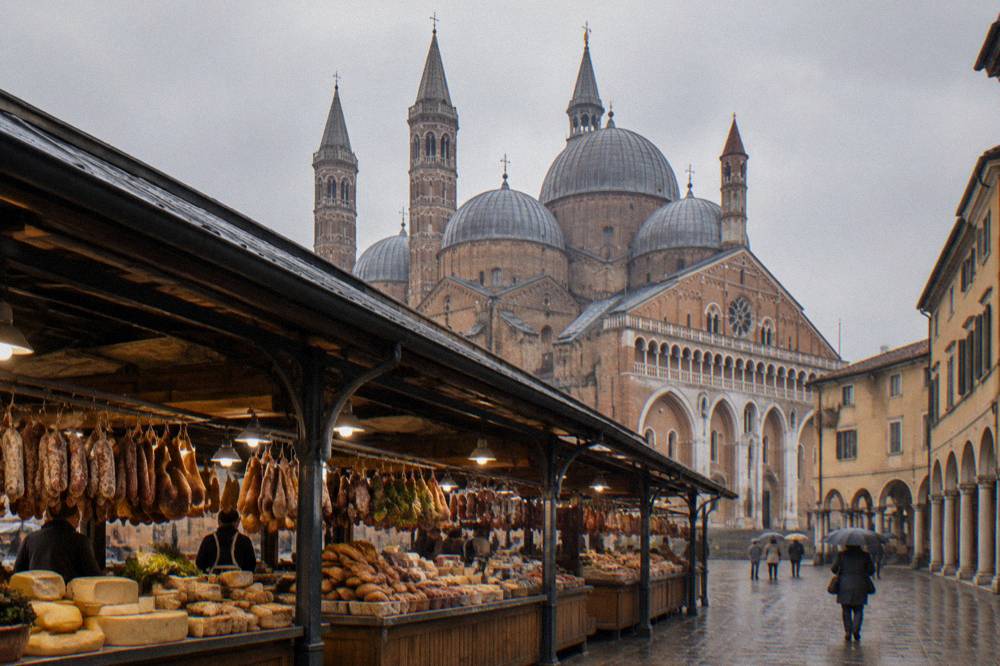
After the chapel, the same daytime ticket admits the Musei Civici Eremitani (open 9:00 to 19:00, non-holiday Mondays too) and Palazzo Zuckermann (Tuesday to Sunday, 10:00 to 19:00). Then walk south. Piazza delle Erbe's market runs Monday to Friday 7:30 to 13:30 and Saturday 7:30 to 20:00, per the Comune di Padova's market page, with Piazza dei Frutta's stalls next door. Under Palazzo della Ragione sits Sotto il Salone, the permanent covered food market. The Palazzo della Ragione guide has the entry prices (EUR 8 full, EUR 6 reduced) and the two halls that make up the upper floor.
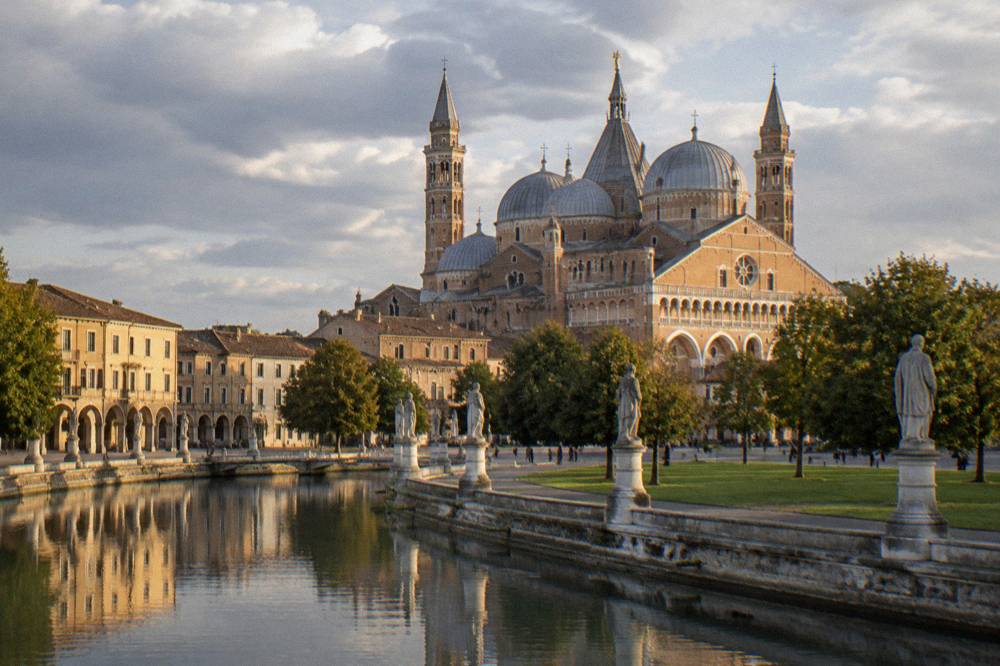
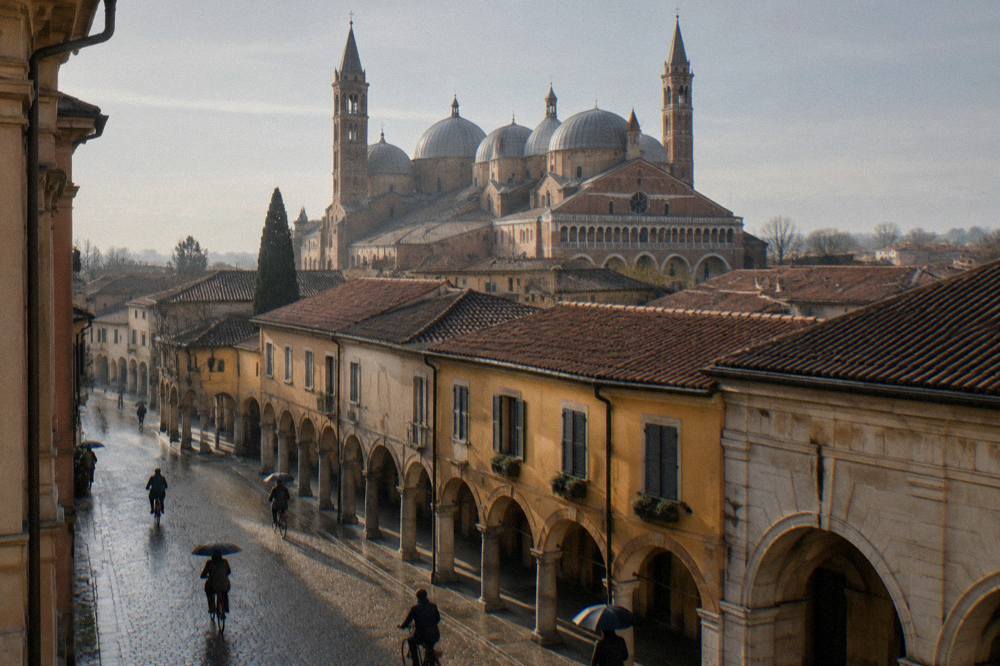
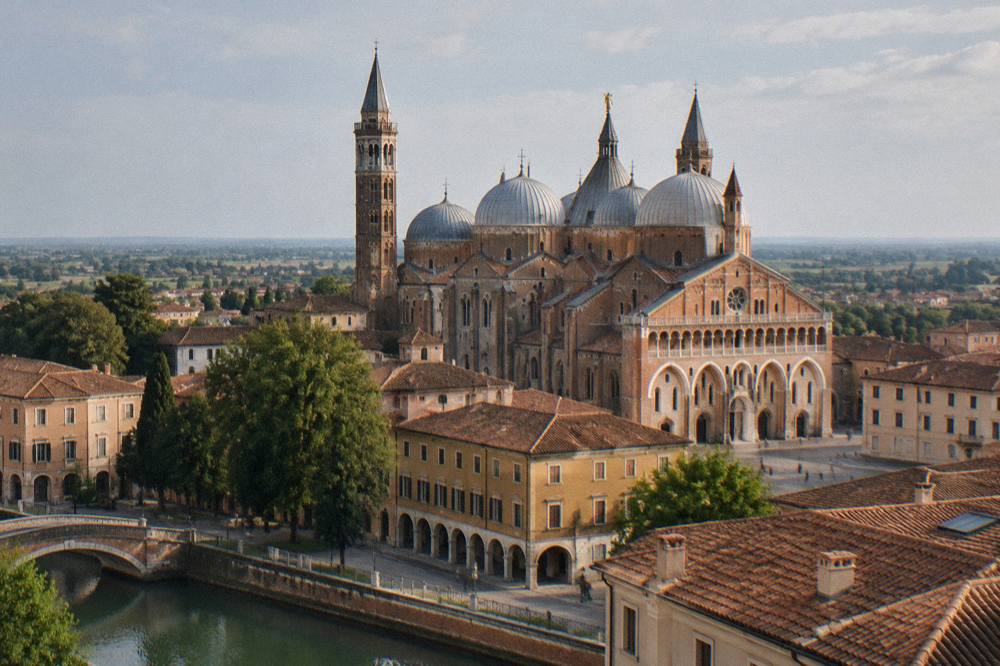
The afternoon belongs to the south of the centre. The Basilica of Saint Anthony, begun in 1232 a year after the Saint's death on 13 June 1231, holds his tomb and the Chapel of the Relics, and entry is free, though hours should be confirmed as visits pause during functions. Donatello's equestrian Gattamelata stands in the piazza outside. Ten minutes further south, Prato della Valle is a broad elliptical space ringed by a canal lined with a double ring of numbered statues of famous people, declared communal space by the Venetian Senate in 1767. The Prato della Valle guide covers the layout, and on Saturdays the square also hosts the city's non-food and plant market from 8:00.
Day Two In Padua: Botanical Garden, University And The Hills
Give the second morning to the Orto Botanico and Palazzo del Bo, both within a few blocks of each other near the university quarter, then spend the afternoon in the Euganean Hills, where Arqua Petrarca sits about 20 km and Abano Terme about 8 km from the centre in straight-line distance. The garden opens at 10:00 and the historic university tour runs in alternating Italian and English slots, so the pairing works in either order.
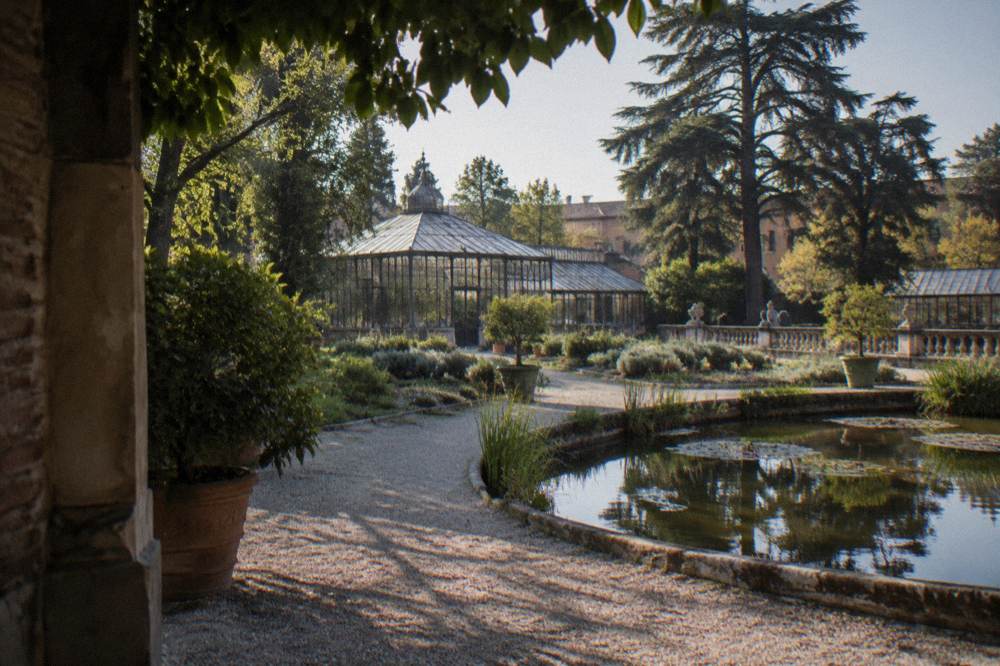
The Orto Botanico's tariffs changed on 1 September 2026: EUR 15 full for ages 26 to 64, EUR 12 full in winter (November to February), EUR 10 reduced for visitors 65 and over and Padua province residents, EUR 8 winter reduced. Hours shift seasonally: October's opening runs 10:00 to 18:00, and from Saturday 24 October the garden closes at 17:00 with last entry at 16:15. The garden is closed on non-holiday Mondays, and an audioguide is included. Founded in 1545 as the world's first university botanical garden, it was inscribed by UNESCO in 1997.
| Orto Botanico ticket | Price | Who it applies to |
|---|---|---|
| Full | EUR 15 | Ages 26 to 64 |
| Winter full | EUR 12 | November to February |
| Reduced | EUR 10 | 65 and over, teachers, Padua province residents |
| Winter reduced | EUR 8 | November to February, reduced categories |
Palazzo del Bo, the historic university seat, is visited on a guided "Giro storico" of about 45 minutes: EUR 10 full, EUR 8 reduced, EUR 6 for ages 6 to 25, EUR 5 for school groups. The route listed by the university includes the Aula Magna, Galileo's chair in the Sala dei Quaranta, the anatomical theatre inaugurated in 1594, the Medicine and Law halls and the statue of Elena Lucrezia Cornaro Piscopia, who graduated in philosophy on 25 June 1678 as the first woman university graduate. Galileo held the chair of mathematics here from 1592 to 1610, years he called the best eighteen of his life. Not every room is guaranteed every day; the booking centre is 049 827 3939.
For the afternoon, the hills are the reward. Buses run toward Abano and Montegrotto Terme, and the Euganean Hills day-trip guide maps the options: Arqua Petrarca, Monselice, Este and the spa towns. Arqua Petrarca's Casa del Petrarca charges EUR 6 full and EUR 4 reduced and closes on non-holiday Mondays. A guided hills trip that folds in wine and olive oil is a second option that leaves the driving to someone else.
How Much Does Two Days In Padua Cost?
Count on EUR 15 plus the EUR 1 booking fee for the chapel and museums, EUR 15 for the Orto Botanico at the post-September-2026 tariff, EUR 10 for the Palazzo del Bo tour, and EUR 1.70 per urban 90-minute bus or tram ride, so two people spend roughly EUR 90 on entries and local transport before food and accommodation, using only printed civic prices. The Basilica of Saint Anthony is free, as is Prato della Valle, the markets and the walk between them.
Accommodation adds a tourist tax, the imposta di soggiorno, charged per person per night by the accommodation itself and capped at five consecutive nights; rates vary by category and the Comune di Padova's tax page is the place to confirm them. Under-16s and hostel guests are exempt. The full index of guides sits on Padua Travel Guide.
Food costs sit lowest at the markets. Sotto il Salone under Palazzo della Ragione is the permanent covered food market, and the tourism board names the city's three patented recipes: risotto ricco alla Padovana, cappone alla canevera and torta pazientina, with bigoli, baccala and gallina padovana as standard local dishes. A guided food walk bundles a string of tastings with a local guide if counting stops yourself is not the plan.
| Item | Price | Notes |
|---|---|---|
| Scrovegni Chapel + museums, full | EUR 15 + EUR 1 | Also covers Palazzo Zuckermann |
| Orto Botanico, full | EUR 15 | EUR 12 November to February |
| Palazzo del Bo guided tour | EUR 10 | EUR 8 reduced, about 45 minutes |
| Palazzo della Ragione | EUR 8 | EUR 6 reduced, optional EUR 1 booking fee |
| Urban ticket TU1 | EUR 1.70 | 90 minutes, bus and tram |
| Daily urban ticket | EUR 4.70 | Orange zone, per day |
| Basilica of Saint Anthony | Free | Offerings welcome |
Budget levers are honest ones: the budget itinerary shows what a single day can hold, the free things angle lists what costs nothing, and the Scrovegni's evening ticket from 25 March to 1 November is chapel-only, which suits a second visit or a late arrival day.
What Should You Eat And Drink Across Two Days In Padua?
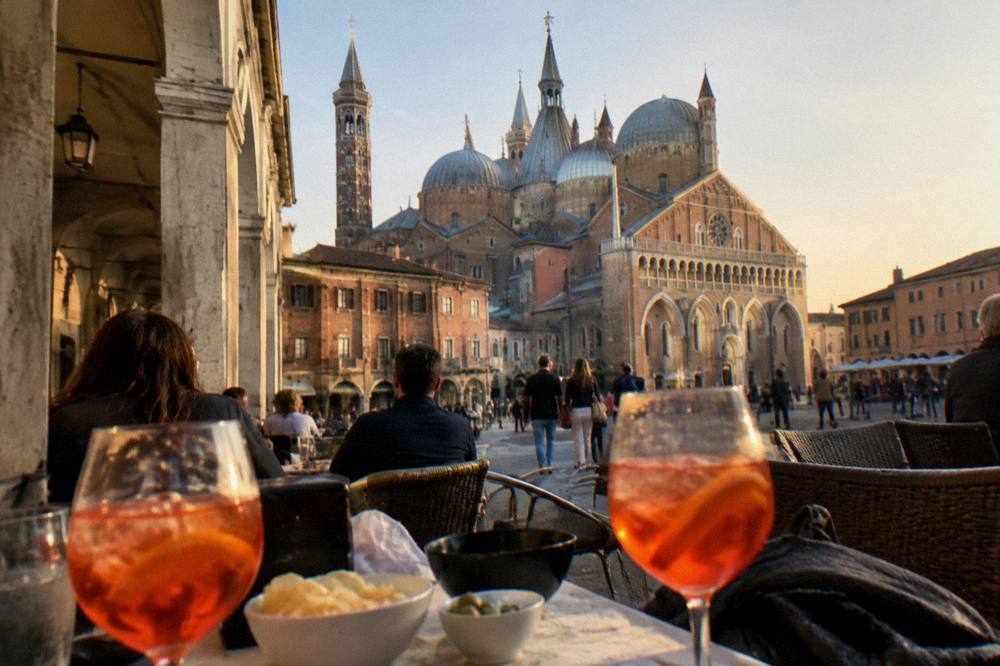
Build eating around the markets and the squares: morning coffee and pastries near Piazza delle Erbe, lunch from Sotto il Salone or a market stall, an afternoon spritz in the piazza, and dinner after the Santo closes, with Aperol as the local thread, since it was created in Padua in 1919 by the Barbieri brothers and presented at the city fair. The tourism board's enogastronomia pages put the evening aperitivo culture squarely in Piazza delle Erbe and Piazza dei Signori.
The market hours are fixed and published: Piazza delle Erbe Monday to Friday 7:30 to 13:30 and Saturday to 20:00; Piazza dei Frutti for food Monday to Wednesday 8:00 to 14:00 and Thursday to Saturday to 19:00. Saturday also brings the Prato della Valle market, and every third Sunday of the month the antiques market fills Prato della Valle and via Umberto I from 8:00. A second Saturday-only plan, or a weekend with Venice split, changes which of these you catch.
Caffe Pedrocchi, opened in 1831 and designed by Giuseppe Jappelli, is the historic cafe on the edge of the squares, known for the caffè Pedrocchi alla menta and once billed as the "caffe senza porte", the cafe without doors, until 1916. The Caffe Pedrocchi guide covers its history and the Risorgimento museum upstairs. For the spritz itself, a guided walk keeps the evening short and the pours counted.
| Market | Days and hours | Focus |
|---|---|---|
| Piazza delle Erbe | Mon-Fri 7:30-13:30, Sat 7:30-20:00 | Fruit, vegetables, flowers |
| Piazza dei Frutti (food) | Mon-Wed 8:00-14:00, Thu-Sat 8:00-19:00 | Food |
| Piazza dei Frutti (non-food) | Tue-Fri 8:00-14:00, Sat 8:00-19:00 | Non-food |
| Prato della Valle | Saturdays, winter 8:00-19:00, summer 8:00-20:00 | Plants, flowers, non-food |
| Antiques market | Third Sunday monthly, 8:00-20:00 | Antiques, Prato della Valle and via Umberto I |
What About Weather And Rain Across Two Days In Padua?
Padua's climate is continental northern Italian: the ERA5 reanalysis for 1991-2020 gives January a mean high of 7.3 C and a mean low of -0.2 C, July and August a mean high of 28.8 C, and November the highest monthly rain total at 114 mm, with September and October near 105 mm each, so a two-day visit at either shoulder of summer carries the umbrella. January is the month with the lowest rain total, 53.6 mm.
The reworkings are easy because the heavy sights are indoor. The chapel, the Eremitani museums, Palazzo Zuckermann, Palazzo della Ragione, the Palazzo del Bo tour and the Orto Botanico's greenhouses all take a wet afternoon, and the rainy-day itinerary sequences exactly that. Snow is rare in recent decades: a long climate series covering 1725 to 2024 puts the 1995 to 2024 average near 4.4 snowy days a year, down from about 10.4 in the 1785 to 1814 period.
| Month | Mean high (C) | Mean low (C) | Rain (mm) |
|---|---|---|---|
| January | 7.3 | -0.2 | 53.6 |
| April | 17.6 | 7.8 | 84.4 |
| July | 28.8 | 18.9 | 62.1 |
| September | 23.6 | 14.9 | 105.5 |
| November | 12.6 | 5.5 | 114.0 |
Figures are modelled normals from the ERA5 reanalysis, 1991-2020, not a weather-station record, so treat them as planning ranges rather than forecasts.
Can You Add A Day Trip To Two Days In Padua?
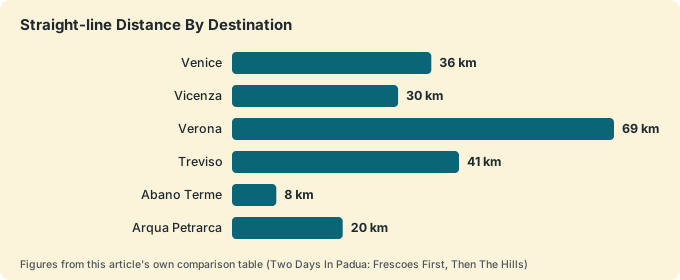
Yes, because Padua is a rail hub: Venice is about 26 to 40 minutes away by train and about 36 km in a straight line, Vicenza about 16 to 25 minutes and 30 km, Verona about 43 to 60 minutes and 69 km, so a morning in the chapel plus an afternoon in Venice is a real third-day shape, and the Euganean Hills towns sit even closer. Regional fares run about EUR 5 to Venice and about EUR 6 to Vicenza.
The Venice angle carries one caveat worth printing: the city's day-tripper access fee trial ended on 27 July 2026, and no decision for 2027 had been announced, so a Padua-based day trip does not currently require paying it. The Venice guide covers the crossing. For a slower third day, the Veneto itinerary strings Padua with Vicenza, Verona and the hills.
| Destination | Straight-line distance | Train time | Regional fare |
|---|---|---|---|
| Venice | 36 km | About 26-40 min | About EUR 5 |
| Vicenza | 30 km | About 16-25 min | About EUR 6 |
| Verona | 69 km | About 43-60 min | Check Trenitalia |
| Treviso | 41 km | About 28-60 min | Check Trenitalia |
| Abano Terme | 8 km | Bus, check Busitalia | - |
| Arqua Petrarca | 20 km | Bus, check Busitalia | - |
The hills themselves deserve the whole spare afternoon. Beyond Arqua Petrarca, the Prosecco Hills day trip heads north of Treviso toward the Conegliano-Valdobbiadene ridge, and the Praglia Abbey guide covers the monastery at the foot of the hills. If two days is all there is, pick one hill town and one long dinner, and leave the rest for a return.
Common Questions About Two Days In Padua
Is 2 days in Padua enough?
Two days covers the Scrovegni Chapel, the Basilica of Saint Anthony, Prato della Valle, the markets, the Orto Botanico and Palazzo del Bo, with an afternoon spare for the Euganean Hills. The answer to how many days you need in Padua depends on whether a Venice or Verona day trip is on the list.
How do I book the Scrovegni Chapel for a two-day visit?
Book a timed slot in advance on the chapel's own booking site or by phone at +39 049 2010020, since same-day online booking does not exist and unbooked visitors must check the Museum ticket office in person. Arrive 5 minutes before the slot; late arrivals must rebook and pay again.
What is the best order for the sights in 2 days in Padua?
Chapel and its museums first on day one, then Piazza delle Erbe, Palazzo della Ragione, the Santo and Prato della Valle. Day two: Orto Botanico and Palazzo del Bo in the morning, the Euganean Hills in the afternoon.
Can you visit Venice from Padua on a two-day trip?
Yes. Venice is about 36 km away in a straight line and trains take about 26 to 40 minutes, with a regional fare of about EUR 5. The Venice day-tripper access fee trial ended on 27 July 2026 and no 2027 decision had been announced.
Is Padua walkable in two days?
The historic centre is flat and compact, and day one's line from the chapel to Prato della Valle is entirely walkable through arcaded streets. Buses and the tram use the EUR 1.70 90-minute urban ticket for longer hops.
What does the Scrovegni Chapel ticket include?
The daytime ticket, EUR 15 full plus a EUR 1 booking fee, covers the chapel, the Musei Civici Eremitani and Palazzo Zuckermann. The evening visit from 25 March to 1 November is chapel only. The chapel is closed 16 to 27 November 2026 for the annual fresco inspection.
Two days, booked around one timed slot and one hill-town afternoon, is the shape in which Padua's two UNESCO listings, its markets and its university quarter all get their turn without a sprint.