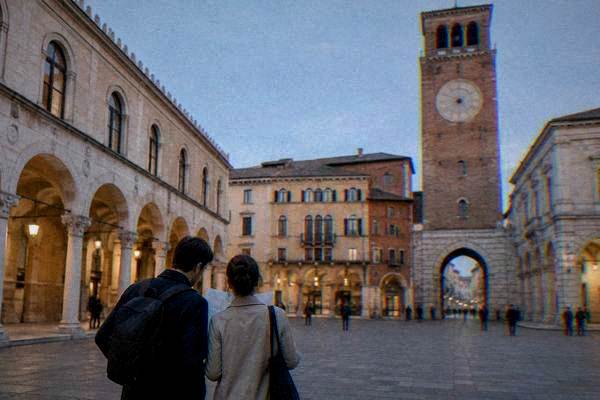
Padua On A Budget: Real Costs Per Day
Padua, in the Veneto about 36 km inland from Venice, is one of northern Italy's more affordable city breaks, provided you know which prices are fixed and which traps to sidestep.
Short answer
A budget day in Padua can run on a EUR 1.70 urban transport ticket, a free Basilica of Saint Anthony visit and market-square food, with the Scrovegni Chapel at EUR 15 plus a EUR 1 booking fee as the one big fixed cost.
Padua (Padova), an inland city in the Veneto about 36 km in a straight line from Venice, prices itself like a working university town rather than a resort, and that shapes every line of a budget here. The big fixed costs are few: the Scrovegni Chapel's timed ticket, the Orto Botanico's 2026 tariff and, if you sleep here, a tourist tax the accommodation collects. Nearly everything else, from the Basilica of Saint Anthony to the market squares and the Prato della Valle, costs nothing to walk into. This page sets out the real numbers, each one from an official source, and the tactics that keep a day, a weekend or a base-camp week affordable.
The economics are simple at heart. A urban bus or tram ticket is EUR 1.70 for 90 minutes, the regional train to Venice costs about EUR 5, and the city's two headline sights bracket the scale: the Basilica is free, the chapel is EUR 15 plus a EUR 1 booking fee. Between those poles sits a student city of about 76,000 enrolled at a university founded in 1222, which keeps market food, bike culture and free public rooms in Piazza delle Erbe and Prato della Valle part of daily life rather than a visitor economy. The pages on things to do in Padua cover the full sight list; this one stays on the money.
What Does A Day In Padua On A Budget Actually Cost?
A bare-bones day in Padua can cost under EUR 20 per person: EUR 1.70 for a 90-minute urban ticket, a free Basilica of Saint Anthony visit, free squares and markets, and a EUR 15 Scrovegni Chapel ticket with its EUR 1 booking fee as the single large outlay. Add the EUR 10 Palazzo del Bo tour or the EUR 15 Orto Botanico ticket and the day still lands well under EUR 50 before food and bed. Those are the official figures from the museums, the university and the transit operator, not estimates.
The structural point is that Padua's costs are front-loaded into two or three ticketed sights, while the fabric of the city, the arcades, the river paths, the statues of Prato della Valle, the markets under Piazza delle Erbe, charges nothing. A traveller who pays for the chapel and nothing else still sees the substance of the town. A traveller who adds every civic museum spends less than a single heavy museum day in a larger city would cost.
The table below collects the fixed costs that repeat across every budget plan. Treat it as the skeleton of the day; the sections after it deal with the traps.
| Cost item | Price | Notes |
|---|---|---|
| Urban bus/tram ticket (TU1) | EUR 1.70 | 90 minutes, tap a contactless card on board |
| Urban daily ticket | EUR 4.70 | Covers repeated rides in the city zone |
| Scrovegni Chapel daytime ticket | EUR 15 full, EUR 11 reduced | Also covers Musei Civici Eremitani and Palazzo Zuckermann, plus EUR 1 booking fee |
| Orto Botanico ticket | EUR 15 full | From 1 September 2026; EUR 12 in winter (Nov to Feb) |
| Palazzo del Bo guided tour | EUR 10 full | Reduced EUR 8, special reduced EUR 6, school EUR 5 |
| Regional train Padua to Venice | about EUR 5 | 26 to 40 minutes |
| Station left luggage | EUR 5 | Per 6 hours, platform 1, 6:00 to 20:00 |
One line deserves its own warning: the Scrovegni Chapel is timed entry only, at most 25 people every 15 minutes, and it closes completely from 16 to 27 November 2026 for the annual fresco inspection. Anyone whose budget itinerary leans on the chapel should check the booking calendar before fixing travel dates, because there is no same-day online booking and walk-up availability is decided at the museum ticket office.
How To Get To Padua Without Overspending
The cheapest arrival is the regional train: Venice to Padua costs about EUR 5 and takes 26 to 40 minutes, while from Venice Marco Polo airport the direct Busitalia coach costs EUR 13 one-way, about 45 minutes, with a child fare of EUR 6.50. From Vicenza the regional fare is about EUR 6. Those three numbers are the whole arrival problem for a budget trip.
The airport bus deserves emphasis because it removes the taxi question entirely: 54 runs a day, every 40 minutes, from 05:30 to 22:50 out of Padua and 06:30 to 23:50 from the airport, per the operator's own service page. A same-day return costs EUR 23, which beats two singles. Full arrival routes, including train options from Milan and Rome, are laid out in How To Get To Padua and Venice Airport To Padua.
Two arrival traps cost real money. The first is assuming Venice charges a day-tripper fee: the 2026 access-fee trial ended on 27 July 2026, the fee does not apply after that date, and no decision for 2027 had been announced, so nobody should budget for it or pay a reseller for it. The second is Treviso airport: there is no confirmed direct bus to Padua, and the workaround usually means a transfer, so compare the total against a Marco Polo flight before booking the cheaper ticket.
Which Padua Sights Are Free?
The Basilica of Saint Anthony is free to enter, including the Saint's tomb and the Chapel of the Relics, and the free list also runs to Prato della Valle with its canal and double ring of statues, Piazza delle Erbe and Piazza dei Frutti, the Sunday-open markets, the porticoed streets of the centro storico, and the Torre dell'Orologio, which is free with a mandatory booking on set days. That is a complete sightseeing day at zero ticket cost.
The Basilica is the anchor. Construction began in 1232, a year after Saint Anthony died in the city on 13 June 1231, and entry has stayed free, with a dress code described on the basilica's own site as suitable for a church environment. Outside, Donatello's equestrian statue of Gattamelata stands in Piazza del Santo, and the square itself costs nothing to linger in.
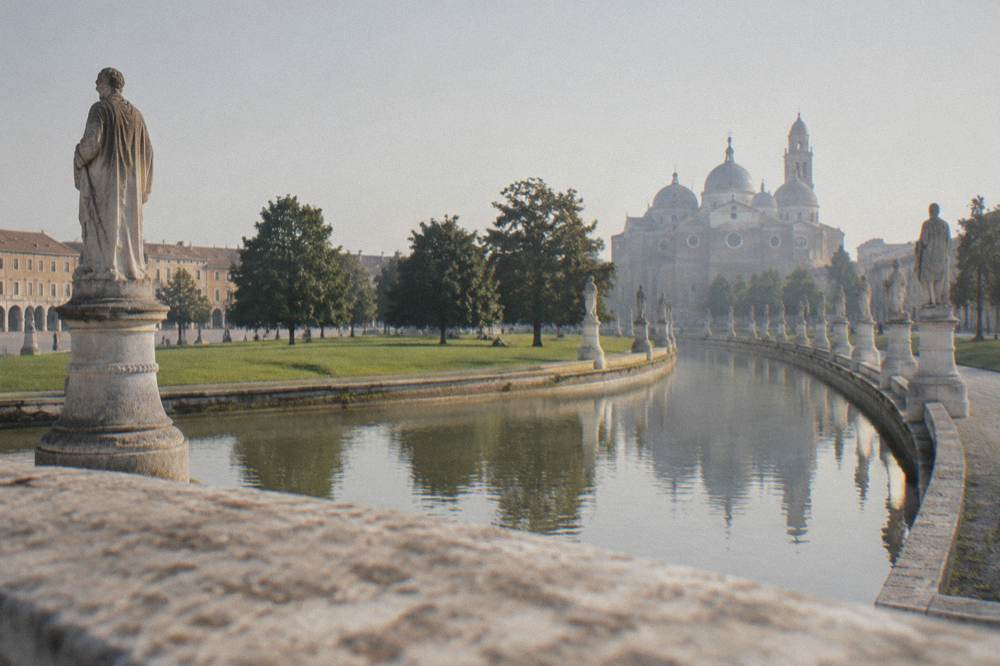
Prato della Valle has its own history worth a sentence: the Venetian Senate declared it communal space in 1767, and the reclaiming work under Andrea Memmo produced the canal and the numbered statues of famous figures that circle the island today. Its size is often exaggerated online; no reliable area figure exists, so this page prints none. What is certain is that the Saturday market fills it from 8:00 to 19:00 in winter and 8:00 to 20:00 in summer, per the Comune di Padova's market page.
| Free sight | What you get | Official detail |
|---|---|---|
| Basilica of Saint Anthony | Tomb of the Saint, Chapel of the Relics | Free entry, dress code suitable for a church |
| Prato della Valle | Canal, statue ring, Saturday market | Declared communal space by the Venetian Senate in 1767 |
| Piazza delle Erbe market | Fruit, vegetables, flowers, 52 stalls | Mon to Fri 7:30 to 13:30, Sat 7:30 to 20:00 |
| Piazza dei Frutti market | Food and non-food stalls | Food Thu to Sat to 19:00, per the Comune |
| Antiques market | Stalls at Prato della Valle and via Umberto I | Third Sunday of the month, 8:00 to 20:00 |
| Torre dell'Orologio | Tower visit | Free with mandatory booking on set days |
The free list pairs naturally with a low-cost guided option. Padua: Discover the Historic Center is this site's featured budget walk, and its listing can be checked live with Check availability. For a near-free self-guided alternative, the audio-and-written-guide walk below prices like a coffee.
What Do Padua's Paid Sights Cost?
The headline paid sights cost EUR 15 for the Scrovegni Chapel combo (plus EUR 1 booking), EUR 15 for the Orto Botanico from 1 September 2026, EUR 10 for the Palazzo del Bo tour, EUR 8 for Palazzo della Ragione and EUR 5 for the Museo del Risorgimento or the Loggia and Odeo Cornaro, per the museums' and university's own price pages. A day that bought several of them in combination still spends far less than a heavy museum day in a larger city would cost.
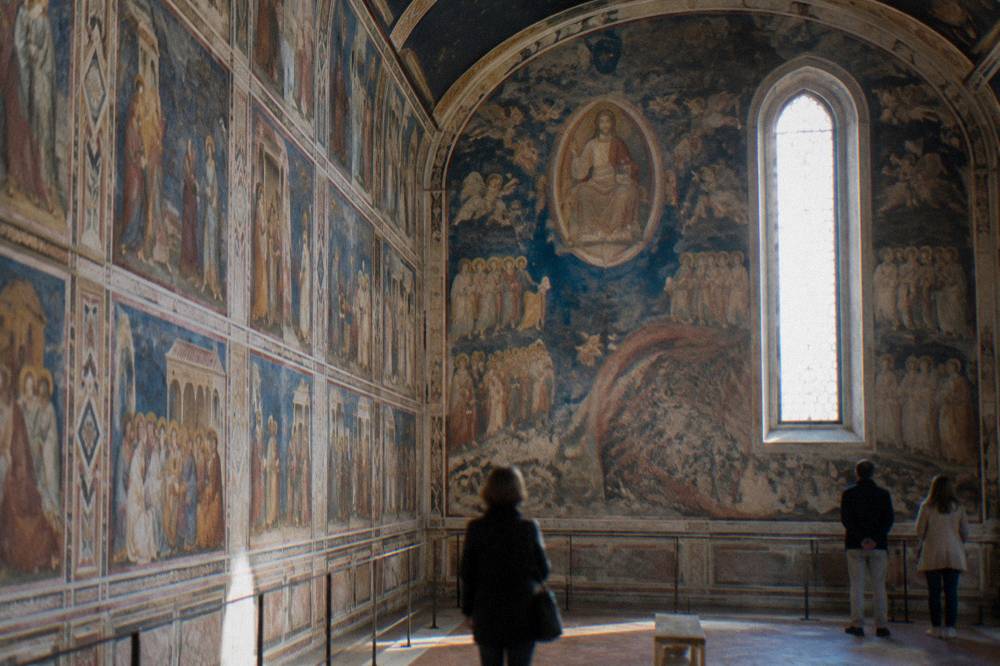
The chapel ticket is better value than it looks, because the daytime EUR 15 ticket also covers the Musei Civici Eremitani and Palazzo Zuckermann. The evening ticket, Giotto sotto le stelle, running 25 March to 1 November from 19:00 to 22:00 every 20 minutes, is chapel only, so a budget traveller who wants the museums should buy daytime. Families have a dedicated route too: the family card is EUR 30 plus EUR 1 per person for the chapel booking, covering up to two adults and two under-18s.
| Sight | Full price | Reduced / notes |
|---|---|---|
| Scrovegni Chapel (daytime, museums included) | EUR 15 | EUR 11 reduced, EUR 5 residents, EUR 5 for young people and students per the printed conditions, EUR 1 booking fee |
| Orto Botanico | EUR 15 (from 1 Sept 2026) | EUR 10 reduced (65+ and others), EUR 12 / EUR 8 winter (Nov to Feb) |
| Palazzo del Bo guided tour | EUR 10 | EUR 8 reduced, EUR 6 special reduced, EUR 5 schools, about 45 minutes |
| Palazzo della Ragione | EUR 8 | EUR 6 concessions, Tue to Sun 9:00 to 19:00 |
| Museo del Risorgimento (Pedrocchi) | EUR 5 | EUR 4 / EUR 3 reduced |
| Loggia and Odeo Cornaro | EUR 5 | EUR 4 / EUR 3 reduced, seasonal hours |
The university tour repays its EUR 10 for anyone interested in the institution's 1222 founding. The route takes in the Aula Magna, Galileo's chair in the Sala dei Quaranta, the anatomical theatre inaugurated in 1594 and the statue of Elena Cornaro Piscopia, who graduated in philosophy on 25 June 1678 as the first woman university graduate in recorded history. Slots alternate between Italian and English, and booking runs through the university centre on 049 827 3939, per the university's own tour page.
Anyone weighing a multi-site pass should read the site's dedicated page on the Urbs Picta card question before committing, because the Scrovegni Chapel keeps its own mandatory timed booking whatever else a ticket covers. The eight fresco-cycle sites that make up the 2021 UNESCO inscription are listed on the UNESCO page.
How To See The Scrovegni Chapel Without Wasting Money
Book the EUR 15 daytime ticket yourself on the chapel's official booking site, pay the EUR 1 fee, arrive five minutes before the slot, and spend about 15 minutes inside after the climate-controlled waiting room; there is no same-day online booking, and late arrivals must rebook and pay again. That sequence is the chapel's own published procedure, and following it directly avoids every markup a reseller can add.
The economics of timing matter more than the economics of price, because the tariff is flat: the daytime ticket costs EUR 15 whether it is June or January. The variable is availability, since entries are capped at 25 people every 15 minutes from 9:00 to a last entry at 18:45. The chapel's booking page shows slots open until 10 February 2027, and the call centre on +39 049 2010020 takes bookings up to the day before with a card. More of these guides are collected on Padua Travel Guide.
Budget travellers who miss the daytime window entirely have two honest fallbacks. The evening Giotto sotto le stelle visit runs chapel-only slots every 20 minutes from 19:00 to 22:00 between 25 March and 1 November. And the reduced rows are real money: young people and students are listed at EUR 5, and residents of Padua pay EUR 5 as well, so check the conditions on the museums' price page before paying full fare. The full booking mechanics, including the November 2026 closure, are on Scrovegni Chapel tickets.
A guided option is not wasteful if the guide adds the context the 15-minute visit cannot. The listing below covers the chapel with a guide and prices below the private alternatives.
Getting Around Padua Cheaply
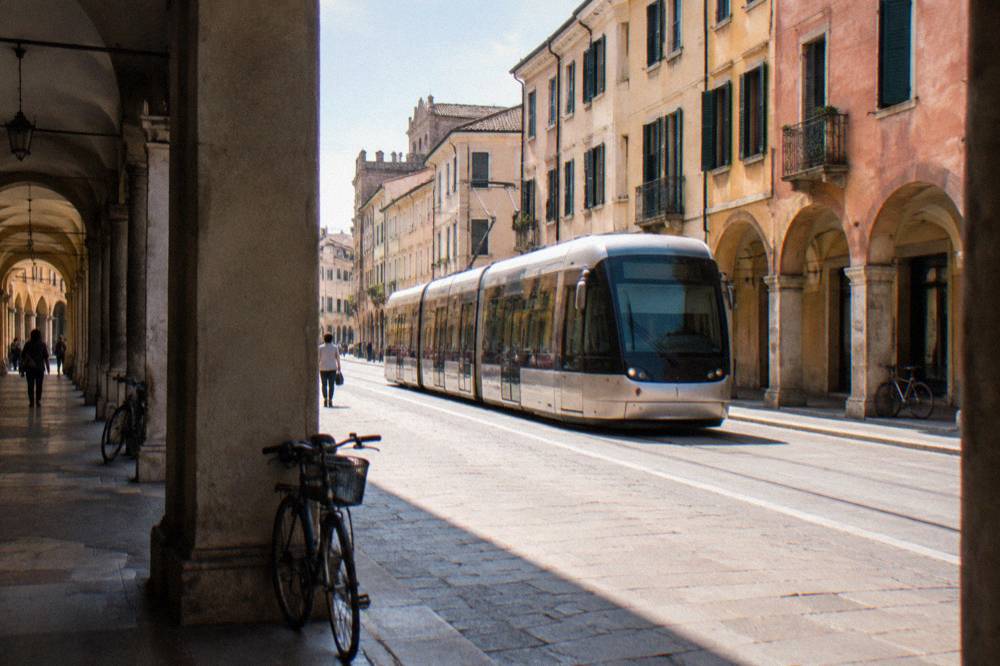
One EUR 1.70 ticket buys 90 minutes of urban bus and tram travel across the city zone, a contactless bank card can be tapped on board for the same fare, and a full day of rides is EUR 4.70, per the transit operator's own fare page. On top of that, the historic centre is compact and walkable, so the honest budget answer is often to buy nothing at all.
The tram is the SIR1 line, running north to south through the station area, and a second line, SIR3, has been in pre-service testing with service targeted by the end of 2026, though no opening date should be promised in a plan. Tickets are digital, bought in the operator's app or at ticket shops before boarding, and the contactless tap works on both bus and tram for the TU1 city zone.
For luggage, the station's official left-luggage office at platform 1 charges EUR 5 per 6 hours, daily 6:00 to 20:00, per the tourism board's own page. That is the figure to plan around on a checkout-day or day-trip-from-Venice schedule; the one day in Padua from Venice plan uses exactly this facility. Cycling is the other budget mode, and the city is flat, though bike theft is reported as common in a student city, so use a lock and check current bike-share options on arrival.
Eating In Padua On A Budget Without Eating Badly
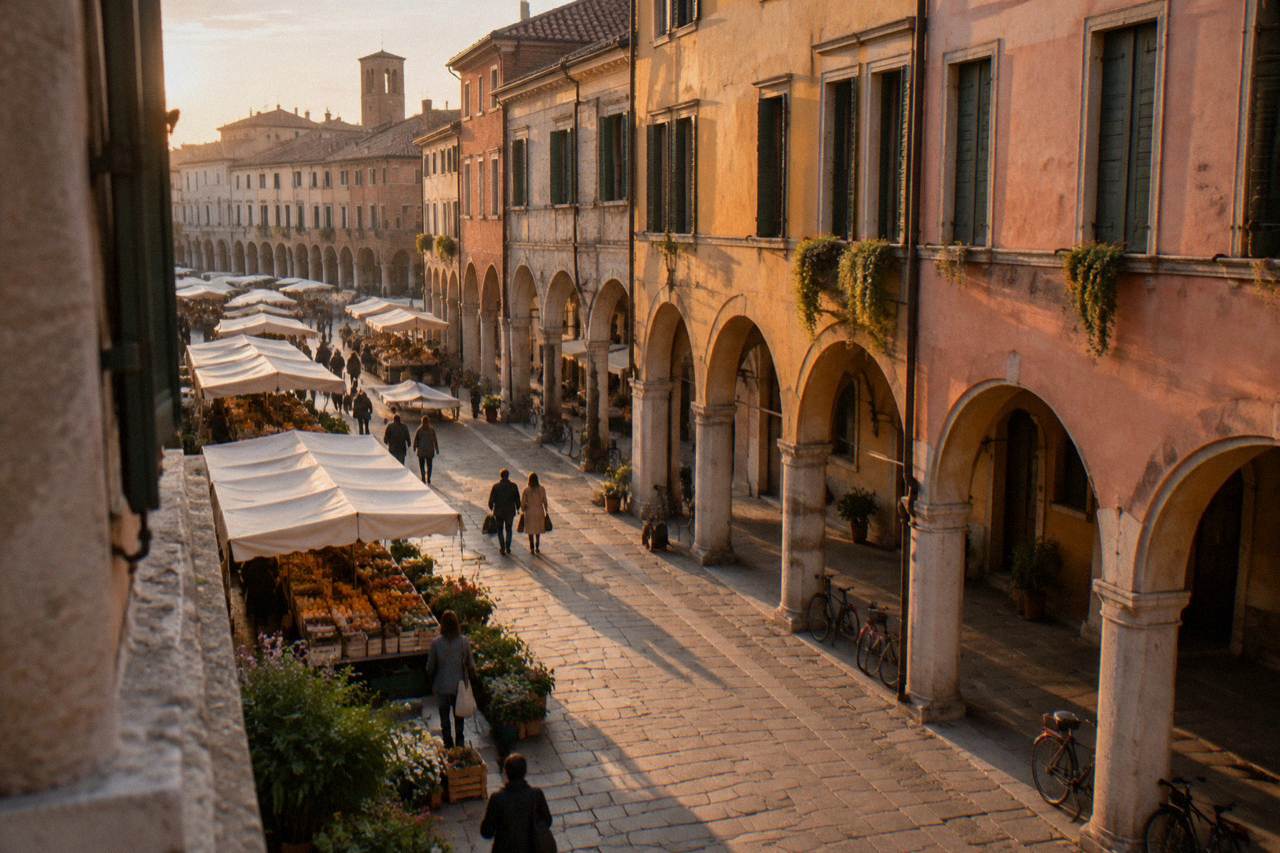
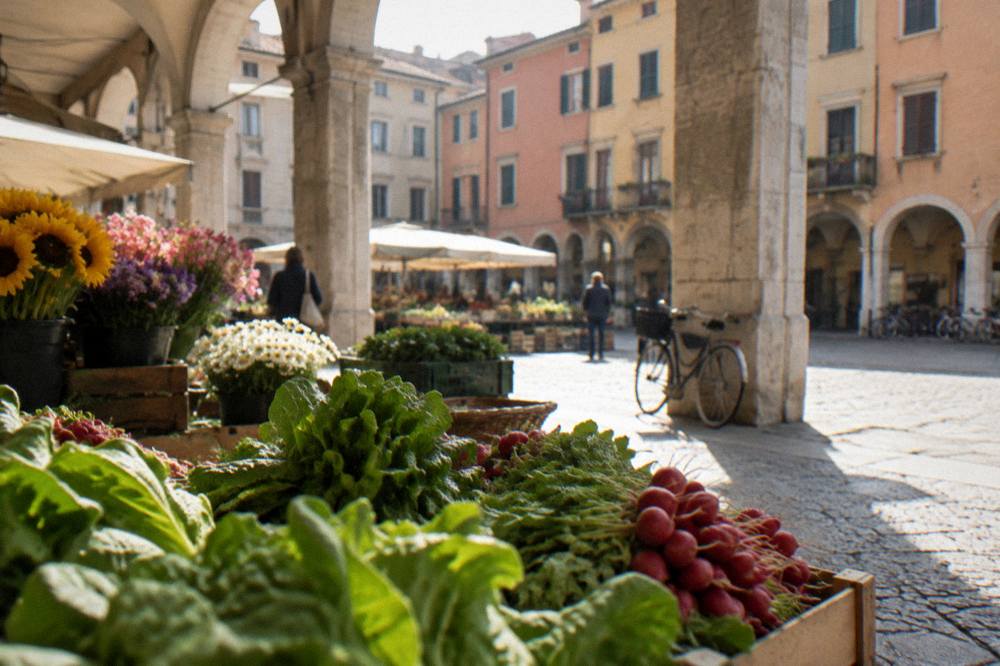
Padua's budget eating runs through its markets: Piazza delle Erbe's 52 stalls on weekday mornings, Piazza dei Frutti's food stalls Thursday to Saturday until 19:00, and Sotto il Salone, the permanent covered market under Palazzo della Ragione described by the tourism board as eight centuries of local trade. Market hours are official; individual food prices are not printed on this page, so check the room.
The named local dishes give shape to a cheap eating day without any restaurant list: bigoli, baccalà, gallina padovana and torta pazientina are the standard local mentions, and the municipality's own tourism pages patent three recipes, risotto ricco alla Padovana, capponi alla canevera and torta pazientina. The evening scene concentrates in Piazza delle Erbe and Piazza dei Signori, where the spritz culture has a local hook: Aperol was created in Padua in 1919 by the Barbieri brothers.
| Market | Days and hours (Comune di Padova) | Focus |
|---|---|---|
| Piazza delle Erbe | Mon to Fri 7:30 to 13:30, Sat 7:30 to 20:00 | Fruit, vegetables, flowers, 52 stalls |
| Piazza dei Frutti, food | Mon to Wed 8:00 to 14:00, Thu to Sat 8:00 to 19:00 | Food stalls |
| Piazza dei Frutti, non-food | Tue to Fri 8:00 to 14:00, Sat 8:00 to 19:00 | Non-food stalls |
| Prato della Valle, Saturday | 8:00 to 19:00 winter, 8:00 to 20:00 summer | Plants, flowers, fruit and vegetables |
| Antiques market | Third Sunday monthly, 8:00 to 20:00 | Antiques at Prato della Valle and via Umberto I |
The Caffè Pedrocchi, opened in 1831, sits on this eating map as a piece of history rather than a bargain, and its museum, the Museo del Risorgimento, costs EUR 5 on its own ticket. A cheap alternative for the historic-centre experience is to plan the eating day around the market hours above and treat the cafès as a single splurge, not a habit.
Cheap Evening Plans In Padua
Evening budget options in Padua are structural rather than ticketed: the squares of Piazza delle Erbe and Piazza dei Signori are the official evening scene, the evening Scrovegni visit runs chapel-only slots from 19:00 to 22:00 between 25 March and 1 November, and the city's Piazzas host the spritz culture that grew around a drink invented in Padua. Nothing on that list needs a pre-booked ticket except the chapel.
The chapel's evening programme is the one paid evening event worth budgeting for, and it suits a tight plan precisely because it is a short, timed visit rather than a whole evening's commitment. Outside that window, the free evening is the square evening: the tourism board's own enogastronomy pages point to the piazzas and their botteghe as the centre of the city's aperitivo life. No published hour range exists for aperitivo, so plan for early evening and read the squares on arrival.
For a low-cost structured evening, the escape-game walk below turns the historic centre into the entertainment itself, and it prices in the same bracket as a gelato stop.
Budget Day Trips From Padua
The two cheapest day trips by regional train are Venice at about EUR 5 each way, 26 to 40 minutes, and Vicenza at about EUR 6, 16 to 25 minutes; Verona takes 43 to 60 minutes and Treviso 28 to 60, with fares and times to be confirmed on the operator's own site for the travel date. Basing in Padua and commuting out is the budget structure that works.
The Venice day trip needs one 2026 correction repeated plainly: the access-fee trial ended on 27 July 2026 and no 2027 decision had been published, so a Padua-based day-tripper should not budget for it or buy it from anyone.
|---|---|---| | Venice | 26 to 40 min | Access fee not applied after 27 July 2026 | | Vicenza | 16 to 25 min | Teatro Olimpico EUR 12, Gold Card EUR 22 | | Arquà Petrarca (Euganean Hills) | bus, check planner | Casa del Petrarca EUR 6 full | | Villa dei Vescovi, Torreglia | bus, check planner | EUR 11 adult, EUR 6 ages 6 to 18 | | Bassano del Grappa | about 1 h | Poli Grappa Museum free entry |
The Euganean Hills are the budget day trip with the least rail help: Arquà Petrarca sits about 20 km from the centre in a straight line, and its Casa del Petrarca costs EUR 6 full with reduced fares below that, per the village's own tourism page. The Venice day trip guide and the Vicenza guide carry the full detail for each.
Where To Sleep In Padua Without Paying Venice Prices
Padua charges a tourist tax, the imposta di soggiorno, per person per night for up to five consecutive nights, collected by the accommodation itself, with under-16s and hostel guests exempt, per the Comune di Padova's tax page; no nightly hotel rate is given, so confirm both the tax treatment and the total price at booking. The five-night cap matters for longer stays, and the exemption list matters for families.
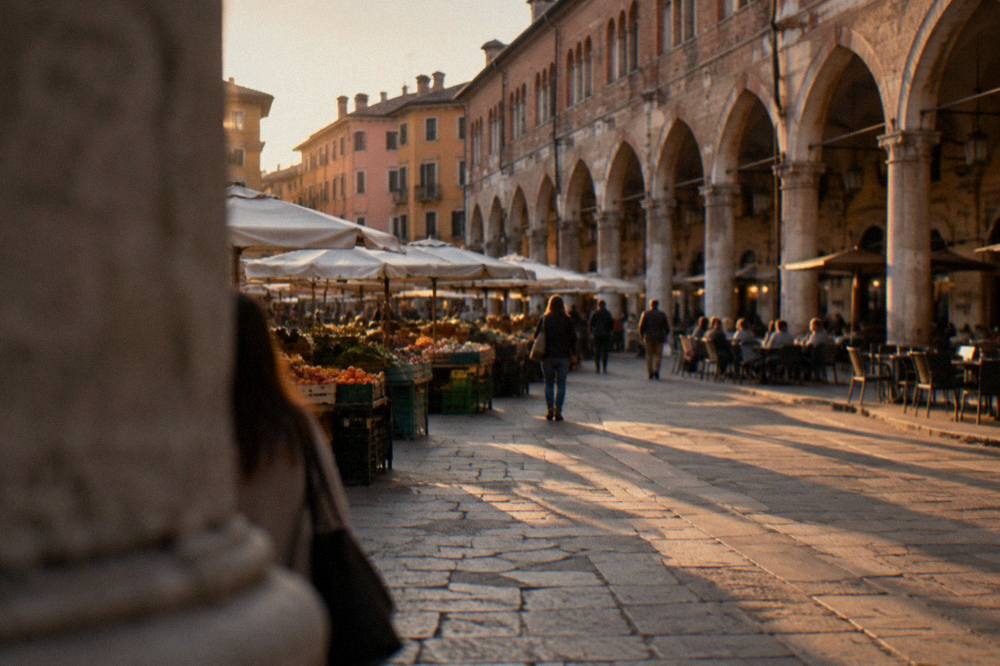
The strategic case is covered fully on Where To Stay In Padua and Padua As A Base For Venice: sleeping inland and commuting to Venice for about EUR 5 each way is the region's best-known saving, and since the Venice access fee no longer applies, the arithmetic has only the train fare on the Venice side. Padua's own evening life, markets and free sights mean the base city is not a compromise after the day trip returns.
A one-day version of the whole plan above, sequenced hour by hour, is on Padua In One Day; the budget numbers on this page plug straight into it. Whatever the length of stay, the same three rules hold: book the chapel directly, buy transport from the operator, and let the free half of the city carry the days between the two or three tickets actually worth buying.
Common Questions About Padua On A Budget
Is Padua expensive to visit?
Not by northern Italian city-break standards. The two headline tickets cost EUR 15 each, urban transport is EUR 1.70 per 90 minutes, the Basilica of Saint Anthony is free, and a same-day return airport bus costs EUR 23. The main fixed costs are the Scrovegni Chapel, the Orto Botanico and the tourist tax.
How much does the Scrovegni Chapel cost?
EUR 15 full price, EUR 11 reduced, EUR 5 for residents, plus a EUR 1 booking fee, per the museums' price page. The daytime ticket also covers the Musei Civici Eremitani and Palazzo Zuckermann. Entry is timed, at most 25 people every 15 minutes, and the chapel is closed 16 to 27 November 2026.
Can you do Padua for free?
Largely, yes. The Basilica of Saint Anthony, Prato della Valle, the market squares, the antiques market on third Sundays and the Torre dell'Orologio on its bookable days all cost nothing. The paid sights, the chapel, the Orto Botanico, Palazzo del Bo and Palazzo della Ragione, are optional extras rather than the substance of the visit.
What is the cheapest way to get from Venice to Padua?
The regional train, at about EUR 5 each way and 26 to 40 minutes, per the schedules. From Venice Marco Polo airport, the direct Busitalia coach costs EUR 13 one-way, about 45 minutes, or EUR 23 same-day return.
Do I have to pay the Venice day-tripper fee from Padua?
No. The 2026 access-fee trial ended on 27 July 2026 and the fee does not apply after that date; no decision for 2027 had been published. Do not budget for it and do not buy it from a reseller.
What does Padua's tourist tax cost?
The imposta di soggiorno is charged per person per night for up to five consecutive nights and is collected by the accommodation; under-16s and hostel guests are exempt. Rates vary by category, so confirm the amount at booking.