Saint Anthony Of Padua: The Saint, His Tomb And His Relics
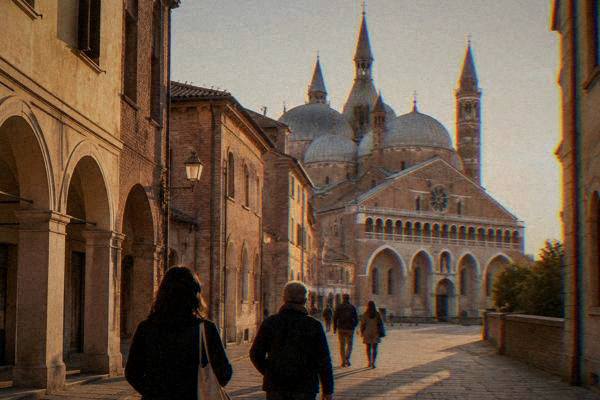
Saint Anthony of Padua is the city's defining saint: his tomb sits inside the Basilica of Saint Anthony, known as the Santo, and pilgrims have come to it since the basilica's first stones were laid in 1232, a year after his death.
Short answer
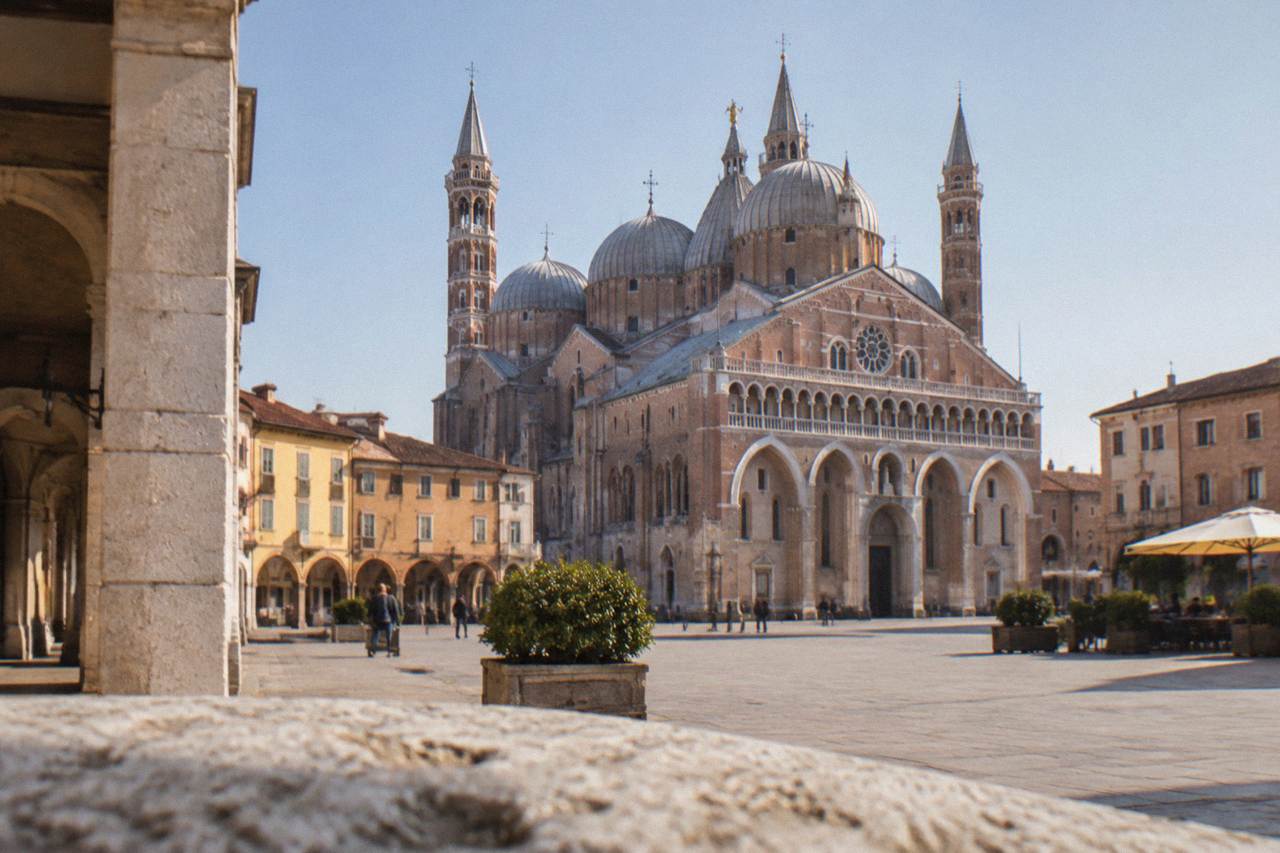
Saint Anthony died in Padua on 13 June 1231. His tomb lies in the Basilica of Saint Anthony, entry is free, and the chapel holding his relics stands inside the same church, part of Padua's UNESCO-listed fresco cycles.
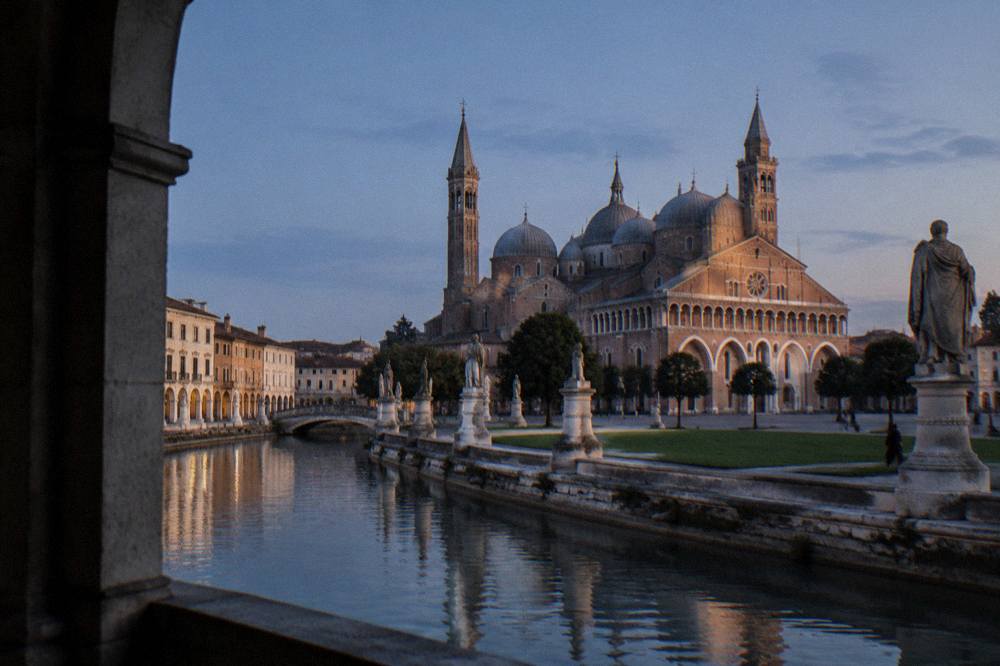
Saint Anthony of Padua gives this inland city in the Veneto its most visited church and its biggest annual feast. The Basilica of Saint Anthony, called the Santo, stands about a kilometone... stands a short walk southeast of the historic centre of Padua, and inside it are the saint's tomb and the Chapel of the Relics. This guide sets out what the sources say about the man, the building, the relics and the pilgrimage that still fills the square each June, plus the practical details for visiting, all drawn from the basilica's own materials, the city's tourism office and UNESCO's listing documents.
Who Was Saint Anthony Of Padua?
Saint Anthony of Padua was a Catholic priest and friar of the early thirteenth century who died in Padua on 13 June 1231, one year before construction of the basilica that carries his name began in 1232. Although he is inseparable from the city, the sources give his death date and his tomb, not a biography, and this page sticks to those dated facts: 13 June 1231 and a basilica begun a year later.
What the record supports is compact. Anthony died at Arcella, on the edge of Padua, on 13 June 1231. The basilica's construction began in 1232, initiated after the saint's death, and its principal part was completed late in the thirteenth century. The church that rose over the following decades became the destination for the pilgrimage that continues today, and the saint's remains were placed within it. The date of his death, 13 June, is the fixed point of the city's religious calendar, and the feast that bears his name is still held on that day each year.
The basilica's own regulation page adds the practical layer: entry is free, and the dress code must be suitable for a church environment. The saint's tomb, in the Chapel of Saint Anthony, and the Chapel of the Relics are both accessible to visitors, with the basilica's site noting that visits pause around religious functions. The building is one of eight complexes that make up Padua's UNESCO listing, Padova Urbs Picta, inscribed in 2021, which is covered in more detail on Padova Urbs Picta, UNESCO Fresco Cycles In Padua.
Where Is Saint Anthony Buried In Padua?
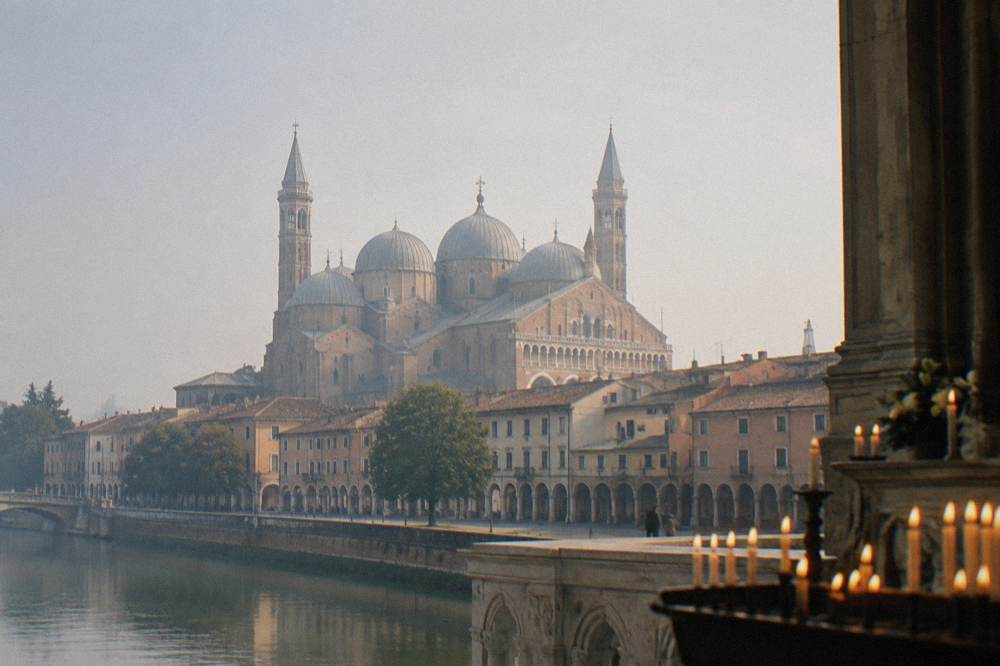
Saint Anthony is buried inside the Basilica of Saint Anthony in Padua, in the Chapel of Saint Anthony, which holds his tomb and stands within the church itself. The Chapel of the Relics, in the same basilica, completes the picture, and both are open to visitors alongside free entry to the church. The basilica sits in the eastern part of the historic centre, facing the square that carries the Gattamelata statue.
The chapel and the relics are the two fixed points of any visit. The tomb of the saint, in the Chapel of Saint Anthony, and the Chapel of the Relics are listed as accessible on the UNESCO visitor page for the basilica, and the basilica does not charge for entry. Visits are interrupted by religious functions, and because service times govern access, the basilica's own site is the place to check before setting out. The site's regulation page also sets the expectation for clothing: dress suitable for a church environment.
The square outside, Piazza del Santo, holds Donatello's equestrian statue of the Gattamelata, Erasmo da Narni, which is reported in the basilica's materials as one of the notable works of art connected to the complex. The full question of the burial, with every detail the sources support, has its own treatment on Is Saint Anthony Buried In Padua?, and the church itself has a dedicated page at Basilica Di Sant'Antonio, The Santo In Padua.
What Can You See Inside The Basilica Of Saint Anthony?
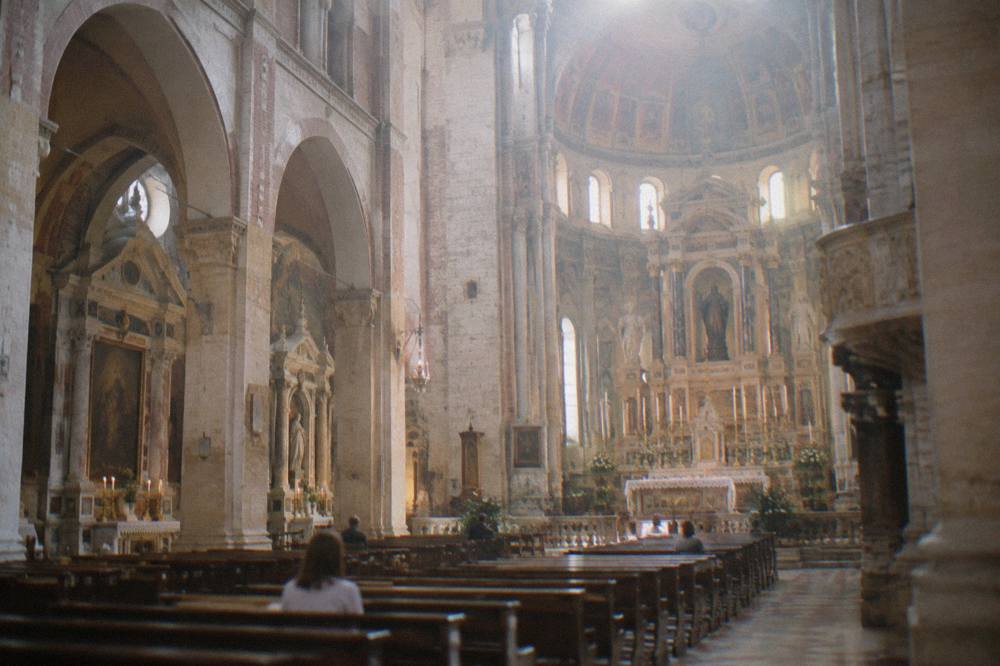
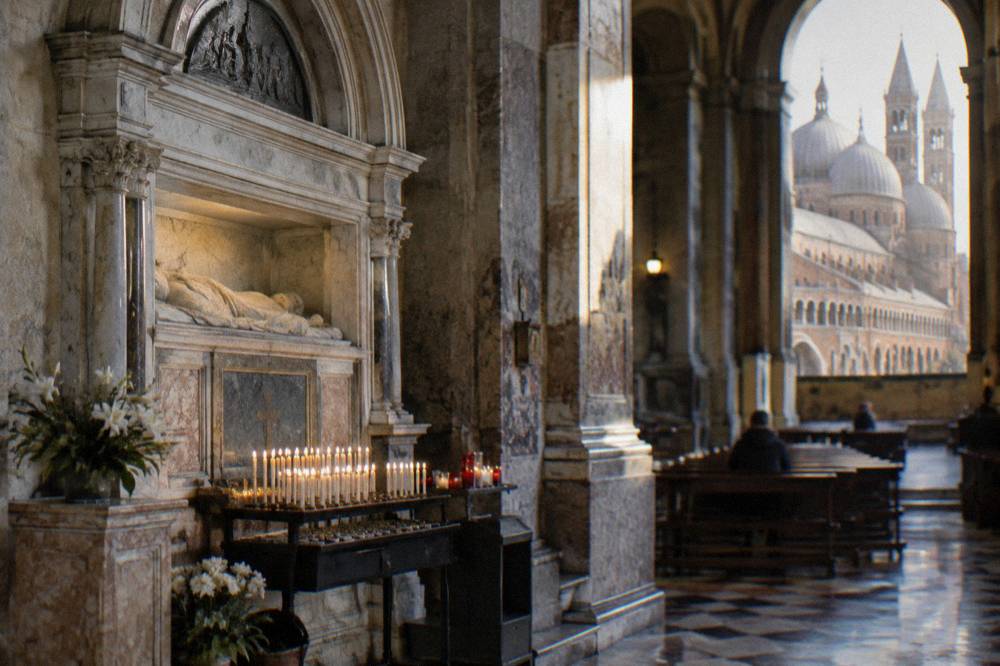
Inside the Basilica of Saint Anthony you can see the Chapel of Saint Anthony with the saint's tomb, the Chapel of the Relics, and Donatello's work at the high altar and presbytery, which the basilica's materials list among its notable art. Outside, in Piazza del Santo, stands Donatello's equestrian statue of the Gattamelata. Everything is visible on free entry, around the church's religious functions.
The basilica is a working pilgrimage church first and a museum second, and the order of a visit follows that logic. The tomb chapel draws the pilgrim traffic; the Chapel of the Relics sits near it; Donatello's altar and presbytery works, which the sources date from 1448 onward, form the artistic core; and the Gattamelata anchors the square outside. The basilica is also one of the eight sites of the Padova Urbs Picta UNESCO inscription, which takes in its fourteenth-century fresco cycles together with the Scrovegni Chapel, the Palazzo della Ragione and five other complexes.
| What to see | Where it is | What the sources say |
|---|---|---|
| Chapel of Saint Anthony (the tomb) | Inside the basilica | Holds the saint's tomb; accessible to visitors (padovaurbspicta.org) |
| Chapel of the Relics | Inside the basilica | Accessible alongside the tomb chapel (padovaurbspicta.org) |
| Donatello's high altar and presbytery | Inside the basilica | Listed as notable art, work from 1448 onward (reported) |
| Gattamelata statue | Piazza del Santo, outside | Equestrian statue of Erasmo da Narni by Donatello (reported) |
| Fourteenth-century frescoes | Inside the basilica | Part of the Padova Urbs Picta UNESCO inscription of 2021 |
Because the basilica belongs to a university city with a religious calendar, it pairs naturally with a morning at the Scrovegni Chapel, whose timed-entry system is described on Scrovegni Chapel Tickets And Timed Entry. A combined ticket for the fresco sites exists, covered on Padova Urbs Picta Card And City Tickets, though the chapel always keeps its own reservation requirement.
How Much Does It Cost To Visit The Basilica Of Saint Anthony?
Entry to the Basilica of Saint Anthony is free: the basilica charges no admission for the church, the tomb or the Chapel of the Relics, per the UNESCO visitor page for the site. That makes the Santo one of the notable free sights in a city where the two paid anchors, the Scrovegni Chapel at EUR 15 full and the Orto Botanico at EUR 15 full since 1 September 2026, both require tickets.
The free entry is the basilica's own arrangement and has held on every listing checked for this page. Around it sit the city's paid sights, and the contrast is worth planning for. The Scrovegni Chapel, whose daytime ticket at EUR 15 full also covers the Musei Civici Eremitani and Palazzo Zuckermann, requires a timed booking plus a EUR 1 booking fee and is closed 16 to 27 November 2026 for its annual fresco inspection. The Orto Botanico moved to EUR 15 full (EUR 12 in winter, November to February) from 1 September 2026. The Palazzo del Bo university tour is EUR 10 full for a guided visit of about 45 minutes. Everything else covered here is indexed on Padua Travel Guide.
| Sight in Padua | Admission | Source basis |
|---|---|---|
| Basilica of Saint Anthony | Free entry | UNESCO visitor page (padovaurbspicta.org) |
| Scrovegni Chapel, daytime | EUR 15 full, EUR 11 reduced, plus EUR 1 booking fee | padovamusei.it price list |
| Scrovegni Chapel, evening (25 March to 1 November) | Chapel-only ticket, separate from daytime | Chapel's own site |
| Orto Botanico | EUR 15 full from 1 Sept 2026, EUR 12 winter full | ortobotanico1545.it |
| Palazzo del Bo, guided historic tour | EUR 10 full, about 45 minutes | unipd.it tariff page |
The basilica's dress code, suitable for a church environment, costs nothing but matters. Opening hours change around religious functions, and the basilica's own site is the reference for the day of a visit, since the site's pages carry the current arrangement.
What Is The Tredicina And The Feast Of Saint Anthony?
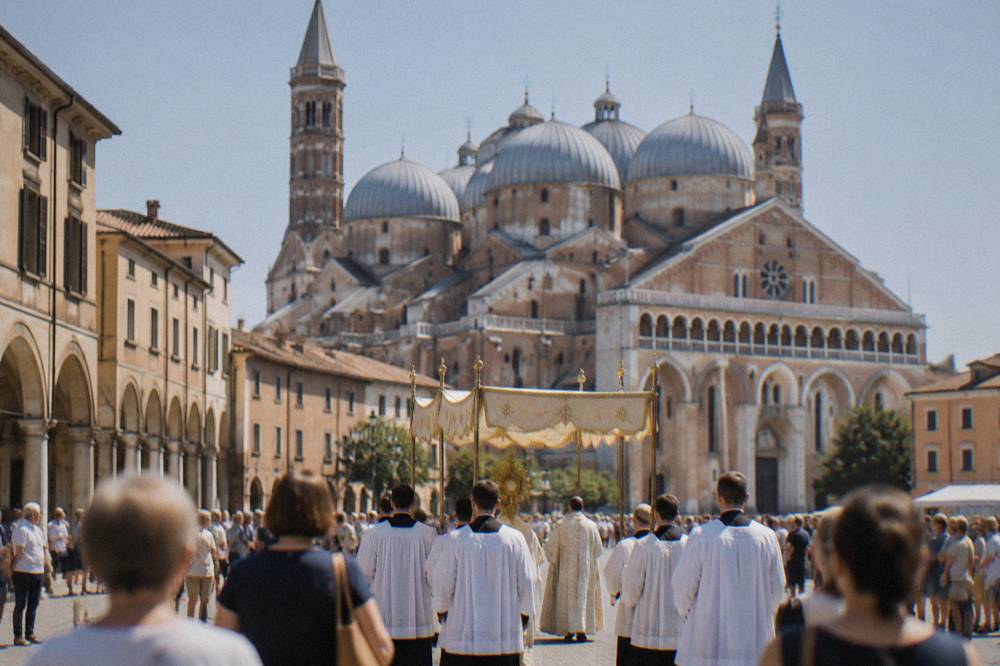
The Tredicina is the thirteen days of prayer that run before the feast of Saint Anthony on 13 June each year: in 2026 it ran from 31 May to 12 June, with the feast itself on 13 June marked by a procession of the saint's statue and relics through Padua. It is an annual event, and the 2026 edition is the latest held; no 2027 programme had been announced.
The feast is the city's fixed religious appointment, and the 2026 dates come from the basilica's own site, santantonio.org. The Tredicina fills the basilica and the surrounding streets in early June, and the procession on 13 June is the climax, carrying the statue and relics in honour of the saint who died in the city on that date in 1231. The event has its own page, Feast Of Saint Anthony, The Tredicina In Padua, covering what the edition involved.
Around the feast, June brings more to the city: the Sherwood Festival ran 10 June to 12 July in 2026 at the park by the Stadio Euganeo, an annual music event whose latest edition closed in mid-July. For readers weighing the season against the weather, the ERA5 reanalysis, 1991-2020, gives June a mean daily high of 26.2 C and rainfall of 81 mm, against July and August highs of 28.8 C; the full picture is on Padua Weather And The Climate Year Round and The Best Time To Visit Padua.
| Event | Latest edition | Basis |
|---|---|---|
| Tredicina | 31 May to 12 June 2026 | santantonio.org |
| Feast of Saint Anthony, procession | 13 June 2026 | santantonio.org |
| Sherwood Festival | 10 June to 12 July 2026 | Reported, festival and press pages |
| Salone dei Sapori food event | 11 to 18 October 2026 | Reported, local press |
| Padova Marathon | 18 April 2027 | padovamarathon.com |
How Do You Get To The Basilica Of Saint Anthony?
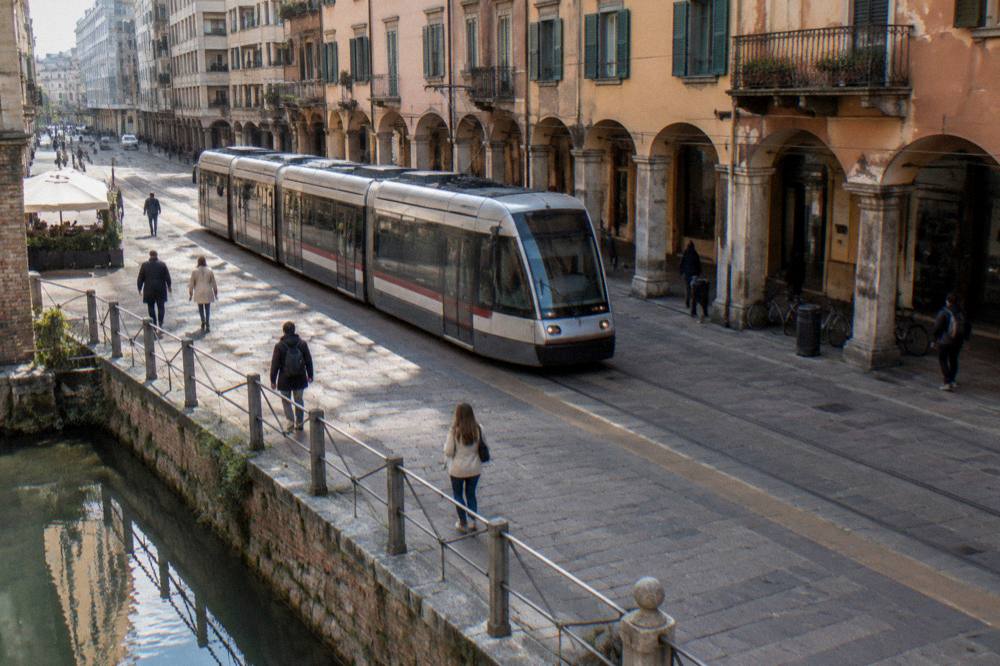
The Basilica of Saint Anthony sits in the eastern historic centre of Padua, and the city's urban transport serves it with the EUR 1.70 90-minute ticket valid on Busitalia city buses and the SIR1 tram, with contactless card payment accepted on board. Padua itself is inland in the Veneto, about 36 km in a straight line from Venice, with trains from Venice taking about 26 to 40 minutes to Padova station.
Getting around the city is cheap and simple on the numbers that exist. The urban 90-minute TU1 ticket costs EUR 1.70 and can be bought digitally before boarding or paid by tapping a contactless card on the vehicle. The SIR1 tram runs north to south through the city; the SIR3 line is in pre-service testing, and no opening date should be assumed. The station's tourist office, IAT Stazione at the exit of platform 1, opens Monday to Saturday 9:00 to 19:00 and Sundays 10:00 to 16:00, and IAT Centro sits at Piazza delle Erbe 52.
For arrival from farther afield, the airport bus from Venice Marco Polo to Padua costs EUR 13 one-way and takes about 45 minutes, and regional trains reach Padova from Venice for about EUR 5 and from Vicenza for about EUR 6. The full arrival picture, including the train station and the Venice connections, is on How To Get To Padua, Venice To Padua By Train and Getting Around Padua.
| Journey | Figure | Basis |
|---|---|---|
| Urban 90-minute ticket (TU1) | EUR 1.70 | Busitalia fare page |
| Contactless on board | EUR 1.70, one tap per vehicle | Busitalia contactless page |
| Venice Marco Polo airport to Padua, bus | EUR 13 one-way, about 45 minutes | Busitalia airport service page |
| Venice to Padova, regional train | About EUR 5, about 26 to 40 minutes | Reported, rail listings |
| Vicenza to Padova, regional train | About EUR 6, about 16 to 25 minutes | Reported, rail listings |
What Else Is Near The Basilica Of Saint Anthony?
The area around the Basilica of Saint Anthony holds the Orto Botanico, the UNESCO-listed botanical garden founded in 1545, the vast Prato della Valle with its canal and double ring of statues, and the university quarter around Palazzo del Bo, all within the walkable historic centre of Padua. The Scrovegni Chapel and the civic museums sit to the north of the centre, about a 20-minute walk from the Santo.
The Santo's neighbourhood is the quietest heavy-hitting cluster in the city. Prato della Valle, a short walk south, was declared communal space by the Venetian Senate in 1767 and reclaimed under Andrea Memmo; its canal and double ring of numbered statues of famous people are the visible record of that redesign, and its Saturday market runs from 8:00 in the morning. The Orto Botanico, founded in 1545 and inscribed by UNESCO in 1997 as the world's first university botanical garden in the university's own wording, stands between the two squares, with tickets at EUR 15 full since 1 September 2026.
The university, founded in 1222 and among the oldest in the university's own description, adds the Palazzo del Bo with its anatomical theatre of 1594 and Galileo's chair in the Sala dei Quaranta, on a guided tour of about 45 minutes. The story of that institution is on The University Of Padua, From 1222 To Today. For readers pairing the Santo with the rest of the centre, the site's master list is Things To Do In Padua, and overnight planning is covered on Where To Stay In Padua.
Can A Tour Bring The Saint's Story To Life In Padua?
A guided walking tour built around Saint Anthony's life covers the basilica, the tomb and the places tied to his year in the city, and one listing adds an option to continue to Camposampiero, where the saint spent his final days. The tour descriptions cover what a walk takes in; the price, rating and duration sit on the operator's live listing, and the booking terms there govern cancellation and payment.
This is the page of a site that reports rather than experiences, so the guidance is structural: a themed walk suits readers who want the narrative attached to the stones, while independent visitors can see the tomb, the relics and the basilica on free entry at their own pace. Readers who want the companion piece can check the St Anthony life tour on its own page, and the inline link below goes to the live listing. Check availability if the format fits; the basilica itself needs no booking at all.
The rest of the city's tour range runs from Giotto-focused walks at the Scrovegni Chapel to boat trips along the Brenta Riviera villas toward Venice, and food walks through the market squares; the editorial line on all of them is the same, describe the coverage, let the listing carry the figures.
What Should You Know Before Visiting The Santo In Padua?
Before visiting the Basilica of Saint Anthony, know three things: entry is free, the dress code must be suitable for a church environment, and visits pause around religious functions, so the basilica's own site is the reference for the day's schedule. Add the city basics: the tourist tax is collected by your accommodation for up to five consecutive nights, and the urban transport ticket is EUR 1.70 for 90 minutes.
Practicalities in one place. The basilica charges nothing and holds the tomb and the relics; the square outside holds the Gattamelata. Padua is inland, about 36 km in a straight line from Venice, so the lagoon city is a day trip by train of about 26 to 40 minutes, and the Venice day-tripper access fee trial ended on 27 July 2026, with no 2027 decision published. The city's January mean high is 7.3 C and July and August reach 28.8 C, per the ERA5 reanalysis, 1991-2020, and November carries the year's highest rain total at 114 mm.
| Practical item | Figure or rule | Where it comes from |
|---|---|---|
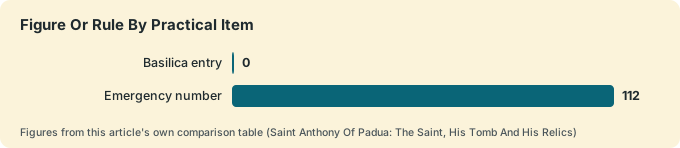
| Basilica entry | Free | UNESCO visitor page |
| Basilica dress code | Suitable for a church environment | santantonio.org regulation page |
| Tourist tax | Collected by the accommodation, capped at five consecutive nights | Comune di Padova tax page |
| Urban transport ticket | EUR 1.70, 90 minutes | Busitalia fare page |
| Station luggage storage | Daily 6:00 to 20:00, EUR 5 per 6 hours | turismopadova.it |
| Emergency number | 112 | Standard European number |
Common Questions About Saint Anthony Of Padua
Where is Saint Anthony buried?
In the Chapel of Saint Anthony inside the Basilica of Saint Anthony in Padua, known as the Santo. The Chapel of the Relics stands in the same basilica, and entry to the church is free.
When did Saint Anthony of Padua die?
On 13 June 1231 at Arcella, on the edge of Padua. Construction of the basilica began in 1232, one year after his death.
How much does it cost to visit the Basilica of Saint Anthony?
Nothing: entry is free. The dress code must be suitable for a church environment, and visits pause around religious functions.
What is the Tredicina?
Thirteen days of prayer leading to the feast of Saint Anthony on 13 June. In 2026 it ran 31 May to 12 June, with the procession on 13 June.
Is the Basilica of Saint Anthony part of a UNESCO site?
Yes. The basilica is one of the eight complexes of Padova Urbs Picta, Padua's fourteenth-century fresco cycles, inscribed by UNESCO in 2021.
What is the statue outside the basilica?
Donatello's equestrian statue of the Gattamelata, Erasmo da Narni, reported in the basilica's materials as one of the notable works connected to the complex, standing in Piazza del Santo.
The saint, the tomb and the relics give Padua a pilgrimage heart inside a city better known for Giotto and its university, and the basilica asks nothing at the door beyond a church-suitable dress code and a check of the day's service times.