Is It Worth Staying In Padua?
An honest, sourced look at whether Padua rewards an overnight stay: what the city itself offers, what it costs beyond the room, and how it works as an inland base for Venice and the Veneto.
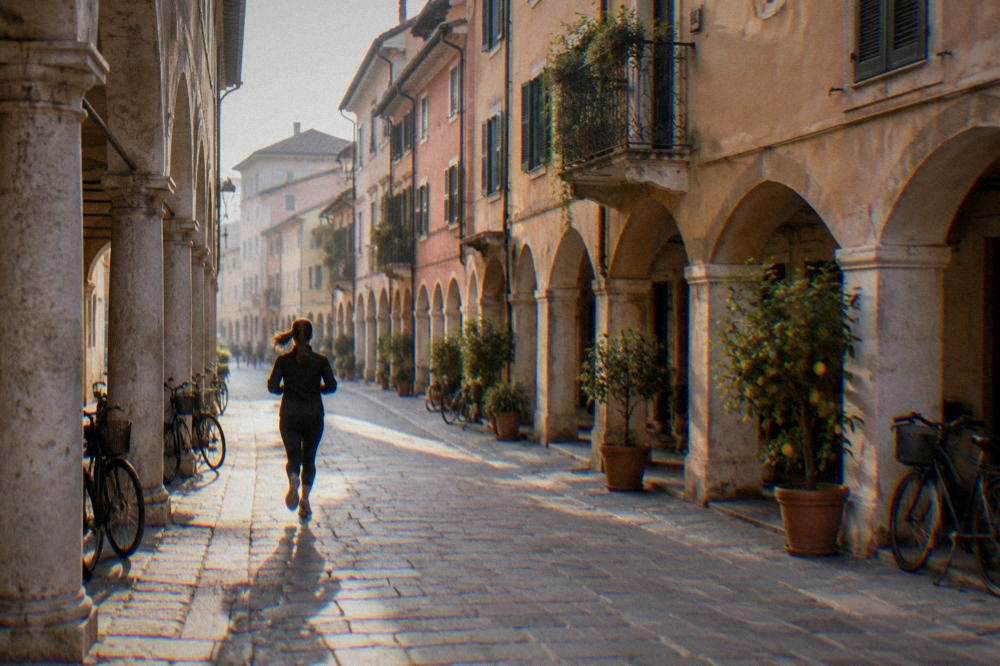
Padua (Italian: Padova) sits inland in the Veneto, northern Italy, about 36 km in a straight line from Venice, and the question of whether to sleep there is really a question about time. The city holds two UNESCO World Heritage listings, the Orto Botanico (inscribed 1997, founded 1545) and the fourteenth-century fresco cycles of Padova Urbs Picta (2021), plus a university founded in 1222. Its headline sight, the Scrovegni Chapel, admits at most 25 people every 15 minutes on timed bookings, which is exactly the kind of constraint that punishes a rushed day trip. This page lays out what the sources actually say about the city's sights, costs and connections, so the stay-versus-day-trip decision can be made on facts rather than slogans. This site's editorial desk reports primary sources for the sights, costs and connections covered here. For a broader look at the city's appeal, start with Padua Travel Guide.
Is It Worth Staying In Padua?
Yes, staying in Padua is worth it for travellers who want the Scrovegni Chapel at a civilised hour, more than a surface look at the fourteenth-century fresco cycles, and an inland base with trains to Venice, Vicenza and Verona. The city's own materials describe a compact centre of arcaded market squares, two UNESCO listings and a university with about 76,000 students, reported by the university for the 2026/27 academic year.
The strongest argument is structural rather than sentimental. The Scrovegni Chapel cannot be walked into: the chapel's own booking page states timed entry of at most 25 people every 15 minutes, with about 15 minutes inside and no same-day online booking. A day-tripper arriving from Venice gambles on whatever the museum ticket office has left, while someone sleeping in Padua can book an evening slot under the "Giotto sotto le stelle" scheme, which the chapel's site lists from 25 March to 1 November, 19:00 to 22:00, every 20 minutes, chapel only.
The chapel also closes entirely from 16 to 27 November 2026 for the annual fresco inspection, a fact worth checking against any planned dates. Beyond it, the daytime ticket at EUR 15 full (plus a EUR 1 booking fee) also covers the Musei Civici Eremitani and Palazzo Zuckermann, per the museums' own price list, so a relaxed two-museum morning is realistic for a stayer and strained for a day-tripper. The related question of why the Scrovegni Chapel is famous is covered in its own answer.
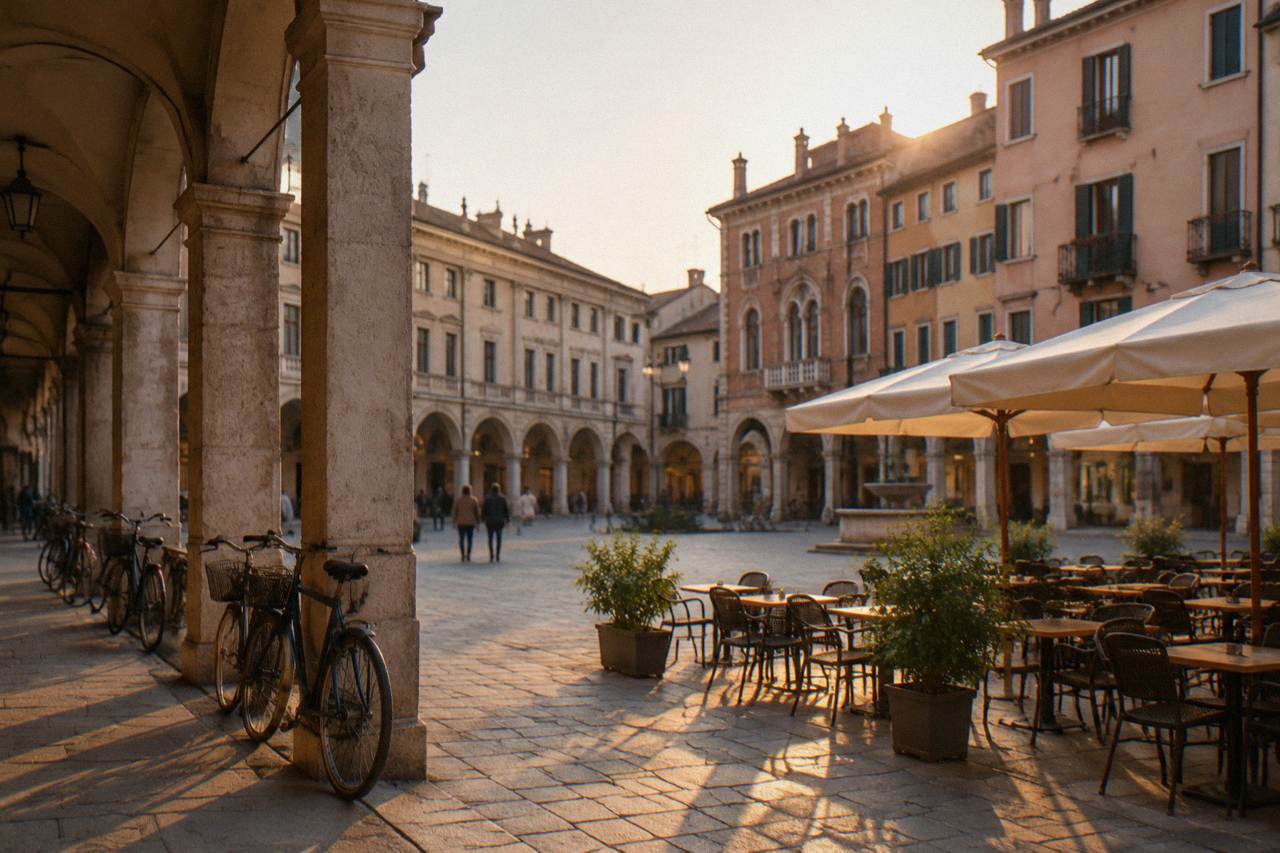
Against that, honesty cuts both ways. Padua is not on the lagoon, has no seafront, and its evening scene, in the tourism board's own words, centres on the piazzas with spritz and aperitivo culture. Travellers chasing nightlife or a coastal skyline will not find them. The balanced verdict on the city in general sits in is Padua worth visiting.
What Does Staying In Padua Give You That A Day Trip Does Not?
An overnight stay buys timed-entry slack, the evening chapel visits, the university buildings on their own schedule, and the markets at their proper hours. The Scrovegni evening ticket runs chapel only, the Palazzo del Bo guided "Giro storico" alternates Italian and English slots across the day at EUR 10 full, and the Piazza delle Erbe market runs Monday to Friday 7:30 to 13:30 and Saturday 7:30 to 20:00, per the Comune di Padova's market page.
Timing is the whole game in Padua. The Orto Botanico, the botanical garden founded in 1545 and inscribed by UNESCO in 1997, charges EUR 15 full for visitors aged 26 to 64 from 1 September 2026 (EUR 12 in winter, November to February), with audioguide included and fixed-time guided tours on weekends and holidays. The Palazzo del Bo tour, per the university's own page, takes about 45 minutes and includes the anatomical theatre inaugurated in 1594, Galileo's chair in the Sala dei Quaranta, and the statue of Elena Lucrezia Cornaro, who graduated in philosophy on 25 June 1678. Slots alternate between languages through the day, which fragments badly if a train back to Venice is looming.
Markets reward the stayer too. The Comune's page lists Piazza dei Frutti food stalls Monday to Wednesday 8:00 to 14:00 and Thursday to Saturday 8:00 to 19:00, the Prato della Valle Saturday market, and an antiques market every third Sunday of the month. None of these fit neatly around a day trip.
A first evening or morning is well spent simply learning the centre's geography. The Padua Scavenger Hunt & Highlights Self-Guided Walking Tour turns the landmark list into a puzzle walk through the historic centre, and it costs less than a single museum ticket, Check availability if the dates suit. Whether the centre can be covered on foot at all is answered in detail in is Padua walkable.
Where Should You Stay In Padua?
Stay in or immediately around the Centro Storico, the area defined by the market squares, Piazza delle Erbe and Piazza dei Frutti, with the Scrovegni Chapel and the Eremitani museums a short walk north and the Basilica of Saint Anthony and Prato della Valle to the south east; the station and Arcella side sits north of the centre across the railway. No Padua neighbourhood carries a sourced safety score or price level in the research for this site, so position and walking distance are the only honest guides.
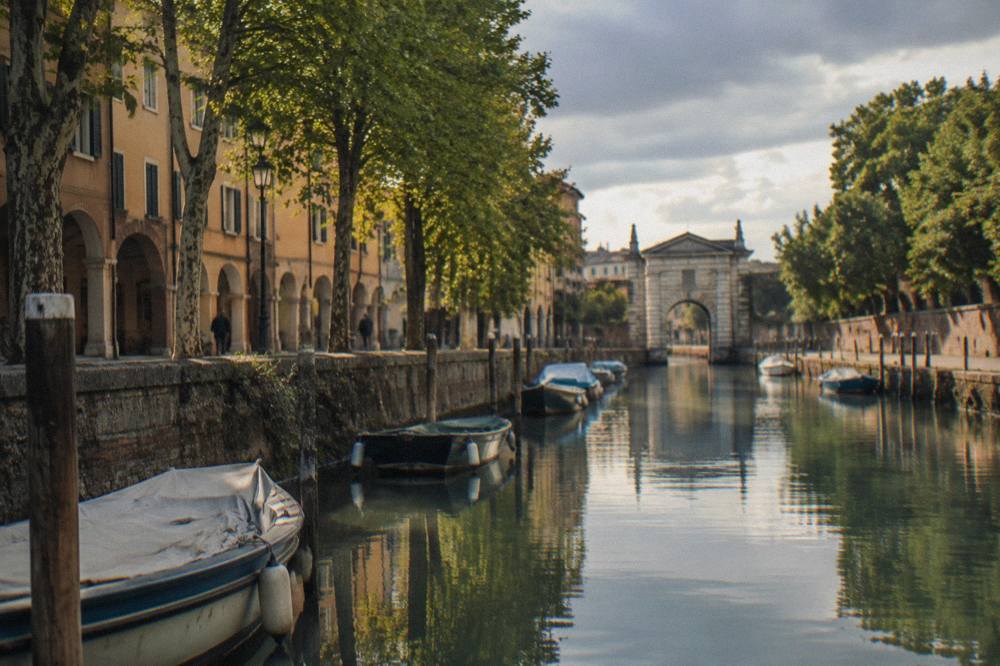
The site's own map of the city defines the areas: Centro Storico around the market squares, the Jewish Ghetto, Portello (the gate also named Porta Ognissanti) on the canal side, the Santo and Prato della Valle quarter, and the station and Arcella side. The IAT tourist information network gives a practical anchor for anyone weighing distance: the station office at the exit of platform 1 runs Monday to Saturday 9:00 to 19:00 and Sunday and holidays 10:00 to 16:00, and the centre office is at Piazza delle Erbe 52, which means the whole historic core sits within an easy walk of the squares.
Two facts from the Comune's tax page frame the money side of any stay. Padua charges a tourist tax (imposta di soggiorno) per person per night, collected by the accommodation, capped at five consecutive nights, with under-16s and hostel guests exempt; the per-category rates are set by the accommodation's classification, so confirm the amount at booking. Beyond the tax, no nightly hotel or apartment price for Padua appears in the research behind this site, and quoting an invented average would help nobody.
Is Padua A Good Base For Venice And The Veneto?
Padua works well as an inland base for the Veneto: the regional train to Venezia Santa Lucia takes about 26 to 40 minutes and costs about EUR 5, Vicenza is about 16 to 25 minutes at about EUR 6, Verona about 43 to 60 minutes and Treviso about 28 to 60 minutes, all reported times to be confirmed on Trenitalia before travelling. Venice sits about 36 km away in a straight line; the airport bus to Venice Marco Polo costs EUR 13 one way and takes about 45 minutes.
The base case rests on Padova station's place on the Venice to Milan line. Reported train times from fare aggregators, not official schedules, give the figures above, and they should be confirmed when booking. The Busitalia airport service to Venice Marco Polo runs 54 times a day, every 40 minutes from 05:30 to 22:50 out of Padua, at EUR 13 adult one way (EUR 6.50 for a child to 11).
| Destination | Straight-line distance | Reported train time | Fare reported |
|---|---|---|---|
| Venice | 36 km | about 26 to 40 min | regional about EUR 5 |
| Vicenza | 30 km | about 16 to 25 min | about EUR 6 |
| Verona | 69 km | about 43 to 60 min | confirm on Trenitalia |
| Treviso | 41 km | about 28 to 60 min | confirm on Trenitalia |
| Venice Marco Polo airport | by bus | about 45 min | EUR 13 one way |
One 2026 trap matters for anyone planning Venice days from a Padua base. The Venice day-tripper access fee trial ended on 27 July 2026, per Venezia Unica, and no decision for 2027 had been announced when that page was checked. Nobody staying in Padua should budget for that fee as a live charge; check the current position before travel. The fuller distance story is in how far is Padua from Venice, and the merits of sleeping here rather than there are weighed in is Padua worth visiting from Venice.
Day trips do not stop at the rails. The Euganean Hills towns of Arqua Petrarca (about 20 km straight line) and Monselice (about 21 km), Abano Terme (about 8 km) and Montegrotto Terme (about 11 km), Villa Pisani on the Brenta Riviera (about 11 km) and Bologna (about 110 km) all sit around the city. Il Burchiello, the boat service between Padua and Venice along the Brenta villas, runs March to October in both directions, per its own site; check the current price on the official ticket page before booking.
What Does A Night In Padua Cost Beyond The Room?
The fixed, sourced costs a stayer actually faces are modest: the tourist tax (rate set by accommodation category, capped at five nights), EUR 15 full for the Scrovegni Chapel daytime museums-plus-chapel ticket with its EUR 1 booking fee, EUR 15 full for the Orto Botanico from 1 September 2026, EUR 8 full for Palazzo della Ragione, EUR 1.70 for a 90-minute urban bus and tram ticket, and EUR 5 per 6 hours for the station left-luggage office.
The Basilica of Saint Anthony is free to enter.
Entry to the Basilica of Saint Anthony, which keeps the Saint's tomb and the Chapel of the Relics, is free, per the Padova Urbs Picta visitor listing; a dress code suitable for a church applies. That single fact quietly rebalances any budget, since three of the city's headline sights, the Basilica, Prato della Valle with its canal and double ring of statues, and the arcaded market squares, cost nothing to walk through. Prato della Valle was declared communal space by the Venetian Senate in 1767, a detail in the tourism board's own listing.
| Item | Sourced figure | Source basis |
|---|---|---|
| Scrovegni Chapel daytime ticket (with Musei Civici Eremitani and Palazzo Zuckermann) | EUR 15 full, EUR 11 reduced, plus EUR 1 booking fee | museums' price list |
| Orto Botanico, from 1 Sept 2026 | EUR 15 full (26 to 64), EUR 12 winter full | garden's ticket page |
| Palazzo della Ragione | EUR 8 full, EUR 6 concession | civic museums listing |
| Basilica of Saint Anthony | free entry | Urbs Picta visitor listing |
| Urban TU1 ticket, 90 minutes | EUR 1.70 | Busitalia fare page |
| Station left luggage, per 6 hours | EUR 5, daily 6:00 to 20:00 | tourism board, confirm locally |
Getting around inside the city needs almost no budget at all: the TU1 90-minute urban ticket costs EUR 1.70 and can also be paid by tapping a contactless card on board. The tram line SIR1 runs north to south through the city; a second line, SIR3, has been in pre-service testing in 2026 and no opening date should be relied on. Free municipal Wi-Fi, PADOVAweb, is reported to exist in the piazzas and public buildings.
How Many Days Make The Stay Worthwhile?
Two nights is the honest minimum this site's sources support for a satisfying stay: one day for the Scrovegni Chapel with its museums, the Orto Botanico and the Palazzo del Bo tour, and a second for the Basilica of Saint Anthony, Prato della Valle, the market squares and either an evening chapel slot or a half-day into the Euganean Hills. The dedicated planning pages on this site build one-day, two-day and three-day itineraries on exactly that structure.
The reasoning follows from the timed entries. The chapel's own how-to-visit page asks visitors to arrive 5 minutes before their slot, allows about 15 minutes inside, and warns that latecomers must rebook and pay again. Slot bookings run as far ahead as 10 February 2027 through the chapel's own site or its call centre, so a stayer can lock the marquee sight around a relaxed day rather than the reverse. The how many days do you need in Padua answer carries the fuller breakdown.
The second day is where the stay starts paying for itself as a base. A morning in the Euganean Hills or a slow circuit of the Urbs Picta fresco sites, the eight complexes inscribed by UNESCO in 2021, is the kind of itinerary that collapses under a day-trip timetable. The site's pages on the fresco cycles and on what Padua is famous for list what those eight sites are.
Weather is the one factor the sources quantify and nobody controls. The ERA5 reanalysis, 1991-2020, for the centre of Padua shows a January mean high of 7.3 C, July and August mean highs of 28.8 C, and November as the month with the highest rain total at 114.0 mm, with September and October near 105 mm each. Those modelled normals argue for packing for damp shoulders and warm summers, and they are the only climate figures this site prints.
Common Questions About Staying In Padua
Is It Worth Staying In Padua?
For travellers who want the timed-entry Scrovegni Chapel, the fresco cycles, the university buildings and the markets at their proper hours, yes: the city's own visiting rules reward an overnight stay. For travellers whose only goal is a quick look between Venice days, a long day trip can cover the chapel and the Basilica, provided the chapel slot is booked the day before at the latest, since same-day online booking does not exist.
Is Padua cheaper to stay in than Venice?
No nightly price comparison between Padua and Venice exists in the research behind this site, so no honest figure can be given. What is sourced is the cost structure around the room: Padua's tourist tax is capped at five consecutive nights per stay, the Basilica of Saint Anthony is free, and the urban transport ticket is EUR 1.70 for 90 minutes.
Can you visit Venice easily while staying in Padua?
Yes. The regional train from Padova to Venezia Santa Lucia takes about 26 to 40 minutes and costs about EUR 5, reported times that should be confirmed on Trenitalia. The Venice day-tripper access fee trial ended on 27 July 2026, and no 2027 decision had been announced, so check the current position before travelling.
Is one day in Padua enough?
One day covers the Scrovegni Chapel, the Basilica of Saint Anthony and a walk through the market squares and Prato della Valle, if the chapel slot is booked ahead. It leaves no realistic room for the Orto Botanico, the Palazzo del Bo tour or the Euganean Hills, which is why two nights is the minimum this site's itineraries recommend.
Where do you leave luggage in Padua?
The official left-luggage office at the station is on platform 1, open daily 6:00 to 20:00 at EUR 5 per 6 hours, per the tourism board's page, which dates from 2024, so confirm locally. App-based locker and drop-off services are also reported to operate in the city.
Is the Scrovegni Chapel open all year?
The chapel is open daily 9:00 to 19:00 with timed entries of at most 25 people every 15 minutes, but it closes entirely from 16 to 27 November 2026 for the annual fresco inspection, and it also closes on 1 May, 25 and 26 December and 1 January. Check the chapel's own site before fixing travel dates.