Eremitani Church And Civic Museums: Mantegna's Ovetari Chapel
The Eremitani Church in Padua, a short walk from the Scrovegni Chapel, holds the damaged Ovetari Chapel fresco cycle described as Mantegna's, the Musei Civici Eremitani, and a place on the city's UNESCO-listed fourteenth-century fresco cycles.
Short answer
The Eremitani Church stands at Piazza Eremitani 8 in Padua, next to the Scrovegni Chapel. A daytime Scrovegni ticket at EUR 15 full price also covers the Musei Civici Eremitani, which are open Monday to Sunday 9:00 to 19:00.
The Eremitani Church in Padua, in the Veneto in northern Italy, is the quiet brick neighbour of one of the most famous fresco rooms in the world. While crowds queue for the Scrovegni Chapel across the garden, the church beside it holds the remains of a fresco cycle in the Ovetari Chapel, described as Mantegna's, an archaeology and painting collection in the adjoining Musei Civici Eremitani, and a place on UNESCO's Padova Urbs Picta list of eight fourteenth-century fresco complexes. The two buildings share a square, a ticket and, for practical purposes, a visit.
This guide covers what the church and its museums contain, how the combined ticket works, what happened to the Ovetari Chapel frescoes, and how to fit the whole Eremitani complex into a day in Padua. For the wider picture across the city, start with the things to do in Padua overview.
What Is The Eremitani Church In Padua?
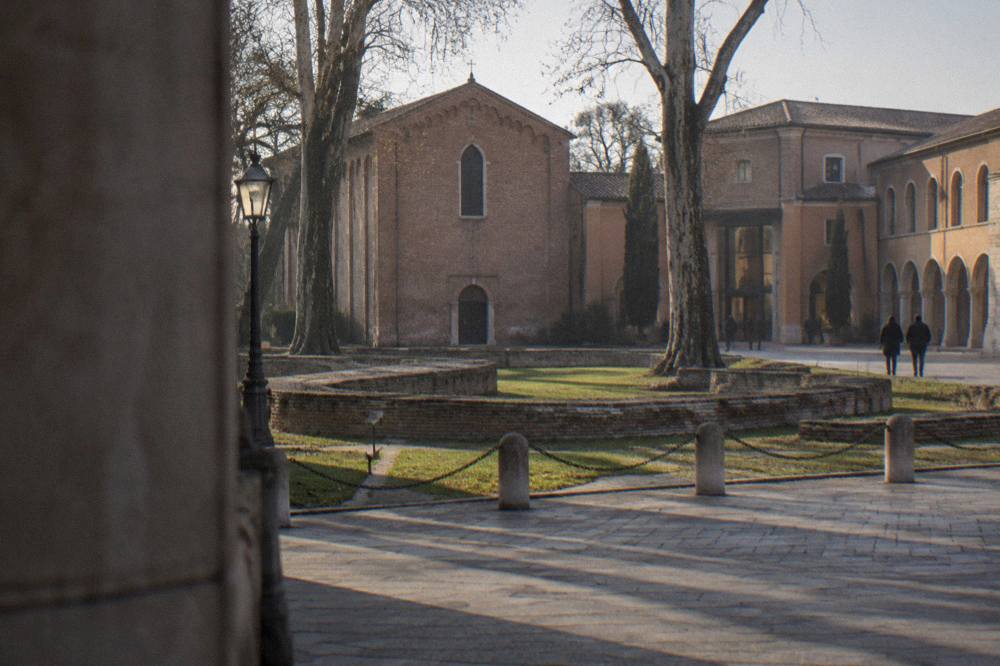
The Eremitani Church, properly the Chiesa dei Santi Filippo e Giacomo agli Eremitani, is a brick Augustinian church at Piazza Eremitani 8 in central Padua, best known for the Ovetari Chapel frescoes described as Mantegna's and for the Musei Civici Eremitani housed in the former monastery next door. UNESCO includes it as one of the eight complexes of Padua's fourteenth-century fresco cycles, the Padova Urbs Picta inscription of 2021, and the museum complex sits about one hundred metres from the Scrovegni Chapel's ticket office.
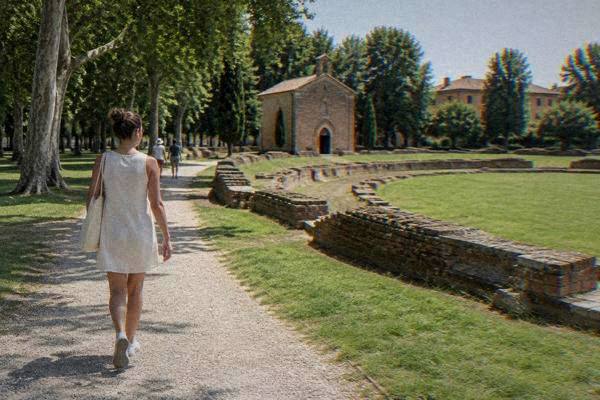
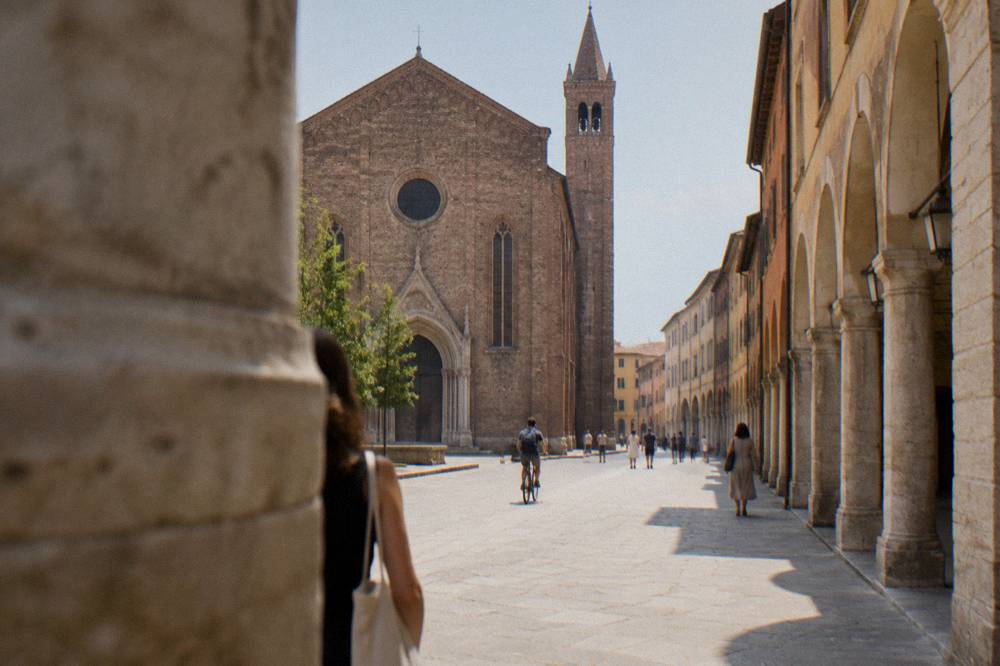
The church gives its name to the whole quarter. The Piazza degli Eremitani, with the Scrovegni Chapel on one side and the church and monastery on the other, forms a single cultural campus at the north-western edge of the old centre, a short walk from the railway station and from the arcaded streets that run down towards Piazza delle Erbe. Visitors arriving by train often reach this square first, which makes the Eremitani complex the natural opening or closing stop of a day in the city.
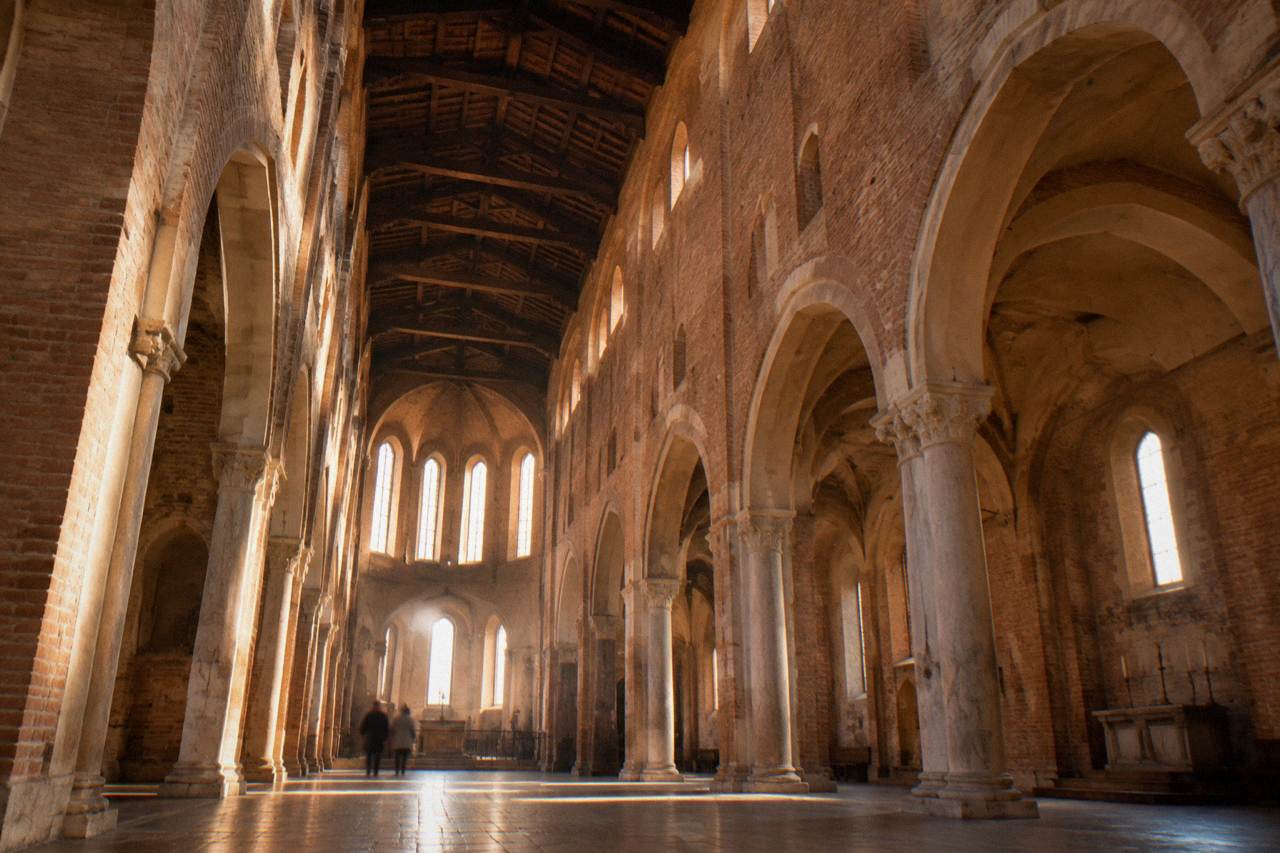
Inside, the church is a wide, austere Gothic hall, timber-roofed, with chapels along both walls. The Chapel of the Ovetari family at the end of the right aisle is the reason art historians come: it once carried a complete fresco cycle, of which only part survives. The adjoining monastery buildings hold the civic museums, whose collections of paintings, archaeology and applied arts are among the city's principal holdings.
For orientation before arrival, the site's own Padua map guide and the general guide to the centro storico place the square in its wider context.
How Do You Visit The Eremitani Church And The Musei Civici Eremitani?
The Musei Civici Eremitani at Piazza Eremitani 8 are open Monday to Sunday from 9:00 to 19:00, and admission is combined with the Scrovegni Chapel: the daytime ticket at EUR 15 full price, EUR 11 reduced or EUR 5 for residents, plus a EUR 1 booking fee for the chapel, covers the chapel, the Musei Civici Eremitani and Palazzo Zuckermann, while a museums-only ticket costs EUR 11 full or EUR 9 reduced, according to the civic museums' own price page.
The combined structure of the ticket is the point to understand. The chapel itself is timed entry only, with groups of at most 25 people admitted every 15 minutes in the daytime and about 15 minutes inside after a wait in a climate-controlled waiting room, and visitors must be at the entrance five minutes before the slot on the ticket. The museums attached to the Eremitani Church carry no such time limit: the same ticket admits them at any point on the same day, including on non-holiday Mondays. That makes the standard pattern a booked chapel slot bracketed by unhurried time in the church and the museum galleries.
| Ticket | Full price | Reduced | Notes |
|---|---|---|---|
| Musei Civici Eremitani + Scrovegni Chapel | EUR 15 | EUR 11 | Plus EUR 1 chapel booking fee; also covers Palazzo Zuckermann |
| Musei Civici Eremitani only | EUR 11 | EUR 9 | Museums and Palazzo Zuckermann |
| Resident ticket, chapel and museums | EUR 5 | n/a | Plus EUR 1 booking fee |
| Family card | EUR 30 | n/a | Up to two adults and two under-18s, plus EUR 1 per person chapel booking |
Palazzo Zuckermann, at Corso Garibaldi 33 across the square, holds the applied-arts collections and the Museo Bottacin and is open Tuesday to Sunday from 10:00 to 19:00, with last entry 45 minutes before closing. The full guide to Scrovegni Chapel tickets walks through the booking mechanics in detail.
A guided option can simplify the timed-entry system considerably. A guided tour of Giotto's Scrovegni Chapel handles the reservation and adds interpretation, and the museum visit afterwards is self-directed. For travellers who prefer to walk first and book the chapel separately, the Scrovegni Chapel guide explains what the booking window covers.
What Happened To The Ovetari Chapel Frescoes?
The Ovetari Chapel's fresco cycle, described as Mantegna's, was largely destroyed when the Eremitani Church was bombed in 1944, a loss reported in the city's historical accounts. The surviving fragments, detached and reattached after the war, include the Martyrdom of St Christopher and the Assumption of the Virgin on the right wall and the lunettes above, and they are viewable in the chapel itself today, with the chapel's own display panels as the authority on the details.
What survives is fragmentary but startling. The cycle was painted by a young hand, and the fragments show the hard architecture, the sculptural drapery and the low horizons that made this painter's reputation in Padua before he left for Mantua. The damaged state is itself part of the story: the chapel is a war wound preserved in place, a single room in which early Renaissance painting and modern destruction are visible at once.
The chapel is not roped off behind glass. Visitors standing in the aisle can read the wall closely, and the surviving scenes reward exactly the kind of slow looking that the timed Scrovegni visit, with its fifteen minutes inside, does not allow. Art historians treat the Ovetari fragments alongside Giotto's cycle as the second great fresco commission of the square, separated from it by roughly a century and a half.
| Element of the Ovetari Chapel | Source | What a visitor sees |
|---|---|---|
| Right wall scenes | Surviving | Martyrdom of St Christopher and the Assumption of the Virgin |
| Left wall scenes | Largely lost | Fragments and repositioned sections only |
| Lunettes and upper register | Partly surviving | Damaged but legible narrative scenes |
| Chapel structure | Restored | Original stone framing in the church's right aisle |
For background on the neighbouring cycle, the answers to why the Scrovegni Chapel is famous and whether Giotto painted the Scrovegni Chapel cover the earlier commission.
Is The Eremitani Church Part Of Padua's UNESCO Urbs Picta Listing?
Yes. The Eremitani Church, under its full name Chiesa dei Santi Filippo e Giacomo agli Eremitani, is one of the eight complexes that make up Padua's UNESCO World Heritage inscription of fourteenth-century fresco cycles, Padova Urbs Picta, proclaimed on Saturday 24 July 2021 under criterion (ii), alongside the Scrovegni Chapel, Palazzo della Ragione, the Reggia Carrarese chapel, the Cathedral Baptistery, the Basilica and Convent of Saint Anthony, the Oratorio di San Giorgio and the Oratorio di San Michele.
The 2021 inscription reframed how the city presents its art. Rather than a single masterpiece, UNESCO recognised a network of frescoed buildings from the fourteenth century spread across the historic centre, and the Eremitani Church is the second stop on that itinerary for anyone starting at the Scrovegni Chapel, since the two share a square. The full list is laid out in the site's Urbs Picta UNESCO guide, and the practicalities of seeing several sites on one ticket are covered in the guide to the Padova Urbs Picta Card.
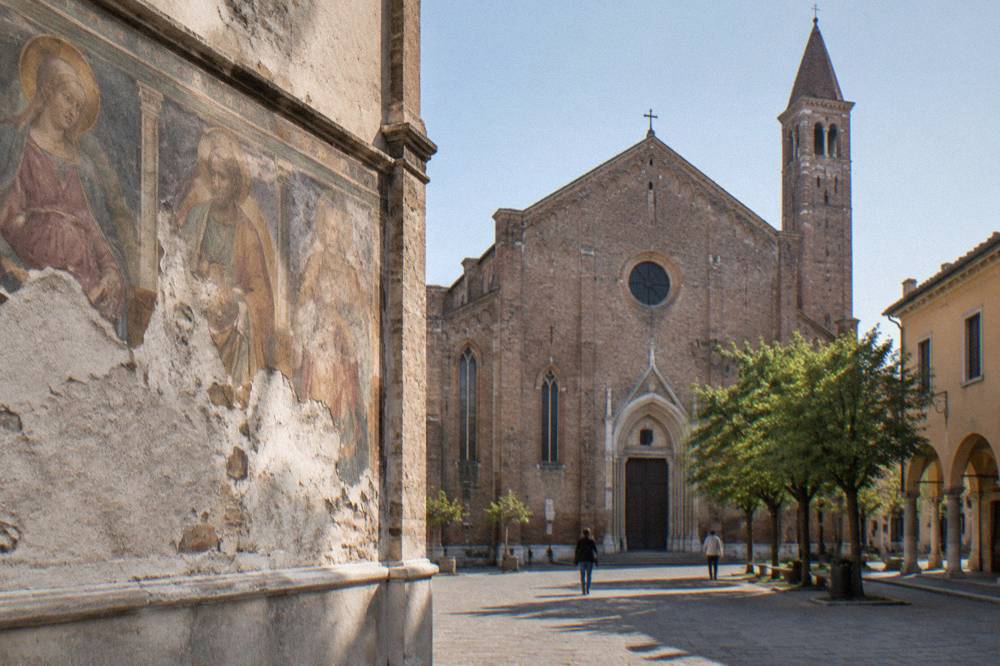
The church's place in the inscription rests on its fourteenth-century fresco material, distinct from the better known Ovetari Chapel cycle of a later period. A visitor with the combined ticket therefore sees two layers of Paduan painting in one building: the UNESCO-registered wall painting that earned the church its listing, and the Ovetari Chapel that draws the art-historical crowds.
What Can You See Inside The Musei Civici Eremitani?
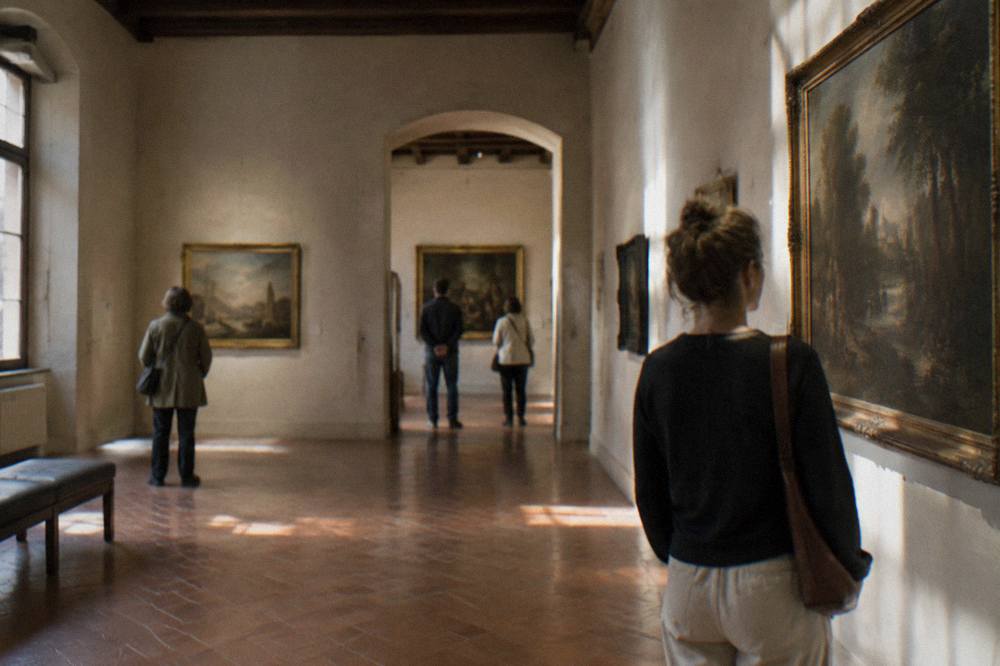
The Musei Civici Eremitani hold Padua's principal civic collections across the former monastery: an archaeological section with Roman and pre-Roman material from the city and its territory, a picture gallery running from panels by Giotto's followers through to later Venetian painting, and a collection of coins, ivories and decorative objects, all displayed on one ticket with the Scrovegni Chapel under the EUR 15 combined price.
The picture gallery is the part visitors remember. It carries the story of Paduan painting beyond the two famous fresco cycles, with panels that show the school that grew up around Giotto's work in the city and the Venetian influence that arrived with the city's long incorporation into the Venetian state from 1405 to 1797. The archaeology rooms document Roman Patavium, the municipality that grew into modern Padua, and the surrounding Euganean territory. The full index of guides sits on Padua Travel Guide.
The museums are open longer than nearly any other cultural site in the city, Monday to Sunday from 9:00 to 19:00, and the combined ticket includes them even on non-holiday Mondays when other civic sites close. For travellers comparing the city's museum offering, the Padua museums guide ranks the collections.
| Collection in the Musei Civici Eremitani | Period covered | Highlights |
|---|---|---|
| Archaeology | Pre-Roman and Roman Patavium | Local finds documenting the ancient city and its territory |
| Picture gallery | Giotto's followers to later Venetian painters | Panels continuing the tradition of Giotto's Paduan school |
| Applied arts and decorative objects | Medieval to early modern | Ivories, coins and decorative pieces |
| Palazzo Zuckermann annex | Various | Applied arts and the Museo Bottacin coin and medal collection |
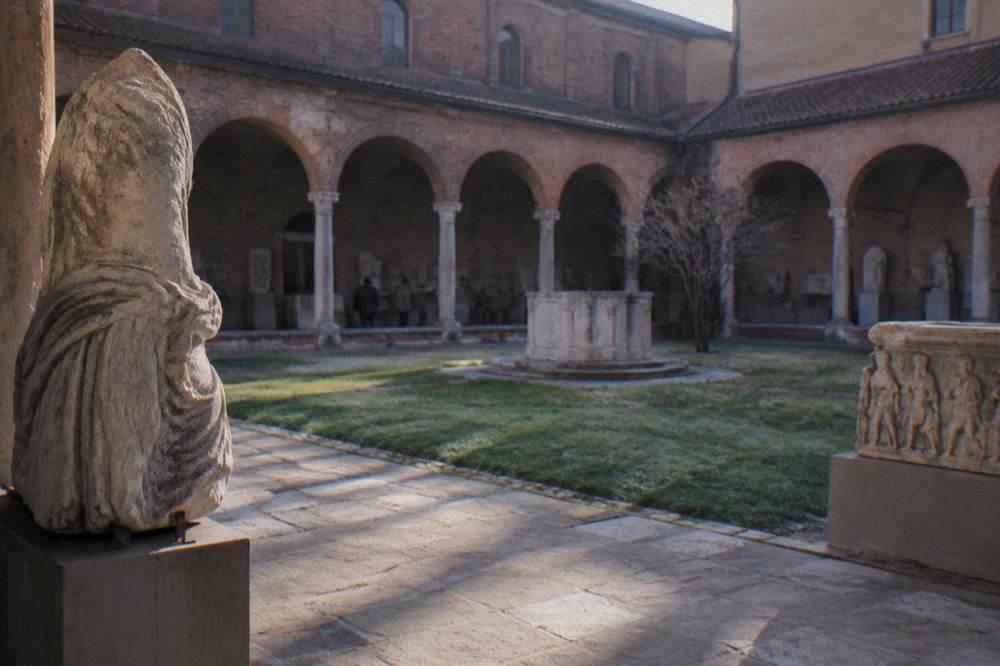
How Does The Eremitani Complex Connect To The Scrovegni Chapel Visit?
The Eremitani Church and museum share a square, a ticket and a logistics chain with the Scrovegni Chapel: the museum ticket office stands about one hundred metres from the chapel entrance, the daytime chapel ticket includes the museums, unbooked visitors are directed to check chapel availability at that same museum ticket office because online same-day booking does not exist, and the chapel is closed 16 to 27 November 2026 for its annual fresco inspection while the museums' own schedule continues unchanged.
The practical sequence matters. Book the chapel slot in advance through the chapel's own booking system or call centre, arrive at the square early, use the waiting time to enter the Eremitani Church and see the Ovetari Chapel, present the combined ticket at the museum entrance as well, then line up at the chapel door five minutes before the assigned time. After fifteen minutes inside the chapel, the museums remain open for the rest of the visit. The answers to how long it takes to visit the Scrovegni Chapel and why the chapel is also called the Arena Chapel fill in the context of the neighbouring building.
| Step of a combined visit | Where | Timing note |
|---|---|---|
| Chapel booking | Online in advance or call centre | Same-day online booking does not exist |
| Museum ticket office | Piazza Eremitani 8 | Unbooked visitors check chapel availability here |
| Eremitani Church and Ovetari Chapel | Church interior | No timed slot, open during museum hours |
| Musei Civici Eremitani galleries | Former monastery | Monday to Sunday 9:00 to 19:00 |
| Scrovegni Chapel entry | Chapel entrance, about 100 m from ticket office | Be there 5 minutes before the slot |
One caution repeats across every Padua planning page: the chapel is not a walk-in site and it is not open every day of the year. The chapel closes from 16 to 27 November 2026 for the annual fresco inspection, and any November trip should be planned around it. The museums remain the fallback, and their nine-to-seven schedule gives a full day's worth of material.
What Else Sits Within Walking Distance Of The Eremitani Church?
The Eremitani Church sits in the north-west corner of Padua's compact historic centre, within a walk of the Scrovegni Chapel across the square, the Roman amphitheatre remains in the gardens beside it, Piazza delle Erbe and Palazzo della Ragione a few arcaded streets to the south-east, the Basilica of Saint Anthony further on, and the railway station to the north, making the square the natural hinge between arrival, the fresco itinerary and the rest of the old city.
Padua is an inland city about 36 km in a straight line from Venice, and its historic centre is small enough that the whole core walk, station to Basilica, takes in nearly every major sight. From the Eremitani square, the standard route runs down Via XX Settembre or the parallel arcades to the market squares, then east to the Santo and Prato della Valle. The Piazza delle Erbe guide and the Palazzo della Ragione guide cover the middle stretch, and the Prato della Valle guide the eastern end.
For a longer arc, the Basilica of Saint Anthony, the Duomo and Baptistery, the Orto Botanico and the university's Palazzo del Bo all lie within the same walkable core, and the one day in Padua itinerary sequences them. Visitors with more time can add the Euganean Hills, described in the Arqua Petrarca day trip guide, or the walled town in the Castelfranco Veneto day trip guide.
When Is The Best Time To Visit The Eremitani Church In Padua?
The ERA5 reanalysis for Padua, 1991-2020, shows a continental climate with a July and August mean daily high of 28.8 C, a January mean daily high of 7.3 C, and November the month with the highest rain total at 114 mm of rain, so the comfortable months for the walk-in parts of the Eremitani visit are April, May, June, September and October, while the museums themselves stay open Monday to Sunday 9:00 to 19:00 year round and lose nothing to the weather.
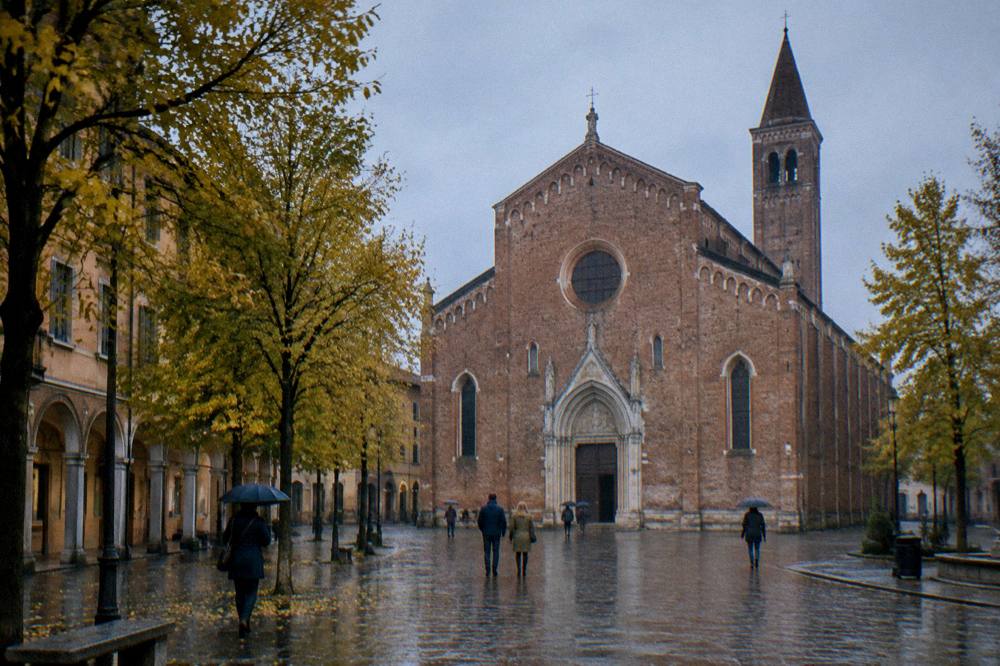
The indoor nature of the site changes the calculation. The church, the chapel and the galleries are all under cover, so a rainy November day costs nothing except the walk between them, and the museums' daily schedule means no closure for a Saturday or Sunday visit. The constraint that does bind is the chapel slot: timed entry with 25 people every 15 minutes means booking ahead regardless of season, and the November 2026 inspection closure removes the chapel entirely for those twelve days.
| Month | Mean daily high (C) | Rainfall (mm) | Fit for the Eremitani visit |
|---|---|---|---|
| January | 7.3 | 53.6 | Indoor visit, cold walk between buildings |
| April | 17.6 | 84.4 | Comfortable walking weather |
| July | 28.8 | 62.1 | Indoor visit, hot streets outside |
| September | 23.6 | 105.5 | Warm, wet spells possible |
| November | 12.6 | 114.0 | Highest rain total, fully indoor itinerary |
| December | 7.8 | 69.9 | Indoor visit, cold walk between buildings |
The figures above are modelled ERA5 reanalysis values for the 1991-2020 period, not a station record, and the site's Padua weather guide and best time to visit guide expand on them month by month. For the season-specific angle, the Padua in winter guide covers the short-day version of this itinerary.
How Do You Fit The Eremitani Church Into A Day In Padua?
A workable sequence books the Scrovegni Chapel slot for the morning, arrives at Piazza Eremitani an hour early, visits the Eremitani Church and Ovetari Chapel first, enters the chapel at the assigned time, then spends the rest of the morning in the Musei Civici Eremitani and Palazzo Zuckermann on the same ticket, before walking south into the centre for the market squares, Palazzo della Ragione and, in the afternoon, the Basilica of Saint Anthony and Prato della Valle.
The morning-first order is not arbitrary. The chapel's first daytime slots begin at 9:00 and the last is 18:45, and an early slot leaves the whole day for the rest of the city, while a late slot turns the Eremitani complex into a closing stop on the way back toward the station. Travellers coming from Venice for the day, a train ride of about 26 to 40 minutes, should book a late-morning slot to absorb any delay; the Padua as a base for Venice guide and the reverse one day in Padua from Venice itinerary cover the timing in both directions.
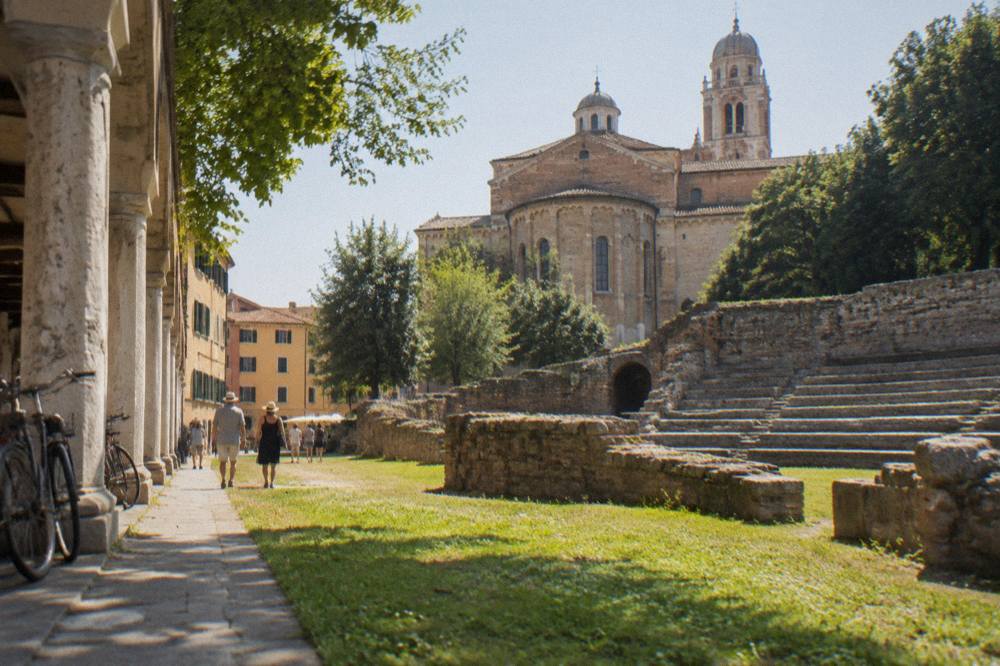
For a longer stay, the Padua in two days and Padua in three days itineraries move the Eremitani complex to a dedicated morning and give the university, the Orto Botanico and the Santo their own blocks. Families will find the church and museums manageable in sequence with the notes in the Padua with kids guide, and the free things to do in Padua guide lists what costs nothing nearby, including the church itself and the square's public gardens with the amphitheatre remains.
| Time block | Location | What it covers |
|---|---|---|
| Morning, one hour before the slot | Piazza Eremitani | Eremitani Church, Ovetari Chapel, square |
| Assigned slot, plus 15 minutes | Scrovegni Chapel | Giotto's fresco cycle, timed entry |
| Late morning | Musei Civici Eremitani | Archaeology, picture gallery, same ticket |
| Afternoon | Centre and east | Piazza delle Erbe, Palazzo della Ragione, Basilica, Prato della Valle |
Evening visits change the shape of the evening. The Giotto sotto le stelle programme runs from 25 March to 1 November, from 19:00 to 22:00 with entries every 20 minutes, chapel only and not the museums, which makes a dinner-hour chapel slot possible with the museums visited earlier in the day. The site's spritz in Padua guide points to the evening aperitivo culture in the piazzas afterwards.
For anyone who prefers a guide to handle the chapel booking and the route between the buildings, the guided chapel tour is the pairing this site highlights for the Eremitani visit, and Check availability on the operator's live listing before finalising the itinerary.
Common Questions About The Eremitani Church In Padua
Is the Eremitani Church included in the Scrovegni Chapel ticket?
Yes. The daytime Scrovegni ticket at EUR 15 full price, EUR 11 reduced or EUR 5 for residents, plus a EUR 1 booking fee for the chapel, also covers the Musei Civici Eremitani and Palazzo Zuckermann, including on non-holiday Mondays. A museums-only ticket costs EUR 11 full or EUR 9 reduced.
What are the opening hours of the Musei Civici Eremitani?
The Musei Civici Eremitani at Piazza Eremitani 8 are open Monday to Sunday from 9:00 to 19:00. Palazzo Zuckermann, included in the same ticket, is open Tuesday to Sunday from 10:00 to 19:00 with last entry 45 minutes before closing.
Can you see the Ovetari Chapel frescoes in the Eremitani Church?
Yes, in part. The Ovetari Chapel holds the surviving fragments of the fresco cycle described as Mantegna's, including the Martyrdom of St Christopher and the Assumption of the Virgin on the right wall. The cycle was largely destroyed when the church was bombed in 1944, a loss reported in the city's historical accounts.
Is the Eremitani Church part of UNESCO World Heritage?
Yes. The church, under its full name Chiesa dei Santi Filippo e Giacomo agli Eremitani, is one of the eight complexes of the Padova Urbs Picta inscription of fourteenth-century fresco cycles, inscribed in 2021 under criterion (ii).
How far is the Eremitani Church from the Scrovegni Chapel?
They share the same square. The chapel's ticket office sits about one hundred metres from the chapel entrance, and the Eremitani Church and museums stand immediately beside both, which is why the two are almost always visited together on one ticket.
Is the Eremitani Church open in November?
The museums keep their Monday to Sunday 9:00 to 19:00 schedule, but the Scrovegni Chapel is closed 16 to 27 November 2026 for its annual fresco inspection, so a November visit on those dates covers the church and museums without the chapel. Check the chapel's own site before booking around those dates.