Padua Museums: Which Ones Are Worth Your Time
Padua packs its museums tight around a small centre: Giotto's frescoes, a UNESCO botanical garden and a 1594 anatomical theatre, all within walking distance.
Short answer
Start with the Scrovegni Chapel and its combined Musei Civici Eremitani ticket (EUR 15 full plus a EUR 1 booking fee), then the Orto Botanico (EUR 15 full from 1 September 2026) and a guided slot at Palazzo del Bo. Everything sits inside the old centre.
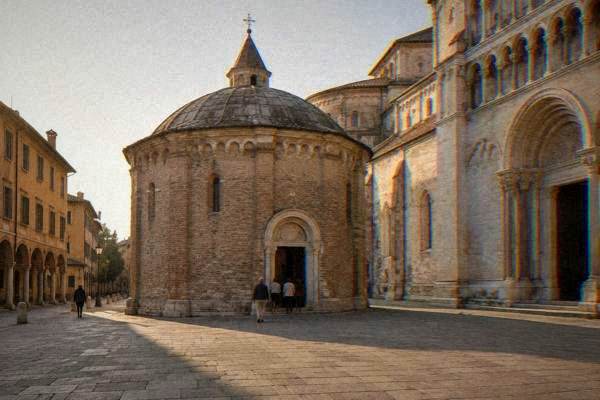
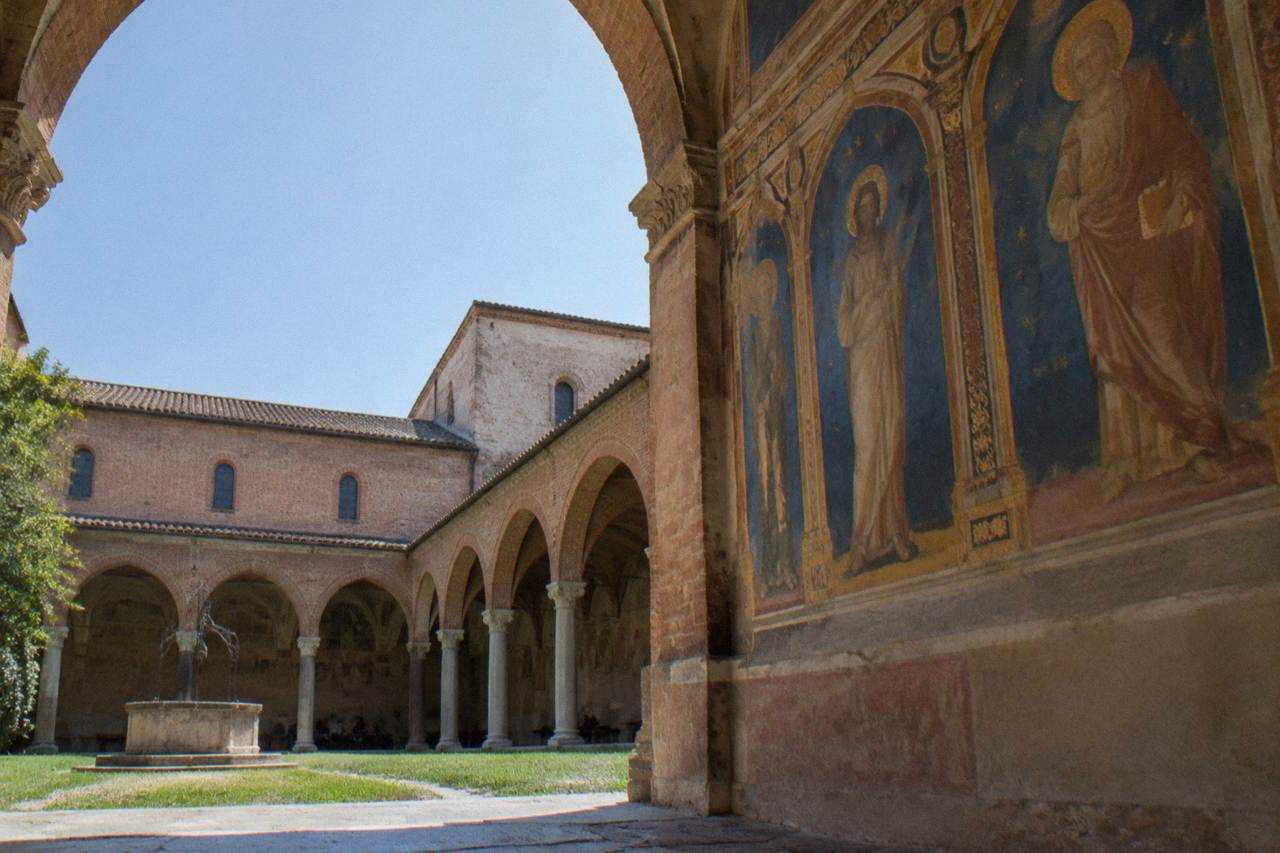
Padua, in the Veneto of northern Italy, holds a remarkable concentration of museum-grade art within its old centre. The Scrovegni Chapel carries Giotto's fresco cycle of 1303 to 1305, the Orto Botanico is a UNESCO World Heritage site founded in 1545, and the university's Palazzo del Bo keeps a permanent anatomical theatre inaugurated in 1594. This guide sets out what each museum holds, what the tickets cost on the official price lists, and which ones need booking ahead of arrival.
Which Padua Museums Should You See First?
If time is short, the three that anchor a Padua museum visit are the Scrovegni Chapel with its combined Musei Civici Eremitani ticket, the Orto Botanico, and a guided tour of Palazzo del Bo, because they cover the fourteenth-century frescoes, the 1545 botanical garden and the university's 1594 anatomical theatre between them, and all three sit within the walkable old centre of Padua.
The Scrovegni Chapel is the one that needs the most planning. Entry is timed only, with groups of at most 25 people admitted every 15 minutes and about 15 minutes inside the chapel itself, and there is no same-day online booking: the chapel's own booking page directs visitors without a reservation to check availability at the museum ticket office. Slots are bookable by phone or online up to the day before with a card.
After the chapel, the combined daytime ticket naturally takes you into the Musei Civici Eremitani next door, and from there Piazza delle Erbe, Palazzo della Ragione and the university buildings are all short walks. The Scrovegni Chapel tickets guide breaks the booking mechanics down in more detail, and the general things to do in Padua page places the museums in a full itinerary. The call centre number for chapel bookings is +39 049 2010020, and the chapel's own site lists advance slots running as far as 10 February 2027.
What Does The Scrovegni Chapel Ticket Actually Include?
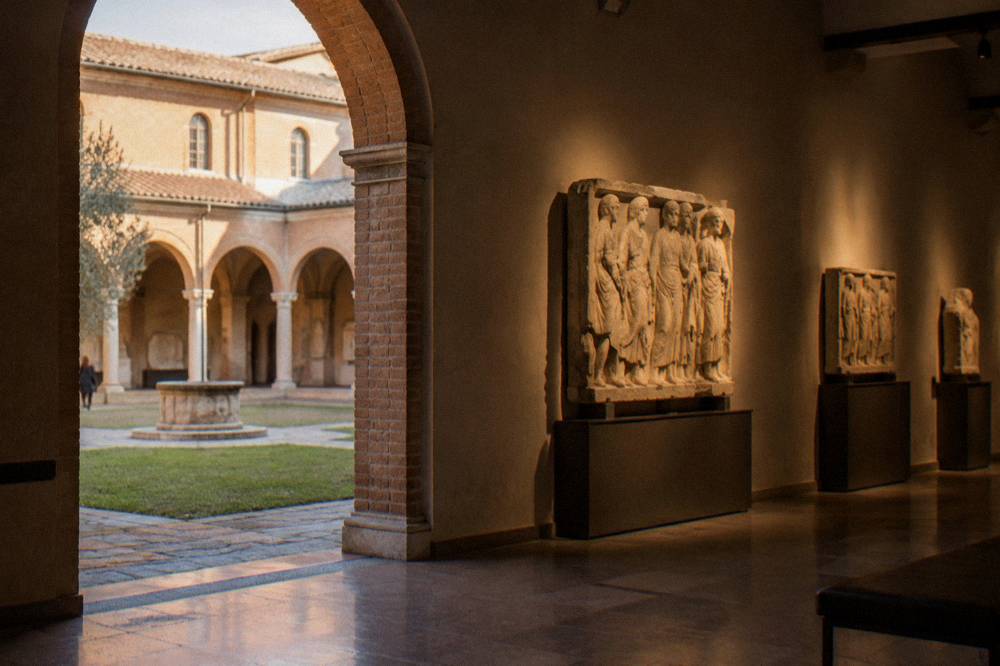
The full-price daytime Scrovegni ticket costs EUR 15 plus a EUR 1 booking fee (EUR 11 reduced plus the fee, EUR 5 for residents of Padua), and it covers not just the chapel but also the Musei Civici Eremitani and Palazzo Zuckermann, per the museums' own price list on padovamusei.it, while the evening ticket covers the chapel alone.
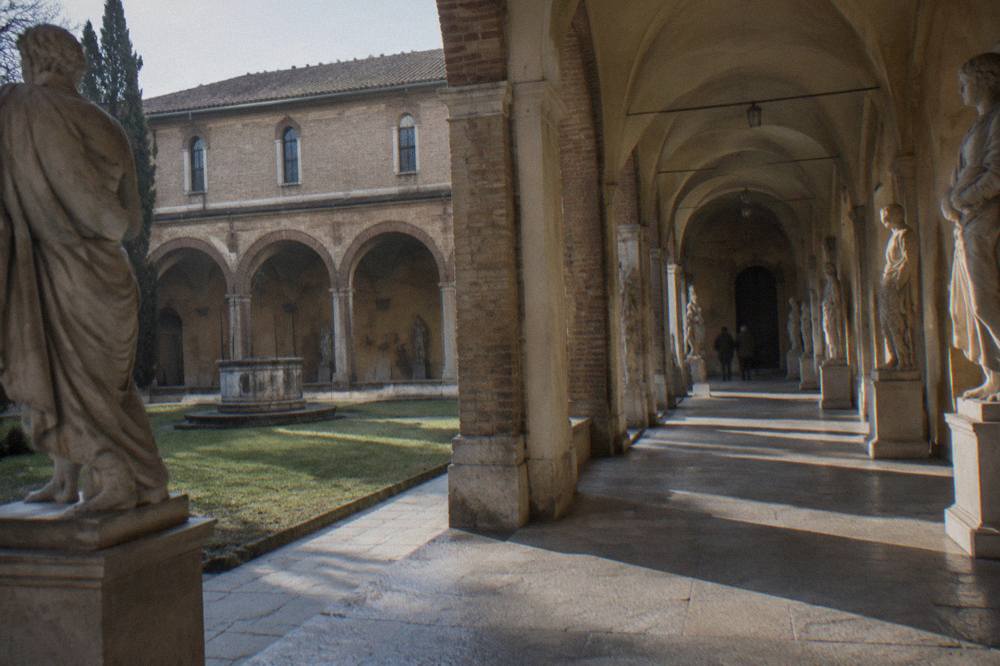
That bundling is the detail that changes the day. A chapel-only mindset has you walking out after fifteen minutes; the ticket as sold is a three-site civic pass, and the Eremitani museums on Piazza Eremitani 8 run Monday to Sunday, 9:00 to 19:00, while Palazzo Zuckermann at Corso Garibaldi 33, which holds the applied-arts collections and the Museo Bottacin, runs Tuesday to Sunday, 10:00 to 19:00, with last entry 45 minutes before closing.
The evening visits, billed as "Giotto sotto le stelle", run from 25 March to 1 November, 19:00 to 22:00, entries every 20 minutes, last entry 21:20, chapel only. Two closure windows matter for planning: the chapel closes entirely from 16 to 27 November 2026 for the annual fresco inspection by the Istituto Centrale per il Restauro, and the daytime calendar also lists closures on 1 May, 25 and 26 December, and 1 January.
A family card at EUR 30, plus EUR 1 per person for the chapel booking, covers up to two adults and two under-18s, and there is a museums-only ticket at EUR 11 full, EUR 9 reduced, for anyone not entering the chapel. The reduced rates for young people and students sit at EUR 5 on the published table, and the conditions attached to each row are worth reading before you assume you qualify.
How Much Do Padua's Civic Museums Cost?
The paid civic museums of Padua cluster in a narrow price band: EUR 15 full for the Scrovegni combination, EUR 8 full for Palazzo della Ragione (per padovamusei.it, confirm on the official table), EUR 5 full for the Museo del Risorgimento and the Loggia and Odeo Cornaro, and free entry with a mandatory booking for the Torre dell'Orologio, according to each listing.
The table below pulls the published figures into one place. The Scrovegni and Eremitani rows are on the padovamusei price list; the Ragione, Risorgimento, Cornaro and clock-tower rows come from the same source and deserve a confirmation on the official page before you travel, since hours and tariffs are the kind of detail that shifts between seasons.
| Museum | Full price | Reduced | Notes |
|---|---|---|---|
| Scrovegni Chapel + Musei Civici Eremitani + Palazzo Zuckermann | EUR 15 (+EUR 1 booking) | EUR 11 (+EUR 1) | Residents EUR 5; young people and students EUR 5 under listed conditions |
| Musei Civici Eremitani and Palazzo Zuckermann only | EUR 11 | EUR 9 | No chapel entry |
| Family card (museums) | EUR 30 | EUR 1 per person chapel fee | Up to 2 adults and 2 under-18s |
| Palazzo della Ragione | EUR 8 | EUR 6 | Tickets sold at IAT Piazza delle Erbe 52, per padovamusei.it |
| Museo del Risorgimento, Stabilimento Pedrocchi | EUR 5 | EUR 4 / EUR 3 | Tue to Sun, split morning and afternoon hours, per padovamusei.it |
| Loggia and Odeo Cornaro | EUR 5 | EUR 4 / EUR 3 | Seasonal hours; groups max 25 every 30 minutes, per padovamusei.it |
| Torre dell'Orologio | Free | Free | Mandatory booking, set days only, per padovamusei.it |
The Ragione deserves its own word. Its vast upper hall sits above the market squares of Piazza delle Erbe and Piazza dei Frutti, and it forms part of the Padova Urbs Picta UNESCO inscription of 2021, which covers eight fourteenth-century fresco complexes; the Urbs Picta UNESCO guide lists all eight. The Caffè Pedrocchi next to the Risorgimento museum opened in 1831 and remains a working cafe, though its current opening hours are best checked on its own site.
Is The Orto Botanico A Museum Or A Garden?
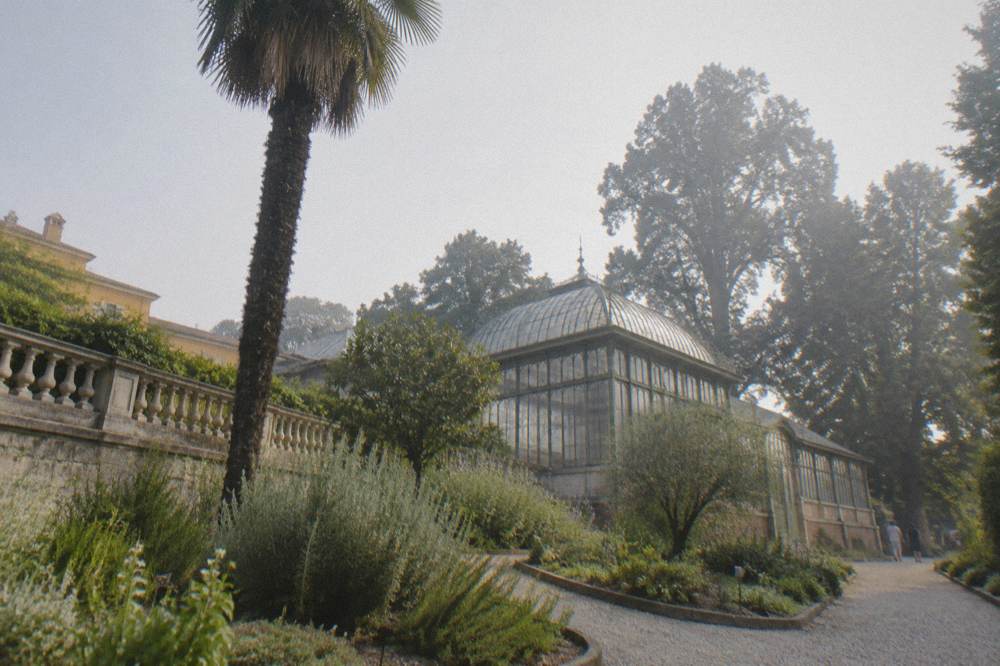
The Orto Botanico is both: a living museum founded in 1545 and inscribed by UNESCO in 1997, with an entry ticket that rose to EUR 15 full for visitors aged 26 to 64 from 1 September 2026, EUR 12 in the winter months of November to February, and EUR 10 reduced for visitors 65 and over, per the garden's own ticket page.
Winter reduced admission is EUR 8. The garden runs Tuesday to Sunday plus holidays and closes on non-holiday Mondays, with seasonal hours: 10:00 to 17:00 in January and February, 10:00 to 18:00 in March, and from Saturday 24 October back to 10:00 to 17:00, with last entries before each closing time. An audioguide is included, and fixed-time guided tours run on weekends and holidays, at 11:00 and 15:00 through late March and then at 11:00, 15:00 and 17:00 from 28 March.
| Visitor category | Standard season | Winter (Nov to Feb) |
|---|---|---|
| Full, ages 26 to 64 | EUR 15 | EUR 12 |
| Reduced, 65+, teachers, Padua province residents | EUR 10 | EUR 8 |
The 2026 tariff change is worth knowing before you read older guides: pages still quoting EUR 10 as the standard full price are describing the ticket that applied before 1 September 2026. The garden's own page at ortobotanico1545.it carries the current table.
What Do You See On A Palazzo Del Bo Tour?
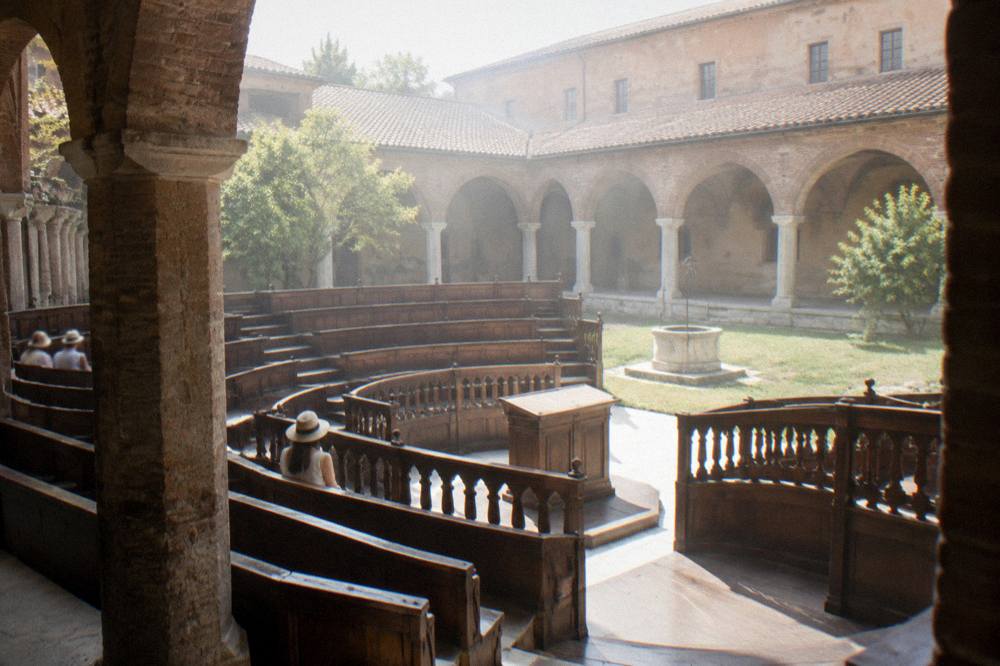
A guided "Giro storico" of Palazzo del Bo costs EUR 10 full (EUR 8 reduced for 65-plus, teachers and groups, EUR 6 for ages 6 to 25, EUR 5 for school groups) and lasts about 45 minutes, taking in the Aula Magna, Galileo's chair in the Sala dei Quaranta, the anatomical theatre of 1594, Medicine and Law halls and the statue of Elena Cornaro Piscopia, per the university's own information page.
The booking centre is on 049 827 3939, and tours alternate between Italian and English slots, with listed examples such as 12:30 Italian, 13:30 English, 15:30 Italian, 16:30 English and 17:30 Italian. Not every room is guaranteed on every day, so if the anatomical theatre is the reason you are going, say so when booking.
The theatre itself was inaugurated in 1594 and is described by the university as the first permanent anatomical theatre. Galileo held the chair of mathematics at Padua from 1592 to 1610, years he later called the best eighteen of his life, and Elena Lucrezia Cornaro Piscopia took her doctorate in philosophy here on 25 June 1678, the first woman university graduate in recorded history. The University of Padua guide carries the fuller story, and there is an integrated "Padova Citta della Scienza" ticket that combines the Bo with the Orto Botanico and the Museo della Natura e dell'Uomo.
Which Padua Museums Are Free To Enter?
The free museum-grade sights in Padua are the Basilica of Saint Anthony, which charges no admission and holds the Saint's tomb and the Chapel of the Relics, and the Torre dell'Orologio, which is free but requires a mandatory booking on set days, while the civic museums proper all charge the tariffs listed above, and the Scrovegni Chapel is never free.
The Basilica, begun in 1232 a year after Saint Anthony's death on 13 June 1231, is a pilgrimage church as much as a museum: Donatello's main altar work and his equestrian Gattamelata statue in the piazza outside are part of the visit. Dress suitable for a church applies. The Saint Anthony of Padua guide covers the basilica and the annual Tredicina, which ran from 31 May to 12 June in 2026 with the feast on 13 June.
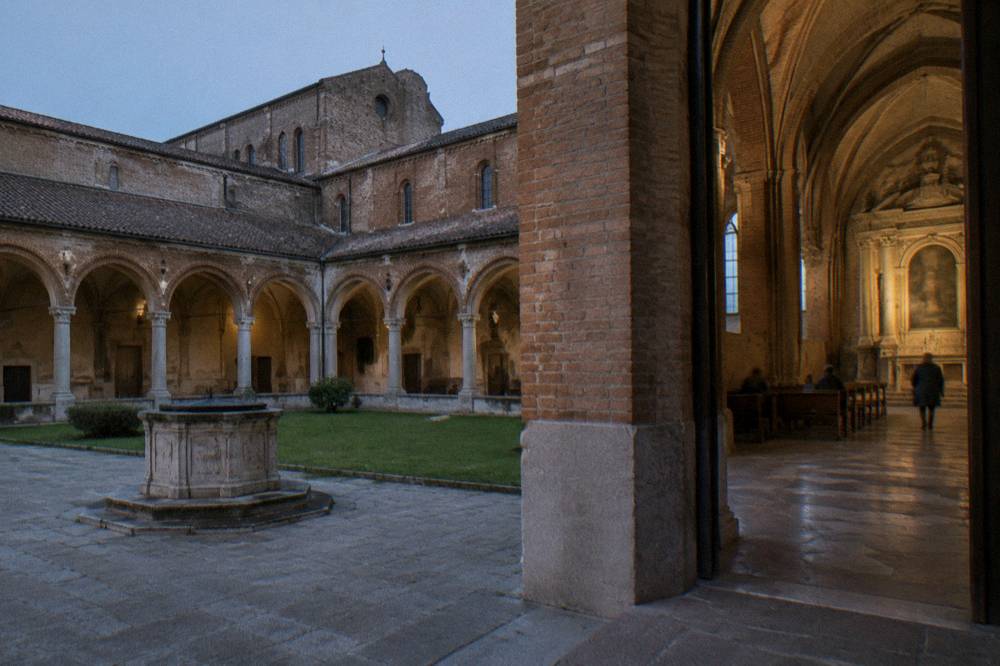
Free does not mean second-rank here. Padua's two UNESCO inscriptions, the Orto Botanico from 1997 and Padova Urbs Picta from 2021, mean several of the city's finest interiors are working churches and civic buildings you can stand inside without a ticket, even where a separate museum on the same site charges. Check each site's own page for current hours before you go.
What About The Baptistery, La Specola And MUSME?
The Baptistery of the Cathedral, with Giusto de' Menabuoi's frescoes, is one of the eight Padova Urbs Picta complexes and appears on tour listings as a ticketed visit, while the Museo del Risorgimento and the civic satellites carry the tariffs above; for the MUSME health-medicine museum and the La Specola observatory, check each museum's own site for the current price, hours and visit arrangements before travelling.
The Urbs Picta list gives a useful frame for the smaller stops: the Cappella degli Scrovegni, the Chiesa dei Santi Filippo e Giacomo agli Eremitani, Palazzo della Ragione, the Cappella della Reggia Carrarese, the Battistero della Cattedrale, the Basilica e Convento di Sant'Antonio, the Oratorio di San Giorgio and the Oratorio di San Michele. An affiliate ticket for the Baptistery together with the Museum of the Diocese is sold through the operator's live listing, alongside a simple entry ticket for Villa dei Vescovi, a frescoed villa in the Euganean Hills: Check availability.
| Site | Role in a museum day | Access |
|---|---|---|
| Battistero della Cattedrale | Urbs Picta complex, Menabuoi frescoes | Ticketed visit |
| Chiesa degli Eremitani | Urbs Picta complex, near the Scrovegni | Church, see the Chiesa degli Eremitani guide |
| Cappella della Reggia Carrarese | Urbs Picta complex | Opening details on official pages |
| Oratorio di San Giorgio | Urbs Picta complex | Opening details on official pages |
| Oratorio di San Michele | Urbs Picta complex | Opening details on official pages |
How Do You Fit The Padua Museums Into One Day?
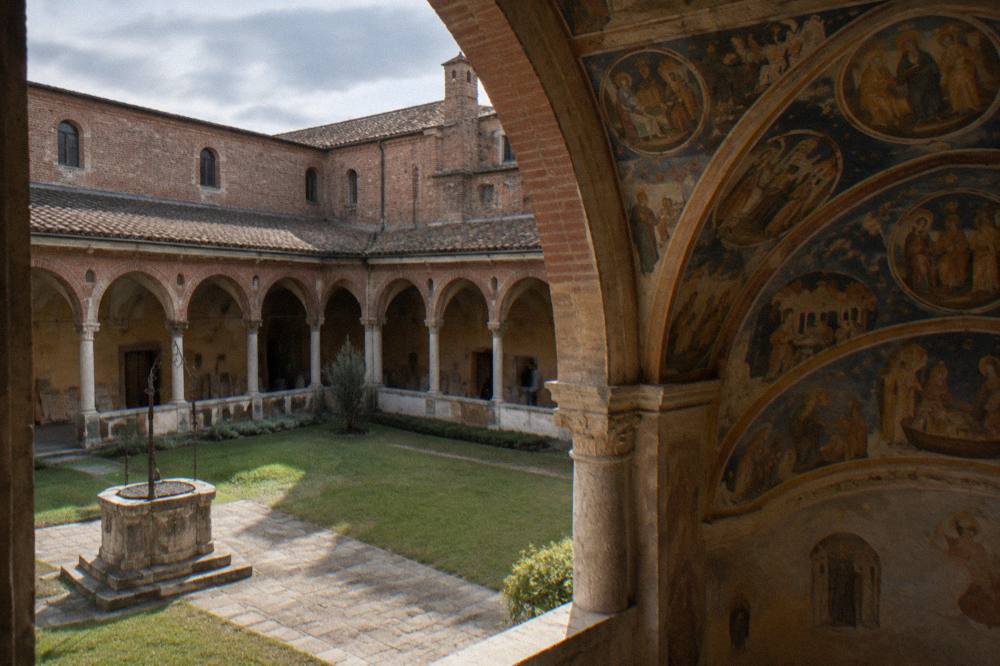
A one-day museum circuit works because the Scrovegni Chapel, Musei Civici Eremitani, Palazzo della Ragione, Piazza delle Erbe, the Basilica of Saint Anthony and the Orto Botanico all sit inside the contiguous old centre: book the chapel slot first, anchor the day around it, and slot the free basilica and the Ragione between timed entries, leaving Palazzo del Bo for a day with more room.
The sequencing matters more than the distance. The chapel visit is short, about 15 minutes inside, but the arrival rule is strict: be at the entrance 5 minutes before the slot, because the visit begins with a wait in the climate-controlled waiting room and late arrivals are denied re-entry unless they make a new paid booking. The ticket office stands about 100 metres from the chapel.
| Stop | Booking need | Time to allow |
|---|---|---|
| Scrovegni Chapel | Timed slot, book ahead | Slot time plus 15 minutes inside |
| Musei Civici Eremitani | Same ticket as chapel | 45 to 60 minutes |
| Palazzo Zuckermann | Same ticket as chapel | 30 to 45 minutes |
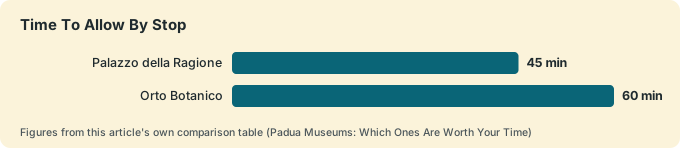
| Palazzo della Ragione | Tickets at IAT Piazza delle Erbe 52 | 45 minutes |
| Basilica of Saint Anthony | None, free entry | 30 to 45 minutes |
| Orto Botanico | Audioguide included, guided tours on weekends | 60 minutes |
For a longer stay, the getting around Padua guide explains the tram and bus system, with a 90-minute urban ticket at EUR 1.70, and the Padua weather guide helps pick the day: the ERA5 reanalysis for 1991-2020 puts November at the highest monthly rain total, 114 mm, which is a fair argument for keeping museum days for the late-autumn months.
Are The Padua Museums Better With A Guide Or A Card?
A guided visit earns its cost at the Scrovegni Chapel and Palazzo del Bo, because both are short, dense and timed, and a city card only makes sense after you list what you will actually enter: the Scrovegni still needs its own timed booking plus the EUR 1 fee even when bundled, so price the card against your real itinerary on the official museums site before buying.
Guided walking products that include the chapel visit or a small-group city walk are listed on this site with the price, rating and duration shown on each operator's live listing, and the trio below covers the three that pair most naturally with a museum-heavy stay: a chapel-inclusive small-group walk, a frescoed villa outside the city, and a boat day along the Brenta Riviera villas between Padua and Venice.
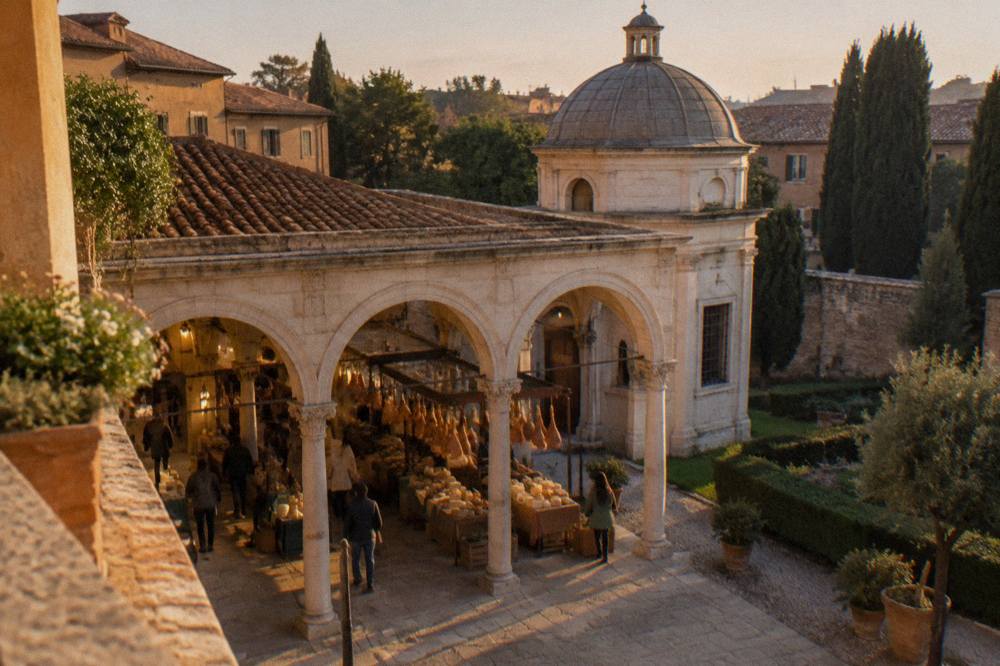
The point is that Padua's museum offer extends well past paintings. The university collections, the Sotto il Salone food market under Palazzo della Ragione, described by the tourism board as eight centuries of covered market, and the antiques market at Prato della Valle every third Sunday of the month all sit inside the same walkable grid. The what to eat in Padua guide picks up the food side.
What Should You Know Before Booking Anything?
Book the Scrovegni Chapel before you book your hotel, keep the chapel's 16 to 27 November 2026 closure in mind if you travel late in the year, carry the EUR 1 booking fee in your budget, and treat every other Padua museum as flexible on the day except Palazzo del Bo, whose guided slots run on a fixed alternating-language timetable you should reserve by phone.
A few closing specifics help. The tourist tax exists, is collected by your accommodation, and is capped at five consecutive nights, so it does not change museum maths. The station left-luggage office at platform 1, open daily 6:00 to 20:00 at EUR 5 per 6 hours, lets you squeeze museum hours between checkout and a train. And the climate question is answerable with numbers: the ERA5 reanalysis 1991-2020 gives July and August a mean daily high of 28.8 C and January a high of 7.3 C, so indoor mornings make sense in either extreme. This Padua Travel Guide page is one of a set; the sibling pieces on tickets, UNESCO frescoes and the university fill in the sites named above.
Common Questions About Padua Museums
Do I need to book the Scrovegni Chapel in advance?
Yes. Entry is timed, at most 25 people every 15 minutes, and there is no same-day online booking. Slots can be booked up to the day before by phone or online with a card; visitors without a booking should check availability at the museum ticket office.
How long does a Scrovegni Chapel visit take?
About 15 minutes inside the chapel, after a wait in the climate-controlled waiting room. Arrive 5 minutes before your slot; latecomers are denied re-entry without a new paid booking.
Is the Scrovegni Chapel ever closed?
It closes from 16 to 27 November 2026 for the annual fresco inspection by the Istituto Centrale per il Restauro, and the calendar also lists closures on 1 May, 25 and 26 December and 1 January.
What does the EUR 15 Scrovegni ticket include?
The full daytime ticket covers the chapel, the Musei Civici Eremitani and Palazzo Zuckermann, plus a EUR 1 booking fee for the chapel. The evening ticket covers the chapel only.
Is the Orto Botanico included in any museum ticket?
No, it is ticketed separately, at EUR 15 full from 1 September 2026 and EUR 12 in winter. An integrated "Padova Citta della Scienza" ticket combines it with Palazzo del Bo and the Museo della Natura e dell'Uomo.
Which Padua museums are free?
The Basilica of Saint Anthony is free to enter, and the Torre dell'Orologio is free with a mandatory booking on set days. The civic museums all charge admission.