MUSME: The Padua Museum Of Medicine History
Padua (Padova), an inland city in the Veneto about 36 km in a straight line from Venice, keeps one of the great medical histories in Europe, and the MUSME museum of medicine history tells that story beside the university that created it.
Short answer
The MUSME is Padua's museum of the history of medicine, opened in a former hospital and devoted to the medical school of the University of Padua, founded in 1222, whose 1594 anatomical theatre still stands in Palazzo del Bo. Check the museum's own site for current hours and admission.
Padua (Italian: Padova) is an inland city in the Veneto, northern Italy, about 36 km in a straight line from Piazza San Marco in Venice, and it holds one of the longest continuous medical teaching histories in Europe. The University of Padua was founded in 1222, its anatomical theatre was inaugurated in 1594, and Galileo held the chair of mathematics there from 1592 to 1610. The MUSME, the city's museum of the history of medicine, presents that scientific past to a general audience, and this page sets out what the sources say about it, alongside the 2026 ticket and hours facts for the museums around it. For prices and opening times at the MUSME itself, check the museum's own site before you go.
What Is The MUSME In Padua?
The MUSME is Padua's museum of the history of medicine, a science museum in the city's historic centre devoted to the medical tradition of the University of Padua, which was founded in 1222 and which opened the world's first permanent anatomical theatre in 1594. The museum presents anatomy, surgery and pharmacy through interactive displays rather than glass cases alone, and it is aimed at families and students as much as specialists. Its full Italian name is the Museo della Storia della Medicina, and its subject matter is the reason Padua, rather than a larger city, holds a museum of this kind at all.
The story it tells is genuinely unusual. The university's own heritage pages record the 1222 founding of the Studium Patavinum, the 1545 founding of the Orto Botanico as the world's first university botanical garden, the 1594 anatomical theatre and the 1678 doctorate of Elena Lucrezia Cornaro Piscopia, the first woman university graduate in recorded history. Each of those dates is a medical or scientific milestone, and together they explain why a museum of medicine sits naturally in Padua rather than, say, in a regional capital. The university reports about 76,000 students in the 2026/27 academic year, so the city's scientific identity is not merely historical.
The museum's own price and hours are not carried in the site's research for this page, so this guide does not print them. What the sources do support is the wider context: the Palazzo del Bo guided tour, the Orto Botanico's 2026 tariffs and the Scrovegni Chapel ticket, all of which are set out with figures below. A reader planning a museum day in Padua should treat the MUSME as one stop among several within walking distance, with its own current details confirmed on the museum's site.
Why Is Padua's Medical History A Museum Story?
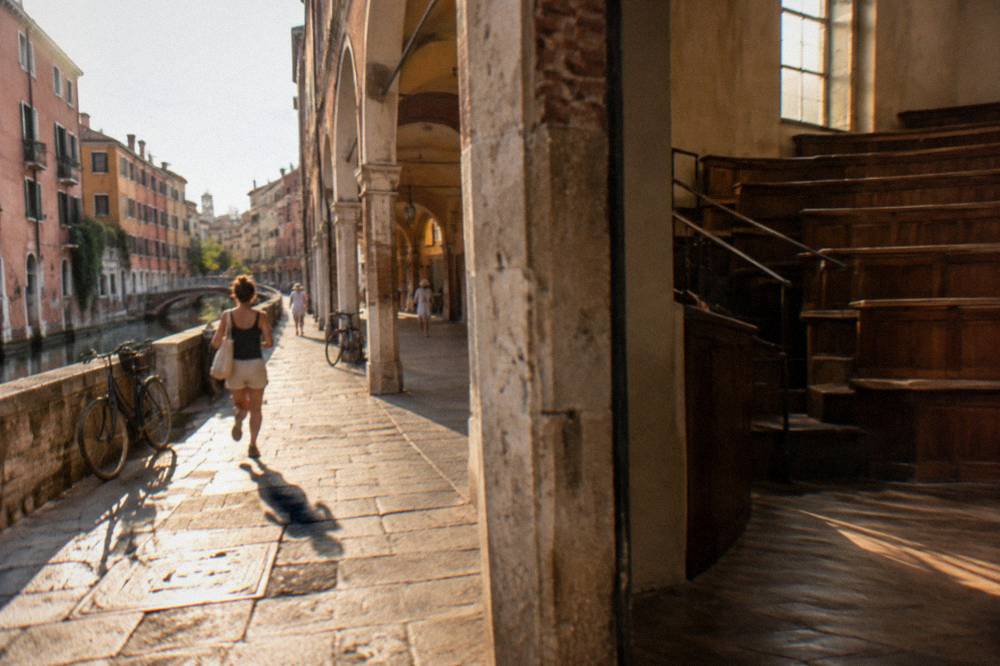
Padua's medical history is a museum story because the dates run in an unbroken chain: a university founded in 1222, a botanical garden for medicinal plants in 1545, a permanent anatomical theatre in 1594, and the first recorded woman graduate, in philosophy, in 1678, all still visible in buildings a visitor can enter today. The Palazzo del Bo, the university's historic seat, runs a guided "Giro storico" that includes the anatomical theatre itself, Galileo's chair in the Sala dei Quaranta and the statue of Elena Cornaro. Few cities can walk you through four centuries of science in one building.**
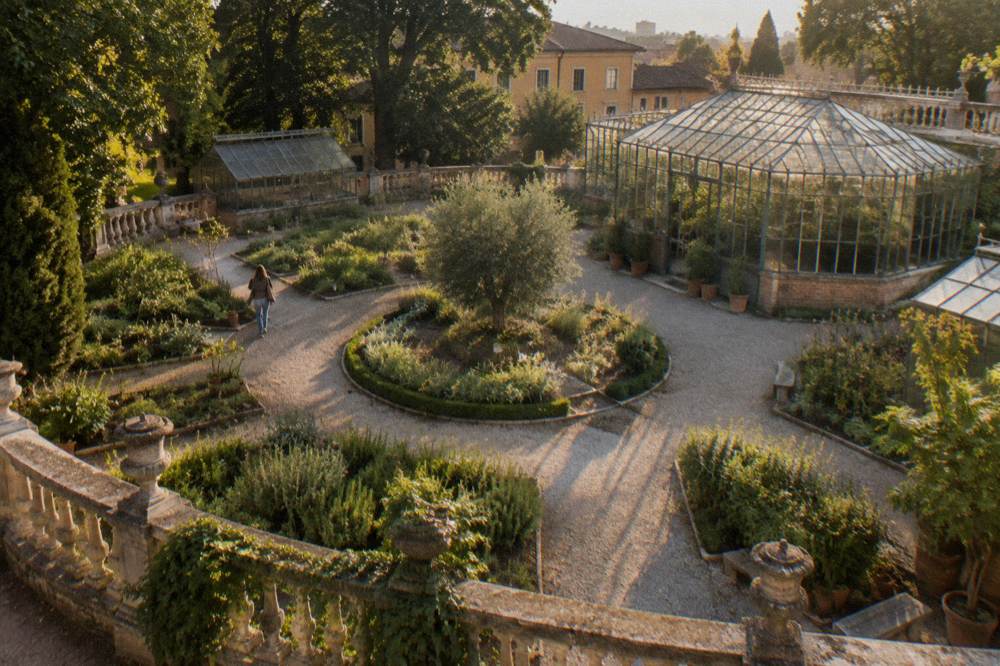
The university's own pages supply the anchored facts. Galileo arrived in 1592 to the chair of mathematics and stayed until 1610, years he later described as the best eighteen of his life; Sidereus Nuncius was published in 1610. The anatomical theatre, inaugurated in 1594, was built for public dissections and medical teaching, and the university describes it as the first permanent anatomical theatre. Elena Lucrezia Cornaro Piscopia was awarded her doctorate in philosophy on 25 June 1678. The Orto Botanico, founded in 1545 for the study of medicinal plants and inscribed by UNESCO in 1997, completes the picture: medicine, botany, mathematics and astronomy advanced in the same institutions, in the same decades.
That density is the argument for the MUSME. A museum of medicine in a city without this record would be a curiosity; in Padua it is a summary of what the university's buildings still show. A sensible plan pairs the museum with a timed visit to the Scrovegni Chapel and a walk through the Orto Botanico, both of which carry their own 2026 prices below.
What Can You See Inside The MUSME In Padua?
Inside the MUSME the visitor finds displays on human anatomy, the history of surgery and the teaching of medicine at the University of Padua, staged with interactive and hands-on exhibits designed for a general audience, in the setting of a former hospital building in the historic centre. The museum covers the development of medical knowledge from the university's medieval origins to modern practice, and it is described as particularly suited to families and school groups. For the current exhibition layout, hours and admission, check the museum's own site before travelling.**
What this page can state firmly is the historical substance behind the displays, because the university's records are explicit. The anatomical theatre of 1594 was conceived for dissections before audiences of students and scholars; the Orto Botanico of 1545 was created to grow and study the plants physicians prescribed; the 1678 graduation of Elena Cornaro marked a first in recorded university history. These are not legends but dated institutional events, each documented on the university's own heritage pages, and the museum's exhibits stand on that documentary base.
A visit also sits inside a wider museum quarter. The civic Musei Civici Eremitani at Piazza Eremitani 8 open Monday to Sunday from 9:00 to 19:00, and Palazzo Zuckermann at Corso Garibaldi 33, housing the applied arts collections and the Museo Bottacin, opens Tuesday to Sunday from 10:00 to 19:00 with last entry 45 minutes before closing, both per the civic museums' own site. The Scrovegni Chapel stands a few steps from the Eremitani complex. Readers planning a combined ticket should also look at the Baptistery and Diocese Museum option, which this site features separately: Check availability.
How Does The MUSME Compare With Padua's Other Museums?
The MUSME is a single-theme science museum, while Padua's other main museums split into three groups: the civic museums around the Scrovegni Chapel (Eremitani and Palazzo Zuckermann), the university sites (Palazzo del Bo and the Orto Botanico), and smaller civic satellites such as the Museo del Risorgimento at the Stabilimento Pedrocchi, reported at EUR 5 full with Tuesday to Sunday hours. Each group has its own ticket, and the civic museums' site carries the current table.**
The strongest scientific pairing is the MUSME with the Palazzo del Bo tour, because the Bo still contains the 1594 theatre the museum explains. The university's own tour page gives the tariffs and slots: alternating Italian and English tours, about 45 minutes, booking centre 049 827 3939. The table below prints the tariff rows.
| Palazzo del Bo guided "Giro storico" | Price |
|---|---|
| Full (26 to 64) | EUR 10 |
| Reduced (65+, teachers, mixed groups 10 to 30) | EUR 8 |
| Special reduced (6 to 25) | EUR 6 |
| School groups | EUR 5 |
The civic museums carry their own published prices, also from padovamusei.it. Palazzo della Ragione is listed at EUR 8 full with EUR 6 concessions, Tuesday to Sunday 9:00 to 19:00; the Torre dell'Orologio is reported as free with mandatory booking on set days through Legambiente Salvalarte; the Loggia and Odeo Cornaro are reported at EUR 5 full with seasonal hours. Those three rows are reported figures, so confirm on the civic museums' page before relying on them.
| Padua civic museum | Hours | Admission |
|---|---|---|
| Musei Civici Eremitani, Piazza Eremitani 8 | Mon to Sun 9:00 to 19:00 | Included with Scrovegni daytime ticket |
| Palazzo Zuckermann, Corso Garibaldi 33 | Tue to Sun 10:00 to 19:00 | Included with Scrovegni daytime ticket |
| Palazzo della Ragione | Tue to Sun 9:00 to 19:00 | EUR 8 full, EUR 6 concessions |
| Museo del Risorgimento, Stabilimento Pedrocchi | Tue to Sun 9:30 to 12:30 and 15:30 to 18:00 (reported) | EUR 5 full (reported) |
A note on the Caffè Pedrocchi: opened in 1831 according to the tourism board, it functions as a café and monument rather than a museum visit, and its opening hours are not carried in this page's research. Its neighbour, the Torre dell'Orologio, and the Palazzo della Ragione round out the historic centre's cluster.
How Much Do Padua's Attraction Tickets Cost In 2026?
Two 2026 price changes matter to a Padua museum day: the Orto Botanico's tariff rose to EUR 15 full for visitors aged 26 to 64 from 1 September 2026, with a winter full price of EUR 12 from November to February, and the Scrovegni Chapel daytime ticket remains EUR 15 full, EUR 11 reduced and EUR 5 for residents, plus a EUR 1 booking fee. Both come from the attractions' own ticket pages, and the Scrovegni ticket also covers the Musei Civici Eremitani and Palazzo Zuckermann.**
The Scrovegni Chapel requires particular care. Entry is timed, with groups of at most 25 people every 15 minutes and about 15 minutes inside the chapel after a wait in the climate-controlled waiting room; the chapel's own site instructs visitors to arrive 5 minutes before the slot on the ticket, and late arrivals must rebook and pay again. There is no online same-day booking: unbooked visitors are told to check availability at the museum ticket office. The chapel is closed 16 to 27 November 2026 for the annual fresco inspection. Advance slots are bookable until 10 February 2027. Everything else covered here is indexed on Padua Travel Guide.
| Scrovegni Chapel ticket | Price | Covers |
|---|---|---|
| Musei + Cappella, full | EUR 15 + EUR 1 booking fee | Chapel, Musei Civici Eremitani, Palazzo Zuckermann |
| Musei + Cappella, reduced | EUR 11 + EUR 1 booking fee | Same three sites, conditions apply |
| Musei + Cappella, residents | EUR 5 + EUR 1 booking fee | Same three sites |
| Musei only | EUR 11 full, EUR 9 reduced | Eremitani and Zuckermann, no chapel |
| Family card | EUR 30 + EUR 1 per person | Up to two adults and two under-18s |
| Evening "Giotto sotto le stelle" | Separate ticket | Chapel only, 25 March to 1 November, 19:00 to 22:00 |
The Orto Botanico's own page gives the full 2026 structure, printed below. Reduced admission applies to visitors 65 and over, teachers and residents of Padua province; the garden is closed on non-holiday Mondays, with fixed-time guided tours at weekends and holidays.
| Orto Botanico ticket (from 1 Sept 2026) | Price |
|---|---|
| Full, 26 to 64 | EUR 15 |
| Winter full, November to February | EUR 12 |
| Reduced, 65+, teachers, Padua province residents | EUR 10 |
| Winter reduced | EUR 8 |
How Do You Fit The MUSME Into A Day In Padua?
A realistic one-day plan puts the MUSME alongside two or three timed anchors: a pre-booked Scrovegni Chapel slot in the morning, the MUSME and the Palazzo del Bo tour around midday, and the Orto Botanico or the Basilica of Saint Anthony in the afternoon, all within the compact historic centre. The Scrovegni slot is the fixed point because it must be booked ahead; everything else can flex around it. The Basilica of Saint Anthony is free to enter, per the Urbs Picta visitor page, with no visits during functions.**
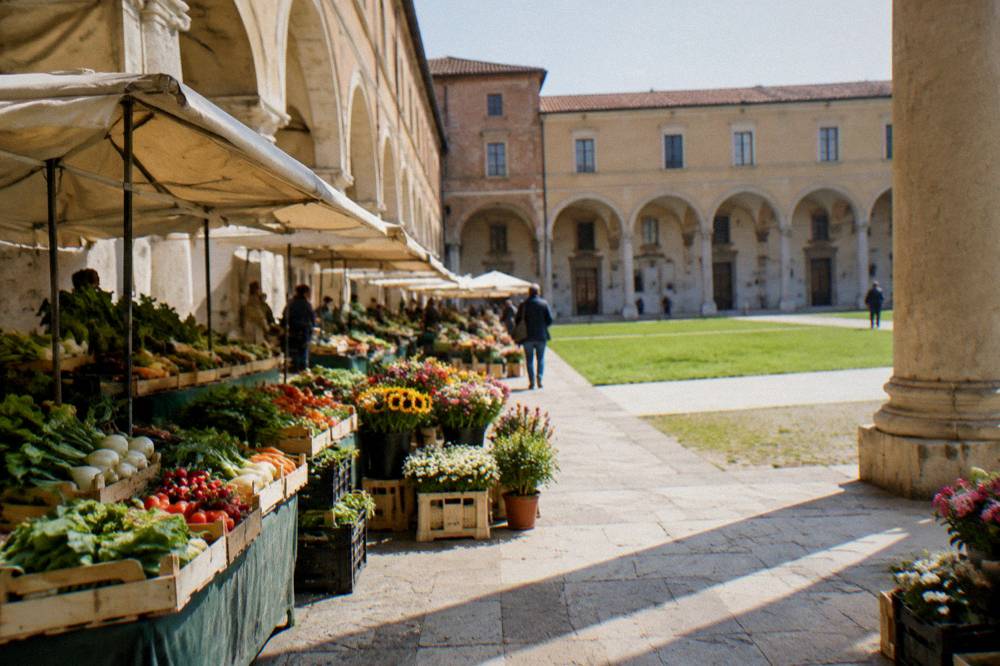
The spacing works because the city is small. The Scrovegni Chapel, the Eremitani complex, the Palazzo del Bo, the Piazza delle Erbe market squares, the Palazzo della Ragione and the Prato della Valle form a walkable chain through the centre, and the Basilica of Saint Anthony stands at the Prato's edge. The Piazza delle Erbe market runs Monday to Friday from 7:30 to 13:30 and Saturday from 7:30 to 20:00, per the Comune di Padova's market page, so a morning route can pass through the stalls on the way.
For travellers who prefer a guide's structure over self-direction, a historic-centre walk covers the same ground with a local lead. The Basilica di Sant'Antonio, the Santo, whose construction began in 1232, a year after the Saint's death on 13 June 1231, usually closes the walk, and its Tredicina devotion ran from 31 May to 12 June in 2026 with the feast on 13 June.
What Is The Weather Like In Padua Through The Year?
Padua has a continental northern Italian climate: the ERA5 reanalysis for 1991-2020 puts the January mean daily high at 7.3 C with a mean low of -0.2 C, the July and August mean highs at 28.8 C, and November as the month with the highest rain total at 114.0 mm, against January's 53.6 mm. These are modelled normals for a grid cell at the city's centre, not a weather-station record, and they frame when a museum-heavy itinerary is most attractive.**
The rainfall distribution matters for planning more than the temperature: September and October both carry about 105 mm in the normals, and November tops the table, so the highest-rainfall quarter of the year is exactly the quarter when indoor stops like the MUSME, the Palazzo del Bo and the civic museums carry the day. Summer itineraries invert: the long July and August evenings suit the squares, and the Scrovegni's evening "Giotto sotto le stelle" visits, 25 March to 1 November, 19:00 to 22:00 every 20 minutes, take advantage of them.
| Month | Mean high C | Mean low C | Rain mm |
|---|---|---|---|
| Jan | 7.3 | -0.2 | 53.6 |
| Feb | 9.4 | 0.6 | 57.9 |
| Mar | 13.7 | 3.9 | 67.2 |
| Apr | 17.6 | 7.8 | 84.4 |
| May | 22.1 | 12.4 | 99.7 |
| Jun | 26.2 | 16.6 | 81.0 |
| Jul | 28.8 | 18.9 | 62.1 |
| Aug | 28.8 | 19.2 | 78.7 |
| Sep | 23.6 | 14.9 | 105.5 |
| Oct | 18.4 | 10.6 | 105.4 |
| Nov | 12.6 | 5.5 | 114.0 |
| Dec | 7.8 | 0.7 | 69.9 |
Which Day Trips Work Alongside A Padua Museum Visit?
The day trips from Padua are Venice, about 26 to 40 minutes away by regional train at a fare of about EUR 5; Vicenza, 16 to 25 minutes at about EUR 6; Verona, 43 to 60 minutes; and Treviso, 28 to 60 minutes, with the Euganean Hills towns of Abano Terme and Montegrotto Terme 8 and 11 km away in a straight line respectively. Each is a half or full day out from a Padua base, and the hills sit close enough to share a day with a museum morning.**
At the destinations, three price sets come from the sights' own pages. In Vicenza, the Teatro Olimpico charges EUR 12 full and EUR 9 reduced, with a Vicenza Gold Card covering 11 sites over 12 days at EUR 22, EUR 17 reduced and EUR 26 family. At Villa dei Vescovi near Torreglia, the FAI charges adults EUR 11, visitors 6 to 18 and students to 26 EUR 6, under-6s free, family EUR 28. At Arqua Petrarca, Casa del Petrarca charges EUR 6 full and EUR 4 reduced, closed non-holiday Mondays.
| Day-trip sight | Distance from Padua centre (straight line) | Entry |
|---|---|---|
| Teatro Olimpico, Vicenza | 30 km | EUR 12 full, EUR 9 reduced |
| Villa dei Vescovi, Luvigliano di Torreglia | about 11 km | EUR 11 adult, EUR 6 reduced, family EUR 28 |
| Casa del Petrarca, Arqua Petrarca | 20 km | EUR 6 full, EUR 4 reduced |
| Villa Pisani, Stra | 11 km | Check the official site for prices |
| Venice, Piazza San Marco | 36 km | Train about 26 to 40 min, regional about EUR 5 |
One Venice point deserves care. The city's 2026 day-tripper access fee trial ended on 27 July 2026, per Venezia Unica, and no 2027 decision had been announced when that page was last published, so a Padua-based day-tripper should not be told to pay it. The region's wider story, including the university's role in it, is traced in the site's Padua history guide, and the full regional set of options begins on the things to do in Padua page, where museum days and hills days sit side by side.
What Should You Know Before Visiting The MUSME In Padua?
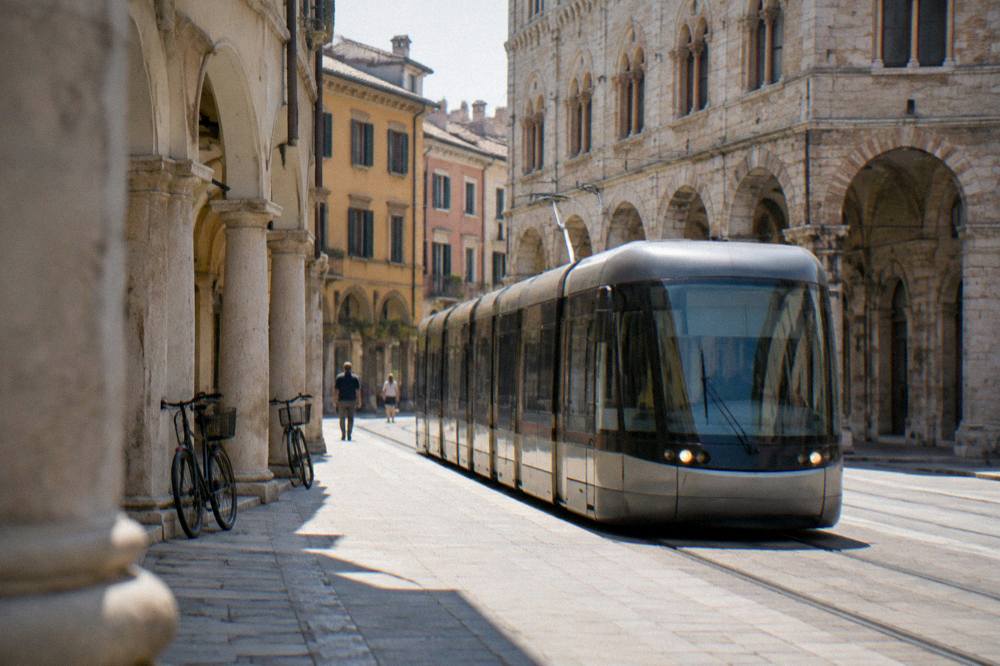
Before visiting the MUSME, know three things: the museum's own hours and admission are published on its site and are not reproduced here; the surrounding Padua sights that do have 2026 prices (the Scrovegni Chapel, the Orto Botanico, the Palazzo del Bo tour) need advance booking or fixed slots; and the city's urban transport runs on a EUR 1.70, 90-minute ticket that also works with a contactless card tap on board. The tram line SIR1 runs north to south; the SIR3 line was in pre-service testing, with service targeted for the end of 2026, and no opening date should be assumed.**
The transport facts come from the operator's own pages. The Busitalia urban ticket TU1 for the Padua city zone costs EUR 1.70 for 90 minutes, and a contactless debit or credit card can be tapped on board for the same fare; a daily ticket is reported at EUR 4.70. The airport bus between Padua and Venice Marco Polo costs EUR 13 one-way for an adult, EUR 6.50 for a child, with a same-day return at EUR 23, running every 40 minutes from 05:30 to 22:50 and taking about 45 minutes. Luggage storage at the station, at platform 1, opens daily from 6:00 to 20:00 at EUR 5 per 6 hours, per the tourism board's page.
Accommodation in Padua collects the city's tourist tax, per person per night, capped at five consecutive nights, with under-16s and hostel guests exempt; the per-category rates are set by the comune and are not reproduced here. The two tourist offices, IAT Stazione at the exit of platform 1 and IAT Centro at Piazza delle Erbe 52, are the places to confirm any museum detail on arrival, and the station office keeps Monday to Saturday hours from 9:00 to 19:00.
Common Questions About The MUSME In Padua
What is the MUSME in Padua?
The MUSME is the Museo della Storia della Medicina, Padua's museum of the history of medicine, presenting anatomy, surgery and pharmacy through interactive exhibits tied to the University of Padua's medical tradition, which dates to the university's founding in 1222. Check the museum's own site for current hours and admission.
How long does a visit to the MUSME take?
The museum's own site publishes the suggested visit length, and this page does not print a figure it does not carry. Plan a museum half-day in Padua: the Palazzo del Bo guided tour runs about 45 minutes per the university's page, and the Scrovegni Chapel allows about 15 minutes inside on a timed slot.
How much does the MUSME cost?
Admission prices for the MUSME are on the museum's own site. The 2026 figures for neighbouring sights include the Scrovegni Chapel daytime ticket at EUR 15 full plus a EUR 1 booking fee and the Orto Botanico at EUR 15 full from 1 September 2026.
Is the MUSME good for children?
The museum presents the history of medicine with hands-on, interactive displays and is described as aimed at families and school groups as much as specialists. For age guidance and any family ticketing, check the museum's own site before travelling.
How do I get to the MUSME in Padua?
The museum stands in Padua's historic centre, the compact area between the station and the Basilica of Saint Anthony. The urban ticket TU1 costs EUR 1.70 for 90 minutes and can also be paid by tapping a contactless card on board buses and the SIR1 tram.
Can you combine the MUSME with the anatomical theatre at Palazzo del Bo?
Yes, and it is the natural pairing: the MUSME explains the medical teaching, and the Palazzo del Bo guided tour enters the 1594 anatomical theatre itself, at EUR 10 full, with alternating Italian and English slots booked through the university's centre at 049 827 3939.
The MUSME earns its place in a Padua itinerary because the science it displays is still standing in the city around it, from the 1594 theatre in Palazzo del Bo to the 1545 beds of the Orto Botanico, and a day that joins them walks through four documented centuries of medicine in a single square kilometre.
