Orto Botanico: The 1545 University Garden And Its Glasshouse
The Orto Botanico of Padua, founded in the university in 1545 and inscribed by UNESCO in 1997, is the garden that gave the world the idea of the university botanical garden. This guide covers the 2026 tickets, the seasonal rhythm of the garden and how to fit it into a day in the city.
Short answer
The Orto Botanico in Padua is the university's botanical garden, founded in 1545 and described as the world's first university botanical garden. UNESCO inscribed it in 1997. A full ticket costs EUR 15 from 1 September 2026 (EUR 12 in winter), the audioguide is included, and hours are seasonal, so confirm before you go.
The Orto Botanico in Padua, in the Veneto in northern Italy, is the botanical garden of the University of Padua, founded in 1545 and billed as the world's first university botanical garden. UNESCO inscribed it on the World Heritage List in 1997, one of Padua's two listings alongside the fourteenth-century fresco cycles of Padova Urbs Picta, inscribed in 2021. It is a working research garden inside the old city, a short walk from the Basilica of Saint Anthony and Prato della Valle, and this guide sets out what the garden holds, what a visit costs under the tariffs in force from 1 September 2026, and how the seasons change what you will see.
What Is The Orto Botanico In Padua?
The Orto Botanico is the botanical garden of the University of Padua, laid out in 1545 for the study of medicinal plants and described by the university as the world's first university botanical garden. It still belongs to the university, still grows plants for teaching and research, and in 1997 it became a UNESCO World Heritage Site as the prototype of the botanical gardens that spread across the world.
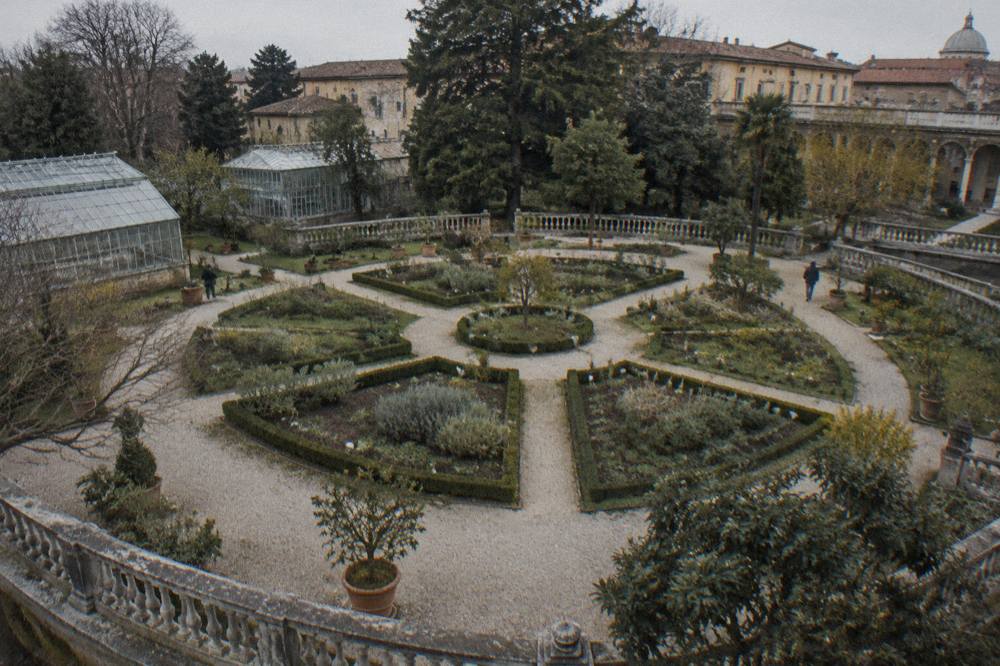
The university itself, the Studium Patavinum, was founded in 1222, and the garden came more than three centuries into its history, at a moment when medicine and botany were inseparable disciplines. The original design is a square parcel of ground enclosed by a circular wall, divided into four quarter-gardens around a central hub, a plan you can still read on the ground today. The purpose was practical: to grow and teach the "simples", the medicinal plants that apothecaries and physicians needed to recognise.
What makes the garden unusual among European visitor attractions is that it has never been repurposed. It has been a teaching garden continuously since 1545, through Venetian rule, which lasted from 1405 to 1797, and everything since. The beds still carry labels with plant names and origins, the greenhouses still hold research collections, and the university's science museums sit in the surrounding complex. A walk around the garden doubles as a lesson in how botany became a science, a story the University of Padua guide traces across the whole institution, from the anatomical theatre of 1594 to the first woman to take a university degree on record, Elena Lucrezia Cornaro Piscopia, who graduated in philosophy on 25 June 1678.
How Much Do Orto Botanico Tickets Cost In 2026?
A full-price Orto Botanico ticket costs EUR 15 for visitors aged 26 to 64 under the tariffs in force from 1 September 2026, with a reduced ticket of EUR 10 for visitors 65 and over, teachers and residents of Padua province. In winter, November to February, the tariff drops to EUR 12 full and EUR 8 reduced, and the audioguide is included at every price point.
The garden's own ticket page is the place to check the conditions attached to each band before booking, because the age brackets matter: the full price applies from 26 to 64, and the reduced bands carry their own requirements, such as residence in Padua province or a teaching credential. The winter tariff is a genuine seasonal price, not a discount voucher, and it matches the quieter months of the garden's year. Children's and group terms sit on the same ticket page.
One combined option belongs on the list of any science-minded visitor: the Padova Citta della Scienza integrated ticket, which covers the Orto Botanico, the historical tour of the Palazzo del Bo and the Museo della Natura e dell'Uomo. For comparison, here is what the city's principal paid sights cost, so you can weigh a garden-only visit against a fuller programme.
| Sight | Full price | Reduced | Notes |
|---|---|---|---|
| Orto Botanico (from 1 Sept 2026) | EUR 15 | EUR 10 (65+, teachers, Padua province residents) | Winter tariff EUR 12 / EUR 8, November to February; audioguide included |
| Orto Botanico, winter | EUR 12 | EUR 8 | November to February |
| Scrovegni Chapel and civic museums | EUR 15 plus EUR 1 booking fee | EUR 11 plus EUR 1 booking fee | Timed entry, booked ahead; daytime ticket includes the Musei Civici Eremitani and Palazzo Zuckermann |
| Palazzo della Ragione | EUR 8 | EUR 6 | Tickets sold at the IAT office in Piazza delle Erbe 52 |
| Palazzo del Bo, guided Giro storico | EUR 10 (26 to 64) | EUR 8 (65+, teachers, groups of 10 to 30); EUR 6 (6 to 25) | About 45 minutes, Italian and English slots alternate |
The comparison with the Scrovegni Chapel is worth a sentence of planning logic: the chapel is timed entry only, with groups of at most 25 people admitted every 15 minutes and no same-day online booking, so it should anchor the day's schedule and the garden, which runs on seasonal hours rather than slots, can flex around it. The chapel is also closed 16 to 27 November 2026 for its annual fresco inspection, a window in which the garden, on its winter tariff, is the more reliable of the two.
When Is The Orto Botanico Open, And When Should You Go?
The Orto Botanico keeps seasonal hours that shift through the year, opening later and closing earlier in the winter months, and it is closed on non-holiday Mondays, on 25 December 2026, and during a short January to early February maintenance window, so confirm the day's hours on the garden's own page before setting out. From late October 2026 the hours run 10:00 to 17:00 with last entry at 16:15.
The seasonal pattern matters more here than at Padua's churches and palaces, because the garden is a living collection. The form of the visit changes with the year: in spring the outdoor beds carry the show, in summer the heat pushes the interest toward the shaded walks and the greenhouses, and from November to February the winter tariff reflects a garden at rest, with the glasshouses doing the work. Fixed-time guided tours run at weekends and on holidays, with additional afternoon slots from late March, and the audioguide that comes with every ticket is a fair substitute on weekdays.
The climate frame comes from the ERA5 reanalysis, 1991-2020, for the grid cell at Padua's centre: July and August both average a mean daily high of 28.8 C, January averages 7.3 C by day and just below freezing at night, and November is the month with the highest rain total at 114 mm of rain. September and October each carry about 105 mm. For a garden visit, those numbers argue for late spring or early autumn outdoors, and for treating midsummer afternoons as greenhouse hours.
| Month | Mean daily high (C) | Mean daily low (C) | Rain (mm) |
|---|---|---|---|
| January | 7.3 | -0.2 | 53.6 |
| March | 13.7 | 3.9 | 67.2 |
| May | 22.1 | 12.4 | 99.7 |
| July | 28.8 | 18.9 | 62.1 |
| September | 23.6 | 14.9 | 105.5 |
| November | 12.6 | 5.5 | 114.0 |
Figures are ERA5 reanalysis, 1991-2020, a modelled grid cell rather than a weather-station record. Within that frame, the practical calendar is straightforward: the garden is open on 8 December 2026 while closing on 25 December, and the winter tariff runs November to February, so a December visit pairs a lower price with the shortest days of the year.
What Will You See Inside The Padua Botanical Garden?
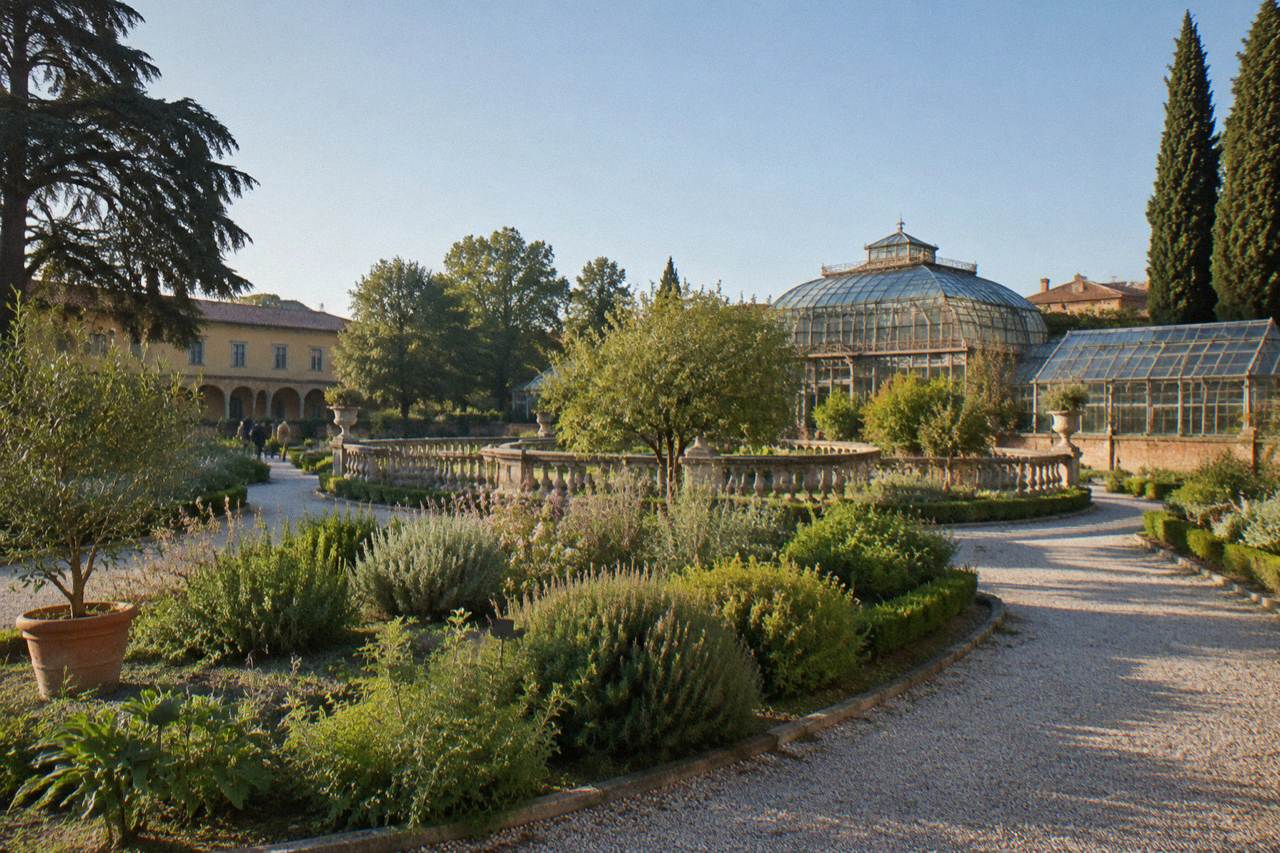
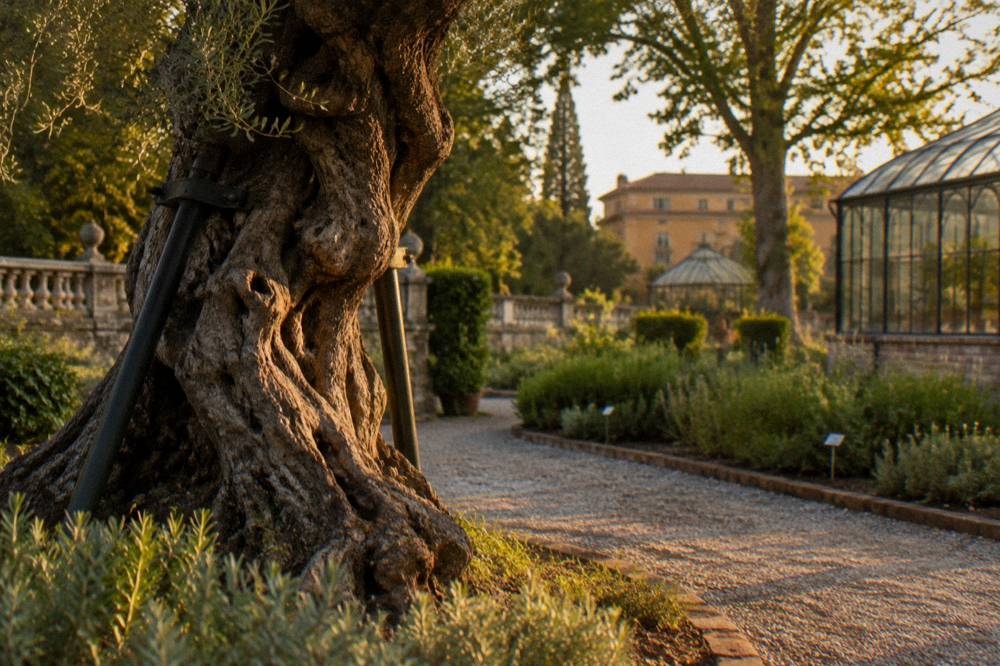
Inside the walls you will find the original 1545 circular plan with its four planted quarters, a historic collection of trees that includes a gothic palm and a magnolia among the garden's oldest living specimens, greenhouses holding carnivorous plants, orchids and aquatic species, and a biodiversity garden on the surrounding university grounds that extends the collection into modern ecology displays.
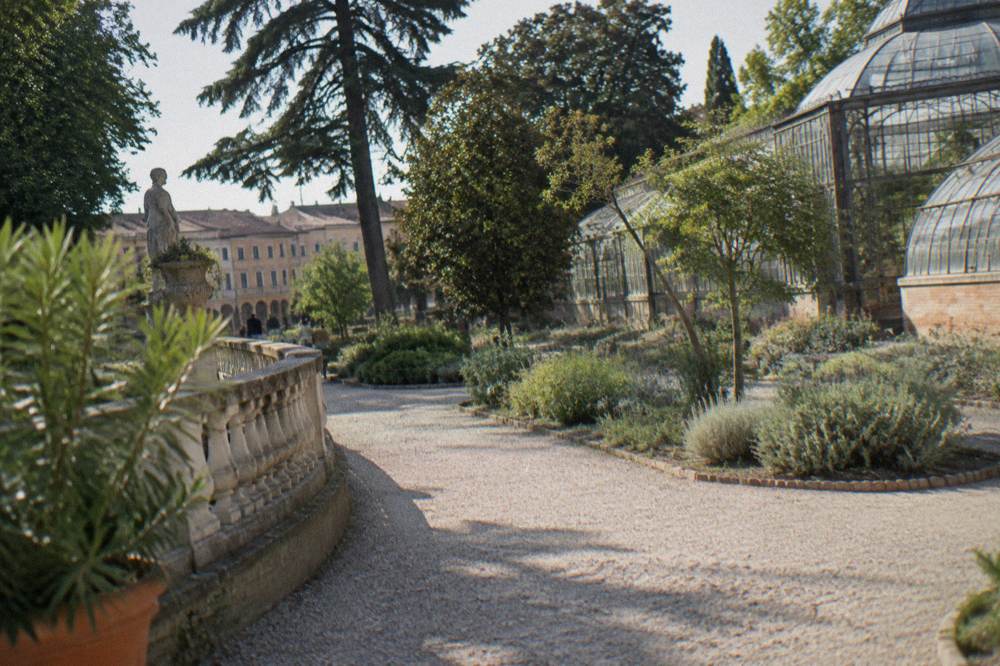
The circular body of the garden is the part that UNESCO inscribed, and the wall that encloses it, built to protect the medicinal plants from theft in the garden's early decades, still defines the visit. Inside, the four quarters are broken into geometric beds labelled by species and origin, a layout that has carried teaching labels for centuries. The trees are the garden's long memory: the gothic palm, a Chamaerops humilis that has survived in place since well before the modern greenhouses, and the magnolia planted in the garden's sheltered corner are the two that the garden's own materials single out, and both have outlived every regime that has governed the city since they were planted.
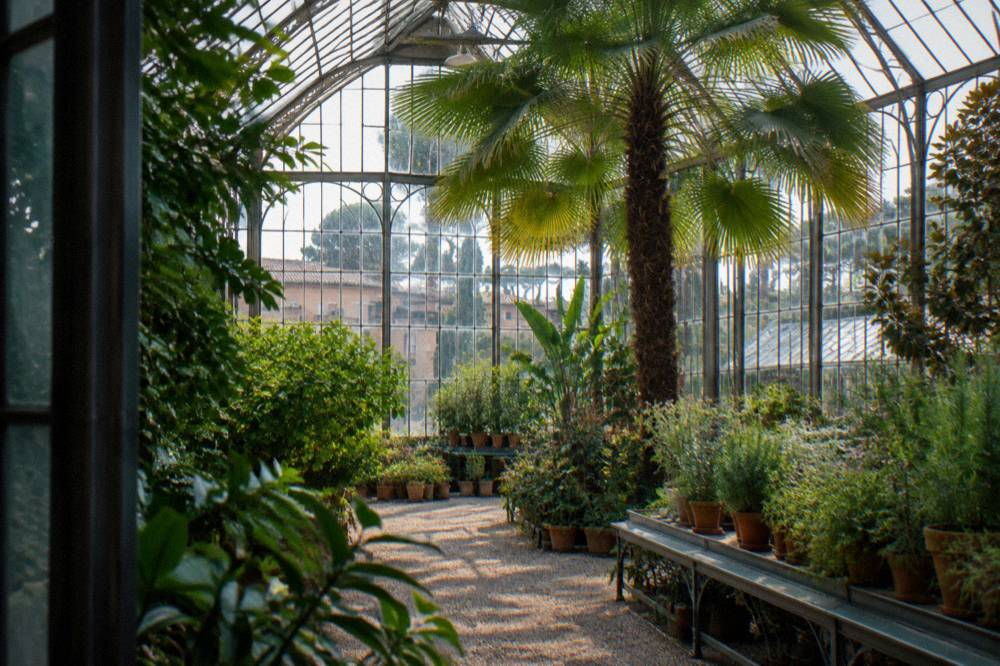
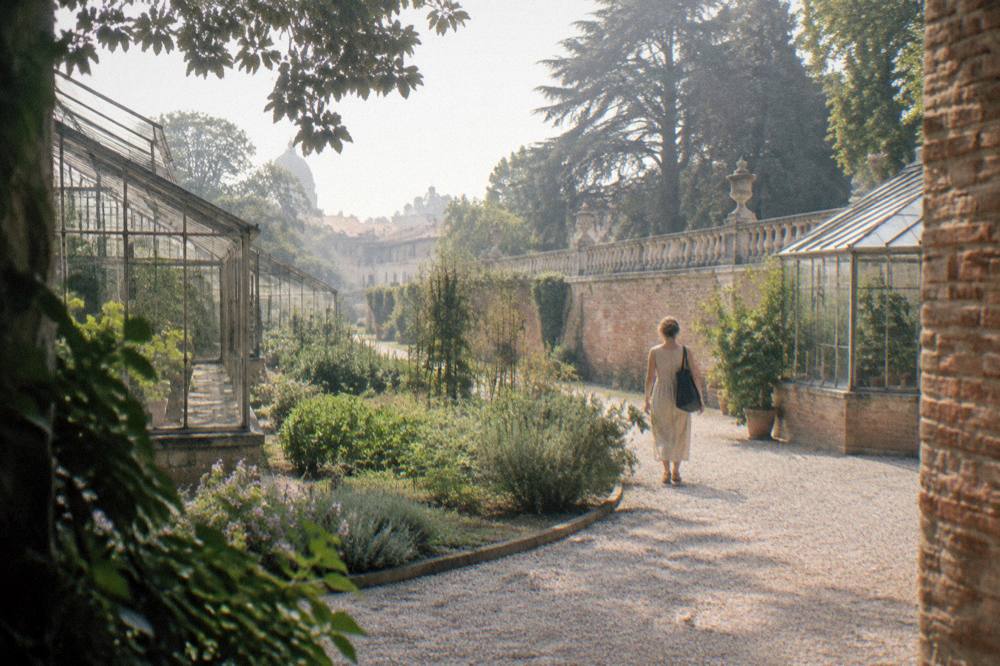
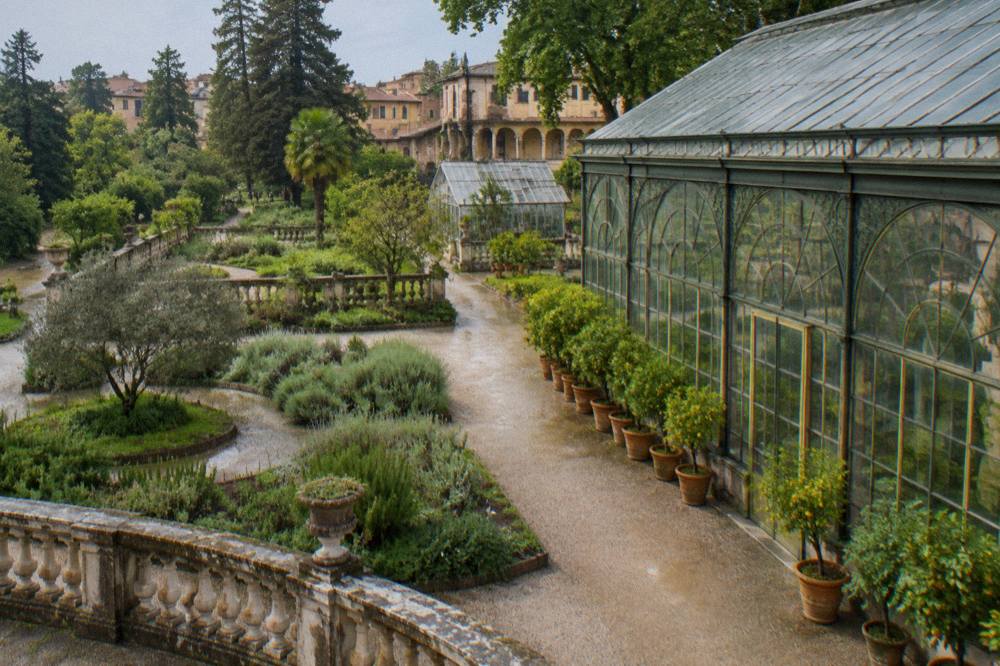
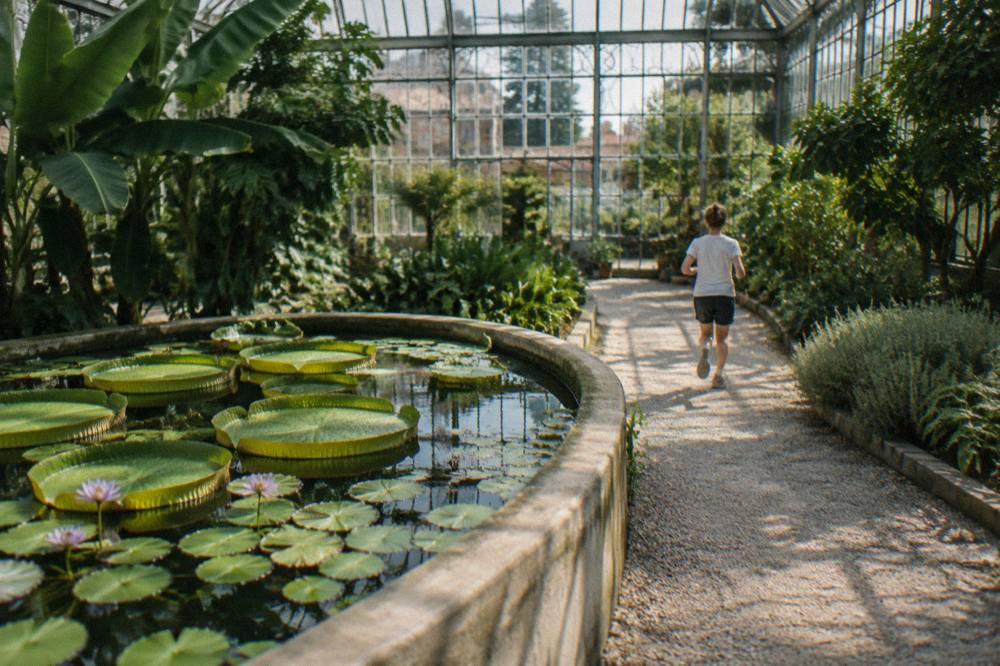
The greenhouses carry the collections that cannot live outdoors in the Po valley winter. The carnivorous plant house, the orchid house and the aquatic plant tanks, with the tropical waterlilies of the Victoria genus, run through the heated ranges, and the modern wing on the edge of the complex holds the biodiversity garden, a teaching display laid out by habitat rather than by medicinal use. That contrast, a renaissance pharmacy outside and an ecology classroom inside, is the garden's real subject.
For visitors who want the stories attached to the plants rather than the labels alone, the related tour on this page, the Best of Padova private walking tour with a local, can fold the garden into a route through the historic centre, and the garden is a short walk from Prato della Valle, whose canal and double ring of numbered statues were declared communal space by the Venetian Senate in 1767.
Why Is The Orto Botanico A UNESCO World Heritage Site?
UNESCO inscribed the Orto Botanico in 1997 because it is the original of its kind: founded by the University of Padua in 1545, it is described as the world's first university botanical garden, and the model it established, a walled teaching garden attached to a university medical faculty, spread to every continent. The listing covers the garden itself, its 1545 plan and its continuous role in the origins of scientific botany.
The inscription's logic rests on the garden's role in the history of science. Before 1545, plants were studied from texts and dried specimens; after Padua built its garden, and Pisa followed within months of it, living collections became the standard instrument of botanical teaching and research. The plants that reached Europe in the following centuries passed through gardens of this line, and the introductions that Padua grew, and the visitors it trained, fed directly into the development of pharmacology and plant taxonomy. The full index of guides sits on Padua Travel Guide.
Padua holds the inscription jointly with its second UNESCO listing, the fourteenth-century fresco cycles of Padova Urbs Picta, inscribed in 2021 across eight complexes in the old centre, from the Scrovegni Chapel, frescoed by Giotto between 1303 and 1305, to the Basilica and Convent of Sant'Antonio. Two listings, one in 1997 and one in 2021, make the city unusually dense for its size, and the garden is the quieter of the two, with no timed queue and no booking scramble, but an equal claim on a serious itinerary.
| UNESCO listing | Year inscribed | What it covers |
|---|---|---|
| Orto Botanico of Padua | 1997 | The 1545 university garden, its original circular plan, wall and living collections |
| Padova Urbs Picta | 2021 | Eight complexes of fourteenth-century frescoes, including the Scrovegni Chapel, Palazzo della Ragione and the Basilica of Sant'Antonio |
The university context deepens both listings. The same institution that planted the garden in 1545 built the first permanent anatomical theatre in 1594, and counted Galileo on its chair of mathematics from 1592 to 1610, years he later called the best eighteen of his life, publishing Sidereus nuncius in 1610 while in Padua. The question of whether Padua has the oldest university in Italy is answered by the university's own history pages with a precise placement rather than a superlative: founded in 1222, reported as the second-oldest in Italy after Bologna.
How Long Does A Visit To The Orto Botanico Take?
A first visit to the Orto Botanico takes about one to two hours at an unhurried pace: the historic circular garden can be walked in under an hour, the greenhouses add twenty to thirty minutes, and the biodiversity garden and museum complex can push a thorough visit toward two hours, especially if you use the included audioguide or join one of the fixed-time guided tours that run at weekends and on holidays.
The variable is interest, not distance, because the garden is compact and flat. A visitor with a botanist in the family will spend an hour among the labelled beds alone, while a visitor pairing the garden with a morning at the Scrovegni Chapel can treat it as a structured hour between the chapel's timed slot and lunch. Families move at a third pace, and the greenhouse ranges, with the carnivorous plant house and the tropical aquaria, hold children's attention longer than the outdoor quarters.
The garden sits inside a wider cluster of sights that share a walkable radius, so the honest planning unit is the half-day. Here is how the pieces sit together on foot.
| Sight near the garden | Straight-line distance from the Orto Botanico | Entry |
|---|---|---|
| Basilica of Saint Anthony | Under 1 km | Free, dress suitable for a church |
| Prato della Valle | Under 1 km | Open public square |
| Palazzo del Bo (university historic tour) | About 1 km | EUR 10 full, about 45 minutes, booked ahead |
| Scrovegni Chapel and civic museums | About 1 km | EUR 15 plus EUR 1 fee, timed entry booked ahead |
| Piazza delle Erbe and Palazzo della Ragione | About 1.5 km | Square free; Palazzo della Ragione EUR 8 |
Distances are straight-line, computed from the mapped positions of the sites, and the whole set fits inside the old city, which is compact and arcaded. The Scrovegni Chapel guide covers the timed-entry system in detail, and the Basilica of Saint Anthony and Prato della Valle pages cover the two sights closest to the garden gate.
How Do You Get To The Orto Botanico?
The Orto Botanico sits in the south-east of Padua's historic centre, a walk of roughly 15 to 20 minutes from the rail station and under 10 minutes from Prato della Valle, inside the city's car-free core, so the practical access is on foot, by tram on the SIR1 line, or by the urban bus network, whose 90-minute ticket costs EUR 1.70.
From Padova station, the tram's SIR1 line runs the north-south axis of the city and the urban buses serve the streets around the garden; the 90-minute TU1 ticket at EUR 1.70 is the standard fare, and you can also tap a contactless card on board at the same price. The walk from the station, straight through the arcaded centre past the Caffe Pedrocchi and the university, is the version that turns the transfer into sightseeing, and it passes the Palazzo del Bo on the way, which is where the garden's parent institution keeps its historic halls.
Cyclists and drivers each have a caveat. Padua's centre is restricted to traffic, and the specifics of the limited traffic zone are best checked with your accommodation before driving in; the streets around the garden are pedestrian-scale. Arriving from Venice for the day, the train runs about 26 to 40 minutes to Venezia Santa Lucia, and Padua is inland, about 36 km in a straight line from Venice, a fact worth repeating because the garden's visitors often combine the two cities and mistake the geography.
What Grows In The Garden Through The Year?
Through the year the garden moves from spring flowering in the outdoor beds, including the historic magnolia and the rock-garden collections, to summer growth under the July and August heat, then to autumn colour and the winter period when the outdoor quarters rest and the heated greenhouses, with orchids, carnivorous plants and tropical waterlilies, carry the display, all reflected in the winter tariff of EUR 12 that runs from November to February.
The spring is the outdoor garden's season. The labelled beds of the four quarters fill in sequence, the medicinal collection that founded the garden stays in place as a permanent exhibit, and the weekend guided tours, with their extra afternoon slots from late March, align with the period of maximum interest. Summer belongs to the trees and the shaded walks: the gothic palm and the oldest specimens give the garden its canopy, and the ERA5 normals, with July and August mean highs of 28.8 C, explain why the middle of the day moves indoors.
Autumn is the season the rain table rewards you for checking: September and October carry about 105 mm each, and November, the month with the highest rain total at 114 mm, opens the winter tariff. Winter visitors get the greenhouses at their most relevant, the carnivorous plant house and the aquaria doing the work the dormant beds cannot, and the shorter hours, 10:00 to 17:00 with last entry at 16:15 from late October 2026, shape a compact visit. The one fixed closure to plan around in early 2027 is the garden's January to early February maintenance window, and the standing weekly closure falls on non-holiday Mondays.
Can You Visit The Orto Botanico On A Day Trip From Venice?
Yes, the Orto Botanico works well as the anchor of a day trip from Venice, because the regional train takes about 26 to 40 minutes between Venezia Santa Lucia and Padova and costs about EUR 5, and the garden sits within a 20-minute walk of the station or a short tram ride, leaving room in one day for the garden, the Scrovegni Chapel and either the Basilica of Saint Anthony or Prato della Valle.
The one hard constraint is the Scrovegni Chapel's timed-entry system: slots admit at most 25 people every 15 minutes, with about 15 minutes inside after a wait in the climate-controlled waiting room, and you should be at the entrance 5 minutes before the time on your ticket. Booking ahead is the rule, there is no same-day online booking, and the chapel is closed 16 to 27 November 2026 for the annual fresco inspection. Build the day around the chapel slot you actually hold, then fit the garden, which runs on seasonal hours, and the free-entry Basilica of Saint Anthony around it.
A note for anyone travelling in the opposite direction, from Padua to Venice: the Venice day-tripper access fee trial ended on 27 July 2026, and no decision for 2027 had been announced at the time of the last published information, so check the Venice access-fee page before a day trip there rather than assuming a charge. Coming this way, to Padua, no such fee exists.
If the garden's plants have won you over, the same interest extends into the Euganean Hills, where the terraced grounds of Villa dei Vescovi at Luvigliano di Torreglia hold a formal garden around a renaissance villa, with entry at EUR 11 for adults, and a booked day trip from Padua can reach the hills in under an hour. The guided Padua walking tour option is the city-side alternative for travellers who want the route explained rather than self-guided.
Common Questions About The Orto Botanico In Padua
How much does the Orto Botanico in Padua cost?
A full ticket costs EUR 15 under the tariffs in force from 1 September 2026, for ages 26 to 64, with EUR 10 reduced for visitors 65 and over, teachers and residents of Padua province. From November to February the winter tariff is EUR 12 full and EUR 8 reduced, and the audioguide is included at every price. Check the garden's own ticket page for the conditions attached to each band.
What are the Orto Botanico opening hours?
The hours are seasonal, so confirm the day's times before you go. From Saturday 24 October 2026 the garden opens 10:00 to 17:00 with last entry at 16:15, and March runs 10:00 to 18:00. The garden closes on non-holiday Mondays, on 25 December 2026, and for a maintenance window in January to early February, while it opens on 8 December 2026.
Is the Orto Botanico worth visiting in winter?
Yes, in a different register. The winter tariff of EUR 12 runs from November to February, the outdoor beds are dormant, and the heated greenhouses, with orchids, carnivorous plants and the tropical aquaria, carry the display. Hours are shorter in winter, so plan a compact visit built around the glasshouses.
How long should I spend at the Padua botanical garden?
About one to two hours. The historic circular garden walks in under an hour, the greenhouses add twenty to thirty minutes, and the biodiversity garden plus the included audioguide can extend a thorough visit toward two hours. Weekend guided tours run at fixed times with extra slots from late March.
Why is the Orto Botanico a UNESCO site?
UNESCO inscribed it in 1997 as the prototype of the university botanical garden: founded by the University of Padua in 1545 and described as the world's first university botanical garden, it established the model of a walled living collection attached to a medical faculty, a model that spread worldwide and shaped scientific botany.
Can you combine the Orto Botanico with the Scrovegni Chapel?
Yes, they sit about a kilometre apart. Book the Scrovegni Chapel first, because entry is timed, admits at most 25 people every 15 minutes, and has no same-day online booking, then fit the garden, which runs on seasonal hours, around your slot. The chapel is closed 16 to 27 November 2026 for its annual fresco inspection.
