Arquà Petrarca: Petrarch's House And The Hill Village
Arquà Petrarca sits about 20 km from Padua in the Euganean Hills, and this guide covers the Casa del Petrarca ticket, the village's sights and the day trips that pair well with it.
Short answer
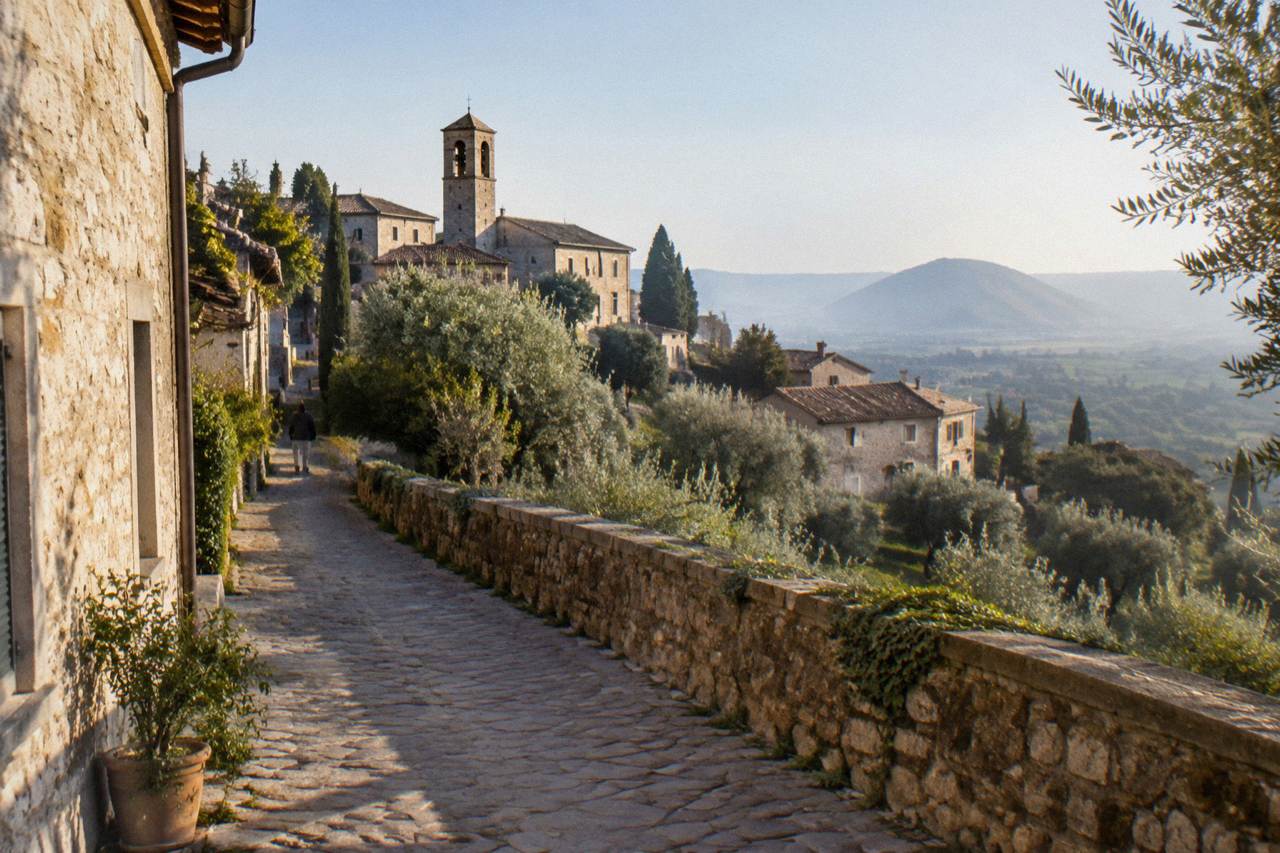
Arquà Petrarca is a hill village about 20 km southwest of Padua in the Veneto, known for the Casa del Petrarca, the house of the poet Petrarch. A full ticket costs EUR 6, reduced EUR 4, and the house closes on non-holiday Mondays plus 8 December, 25 and 26 December and 1 January.
Padua (Italian: Padova) is an inland city in the Veneto, northern Italy, about 36 km in a straight line from Venice, and about 20 km southwest of its centre rises the hill village of Arquà Petrarca, one of the recognized destinations of the Euganean Hills. The village takes its name from the poet Petrarch, who spent his final years there, and the Casa del Petrarca is now a museum. This guide from the Padua Travel Guide editorial desk covers the house's own ticket prices, what the village holds, how the trip fits into a Padua stay, and which neighbouring hill towns pair well with it.
What Is Arquà Petrarca And Why Do People Go?
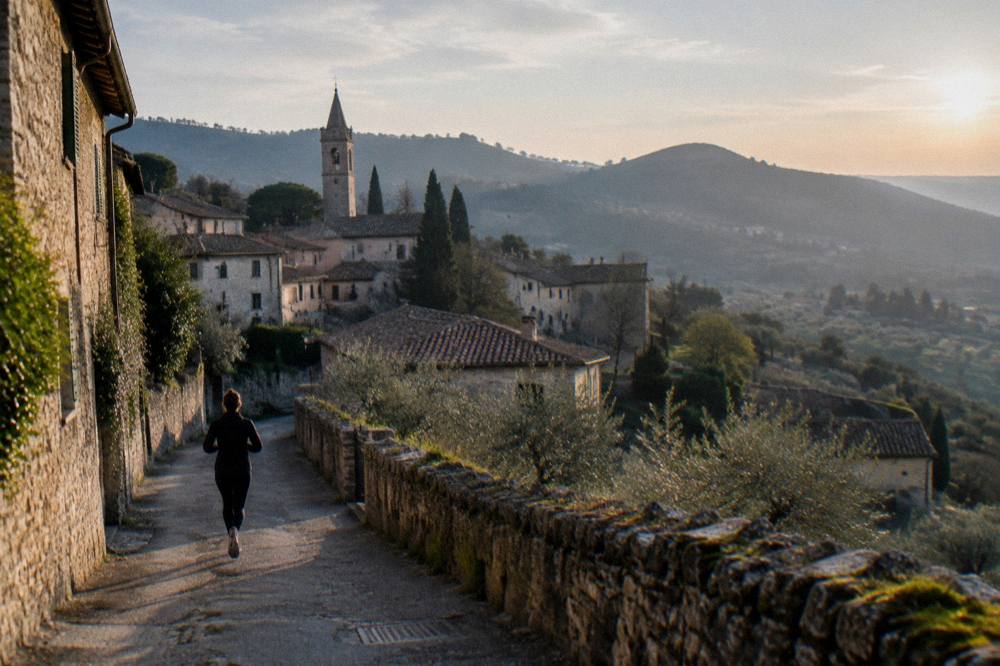
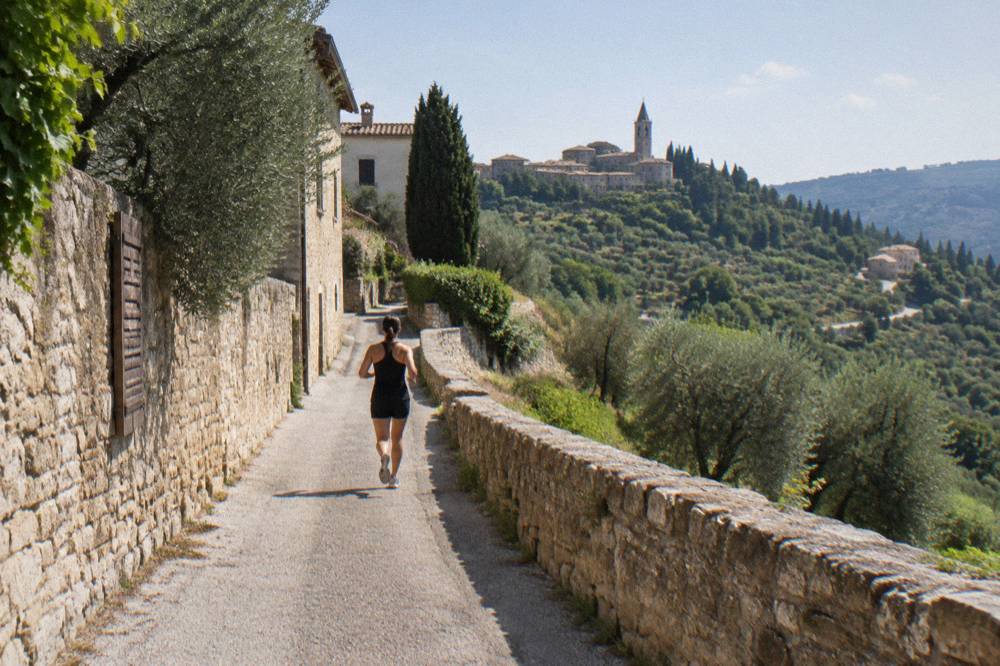
Arquà Petrarca is a small stone village in the Euganean Hills, about 20 km in a straight line southwest of Padua in the Veneto, known above all as the place where the poet Petrarch lived at the end of his life and where the Casa del Petrarca museum now stands. The village's own tourism site lists the house among its sights, and the surrounding hills carry the olive groves and wine country of the Colli Euganei.
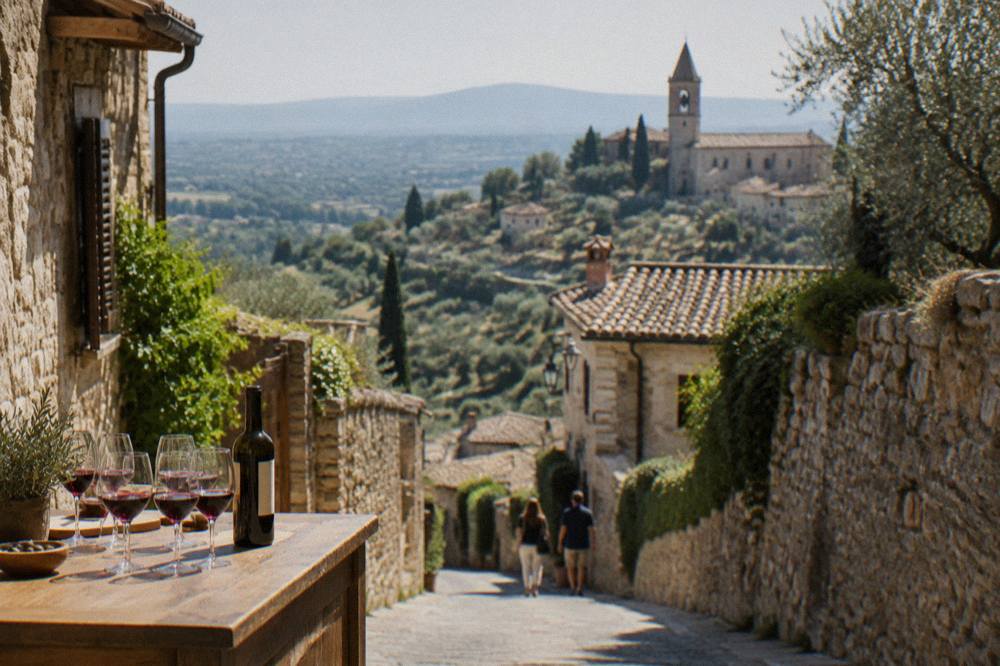
The village sits on the slopes of the Colli Euganei, the volcanic hills that rise out of the Paduan plain between Padua and Este. Its architecture is compact stone and arcades, and its economy today mixes tourism with the olive oil and wine of the hills. Petrarch's presence is the anchor: the Casa del Petrarca is the village's principal museum, and the village renamed itself after him. Beyond the house, the village church, the main square and the surrounding terraced groves make up the visit. Our Euganean Hills guide covers the wider region, and the Colli Euganei wine guide explains what is grown on these slopes.
How Do You Get From Padua To Arquà Petrarca?
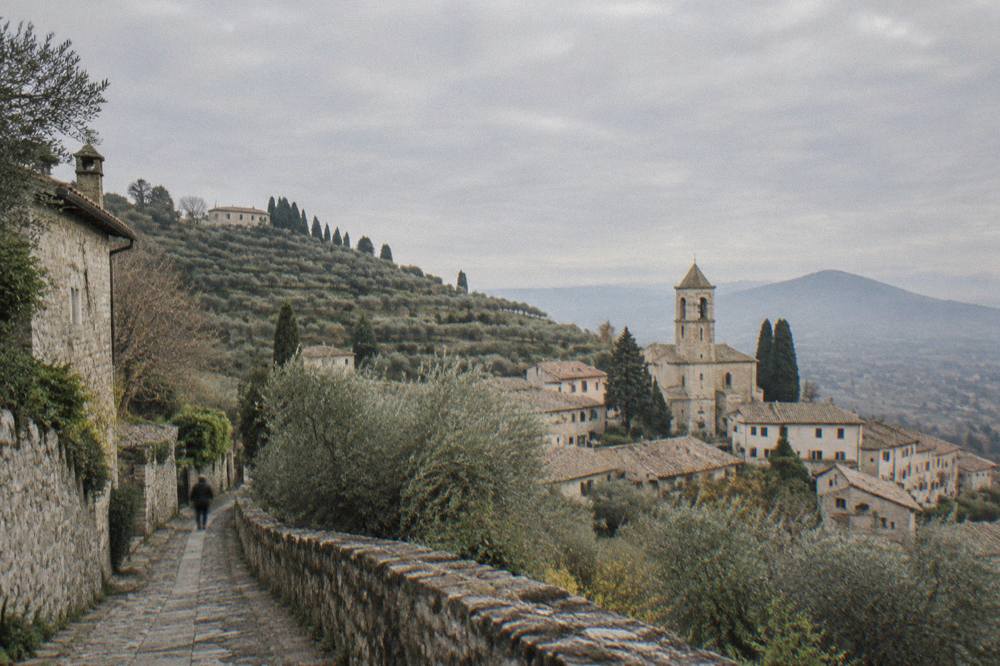
Arquà Petrarca lies about 20 km in a straight line southwest of Padua's centre, in the Euganean Hills. There is no rail line into the village itself, so the practical options from Padua are the regional bus network into the Colli Euganei area, a rental car, or a guided day trip that includes the hills; exact bus lines and times should be confirmed on the Busitalia Veneto travel planner before setting out.
The distance figure is a straight-line calculation, not a road distance, and the hills mean the actual route is longer and slower than the straight line suggests. The roads into the Colli Euganei are winding two-lane routes through the hills, which is why many travellers treat the area as a loop by car or as a guided excursion rather than as a series of individual bus hops. Within Padua itself, the urban ticket system is simple: the 90-minute TU1 ticket for the city zone costs EUR 1.70 and can be bought in the Busitalia Veneto app or by tapping a contactless card on board, per the operator's own fares page. That covers the tram and city buses, useful for reaching the station or a car-rental desk before leaving town.
For independent travellers, the usual pattern is to combine Arquà Petrarca with at least one other hill destination in a single loop, since each individual town is small. Travellers who want the hills without route-planning can also look at a guided excursion: the Veneto countryside around Padua is well served by tours that leave the driving to someone else, and the list below includes options that cover villas, hills and wine country from the city.
For orientation, the table below shows the straight-line distances from Padua's centre to the main Euganean and neighbouring destinations, all computed from map data.
| Destination | Straight-line km from Padua centre |
|---|---|
| Abano Terme | about 8 km |
| Montegrotto Terme | about 11 km |
| Villa dei Vescovi (Torreglia) | about 15 km |
| Arquà Petrarca | about 20 km |
| Monselice | about 21 km |
| Este | about 26 km |
| Vicenza | about 30 km |
What Does The Casa Del Petrarca Ticket Cost?
The Casa del Petrarca in Arquà Petrarca costs EUR 6 full price, EUR 4 reduced and EUR 3 for school groups, according to the village's own what-to-see page, and the house is closed on non-holiday Mondays, 8 December, 25 and 26 December and 1 January. Opening times shift between a March-to-October schedule and a November-to-February one, so check the village site before a winter visit.
Those prices come from the Arquà Petrarca tourism page itself, which also gives the seasonal hour blocks: roughly mornings only in the November-to-February period, with longer afternoon openings from March to October. The house is small, a compact museum in the poet's dwelling, and a visit is measured in fractions of an hour rather than a full morning. The closure list matters more here than in a big city museum: a Monday arrival outside the summer season can mean a closed door, and a Monday that falls on a public holiday behaves differently from a plain Monday, so the "non-holiday" wording in the closure rule is worth reading twice before planning a weekend loop.
The house is the village's only ticketed museum of note. Around it, the church of Santa Maria Assunta, the main square with Petrarch's tomb, and the lanes climbing past the house make up the rest of a visit, all free to walk. Budgeting for the trip is therefore simple: one museum ticket, food if you stop for a meal, and transport. There is no combined village pass and no need for one, since the walkable sights outside the house charge nothing.
What Can You See In The Village Beyond The Poet's House?
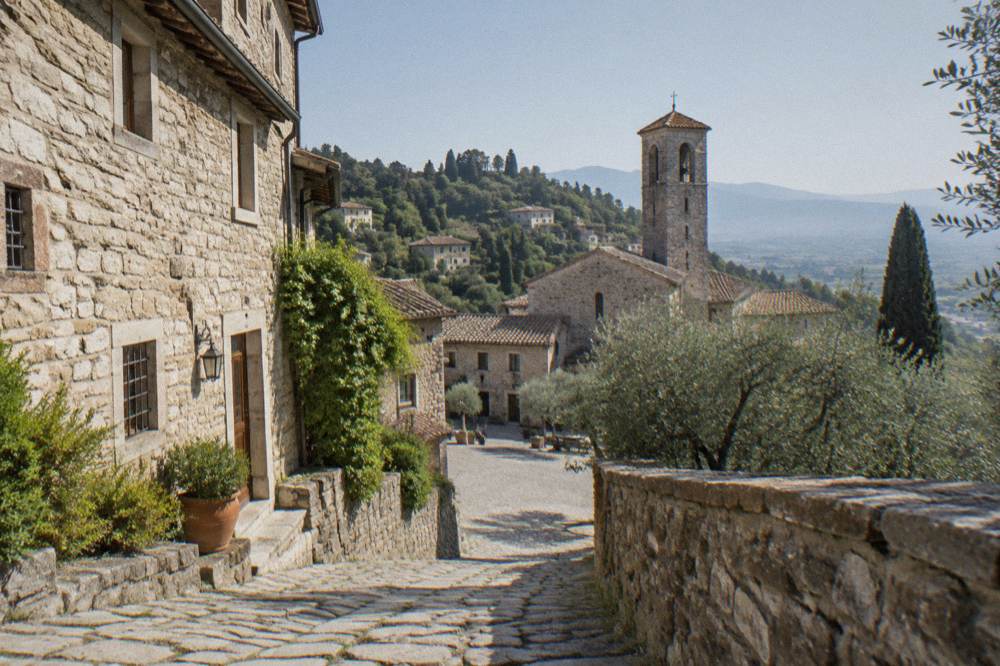
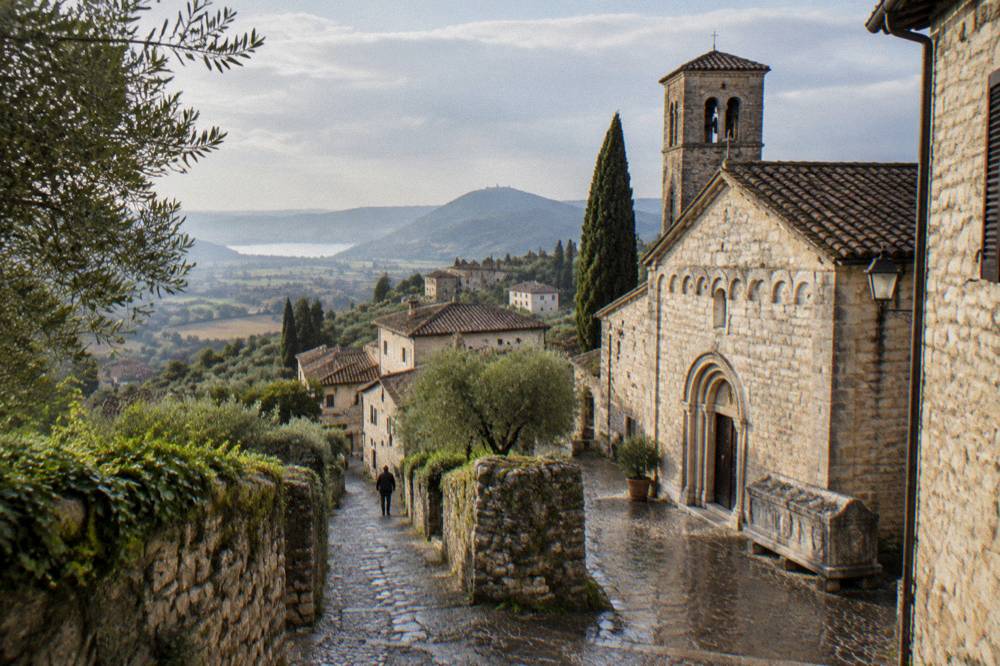
Beyond the Casa del Petrarca, Arquà Petrarca offers the church of Santa Maria Assunta, the stone sarcophagus of Petrarch set in front of it, the village fountain, and a network of lanes and terraced olive groves that can be walked in a couple of hours. None of these carry an entry charge, so the village works as a half-day walking stop built around one museum visit.
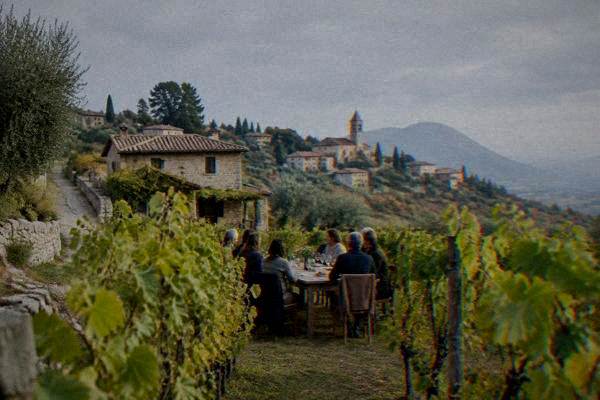
The village is genuinely small, and its layout rewards slow wandering rather than a checklist. The main square, the loggia, the views south over the hills toward Monselice and Este, and the groves that produce the local olive oil are the substance of the visit. The Euganean Hills are also wine country, and our Colli Euganei wine guide covers what is grown and poured there. The lanes above the house climb steadily, and sturdy shoes serve better than evening footwear on the stone.
A half-day pattern looks like this:
- Arrive and park or be dropped at the edge of the village, since the historic core is compact and largely pedestrian in feel.
- Visit the Casa del Petrarca first, while legs are fresh and the ticket desk is open.
- Walk the square, the church and the tomb, then climb the lanes above the house for the views.
- Finish with a tasting or a meal; the hills' producers are the reason many day-trippers come at all.
Which Other Euganean Hills Towns Pair Well With Arquà Petrarca?
The towns that pair best with Arquà Petrarca are Monselice, about 21 km from Padua and a short hop south of the village, Este at about 26 km, and the spa towns of Abano Terme and Montegrotto Terme at about 8 and 11 km respectively; Villa dei Vescovi at about 15 km is the closest ticketed villa attraction and costs EUR 11 for adults per the FAI property's own page.
Combining two or three of these in one loop is the standard way to see the hills from a Padua base. The villas and gardens of the area hold their own against the better-known Brenta Riviera: Villa dei Vescovi, run by FAI, charges EUR 11 for adults, EUR 6 for ages 6 to 18 and students to 26, free under 6, and EUR 28 for a family ticket, with seasonal opening windows that the FAI page sets out by period. Our Villa Pisani guide covers the Brenta side, whose maze the villa's own site describes as among the most important in Europe, with timed or limited access announced by the villa.
The comparison table below puts the hill-and-villa day trips from Padua side by side using the current ticket prices and straight-line distances.
| Day-trip destination from Padua | Straight-line km | Verified entry price |
|---|---|---|
| Casa del Petrarca, Arquà Petrarca | about 20 km | EUR 6 full, EUR 4 reduced, EUR 3 school |
| Villa dei Vescovi, Torreglia | about 15 km | EUR 11 adult, EUR 6 ages 6 to 18, family EUR 28 |
| Teatro Olimpico, Vicenza | about 30 km | EUR 12 full, EUR 9 reduced |
| Villa Pisani, Stra | about 11 km | price on the villa's own site |
For travellers based in Padua who want hills, villas and wine in one itinerary, a guided option removes the transfer puzzle. The Brenta Riviera villas trip can be checked directly: Check availability.
What Practical Details Matter For A Day Trip To The Hills?
A day trip to Arquà Petrarca from a Padua base runs on euros, on the city's urban tickets before you leave town and on a few fixed city services: the 90-minute urban ticket is EUR 1.70, the station left-luggage office at platform 1 is open daily 6:00 to 20:00 at EUR 5 per 6 hours, and the tourist information desks at the station and at Piazza delle Erbe 52 open daily from 9:00. The emergency number across Italy is 112.
The tourist offices are worth a stop on the way out. The IAT desk at the station sits at the exit of platform 1, open Monday to Saturday 9:00 to 19:00 and Sundays and holidays 10:00 to 16:00, and the IAT Centro desk at Piazza delle Erbe 52 keeps daily hours from 9:00, both per the Padua tourism site. Either can confirm current bus information for the hills before you commit to a route. If you are leaving Padua the same evening, the left-luggage office at platform 1 stores bags from 6:00 to 20:00 at EUR 5 per 6 hours, per the tourism site's own listing.
Padua's tourist tax also applies to hill-village accommodation, not just city hotels: the imposta di soggiorno is collected by the accommodation, is charged per person per night, and is capped at five consecutive nights, with under-16s exempt, per the Comune di Padova's tax page. Rates vary by category of structure and are confirmed at booking. The table below gathers the fixed city figures that shape a day trip.
| Service | Figure | Detail |
|---|---|---|
| Urban 90-minute ticket (TU1) | EUR 1.70 | tram and city buses, app or contactless tap |
| Airport bus to Venice Marco Polo | EUR 13 one-way | about 45 minutes, per Busitalia |
| Station left luggage | EUR 5 per 6 hours | platform 1, daily 6:00 to 20:00 |
| Scrovegni Chapel daytime ticket | EUR 15 full | plus EUR 1 booking fee, timed entry |
When Is The Best Time Of Year To Visit The Euganean Hills?
The Euganean Hills around Arquà Petrarca have a continental climate: the ERA5 reanalysis for the Padua grid cell, 1991-2020, shows July and August mean daily highs of 28.8 C, January highs of 7.3 C with lows around -0.2 C, and November as the month with the highest rainfall total at 114 mm, so late spring and early autumn combine workable temperatures with less rain than autumn.
The rain numbers deserve attention: September and October both sit around 105 mm and November reaches 114 mm, which together form the highest-rainfall stretch of the year. Spring climbs from 67 mm in March to about 100 mm in May. Summer is hot but comparatively dry in June and July before August rain rises again. A long climate study of the Padua area also counted about 4.4 snowy days per year in the 1995 to 2024 period, so snow reaches the plain and the hills occasionally, not routinely.
| Month | Mean high C | Mean low C | Rain mm |
|---|---|---|---|
| March | 13.7 | 3.9 | 67.2 |
| May | 22.1 | 12.4 | 99.7 |
| July | 28.8 | 18.9 | 62.1 |
| September | 23.6 | 14.9 | 105.5 |
| November | 12.6 | 5.5 | 114.0 |
These are modelled normals for the grid cell, not a weather-station record, and any single visit can differ. What the table does establish is the shape of the year: warm dry mid-summers, cool winters that dip below freezing at night, and a wet autumn. The village's November-to-February house schedule, with shorter hours and Monday closures, lines up with that quieter season.
Can You Visit Arquà Petrarca On A Guided Tour From Padua?
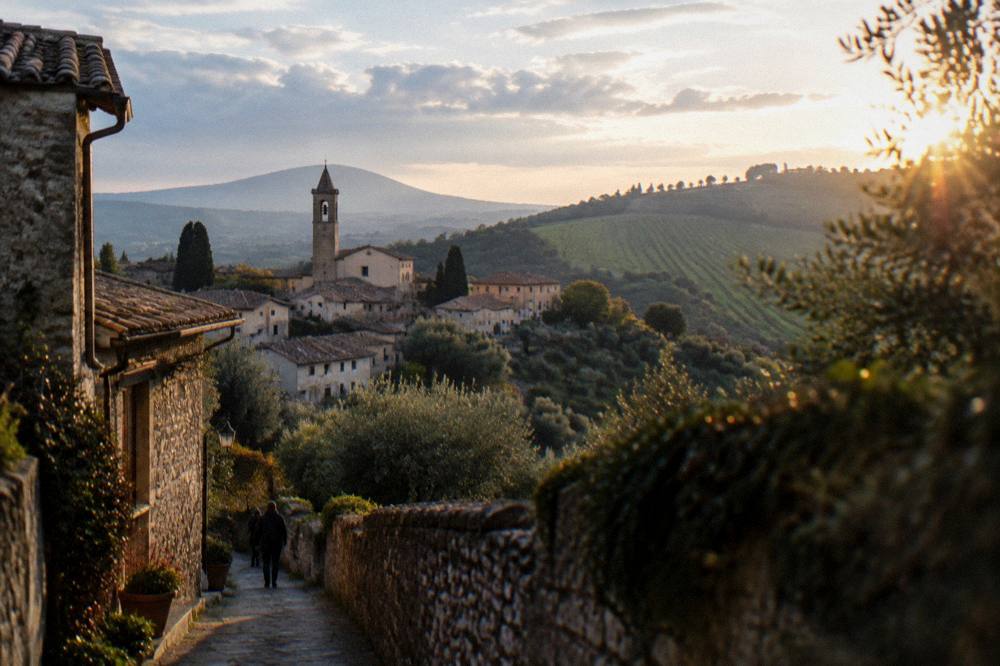
Yes, guided day trips from Padua reach the Euganean Hills wine country and the surrounding villas, and the winery visit below is the closest match for a hills-and-tasting day, while the villas tour covers the Brenta Riviera side of the Veneto countryside. There is no rail line to Arquà Petrarca itself, so a guided trip or a rental car are the two ways to reach the village without depending on rural bus timetables.
For travellers pairing the hills with the city, the practical division is this: wine and olive oil tastings sit in the Colli Euganei, villas and gardens sit both in the hills, at Villa dei Vescovi, and along the Brenta, at Villa Pisani, and the cities of Vicenza and Este sit at the edges of the loop. Our Monselice and Este guides cover the southern half of that loop, and the Abano Terme guide covers the spa towns on the way out of Padua.
A final planning note on where Arquà Petrarca fits in a Padua holiday: the village is a half-day to full-day excursion, not a substitute for the city's own sights. Giotto's frescoes in the Scrovegni Chapel need a timed booking made in advance, with entries of at most 25 people every 15 minutes and about 15 minutes inside, and the chapel closes 16 to 27 November 2026 for its annual fresco inspection. The Palazzo del Bo runs its own guided historical route through the anatomical theatre and Galileo's chair. The hills fill the day after those.
What Should A One-Day Euganean Hills Itinerary Look Like?
A sensible one-day loop from Padua runs: Arquà Petrarca in the morning for the Casa del Petrarca while its ticket desk is open, a winery or olive-oil stop in the hills around midday, then either Villa dei Vescovi at about 15 km from Padua or the spa towns of Abano Terme and Montegrotto Terme on the way back, giving one museum, one tasting and one villa or spa town inside a single day.
The order matters less than the pacing. Each stop is small: the poet's house is a short visit, a tasting is an hour or so, and Villa dei Vescovi is a villa-and-garden property with seasonal hours. Fitting two ticketed sights plus a meal is a full day; three ticketed sights is pushing it. Travellers who prefer cities can swap the villa for Monselice or Este, both walled towns south of the hills, or head the other way to the Brenta Riviera and its villas along the canal route toward Venice.
The second band below collects the three trips that pair best with this itinerary: the Brenta villas day trip, the hills winery visit and the Padua hop-on-hop-off bus for the city day itself.
For a longer stay built around the region, the things to do in Padua page holds the full city list, and the day-trip guides to Venice, Vicenza and Bassano del Grappa extend the map north and east. The Praglia Abbey page covers the monastic complex inside the hills themselves, a short distance from Arquà Petrarca. Closer to the village, the Montagnana and Castelfranco Veneto guides extend the walled-town theme further afield.
Common Questions About Arquà Petrarca
How far is Arquà Petrarca from Padua?
Arquà Petrarca is about 20 km in a straight line southwest of Padua's centre, in the Euganean Hills of the Veneto. That is a straight-line figure; the road route through the hills is longer.
How much does the Casa del Petrarca cost?
The Casa del Petrarca costs EUR 6 full price, EUR 4 reduced and EUR 3 for school groups, per the village's own what-to-see page. The house closes on non-holiday Mondays and on 8 December, 25 and 26 December and 1 January.
Can you get to Arquà Petrarca by train?
No rail line reaches the village. Options from Padua are the regional bus network into the Colli Euganei, a rental car or a guided day trip; confirm bus lines and times on the operator's travel planner before travel.
What else is there to do near Arquà Petrarca?
The Euganean Hills hold Villa dei Vescovi (EUR 11 adult per the FAI page), the spa towns of Abano Terme and Montegrotto Terme, the walled towns of Monselice and Este, and the wineries of the Colli Euganei, all within a short loop of the village.
When is the best time to visit Arquà Petrarca?
Per the ERA5 reanalysis 1991-2020 for the Padua grid cell, July and August highs average 28.8 C and November is the month with the highest rain total at 114 mm. Late spring and early autumn offer warm weather without the autumn rain peak, and the house keeps shorter November-to-February hours.
Is Arquà Petrarca worth a day trip from Padua?
As a half-day stop paired with a tasting, a villa or another hill town, yes: the village is compact, its museum is inexpensive and its setting in the olive groves of the Colli Euganei is the appeal. As a full day on its own it is small, so plan a loop.
Arquà Petrarca is the literary anchor of the Euganean Hills and one of the easiest half-day escapes from Padua: one inexpensive museum ticket, a walkable stone village, and a countryside of olives and vines on every side of it.