Este: Walls, Castle And The Atestino Museum
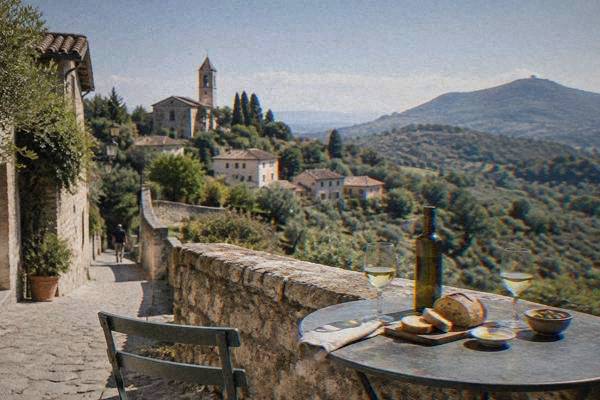
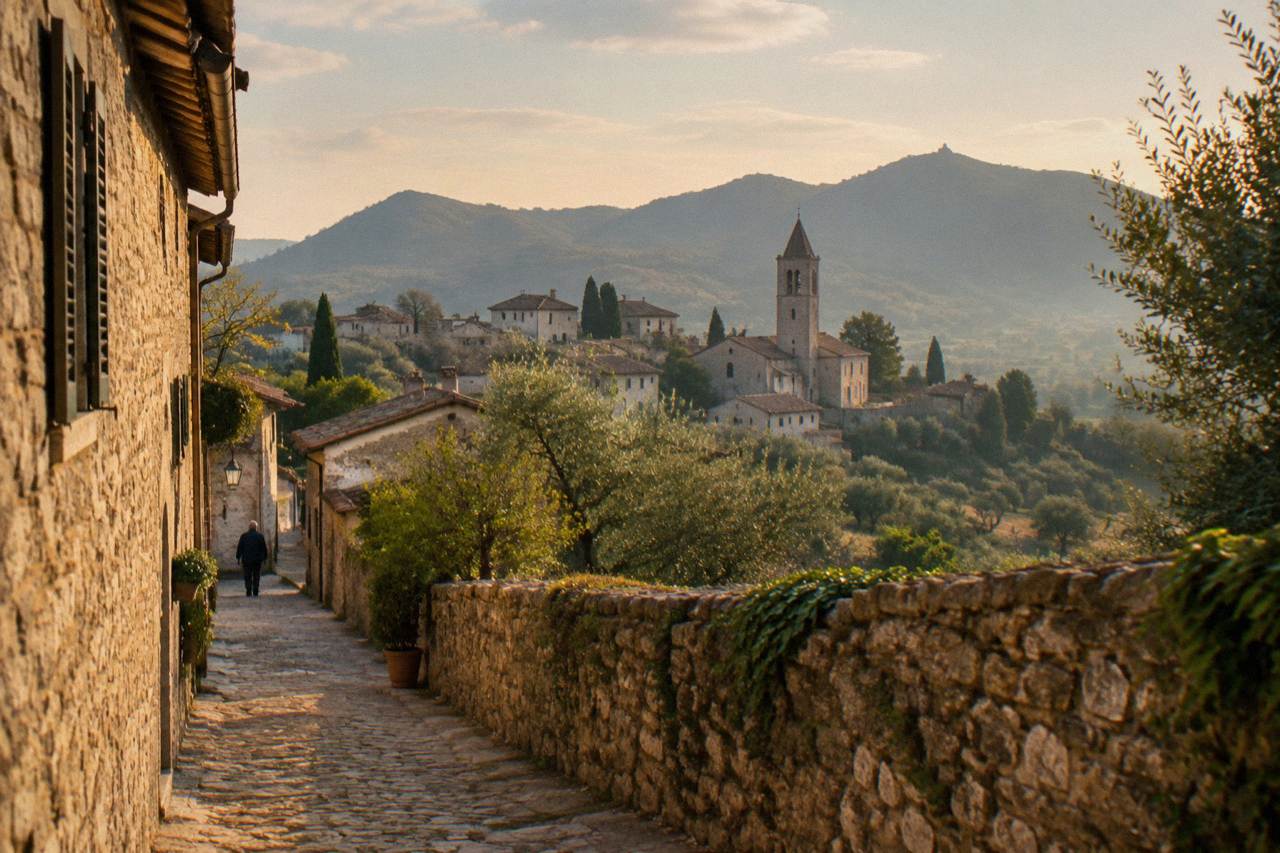
Este sits about 26 km in a straight line south of Padua, at the southern edge of the Euganean Hills, a walled town with a castle and a museum of the area's archaeology.
Short answer
Este is a walled town in the Veneto about 26 km in a straight line from Padua, reached as a day trip by regional train or bus. The town is known for its medieval walls, its castle and the Atestino Museum, and it pairs naturally with Monselice, Arquà Petrarca and Montagnana in the same hills.
Este is a walled town at the southern foot of the Euganean Hills in the Veneto, northern Italy, about 26 km in a straight line from Padua and about 36 km in a straight line from Venice. Padua, the inland city of arcaded streets that this site covers, is the natural base for it: the two towns belong to the same province, and Este is one of several hill towns, with Monselice, Arquà Petrarca and Montagnana, that sit inside a single day's travel from Padua's centre. This guide sets out what the sources support about the town's walls, its castle and the Atestino Museum, and how to plan a day there from a Padua stay.
The town gives its name to the House of Este, and that single fact is the hinge of any visit: the walls and the castle are the visible remains of a place that mattered in the medieval Veneto. The area around Este was also settled long before the medieval period, and the Atestino Museum exists to hold and display that deeper story. What follows reports what the sources say, flags the things that need checking at booking, and stays silent where no figure has been confirmed.
Where Is Este And Why Does It Pair With Padua?
Este lies in the province of Padua, in the Veneto, northern Italy, about 26 km in a straight line south of the city of Padua and at the southern edge of the Euganean Hills. It is an inland town, not on the Venice lagoon or the coast, and it sits within the same arc of hill towns that includes Monselice about 21 km from Padua, Arquà Petrarca about 20 km and Montagnana further west. Padua is the practical base for all of them.
The straight-line distances come from computed geographic data, and they are the only distance figures this site prints: no drive times. What the distances show is that Este belongs to a cluster. A traveller staying in Padua can reach the southern Euganean Hills without changing base, and the region's other draws, the spa towns of Abano Terme about 8 km from Padua and Montegrotto Terme about 11 km, sit on the way out of the city.
Padua itself carries the weight of the region's art history. Giotto frescoed the Scrovegni Chapel between 1303 and 1305, and the chapel is one of eight buildings in the fourteenth-century fresco-cycle UNESCO listing, Padova Urbs Picta, inscribed in 2021. The city also holds the Orto Botanico, the university botanical garden founded in 1545 and inscribed by UNESCO in 1997. A day in Este is a counterweight to that: slower, smaller, architectural rather than painterly. For the full city picture, start with things to do in Padua.
| Town or sight | Straight-line distance from Padua |
|---|---|
| Abano Terme | about 8 km |
| Montegrotto Terme | about 11 km |
| Villa Pisani (Stra) | about 11 km |
| Arquà Petrarca | about 20 km |
| Monselice | about 21 km |
| Brenta Riviera (Mira) | about 21 km |
| Este | about 26 km |
| Venice | about 36 km |
The table reads as a planning ring. Everything on it is a day trip from a single Padua hotel, and the tourist tax that applies in Padua, collected by the accommodation and capped at five consecutive nights per stay, does not change if the days are spent outside the city.
What Are The Walls And Castle Of Este Like?
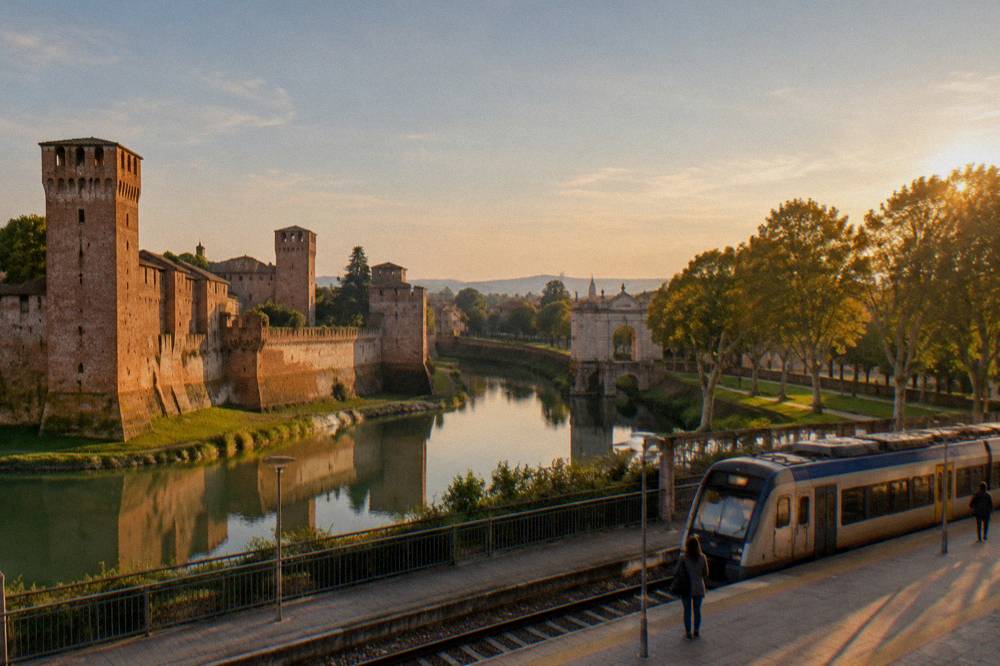
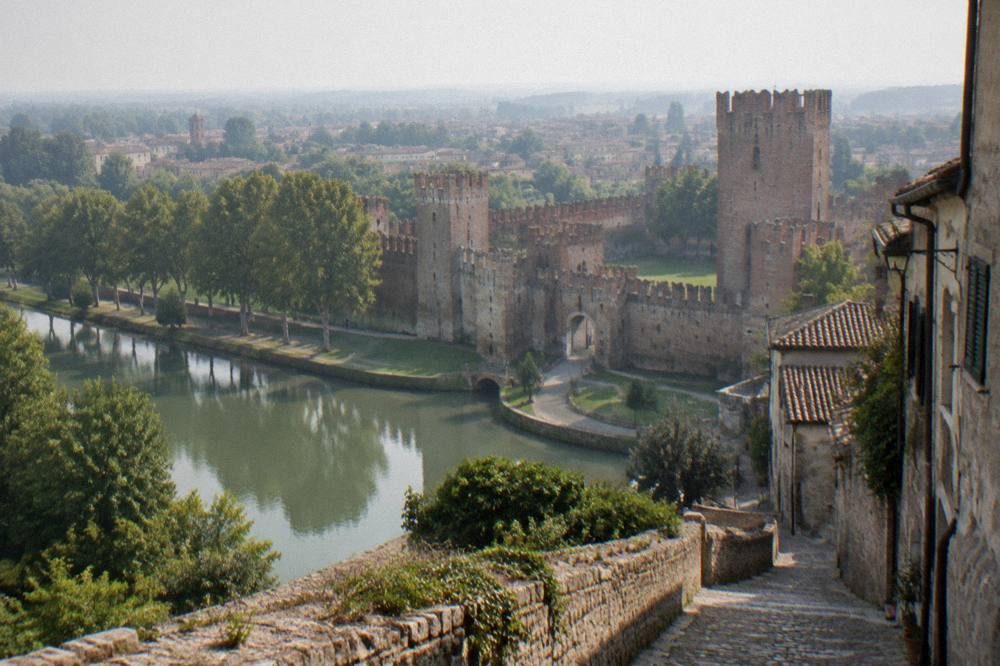
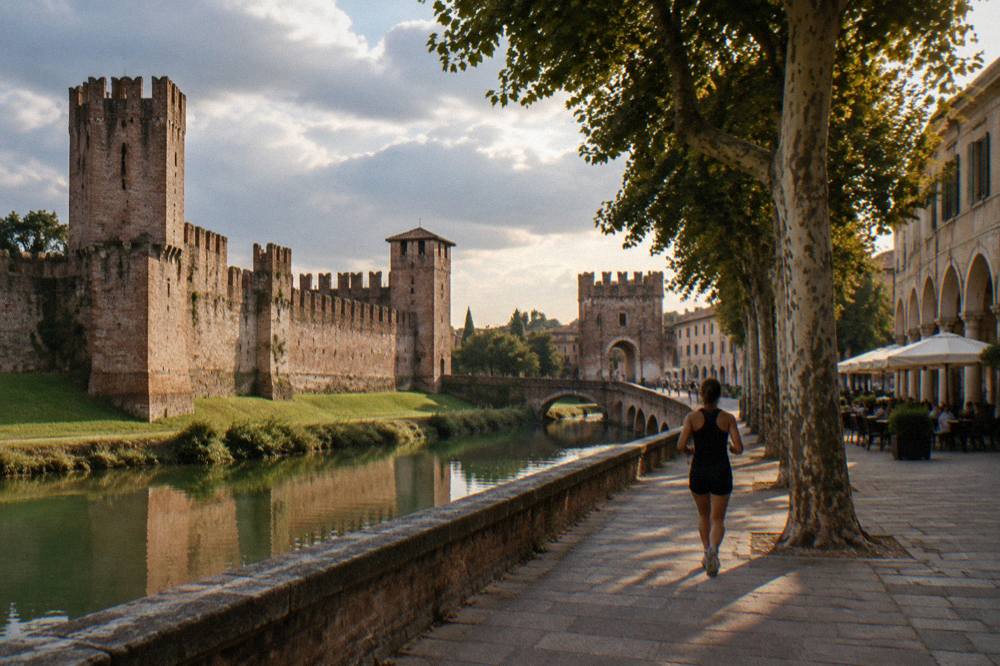
Este's walls and castle are the town's defining structures: a circuit of medieval defensive walls encloses the historic centre, and the castle rises on a mound at the town's edge above the surrounding plain. The sources this site uses confirm the walls and the castle exist and shape the town, but they carry no details on the castle's opening arrangements, so any visit needs a check of the current information before setting out.
That last clause is not a formality. The site's research attach no confirmed hours, prices or interior descriptions to the castle of Este, so this guide does not print any. What can be said is structural: the walls are the reason the old town keeps a compact, walkable shape, and the castle mound is the reason the skyline reads as medieval from the approach roads. Walking the walls is the obvious first act in the town, and it costs nothing to look at them from the outside.
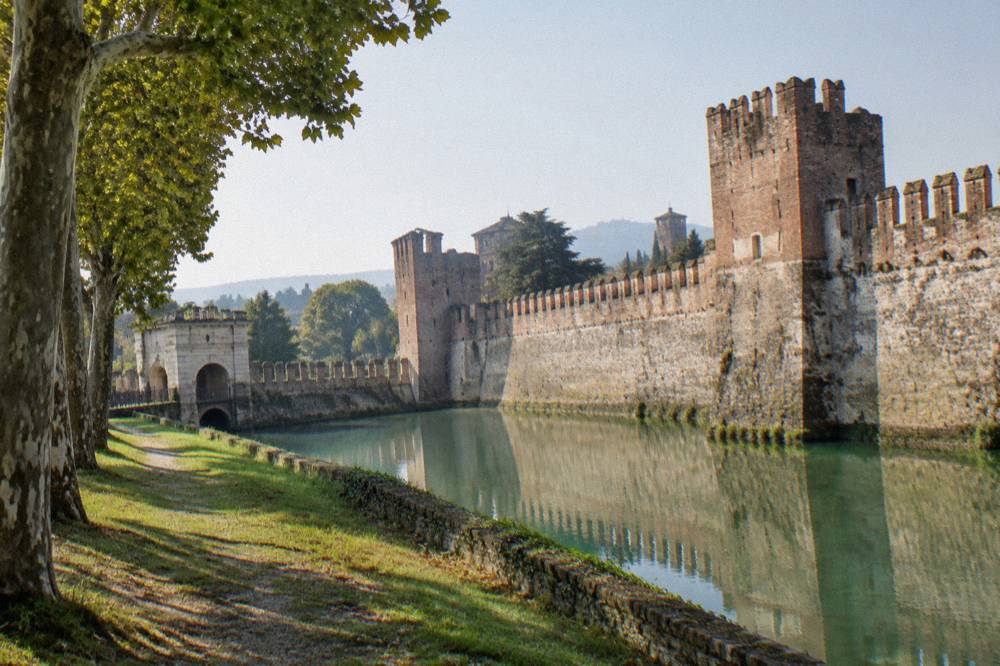
For comparison within the same hills, Padua itself has surviving walls, and the Padua city walls guide covers what is known about them; the same caution applies there, since no dates or lengths for Padua's circuit have been confirmed either. Montagnana, another walled town west of Este, is covered on this site as well, and travellers who like wall circuits sometimes chain the two in one loop, though no transport time between them is on record and the planning has to be done on a live journey planner.
The practical pattern for a walls-and-castle morning in Este is simple: arrive, walk the circuit from the outside, view the castle mound, then spend the middle of the day in the museum described below. Entry prices for the castle, if it is open on the day, are not in any source this site holds, so check the current price on the official ticket page before booking or arriving.
What Is The Atestino Museum?
The Atestino Museum is Este's museum of the area's archaeology and history, named for the ancient settlement of Ateste, the predecessor of the modern town, and it holds the material record of the Euganean Hills' southern edge from prehistory through the Roman and medieval periods. Hours and admission for the museum should be confirmed on the museum's own channels before a visit.
The museum is the reason Este rewards a half day rather than a quick look. Where the walls and castle show the medieval town, the Atestino fills in the long history underneath it. The ancient Veneto region, of which Padua's Roman Patavium was part, is one of Italy's densest archaeological zones, and Este's position on the plain below the hills made it a settlement point early. Livy, the Roman historian, was born at Patavium in 59 BC, and the whole area's Roman layer is part of the same story the museum documents.
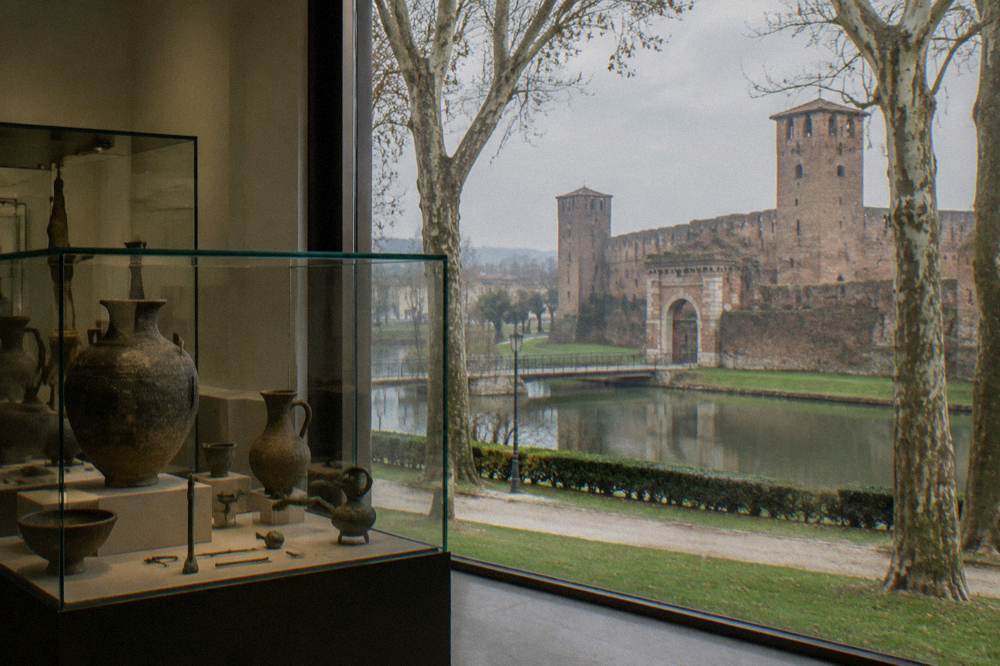
The same reporting caution applies as with the castle: this site prints no hours, no admission figure and no collection inventory for the Atestino, because none has been confirmed. What can be planned around it is the shape of the day. A morning on the walls, a midday in the museum, and an afternoon in the hills or at a neighbouring town makes a full and unhurried trip.
Museum lovers who want confirmed prices inside the same day-trip ring have two solid options: Villa dei Vescovi, the FAI villa near Torreglia, at EUR 11 for adults with reductions to EUR 6, and Casa del Petrarca in Arquà Petrarca at EUR 6 full and EUR 4 reduced. Padua's own civic museums, the Musei Civici Eremitani, open Monday to Sunday 9:00 to 19:00 and are included in the Scrovegni Chapel daytime ticket.
The hills around Este carry their own draw for visitors coming from Padua, and a guided option exists that covers the villa and garden highlights of the area. The related day trip on this site, the Vescovi and Valsanzibio trip from Padua, pairs Villa dei Vescovi with the great garden at Valsanzibio, and Check availability if that combination fits the itinerary better than self-guided travel.
How Do You Get From Padua To Este?
Este is reached from Padua by regional transport, with the town lying on the southern edge of the Euganean Hills about 26 km in a straight line from Padua's centre; the fares this site can print are the EUR 1.70 ninety-minute urban ticket inside Padua, the regional train of about EUR 5 to Venice and about EUR 6 to Vicenza for context, and the EUR 13 airport bus, but no fare or timetable specific to the Padua-Este journey is listed here.
That is an unusually thin transport paragraph for this site, and the reason is deliberate: the research pack holds no published Padua-to-Este fare, frequency or journey time, and the rules here forbid inventing one. The Veneto's regional rail and bus networks both serve the Euganean Hills towns, and Padua's station, on the Venice-Milan line, is the regional hub for them. The station itself also has a left-luggage office at platform 1, open daily 6:00 to 20:00 at EUR 5 per 6 hours, useful for travellers moving between a Padua hotel and a hill-town day. More of these guides are collected on Padua Travel Guide.
Inside Padua the useful fare is the urban ticket: EUR 1.70 for ninety minutes on Busitalia's city buses and the SIR1 tram, with contactless card tap accepted on board. The tram line SIR1 runs north to south through the city; a second line, SIR3, was in pre-service testing in 2026 and no opening date should be assumed. For the hills, buses reach the spa towns and some hill villages, but the specific lines serving Este are not listed here, so plan on the operator's journey planner.
| Journey | What the verified sources give |
|---|---|
| Inside Padua (urban ticket, 90 minutes) | EUR 1.70 |
| Padua to Venice, regional train | about 26 to 40 minutes, about EUR 5 |
| Padua to Vicenza, regional train | about 16 to 25 minutes, about EUR 6 |
| Padua to Verona, train | about 43 to 60 minutes |
| Padua to Venice Marco Polo airport, Busitalia bus | EUR 13 one way, about 45 minutes, every 40 minutes |
| Padova station left luggage | platform 1, daily 6:00 to 20:00, EUR 5 per 6 hours |
The train figures above are the only route-specific ones confirmed for the region, and they are given with "about" because schedules vary. Nothing in that table describes the Este route itself; treat it as context for how the region's distances and fares generally run.
What Else Sits Within Reach Of Este?
A day trip to Este can be extended or alternated with Monselice about 21 km from Padua, Arquà Petrarca about 20 km with Casa del Petrarca at EUR 6 full, Montagnana with its own wall circuit, the spa towns of Abano Terme about 8 km and Montegrotto Terme about 11 km, and the Brenta Riviera villas including Villa Pisani about 11 km from the city. All sit inside the same day-trip ring around Padua.
The southern Euganean Hills work as a set. Arquà Petrarca, the hill village where Petrarch's house stands, is the closest confirmed-price sight to Este, and its Casa del Petrarca closes on non-holiday Mondays plus 8 December, 25 and 26 December and 1 January, facts worth noting because small hill sights across the region follow similar rhythms. Monselice, covered in this site's Monselice guide, is the other walled hill town of the group, and this site's Arquà Petrarca guide covers the village in full.
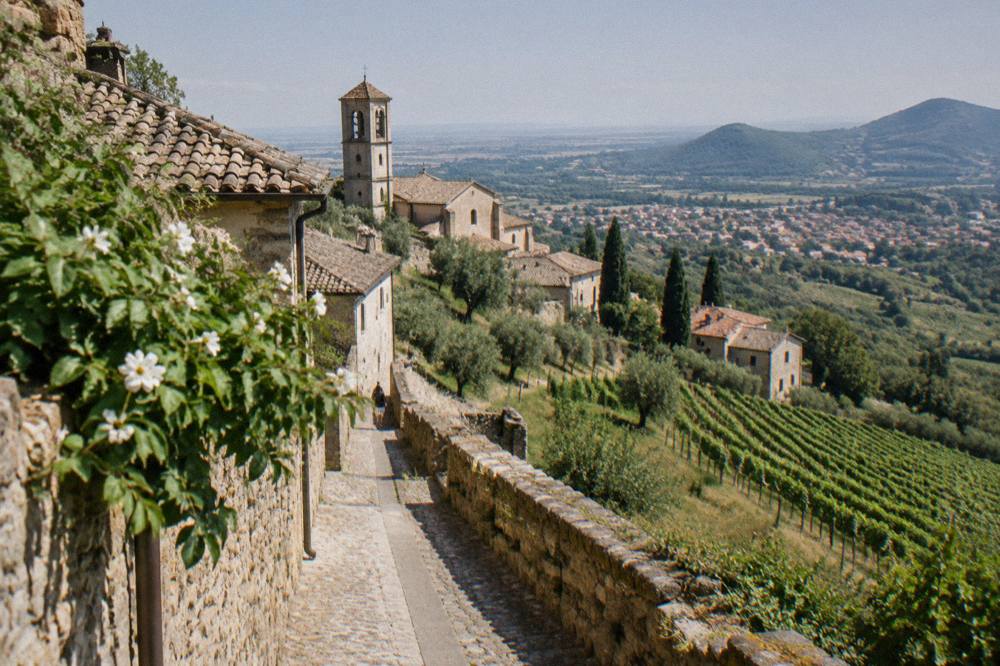
Wine is the other thread. The Euganean Hills are a wine area, and this site's coverage of the Euganean Hills day trip and the Colli Euganei wine pages sets out what is confirmed. Two bookable options render live details below: a winery visit and tasting in the Padua hills, and the villa-and-garden trip already mentioned. Neither is in Este itself; both are hill experiences that a Padua-based traveller can slot into the same or a neighbouring day.
| Sight in the Este day-trip ring | Adult entry | Notes from the verified sources |
|---|---|---|
| Villa dei Vescovi (FAI, Luvigliano di Torreglia) | EUR 11 | ages 6 to 18 and students to 26 EUR 6, under 6 free, family EUR 28 |
| Casa del Petrarca, Arquà Petrarca | EUR 6 | reduced EUR 4, school EUR 3, closed non-holiday Mondays |
| Scrovegni Chapel daytime ticket, Padua | EUR 15 full, EUR 11 reduced | plus EUR 1 booking fee, also covers Musei Civici Eremitani and Palazzo Zuckermann |
| Musei Civici Eremitani, Padua | EUR 11 full | Monday to Sunday 9:00 to 19:00 |
| Palazzo del Bo guided tour, Padua | EUR 10 full | about 45 minutes, alternating Italian and English slots |
| Castle of Este | no confirmed figure | check current information before visiting |
| Atestino Museum, Este | no confirmed figure | check current information before visiting |
The two "no confirmed figure" rows are honest rows, not gaps in the table: they tell a planner where to direct the question. The confirmed rows, by contrast, can be budgeted today.
When Is The Best Time Of Year To Visit Este From Padua?
The climate figures for the region, from the ERA5 reanalysis 1991 to 2020, show mean daily highs of 28.8 C in July and August, 7.3 C in January, and the highest monthly rainfall in November at 114 mm, with September and October near 105 mm each; spring months sit between, with May at 22.1 C high and 99.7 mm of rain, so any month is workable and the rain totals, not the temperatures, are the main planning variable for a walking day in a walled town.
Those are modelled normals for the grid cell at Padua's centre, not a station record, and they are given without superlatives: no ranking label, just the numbers. What they mean for Este specifically is practical. The town's core experiences, walking the wall circuit and moving between castle mound, museum and lanes, are outdoor-ish, and November's rain total of 114 mm is the figure that argues for a flexible day with the museum as the indoor anchor.
Winter visitors should also note one fixed date elsewhere in the region: the Scrovegni Chapel in Padua is closed 16 to 27 November 2026 for its annual fresco inspection, a fact that matters to anyone combining a hill day with the chapel on the same trip. The chapel is timed entry only, at most 25 people every 15 minutes and about 15 minutes inside, booked in advance; it cannot be walked into. Evening visits, chapel only, run 25 March to 1 November from 19:00 to 22:00.
| Month | Mean daily high (C) | Mean daily low (C) | Rain (mm) |
|---|---|---|---|
| January | 7.3 | -0.2 | 53.6 |
| March | 13.7 | 3.9 | 67.2 |
| May | 22.1 | 12.4 | 99.7 |
| July | 28.8 | 18.9 | 62.1 |
| September | 23.6 | 14.9 | 105.5 |
| November | 12.6 | 5.5 | 114.0 |
Snow does fall in the region, though rarely: a long climate series for Padua reports an average of about 4.4 snowy days per year in the 1995 to 2024 period, down from about 10.4 in the 1785 to 1814 period, and seasons with none are not uncommon. None of this discourages a winter trip; it simply argues for the museum-first plan.
Is Este A Good Day Trip Compared With Monselice And Montagnana?
Este, Monselice and Montagnana are three walled towns in the same southern arc of the Veneto, all reachable as day trips from Padua, and the choice between them is a matter of distance and interest rather than quality: Este lies about 26 km in a straight line from Padua with the Atestino Museum as its anchor, Monselice about 21 km below its own rocky hill, and Montagnana further west.
This site does not rank towns against each other, and the sources do not support it. What the comparison actually turns on is confirmed content. Este offers the museum plus walls and castle. Monselice, covered in the Monselice day-trip guide, offers a hilltown silhouette and its own sights, though like Este's castle, no confirmed hours or prices are held for it. Montagnana's wall circuit is real but its length is not confirmed. Travellers wanting guaranteed figures can lean on the region's confirmed-price sights instead: Villa dei Vescovi, Casa del Petrarca and, back in Padua, the civic museums.
A second way to spend the same day, for travellers who prefer structure, is a guided hills trip. The golf-cart tour below covers Padua's own centre rather than Este, and it earns its place here as the pairing option: hills day out of the city, cart day inside it.
For the trip home, the region's evening culture is worth knowing: the tourism board's own pages point to the piazzas of Padua, Piazza delle Erbe and Piazza dei Signori, as the centre of the city's spritz and aperitivo scene, and Aperol, the spritz's signature bitter, was created in Padua in 1919 by the Barbieri brothers. A day in Este ends well back inside that square, and the spritz in Padua guide covers the tradition in detail.
Common Questions About Este
How far is Este from Padua?
Este lies about 26 km in a straight line south of Padua, at the southern edge of the Euganean Hills in the Veneto. No travel time for the route is given in this site's sources, so check a live journey planner for trains or buses on the day.
What is the Atestino Museum in Este?
The Atestino Museum is Este's museum of the area's archaeology and history, named for Ateste, the ancient predecessor of the modern town. No confirmed hours or admission prices are held for it, so check the museum's own channels before visiting.
Can you visit the castle in Este?
The castle of Este stands on its mound at the edge of the walled town and shapes the skyline. No opening arrangements, prices or interior details have been confirmed in this site's sources, so check the current information on the official ticket page before booking or arriving.
What other towns can you combine with Este?
Monselice, about 21 km in a straight line from Padua, Arquà Petrarca with its Casa del Petrarca at EUR 6 full entry, and Montagnana all sit in the same southern arc of hill towns, and the spa towns of Abano Terme and Montegrotto Terme lie on the way out of Padua.
When is the best time of year to visit Este?
Any month works on temperature, with ERA5 reanalysis 1991 to 2020 normals showing July and August mean highs of 28.8 C and January 7.3 C. November carries the highest monthly rain total at 114 mm, so a flexible plan with the museum as the indoor anchor suits the late-autumn months.
Is Este worth a day trip from Padua?
Yes, for travellers who want walls, a castle mound and an archaeology museum in one compact inland town within the Euganean Hills day-trip ring. Travellers wanting confirmed prices and set hours at every stop may prefer pairing the day with Villa dei Vescovi or Casa del Petrarca, whose figures are confirmed.