Dolomites From Padua: Cortina And The Lakes
Padua sits on the Veneto plain, and the Dolomites are the big-ticket horizon beyond it: Cortina, the lakes and the passes that draw hikers and skiers from across Europe. This page covers what a Dolomites excursion from a Padua base involves, what the city itself offers on the days you stay closer to home, and how to plan the practical side.
Short answer
Padua is a lowland city in the Veneto, and the Dolomites are a full mountain day beyond the plain: there is no door-to-door time or price to print, so the honest plan is to treat Cortina and the lakes as a long organised excursion or an overnight, and to keep the train-friendly hills and towns around Padua for single-day outings.
Padua (Padova) is a city of arcaded streets, markets and Giotto's frescoes on the flat Veneto plain of northern Italy, an inland city about 36 km in a straight line from Venice, not on the lagoon and not in the mountains. The Dolomites are the wall of pale limestone peaks that defines the northern edge of the region, and "Dolomites from Padua" is a search that usually means one of two things: a long single-day excursion from a Padua hotel, or a plan that splits a Veneto holiday between the city and the mountains. Both are workable, but they are different products, and this page keeps them separate.
The honest starting point is scale. The figures this site can print are straight-line kilometres from the centre of Padua, and they show how quickly the Veneto day trips fall away as you head north: Venice about 36 km, Bassano del Grappa about 42 km, Verona about 69 km, Valdobbiadene about 56 km. The Dolomites sit well beyond all of those, on the far side of Bassano and the foothill towns, and no drive time or door-to-door journey time for the route can be stated here. Treat every "90 minutes from Padua" claim you read elsewhere with caution and check the timing against your own route on the day you book.
Can You Visit The Dolomites From Padua In One Day?
A Dolomites day trip from Padua is possible as a long, early-start excursion, but it is not a casual half-day outing like Venice or Vicenza: the mountains sit beyond the whole chain of closer Veneto destinations, no reliable door-to-door time can be given here, and any plan needs a booked tour, a hire car or an overnight to work. The closer alternatives, the Euganean Hills, Bassano del Grappa and the Prosecco hills, are the trips that comfortably fit a single day from a Padua base.
The distinction matters because Padua's own day-trip geography is unusually generous. Venice is a train ride of about 26 to 40 minutes away; Vicenza about 16 to 25 minutes; Verona about 43 to 60 minutes. Those are journeys you can decide on over breakfast. The Dolomites belong to a different category of planning: you leave before the Padua markets open at 7:30 in Piazza delle Erbe, and you return after the evening passeggiata is underway. Nothing in the sources for this site gives a ticket price, an opening hour or a train time for the Dolomites themselves, so every operational detail of the mountain day has to come from your tour operator, your car route or your accommodation, checked before you commit.
The practical split most plans fall into is this. One, a guided excursion with transport included, which is the only version of the day that does not depend on your own driving or on mountain bus timetables you have not read. Two, a self-driven loop, which gives you the lakes and the passes at your own pace and needs mountain-road confidence and a parking plan. Three, the overnight: move your base for one or two nights and give the mountains whole days instead of their edges. If your holiday is short and Padua-centric, option three is the one that respects both the city and the mountains.
How Do You Travel From Padua Toward The Dolomites?
The route from Padua toward the Dolomites runs north across the Veneto plain, in practice via the foothill towns such as Bassano del Grappa, which sits about 42 km from Padua in a straight line, and onward from there into the mountains; trains from Padova serve the plains network well, with Bassano reachable in about an hour by regional services, but the high mountain valleys are a bus or car leg beyond the rail head, so check each segment separately before travelling.
Start with what the city's own transport hub offers. Padova station is on the Venice to Milan line, and the station's left-luggage office at platform 1 is open daily 6:00 to 20:00 at EUR 5 per 6 hours, useful on the day you check out and head for the hills. The urban side of Padua runs on the TU1 ticket: EUR 1.70 for 90 minutes, or you can tap a contactless card on board the tram and buses. If you are flying out or in around the mountain leg, the Busitalia airport coach between Padua and Venice Marco Polo costs EUR 13 one-way and takes about 45 minutes, with about 54 runs a day.
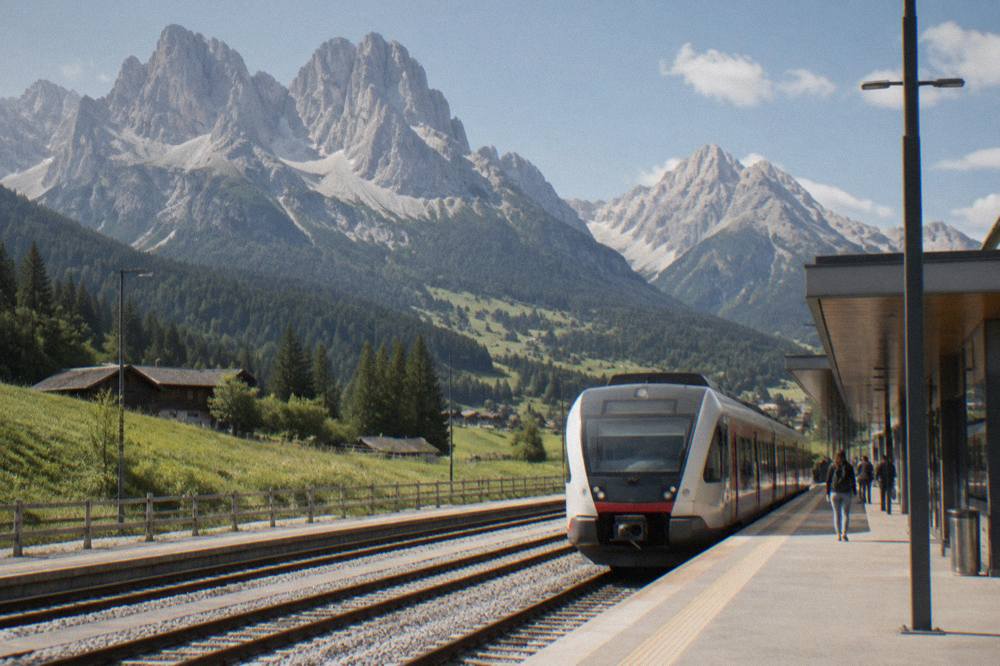
The train network is where the mountain plan and the plain diverge. Regional trains out of Padova are excellent for the cities: about 26 to 40 minutes to Venezia Santa Lucia for roughly EUR 5, about 16 to 25 minutes to Vicenza for roughly EUR 6, about 43 to 60 minutes to Verona, about 28 to 60 minutes to Treviso. Bassano del Grappa, the natural gateway town for the eastern Dolomites, is about an hour away on regional services with a change on some runs, and from Bassano the Ponte degli Alpini bridge is open and the Poli Grappa Museum has free entry, which makes the town itself a reward even if you go no further. Beyond Bassano the picture changes: mountain bus lines and lifts are seasonal, and their timetables are the thing to read before you build a day around them.
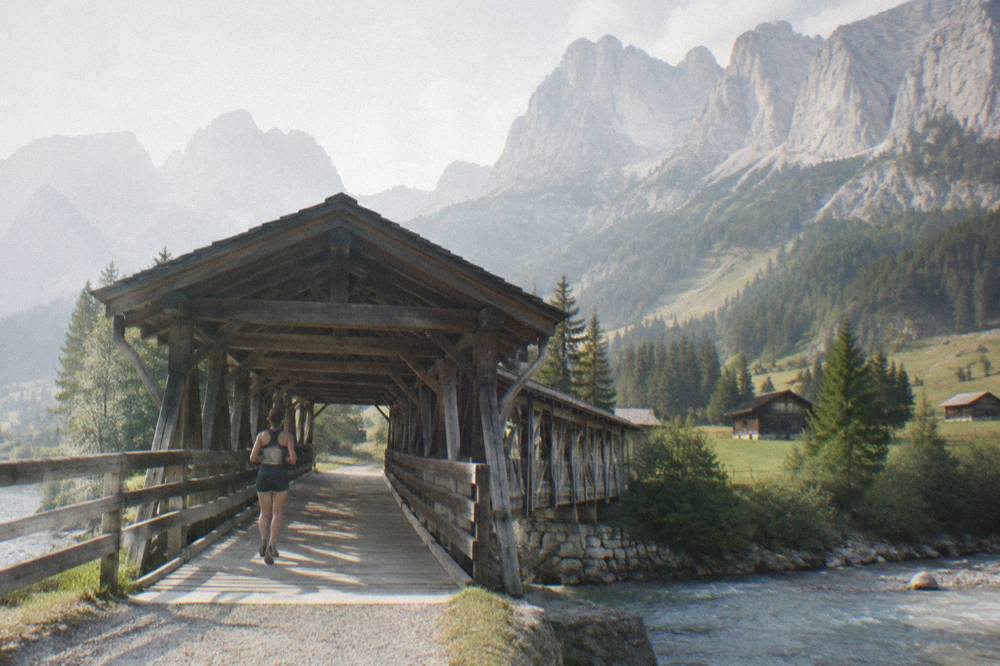
A car changes the arithmetic completely, and this site prints no road distance and no drive time, only the straight-line figures above. What can be said is structural: Padua's historic centre is wrapped in a limited-traffic regime, so a self-drive mountain plan usually means collecting the car on the day you leave the city rather than keeping one in the centre. Check current parking and ZTL rules on the city's own pages, and in the mountains check the specific pass, lake and cable-car access rules for the date you travel, because seasonal closures are normal in the high valleys.
For travellers who want the mountain day handled, an organised excursion from Padua or from a meeting point on the plain is the version with the fewest unknowns. You can also browse the day trips from Padua toward Bassano on this site for the gateway town's own attractions, and pair it with the city's guides to getting around Padua for the transport basics before you leave.
What Does A Dolomites-Style Day Trip Cost From Padua?
The costs you can plan from Padua are the city and plains figures: the regional train to Venice about EUR 5 and to Vicenza about EUR 6, the urban ticket EUR 1.70 for 90 minutes, the airport coach EUR 13, and the flagship Padua entries such as the Scrovegni Chapel at EUR 15 full plus EUR 1 booking and the Orto Botanico at EUR 15 full from 1 September 2026; the Dolomites' own lifts, buses and parking have no price in this site's sources.
The table below gathers the figures that frame a Padua-based holiday, including the day trips you might weigh against a mountain day.
| Item | Full price | Notes |
|---|---|---|
| Scrovegni Chapel (museums + chapel) | EUR 15 + EUR 1 booking fee | Reduced EUR 11; timed entry only, 25 people every 15 minutes |
| Orto Botanico | EUR 15 from 1 Sept 2026 | Winter full EUR 12, Nov to Feb |
| Palazzo del Bo guided tour | EUR 10 | Reduced EUR 8; about 45 minutes |
| Palazzo della Ragione | EUR 8 | Concessions EUR 6 |
| Urban bus/tram ticket (TU1) | EUR 1.70 | 90 minutes; daily EUR 4.70 |
| Airport bus to Venice Marco Polo | EUR 13 | About 45 minutes; child EUR 6.50 |
Two warnings travel with that table. First, the Scrovegni Chapel is closed 16 to 27 November 2026 for the annual fresco inspection, and same-day online booking does not exist; the chapel's own booking page is the place to reserve a slot. Second, the ticket prices at the mountain end of your trip, cable cars, park-and-ride lots, refuges, are not in any source this site can print, so a Dolomites day needs its own budget line that you fill in from the operator or the valley's own pages. For a guided excursion, the price and duration render on the operator's live listing, and this page deliberately does not type them.
If the mountain day proves too long for your dates, the same budget buys a bookable Veneto day instead. The FAI-run Villa dei Vescovi at Luvigliano di Torreglia costs EUR 11 for adults, EUR 6 for visitors aged 6 to 18, with a family ticket at EUR 28; Casa del Petrarca at Arqua Petrarca, about 20 km in a straight line from Padua, is EUR 6 full and EUR 4 reduced; and in Vicenza the Teatro Olimpico is EUR 12 full and EUR 9 reduced, with the Vicenza Gold Card at EUR 22 for eleven sites over twelve days. Each of those is a door-to-door day trip that a regional train timetable supports.
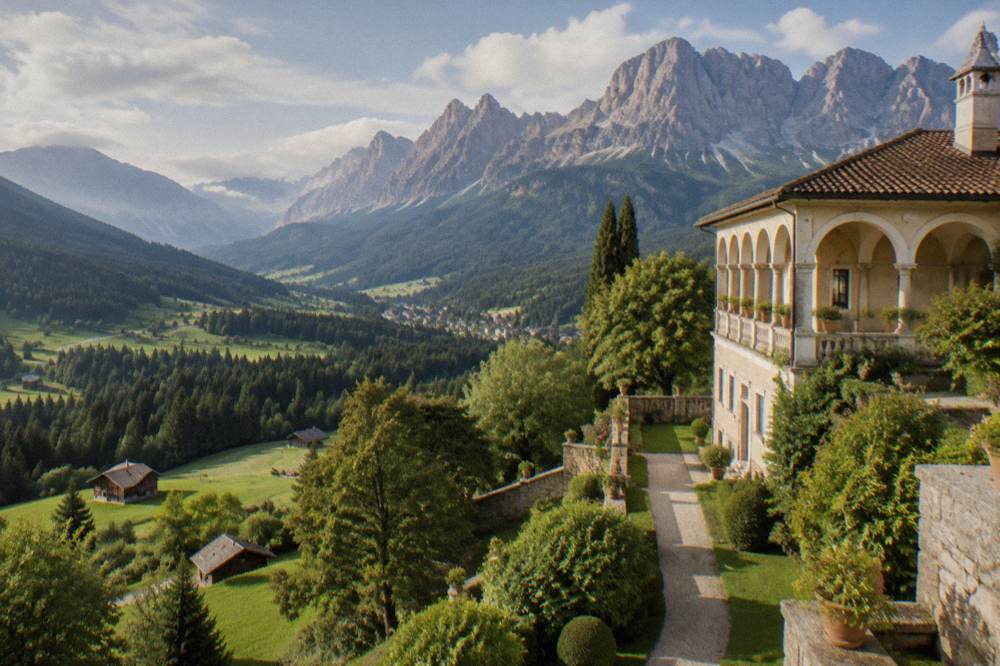
Cortina And The Lakes: What Draws People To The Dolomites?
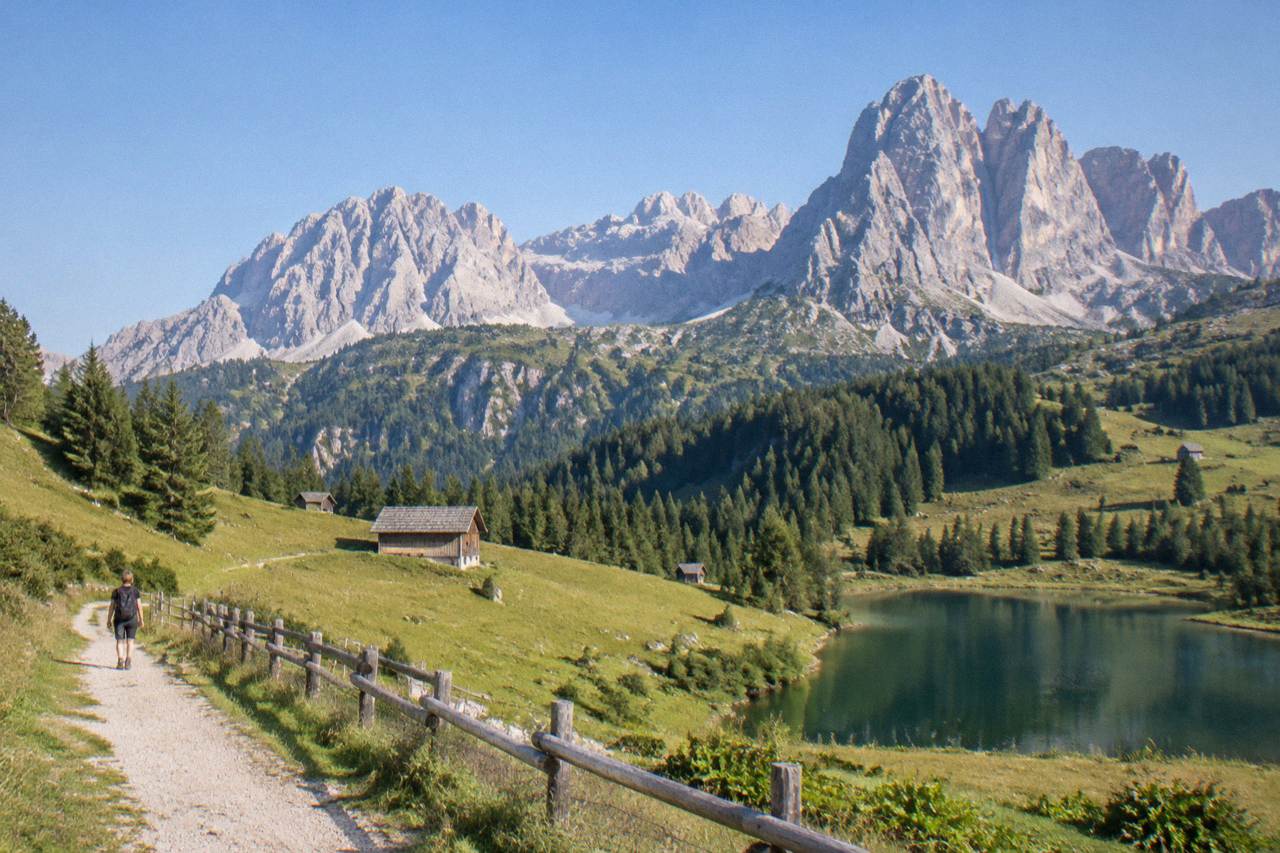
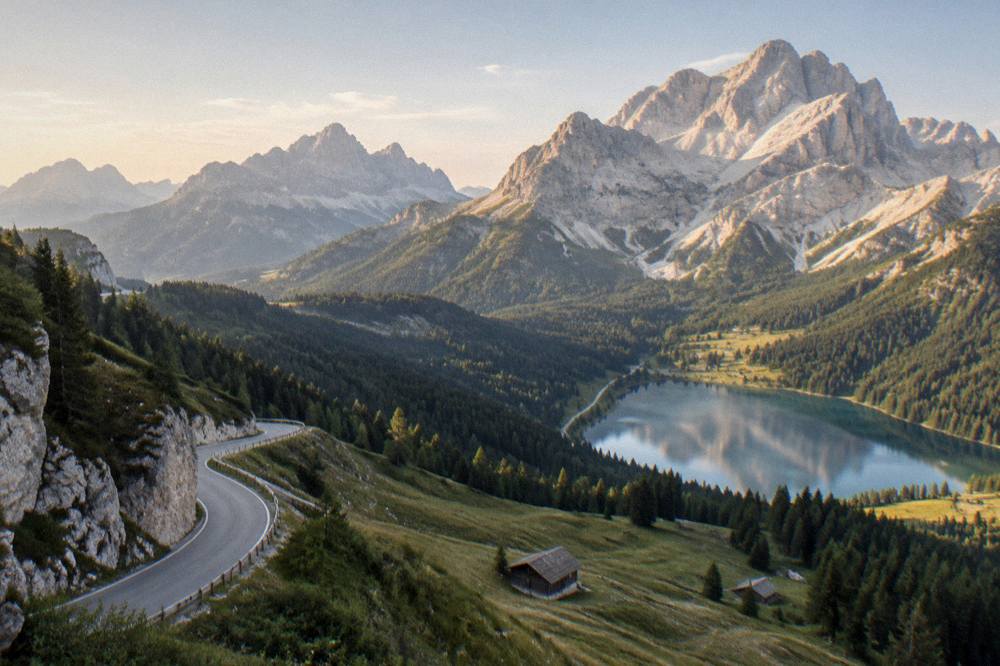
The Dolomites' pull is landscape at a scale the Veneto plain cannot offer: pale limestone towers, high passes, alpine lakes and the resort town of Cortina d'Ampezzo, set in a bowl of peaks and known for its winter season and its summer hiking; the lakes that appear in "Dolomites from Padua" searches are the small glacier-fed and reservoir lakes that sit in the valleys, reached by mountain roads and lifts rather than by rail.
Cortina d'Ampezzo gives the region its name recognition: a mountain town ringed by rock walls, a base for skiing in winter and for walking and via ferrata routes in summer. The lakes are the other half of the itinerary, smaller bodies of water in the valleys whose colours come from the mineral content of the limestone runoff, and they are photogenic precisely because they sit under the peaks. None of this is reachable by a direct train from Padua, and the valleys' own opening seasons for lifts and roads are set by snow conditions, so summer and early autumn are the windows in which a day trip has the widest access, and winter belongs to the ski resorts rather than to the lakes.
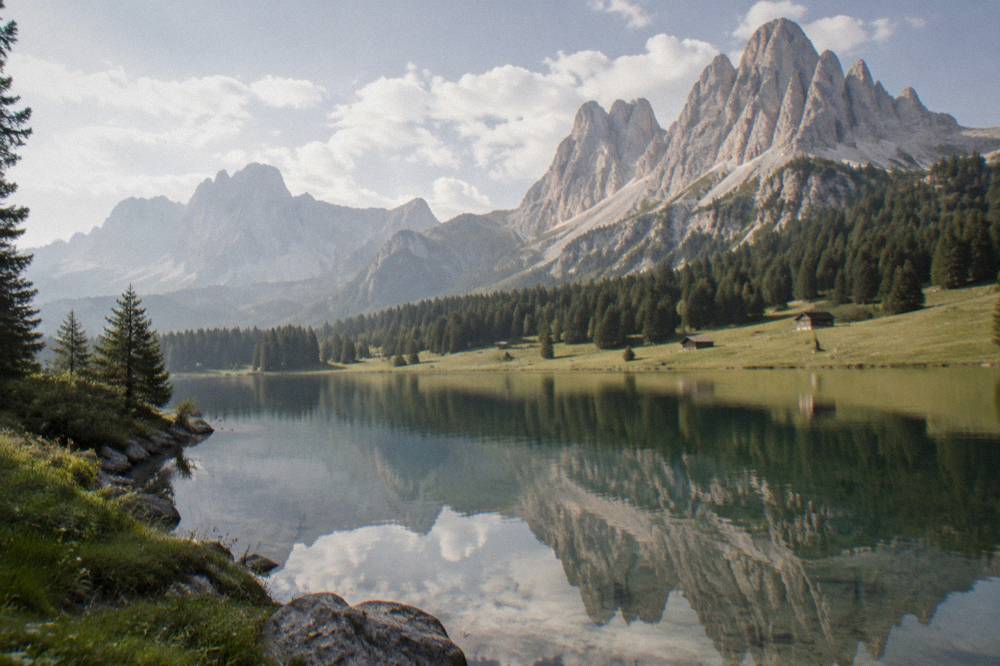
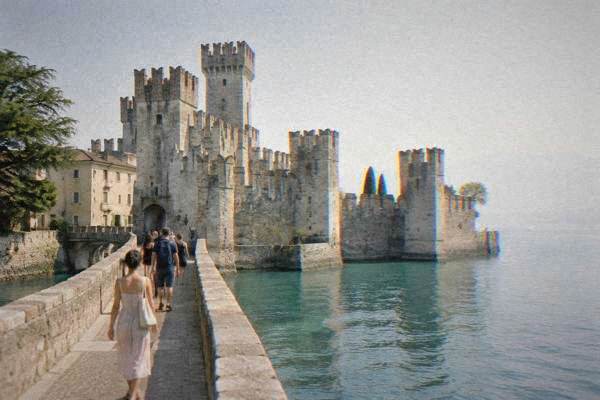
What this site can verify is the plain-side geography that shapes every such plan. The natural gateway towns from Padua are Bassano del Grappa at about 42 km in a straight line and, further west, Valdobbiadene at about 56 km and Conegliano at about 63 km in the Prosecco hills. From those foothills the mountains begin in earnest. The Prosecco hills day trip page on this site covers the rolling southern side of that boundary, and the Lake Garda page covers the other great northern outing, with Sirmione about 99 km in a straight line from Padua: a full day, and never "near" the city.
The honest framing for a first-time visitor is that the Dolomites reward whole days. A dawn start from Padua, a ridge walk or a lake circuit at midday and a late return is a real itinerary, but it leaves no room for the Scrovegni Chapel's timed slot or a long lunch in Piazza delle Erbe. Travellers who try to fold the mountains into a packed city itinerary tend to end up with neither, which is why the overnight option, Padua for the art and the food, the mountains for a night or two, is the plan this desk would put first for any stay of five days or more.
Which Day Trips From Padua Fit Better Than The Dolomites?
The single-day trips that fit Padua's geography best are the ones the straight-line distances support: Venice at about 36 km, Montagnana at about 37 km, Chioggia at about 38 km, Vicenza at about 30 km, Treviso at about 41 km, Bassano del Grappa at about 42 km, Valdobbiadene at about 56 km, Verona at about 69 km and Bologna at about 110 km; the Dolomites sit beyond all of them and need the longest day of any outing on this list.
| Destination | Straight-line distance from Padua | Train time from Padova |
|---|---|---|
| Vicenza | about 30 km | about 16 to 25 minutes |
| Venice | about 36 km | about 26 to 40 minutes |
| Montagnana | about 37 km | not on the verified train list |
| Chioggia | about 38 km | not on the verified train list |
| Treviso | about 41 km | about 28 to 60 minutes |
| Bassano del Grappa | about 42 km | about 1 hour, regional |
| Valdobbiadene | about 56 km | not on the verified train list |
| Verona | about 69 km | about 43 to 60 minutes |
| Sirmione, Lake Garda | about 99 km | not on the verified train list |
| Bologna | about 110 km | not on the verified train list |
Read that table as a menu, not a ranking: this site ranks none of these places against Padua or against each other. What the figures do show is the gradient. Four outings sit within about 42 km, all of them compatible with a morning start and a dinner back in Padua. Lake Garda's Sirmione, about 99 km away, is a genuinely long day but still a plains-and-lake day. The Dolomites are the only entry on the mental list that crosses from regional outing into mountain expedition, and that step is exactly why the tour-with-transport or overnight versions exist.
Among the closer options, the Euganean Hills are the one this site's own featured tour covers: a guided trip to Villa dei Vescovi and the Valsanzibio garden, with entry and transport arranged, bookable through the operator's listing, and you can Check availability alongside the Villa dei Vescovi day trip guide. Arqua Petrarca, about 20 km away in the same hills, pairs with it naturally; Abano Terme at about 8 km and Montegrotto Terme at about 11 km are the spa towns on the hills' northern edge, and the Euganean Hills page lays out the whole arc.
When Is The Best Time Of Year To Plan A Dolomites From Padua?
The climate you can plan around is Padua's own: the ERA5 reanalysis for 1991-2020 puts the July and August mean daily high at 28.8 C in the city, with November the month carrying the highest rain total at 114.0 mm and September and October both near 105 mm, so late spring and summer are the months when the plain is warm enough for an alpine day trip and the high valleys are free of snow.
The city figures matter because every Dolomites day starts and ends in Padua's weather. The reanalysis table below is the modelled normal for the city's grid cell, and it frames both the packing and the timing.
| Month | Mean high C | Mean low C | Rain mm |
|---|---|---|---|
| Jan | 7.3 | -0.2 | 53.6 |
| Feb | 9.4 | 0.6 | 57.9 |
| Mar | 13.7 | 3.9 | 67.2 |
| Apr | 17.6 | 7.8 | 84.4 |
| May | 22.1 | 12.4 | 99.7 |
| Jun | 26.2 | 16.6 | 81.0 |
| Jul | 28.8 | 18.9 | 62.1 |
| Aug | 28.8 | 19.2 | 78.7 |
| Sep | 23.6 | 14.9 | 105.5 |
| Oct | 18.4 | 10.6 | 105.4 |
| Nov | 12.6 | 5.5 | 114.0 |
| Dec | 7.8 | 0.7 | 69.9 |
ERA5 reanalysis, 1991-2020, grid cell at the centre of Padua; the year's rainfall totals about 979.4 mm. Two readings follow. The summer months are hot in the city, which makes a high-altitude day an appealing counterweight, but they also carry the plain's thunderstorm season, and mountain weather deserves a same-morning check whatever the reanalysis says. The November figure, 114.0 mm, is the month with the highest rain total and it also contains the Scrovegni Chapel's closure window of 16 to 27 November 2026, so a late-autumn Padua week with a mountain day attached is a plan that needs indoor fallbacks.
Winter inverts the logic. Snow in the city itself is modest: the long Padua series 1725 to 2024 counts about 4.4 snowy days per year in the 1995 to 2024 span, with entire seasons recording none. In the Dolomites the same months are the ski season, and access to the lakes and passes narrows to what the resorts keep open. A winter Dolomites day from Padua is therefore a ski-destination trip rather than a lakes drive, and it deserves its own research on the resort side, with the city's winter guide routes for Venice and the Verona page as alternative winter outings.
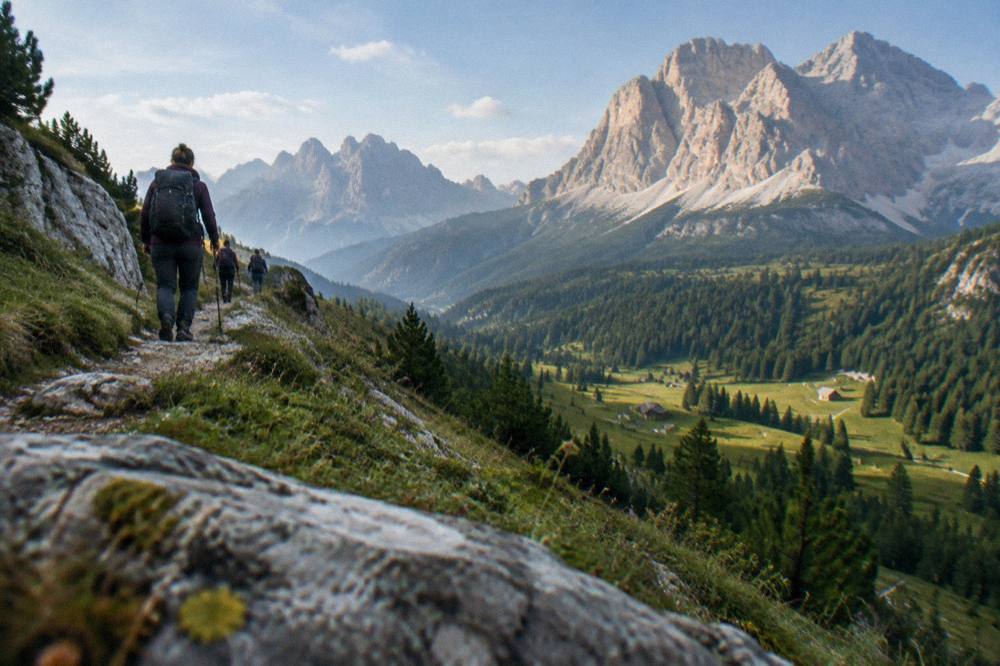
What Should You Pack For A Mountain Day From A Padua Base?
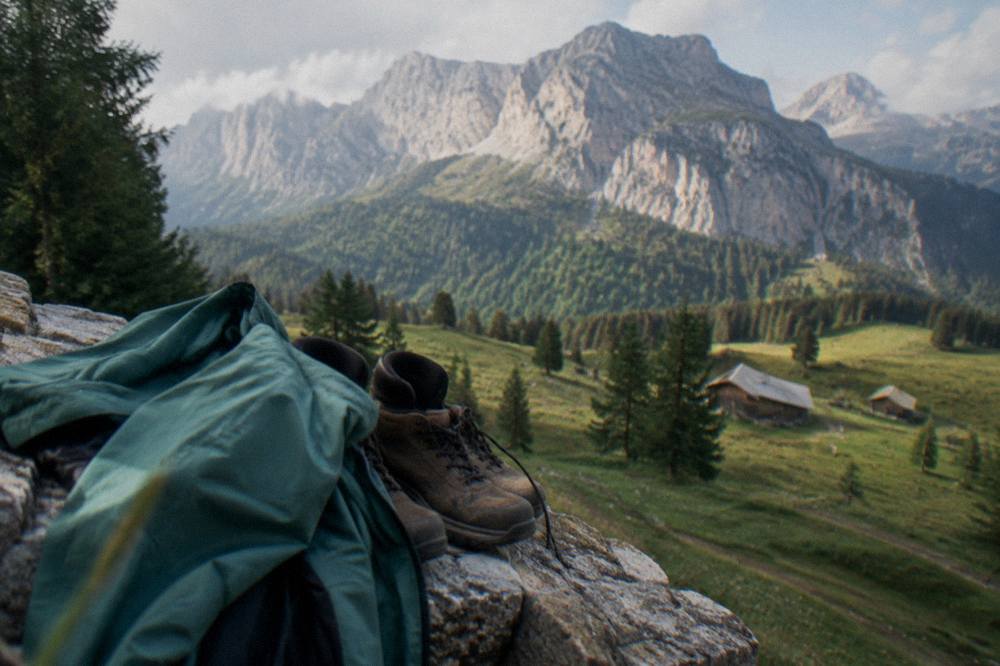
Pack for two climates in one day: Padua's summer mean high of 28.8 C against alpine altitudes where the temperature drops with every hundred metres of gain, plus rain layers for a plain that averages 84.4 mm in April and 99.7 mm in May, comfortable walking shoes for mountain paths, water, sun protection for exposed ridges, and the booking references for any timed entry you hold in the city.
The layered approach is not a cliché here, it is arithmetic. A day that begins on Padua's flat streets at 28.8 C can reach ground that is 15 to 20 degrees cooler without any weather change at all, and the reanalysis shows the plain itself swings from a January mean low of -0.2 C to those summer highs within six months. For the city half of the day, nothing more than ordinary town walking gear is needed; Padua's centre is compact and arcaded, and the tram and buses take the EUR 1.70 TU1 ticket with a contactless tap on board.
Documents and bookings deserve their own pocket. The Scrovegni Chapel requires the printed or digital booking and arrival five minutes before the slot; the evening "Giotto sotto le stelle" visits run 25 March to 1 November, 19:00 to 22:00, every 20 minutes, chapel only. The tourist tax, imposta di soggiorno, is collected by your accommodation at up to five consecutive nights per person, with no rate stated. In the mountains, carry the emergency number 112, which serves all of Italy, and the contact details of your excursion operator; this page prints no refuge, lift or trail information.
One Padua-specific note closes the packing list: the station's left-luggage office at platform 1, daily 6:00 to 20:00 at EUR 5 per 6 hours, is the piece of infrastructure that makes an early mountain start from a checked-out hotel painless, and the same office makes a Venice stop on the return leg possible, about 26 to 40 minutes by train, with the 2026 Venice day-tripper access-fee trial having ended on 27 July 2026 and no 2027 decision published; check the Venice city site for any later scheme.
How Do You Build The Dolomites Into A Longer Veneto Itinerary?
A sensible split-base itinerary gives Padua its art days first, the Scrovegni Chapel, the Basilica of Saint Anthony, the Orto Botanico and the Palazzo del Bo among them, then moves north for one or two nights in the mountains, returning through Bassano del Grappa or the Prosecco hills so the travel day itself carries sightseeing; the city's own entry prices are fixed, while every mountain segment is booked on its own terms, and the whole plan can be assembled from Padua's station with one change of accommodation.
The city half of that itinerary is easy to cost: Scrovegni EUR 15 plus EUR 1, Orto Botanico EUR 15, Palazzo del Bo EUR 10, Palazzo della Ragione EUR 8, the Basilica of Saint Anthony free to enter, and the markets in Piazza delle Erbe running Monday to Friday 7:30 to 13:30 and Saturday 7:30 to 20:00, with the antiques market on Prato della Valle every third Sunday of the month. Two full days in Padua cover the headline list at a humane pace, and the Verona and Garda full-day tour or a Vicenza run, Teatro Olimpico at EUR 12, fill a third.
| Itinerary block | Base | Verified anchors |
|---|---|---|
| Days 1 to 2, city art | Padua | Scrovegni EUR 15 +1; Orto Botanico EUR 15; Palazzo del Bo EUR 10 |
| Day 3, hills day | Padua | Villa dei Vescovi EUR 11; Casa del Petrarca EUR 6; Arqua Petrarca about 20 km |
| Day 4, gateway town | Padua or Bassano | Bassano about 42 km; Poli Grappa Museum free entry |
| Days 5 to 6, mountains | Dolomites base | Prices and access checked with operator or valley pages |
| Day 7, return via plain | Padua | Prosecco hills, Valdobbiadene about 56 km; Venice about 36 km |
The mountain block is deliberately blank of figures. This site's constraints carry no Dolomites ticket price, opening hour or train time, and the plan above works precisely because it separates what you can book today from what you confirm closer to travel. The gateway logic is the useful part: coming south from the Dolomites, Bassano del Grappa and the Prosecco hills sit between you and Padua, and both reward a stop, the first with its covered bridge over the Brenta and its grappa museum, the second with the hillside vineyards that give the region its sparkling wine. If you prefer your mountain-bound day handled end to end, the site's Bassano del Grappa guide and the Vicenza page lay out both rails-first gateways from Padova station.
Common Questions About The Dolomites From Padua
Can you do the Dolomites as a day trip from Padua?
It is possible as a long, early-start excursion by guided tour or hire car, but the mountains sit beyond every closer Veneto day trip on this site's distance list. For a relaxed pace, an overnight in the mountains is the better plan.
How far are the Dolomites from Padua?
This site prints only straight-line kilometres for its destinations, and the Dolomites are not among them. The chain runs Venice about 36 km, Bassano del Grappa about 42 km, Verona about 69 km, with the mountains beyond Bassano. No drive time is stated anywhere on this page.
Is Cortina d'Ampezzo reachable by train from Padua?
The regional rail network out of Padova serves the plain well, including Venice, Vicenza, Verona, Treviso and Bassano del Grappa, but the high Dolomite valleys are reached by mountain bus or car beyond the rail head. Check the specific mountain leg with the operator or the valley's own transport pages.
What is the best month for a Dolomites day from Padua?
The city side is warmest in July and August, with an ERA5 reanalysis 1991-2020 mean daily high of 28.8 C, and the mountain access season is widest in the snow-free months. November carries the highest rain total in the city at 114.0 mm and the Scrovegni Chapel closes 16 to 27 November 2026 for its annual inspection, so late autumn needs indoor fallbacks.
Are the Dolomites a better day trip than Venice or Verona from Padua?
This site ranks none of its day trips against each other. Venice is about 36 km away with trains of about 26 to 40 minutes, Verona about 69 km with trains of about 43 to 60 minutes, both comfortable single days; the Dolomites are the longest outing of the set and reward whole days or an overnight.
The pattern that closes this page is the one that opened it: Padua Travel Guide writes from the plain, and the Dolomites are the expedition at the far end of it. Book the chapel slot before you leave the city, print the mountain leg's confirmations, leave the bags at platform 1 if the day outlasts the checkout, and let the day-trip index and the Padua root guide carry the rest of the planning.