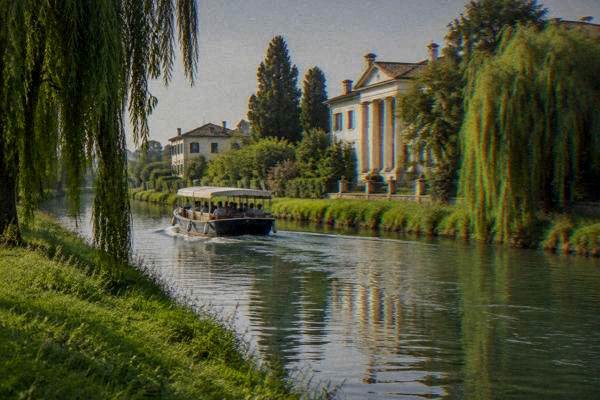
Murano And Burano From Padua
Murano and Burano sit in the Venice lagoon, and Padua is an inland city about 36 km from Venice in a straight line, so the islands are reached by way of Venice itself. Here is how the desk at Padua Travel Guide would plan that day.
Short answer
Take a train from Padova to Venezia Santa Lucia (about 26 to 40 minutes, about EUR 5 regional), then use Venice's public boats to reach Murano and Burano. Both islands are a day trip from Padua, and Padua itself is inland, not on the lagoon.
Padua (Italian: Padova) is an inland city in the Veneto, about 36 km from Venice in a straight line, and the lagoon islands of Murano and Burano belong to that Venice side of the map, not to Padua's own arcaded streets. That geography is the whole planning story: a Murano and Burano day from Padua is a two-leg journey, train first, boat second. This guide lays out what the sources support about each leg, what the islands are known for, and how to fit them around the timed-entry sights that make Padua itself worth a full day, from Giotto's frescoes in the Scrovegni Chapel to the market squares of the centre.
Where Are Murano And Burano Relative To Padua?
Murano and Burano are islands in the Venice lagoon, and Padua is an inland city about 36 km in a straight line from Venice, so neither island sits anywhere near Padua's own territory. Padua is not on the lagoon, not on a lake and not on the sea: the Bacchiglione and its canals run through the city, but the lagoon belongs to Venice. Every Murano and Burano itinerary from Padua therefore runs through Venice first, usually by train to Venezia Santa Lucia station.
That 36 km figure is a straight-line distance from the centre of Padua to Piazza San Marco, computed from map data, and it is the only distance figure worth carrying. The Veneto is a compact region: Vicenza lies about 30 km away in a straight line, Verona about 69 km, and the Euganean Hills start just south of the city, with Abano Terme about 8 km out. A lagoon day is one option among many, and the desk's own Venice day trip guide covers the parent city in detail, including what changed with the Venice day-tripper access fee, whose 2026 trial ended on 27 July 2026 and which no longer applies.
One point of lagoon housekeeping: the Venice access fee, sometimes called a day-tripper charge, was a trial scheme that ran on selected dates in 2026 and ended on 27 July 2026. The fee does not currently apply, no decision for 2027 had been announced, and anybody planning a lagoon day should check the Venice city site for any later scheme rather than budgeting for it.
How Do You Get From Padua To Murano And Burano?
The first leg is a train from Padova to Venezia Santa Lucia, which takes about 26 to 40 minutes on regional services with a fare of about EUR 5, and the second leg is Venice's public boat network from the northern edge of the historic centre out to the islands. Padua's station sits on the Venice to Milan line, and trains run frequently toward Venice.
Once at Santa Lucia, the boat stops and fares are Venice's own system: check the current vaporetto prices at the ticket desks or the official Venice transport site before travelling.
Padua's own transport is cheap and simple. The urban ticket, TU1 for the city zone, is EUR 1.70 for 90 minutes and can be bought in the Busitalia Veneto app or by tapping a contactless card on board the tram and bus; the tram line SIR1 runs north to south through the city. The airport bus to Venice Marco Polo is EUR 13 one way for an adult, EUR 6.50 for a child, about 45 minutes, with departures every 40 minutes, but for the islands the train to Santa Lucia is the usual route.
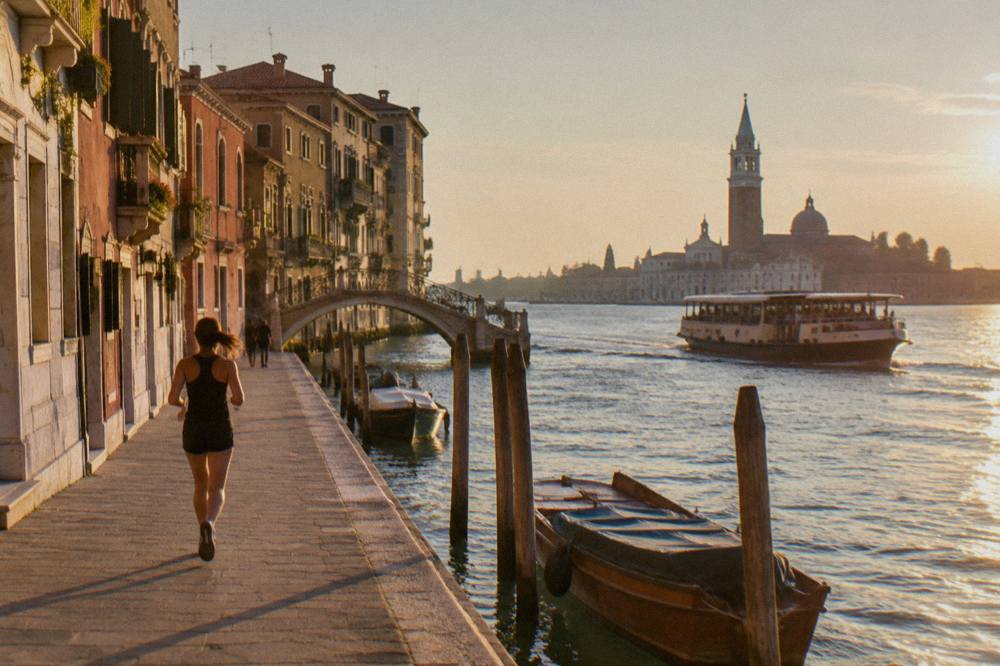
For the return, the same logic in reverse: boat back to the Fondamente Nove or Fondamenta San Zaccaria area, then train from Santa Lucia to Padova. If the day runs long, Padua station has a left-luggage office at platform 1, open daily 6:00 to 20:00 at EUR 5 per 6 hours, though a lagoon day trip rarely needs it since bags stay at the hotel.
| Leg Of The Journey | Service | Figure From The Facts Pack |
|---|---|---|
| Padova to Venezia Santa Lucia | Regional train | about 26 to 40 minutes, about EUR 5 |
| Padua city transport | Tram and bus, TU1 ticket | EUR 1.70 for 90 minutes |
| Padua city transport | TU1 daily ticket | EUR 4.70 |
| Padova to Venice Marco Polo airport | Busitalia airport bus | EUR 13 adult one way, about 45 minutes |
| Venice historic centre to Murano and Burano | Venice public boats | fares set by Venice transport, ask at the ticket desks |
The table above is the honest version of a transport section: the legs inside Padua and on the rail line carry printed figures because the sources give them, and the lagoon leg is priced by Venice's own network, so the current fare belongs to the ticket desk on the day. Building the day that way, train out in the morning, boats through the middle of the day, train back before dinner, leaves a workable window on the islands without rushing the station connections.
What Is Murano Known For?
Murano is known for its glass: the island has been the home of Venice's glassmaking industry for centuries, and its furnaces, showrooms and a glass museum are the reason day-trippers go there. Glass is still made on the island, workshops sell directly to visitors, and demonstrations of hot glassworking are the standard island experience. The constraints of honest reporting apply: no ticket price, opening hours or furnace demonstration fee for Murano appears in this site's research, so check each workshop and museum on its own page before travelling.
What can be said firmly is the shape of a Murano visit: it is a short boat ride from the northern edge of Venice, it is compact enough to see on foot in a couple of hours, and its identity is entirely bound up with glass rather than with the painted facades of its neighbour to the north. Visitors who care about the craft spend the time in a furnace demonstration and a museum; visitors who care about the object spend it in the showrooms.
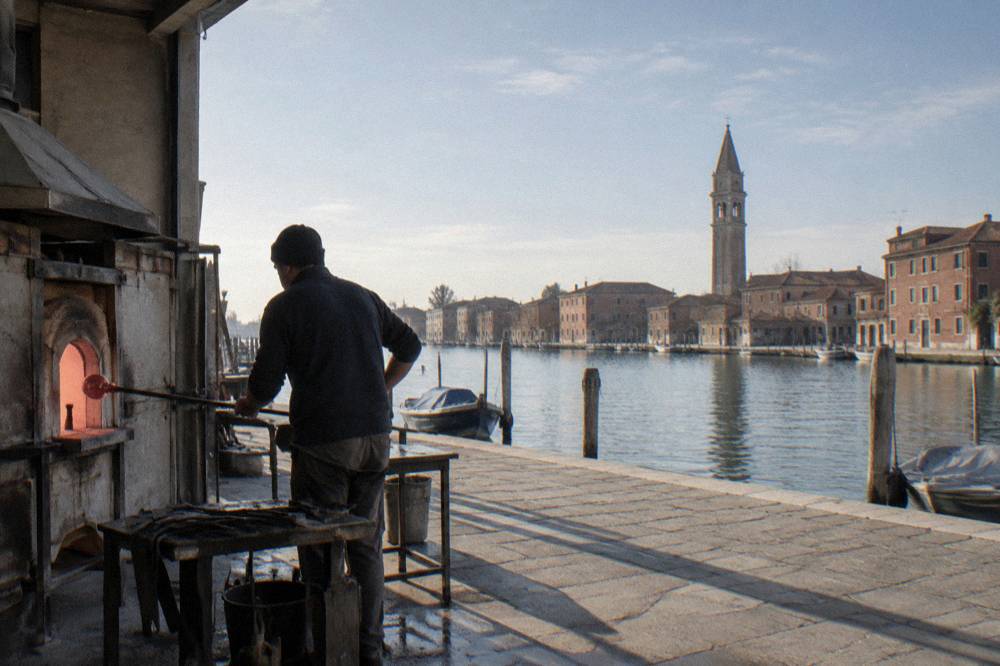
The comparison worth making from Padua is with the Veneto's other craft and produce traditions. Padua's own hills carry a wine route into the Euganean Hills, and the site's Euganean Hills guide covers cellar visits reachable from the city. A Murano morning is the artisan version of the same instinct, watching a maker at work, and it pairs naturally with an afternoon of Burano's quieter streetscapes.
What Is Burano Known For?
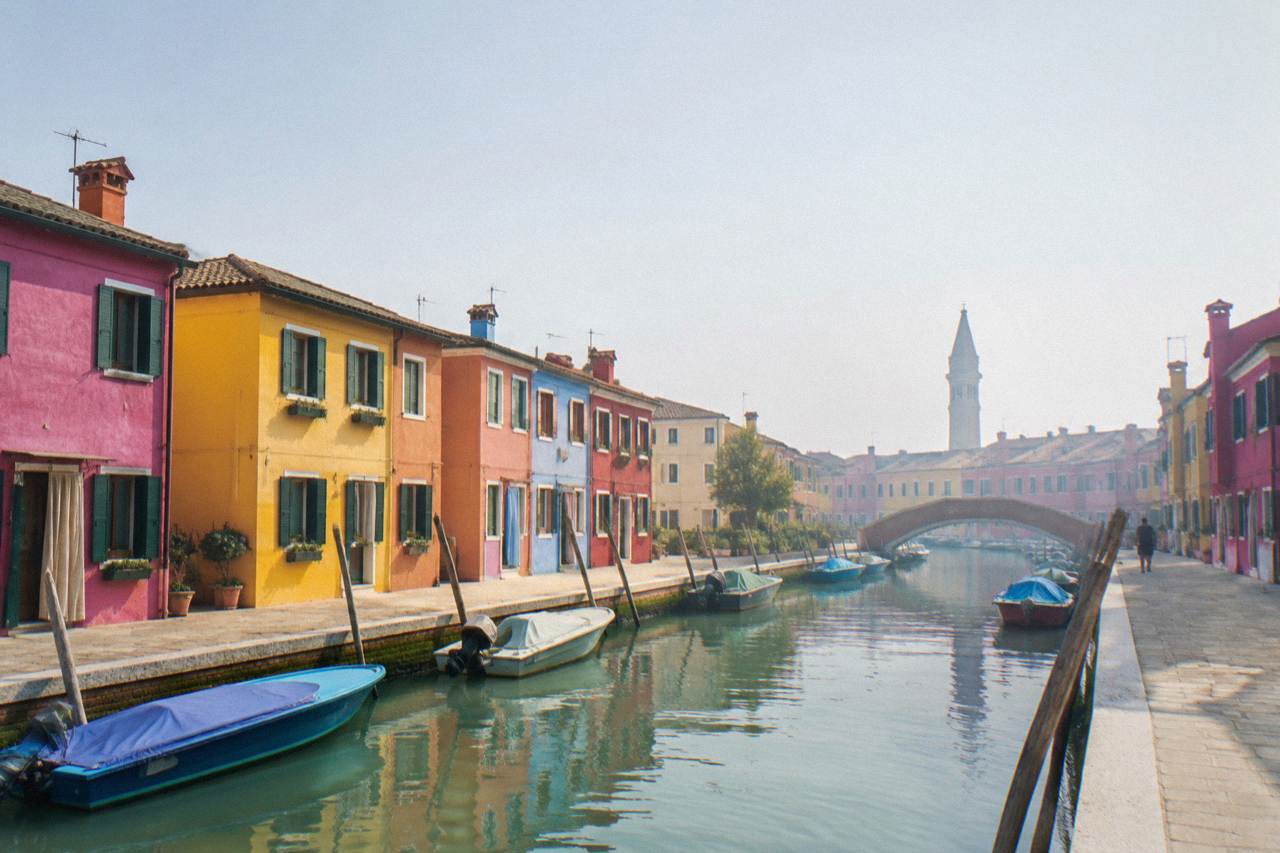
Burano is known for two things: the painted colours of its houses along the canals, and its lace-making tradition. The island sits farther north in the lagoon than Murano, beyond it by boat, and its painted streets are what give the lagoon its most photographed corner. As with Murano, the research behind this site supplies no ticket price or opening hours for Burano's lace museum or workshops, so confirm current details directly with each venue before planning around them.
The colours are the draw, and they need no ticket at all: the public streets of Burano are the sight, and the painted facades line the canals and the small squares off the main arrival point. Lace is the island's craft heritage, exhibited and sold locally, and the tradition is the reason the island's name travels beyond the lagoon.
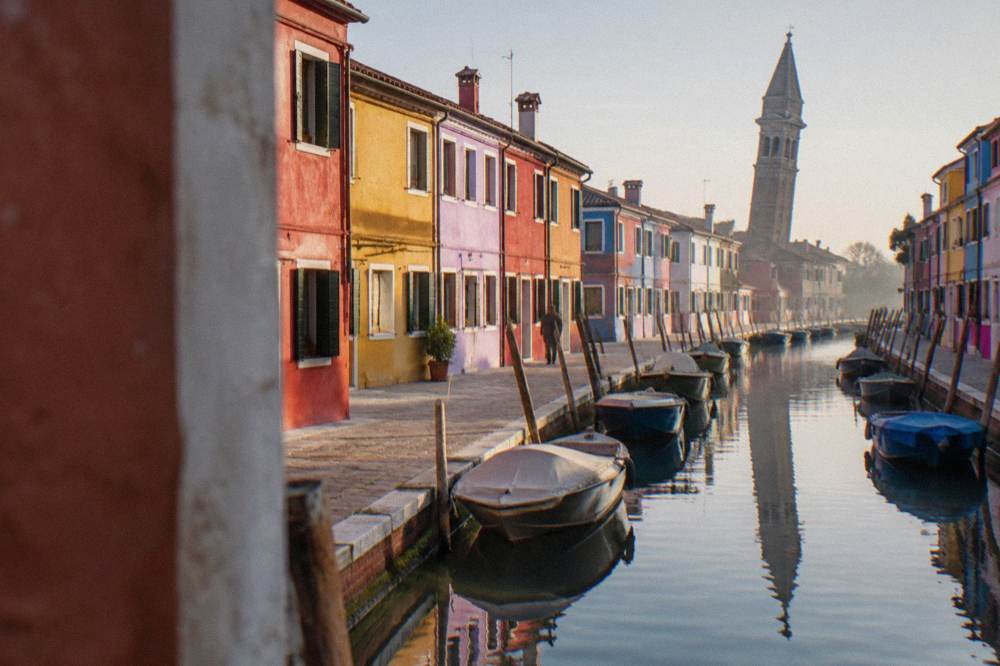
A practical note on the island pair: Murano and Burano are separate boat rides, with Burano the farther of the two from Venice, and many itineraries call at Murano on the way. The desk treats the pair as one corridor: out through Murano, on to Burano, and back to Venice from either. Venice's own boat timetables set the rhythm, and the last departures of the evening are the constraint that ends every island day.
Can You See Murano And Burano In One Day From Padua?
Yes: a one-day round trip is the standard way to do it, built on a morning train from Padova to Venezia Santa Lucia, about 26 to 40 minutes, a boat out through Murano to Burano, a few hours split between the two islands, and an evening train back. The limiting factors are the boat schedule between the islands and Venice, and the length of the daylight window, not the train, which runs frequently in both directions.
Any schedule that leaves Venice after the late afternoon rush gives the day room to breathe.
The honest way to size the day is backwards from dinner. Trains from Padova toward Venice run through the morning and the boats reach Murano from the northern Fondamente Nove side of Venice; the reverse journey ends at Santa Lucia and the rail line carries the return. There is no printed boat frequency in this site's research for the lagoon routes, so the day should be planned against the timetable posted at the Venice boat stops rather than against a remembered number. The rest of the planning pages sit on Padua Travel Guide.
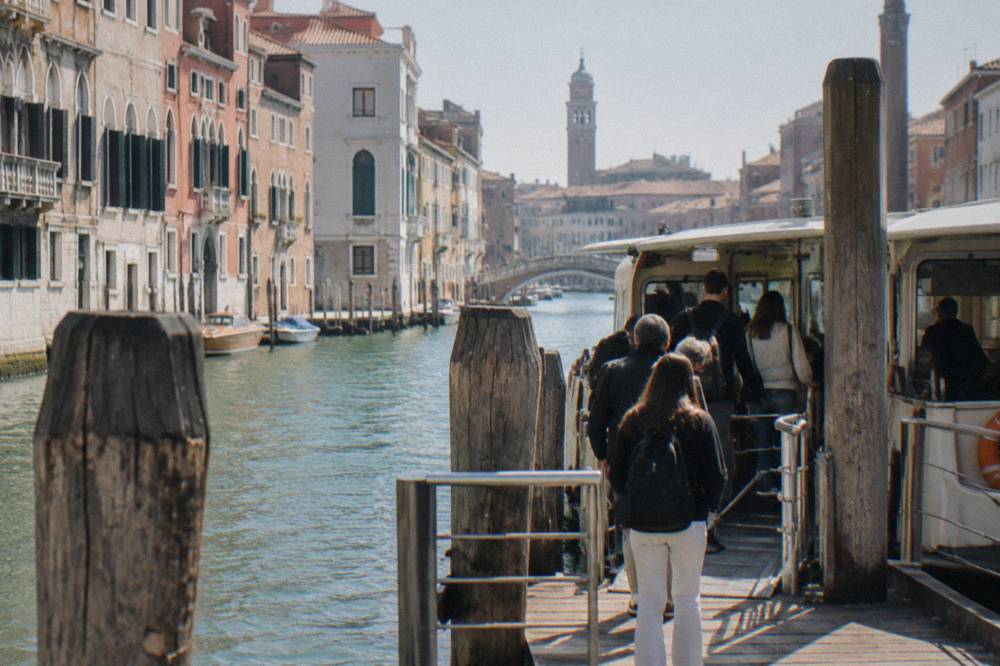
One structural alternative is to make the lagoon day part of a longer stay. Padua works as a base precisely because the rail line fans out: Venice in one direction, Vicenza in about 16 to 25 minutes and Verona in about 43 to 60 minutes in the other. The site's how many days you need in Padua piece frames the arithmetic, and a two-centre pattern, one full day inside Padua and one lagoon day, covers the essentials of both.
| Sample One-Day Shape From Padua | What Happens |
|---|---|
| Early morning | Tram or walk to Padova station, regional train to Venezia Santa Lucia |
| Mid morning | Walk or boat to the northern lagoon stops, first boat toward Murano |
| Late morning | Murano on foot: furnaces, showrooms, glass museum if open |
| Early afternoon | Boat north to Burano, lunch and the painted canals |
| Late afternoon | Boat back to Venice, train from Santa Lucia to Padova |
| Evening | Dinner in Padua: the market squares of the centre are the default |
What Should You Book Before A Murano And Burano Day From Padua?
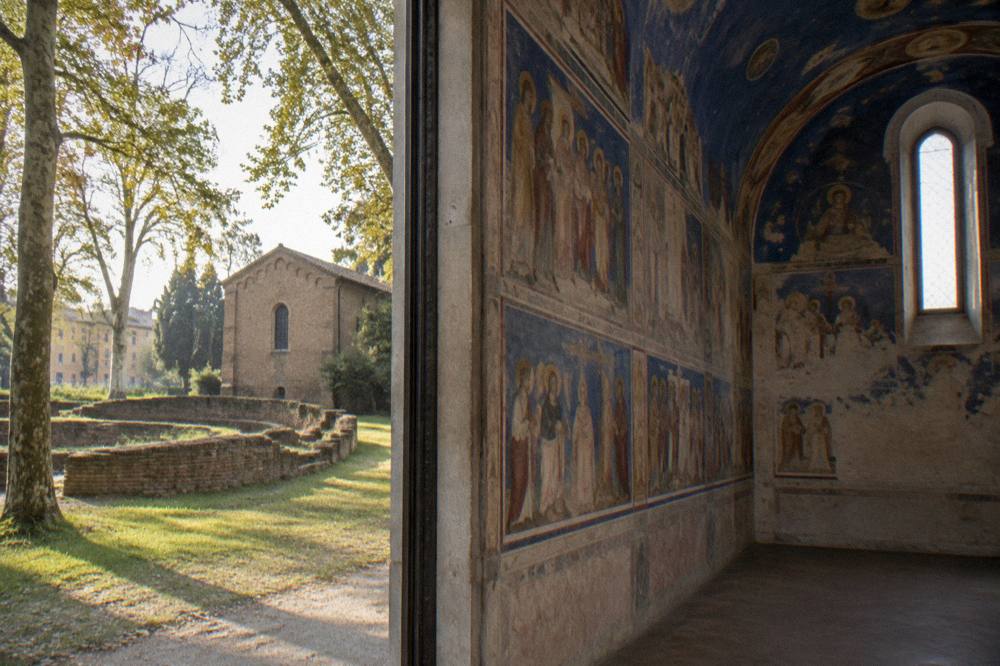
Book nothing for the islands themselves until each venue's own page confirms prices and hours, but book the Padua side of the trip early: the Scrovegni Chapel is timed-entry only, with groups of at most 25 people every 15 minutes and about 15 minutes inside, and slots go fast. The chapel is closed 16 to 27 November 2026 for its annual fresco inspection, and same-day online booking does not exist, so if Giotto is on the list, the chapel booking sets the trip's dates, not the boats.
The chapel's own booking page carries the detail: full ticket EUR 15 plus a EUR 1 booking fee, reduced EUR 11, and the daytime ticket also covers the Musei Civici Eremitani and Palazzo Zuckermann. The evening visit, 25 March to 1 November, 19:00 to 22:00, is chapel only. Arrive five minutes before the slot on the ticket; late arrivals must rebook and pay again.
The train needs no booking, but the advice that travels well in Italy is to buy regional tickets in the app before boarding. A guided product can carry the chapel entry for you: the site's tour of Private Padua Top City Sights covers the city's main sights with a guide, and the operator's live listing shows what the current price includes. Check availability
| Booking Or Ticket | Figure | Source Basis |
|---|---|---|
| Scrovegni Chapel, museums plus chapel, full | EUR 15, plus EUR 1 booking fee | the museums' own price list |
| Scrovegni Chapel, reduced | EUR 11, plus EUR 1 booking fee | the museums' own price list |
| Scrovegni Chapel, evening visit, chapel only | separate ticket, 19:00 to 22:00, 25 March to 1 November | the chapel's own site |
| Scrovegni Chapel closure | 16 to 27 November 2026, annual fresco inspection | the chapel's own site |
| Regional train Padova to Venice | about EUR 5 | fare reported for that route |
| Murano and Burano venues | prices and hours not in this site's research | confirm with each venue directly |
How Does A Murano And Burano Day Compare With Other Day Trips From Padua?
A lagoon day is the longest-radius day trip in Padua's standard set at about 36 km in a straight line to Venice and beyond by boat, while the Euganean Hills sit 8 to 26 km out and the nearer art cities cluster along the rail line: Vicenza about 30 km, Verona about 69 km, Bologna about 110 km.
The islands add a boat leg on top of the train, which no other Padua day trip does, so they suit a trip that already has a Venice day or a spare full day rather than a squeezed half day.
The comparison table below carries only straight-line kilometres computed from map data, because that is what the research supports; drive times are not printed anywhere on this site.
| Day Trip From Padua | Straight-Line Distance | One Figure The Pack Gives |
|---|---|---|
| Venice, then Murano and Burano | about 36 km | train about 26 to 40 minutes |
| Vicenza | about 30 km | Teatro Olimpico EUR 12 full |
| Chioggia, the lagoon's southern town | about 38 km | see the Chioggia guide |
| Verona | about 69 km | train about 43 to 60 minutes |
| Bologna | about 110 km | farthest of the standard set |
| Abano Terme, Euganean thermal town | about 8 km | closest full day trip |
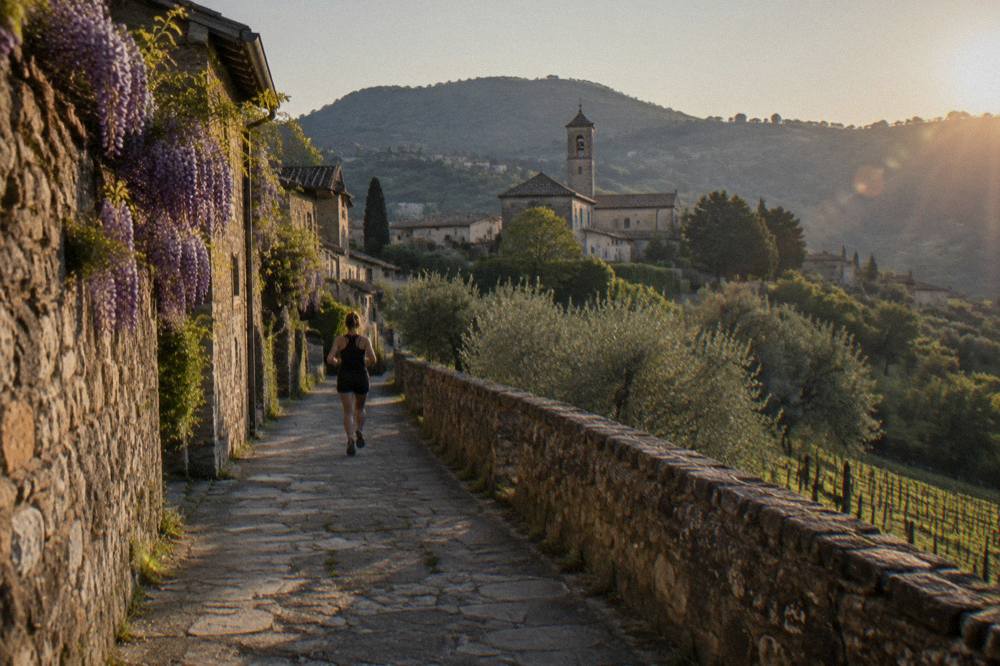
For travellers torn between the lagoon and the hills, the split is simple: Murano and Burano are about looking, at glass, at colours, at water, while the Euganean Hills are about tasting and walking, with wine routes and hill towns such as Arqua Petrarca. The Brenta Riviera is the hybrid, a villa-lined water route between Padua and Venice that Il Burchiello runs as a boat cruise from March to October in both directions.
What Is The Best Time Of Year For A Murano And Burano Day Trip From Padua?
The climate data points to spring and early autumn: the ERA5 reanalysis for Padua, 1991-2020, shows July and August with a mean daily high of 28.8 C, while April sits at 17.6 C and October at 18.4 C, and November carries the highest monthly rain total at 114.0 mm. The lagoon involves standing at open boat stops, so rain matters more there than in Padua's arcaded streets, where shelter is built into the city.
No crowd prediction follows from any of this: these are modelled climate normals, not a forecast or a popularity measure.
The monthly picture, labelled as ERA5 reanalysis, 1991-2020, and rounded:
| Month | Mean Daily High (C) | Mean Daily Low (C) | Rain (mm) |
|---|---|---|---|
| March | 13.7 | 3.9 | 67.2 |
| April | 17.6 | 7.8 | 84.4 |
| May | 22.1 | 12.4 | 99.7 |
| June | 26.2 | 16.6 | 81.0 |
| July | 28.8 | 18.9 | 62.1 |
| September | 23.6 | 14.9 | 105.5 |
| October | 18.4 | 10.6 | 105.4 |
| November | 12.6 | 5.5 | 114.0 |
November carries a second caveat specific to this itinerary: the Scrovegni Chapel closes 16 to 27 November 2026 for its annual inspection, so a November trip that wants both Giotto and the lagoon needs the calendar checked on both ends. Winter itself is a real option in Padua, and the site's Padua in winter guide covers what stays open; the lagoon in cold months is a different proposition, with the boat rides exposed to the wind off the water, so layers matter more than the mean low of -0.2 C in January suggests.
What Else Should You Know Before Leaving Padua For The Islands?
Padua rewards an unhurried return: the tourist tax exists, is collected by the accommodation and is capped at five consecutive nights per stay, and the market squares keep long hours, with Piazza delle Erbe trading Monday to Friday 7:30 to 13:30 and Saturday 7:30 to 20:00.
The city's two UNESCO listings, the Orto Botanico from 1997 and the fourteenth-century fresco cycles of Padova Urbs Picta from 2021, both sit in the historic centre, and the tourist offices at the station and Piazza delle Erbe 52 can answer lagoon-connection questions in person.
A few closing figures that hold the day together: the Orto Botanico's tariff rose to EUR 15 full from 1 September 2026, with a winter rate of EUR 12 from November to February, so a garden visit costs more than it did in older guidebooks. The anatomical theatre at Palazzo del Bo, inaugurated 1594, is seen on a guided university tour, full price EUR 10, about 45 minutes, with alternating Italian and English slots. And if the lagoon day leaves an appetite, the food tour in the picks above runs from the morning market to osterias with tastings, which is the most direct way into the city's cooking after a day of looking at glass and paint.
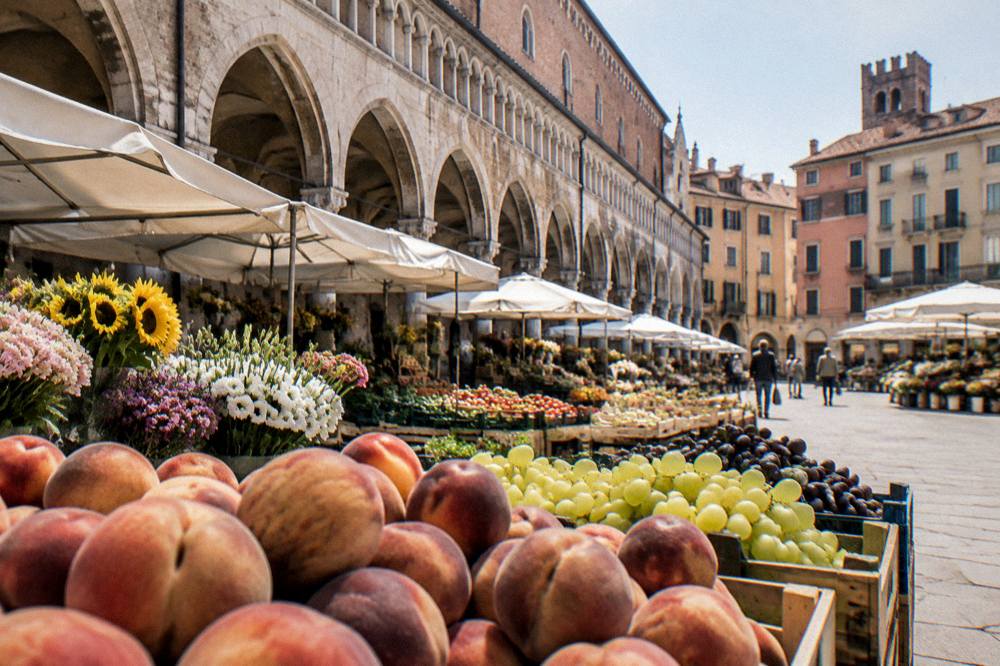
The last word on planning: the lagoon islands are the far end of Padua's day-trip range, and they earn their place on a trip that has already given Padua its own day. Use the train for what the train is good at, buy the boat tickets in Venice where the prices are posted, and let the chapel booking, the one appointment in this whole itinerary that cannot be improvised, set the shape of the stay.
Common Questions About Murano And Burano From Padua
How far is Murano and Burano from Padua?
Venice is about 36 km from Padua in a straight line, and Murano and Burano are islands in the Venice lagoon beyond Venice itself, reached by train to Venezia Santa Lucia and then boat. Padua is an inland city, not on the lagoon.
Can you do Murano and Burano as a day trip from Padua?
Yes. The train from Padova to Venezia Santa Lucia takes about 26 to 40 minutes, and Venice's public boats run from the historic centre out to both islands, so a morning start gives a full day on the water with an evening return.
What is the difference between Murano and Burano?
Murano is the glassmaking island, with furnaces, showrooms and a glass tradition; Burano is the island of painted house facades and lace-making, farther north in the lagoon. Many itineraries call at Murano on the way to Burano.
Do I need to book anything in advance for Murano and Burano?
The islands themselves need no advance booking that this site's research confirms, but check each museum and workshop's own page for prices and hours. The booking that matters on this itinerary is Padua's Scrovegni Chapel, which is timed-entry only and closed 16 to 27 November 2026.
Does the Venice day-tripper access fee apply to a Murano and Burano trip?
No. The 2026 trial of the Venice access fee ended on 27 July 2026 and the fee does not currently apply; no decision for 2027 had been announced. Check the Venice city site for any later scheme before travelling.